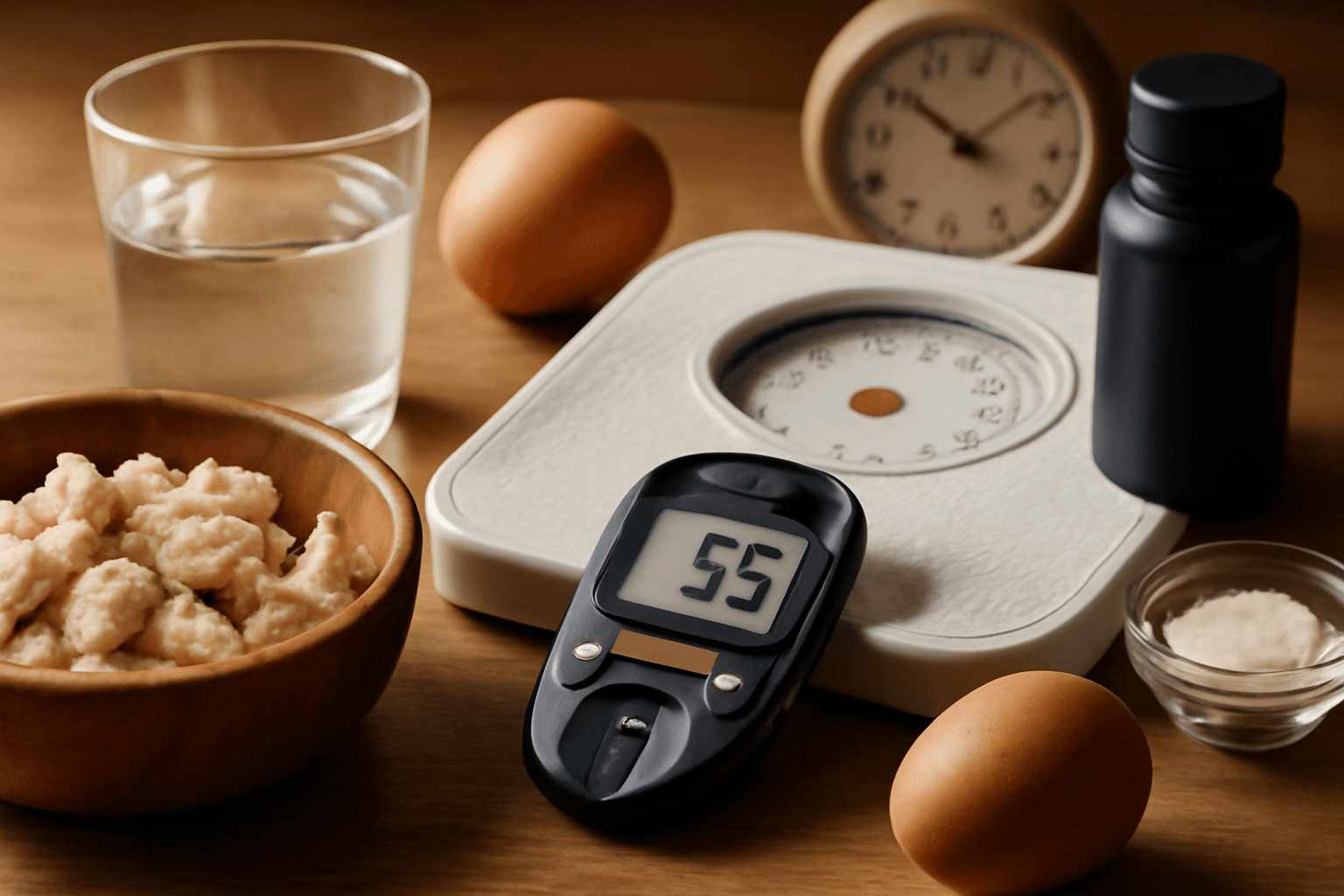
Your skin is your body's largest organ and the mirror that reflects your health status most clearly. Skin problems like acne, dryness, wrinkles, and dullness cannot be solved by external products alone. In reality, 70-80% of skin health is determined by internal factors—sleep, exercise, diet, and nutrients like vitamin D. In this article, we'll examine in detail, based on scientific evidence, how these four elements transform your skin and exactly how to implement them in practice.
Why Sleep Determines Skin Regeneration
Sleep between 10 PM and 2 AM is called "golden sleep time" because growth hormone secretion peaks during these hours. Growth hormone is the key substance that promotes skin cell regeneration, increases collagen synthesis, and maintains skin elasticity. According to research from the University of Pennsylvania, people who sleep six hours or less experience 30% higher skin moisture loss and 23% lower resistance to external stimuli compared to those who get adequate sleep.
Sleep deprivation directly elevates cortisol, a stress hormone. When cortisol increases, sebum secretion becomes excessive, worsening acne, and skin barrier function deteriorates, increasing sensitivity. Additionally, during sleep, blood flow increases, delivering more oxygen and nutrients to the skin. This is why skin looks more radiant after sufficient sleep.
Practical Methods for Quality Sleep
- Maintain consistent sleep times: Go to bed and wake up at the same time on weekdays and weekends (stabilizes circadian rhythm)
- Block blue light one hour before bed: Stop using phones and computers (promotes melatonin secretion)
- Keep room temperature between 16-19°C: Lower body temperature induces deeper sleep
- Complete eating three hours before bed: Prevent digestion from interfering with sleep
- Get at least 7-9 hours of sleep: Recommended sleep duration for adults
How Protein Intake Builds Skin Structure
Collagen and elastin, the main structural components of skin, are both protein-based. Collagen makes up 70% of skin's dry weight and maintains skin elasticity and structure. If you don't consume enough protein, your body breaks down collagen in the skin to use for other essential functions like muscle maintenance and hormone production. As a result, skin sags, wrinkles deepen, and recovery ability declines.
The daily protein requirement is body weight (kg) × 1.2-1.6g. For example, a person weighing 60kg needs 72-96g of protein. Protein is composed of nine amino acids (essential amino acids), and lysine and proline are particularly used directly in collagen synthesis. Animal proteins (eggs, fish, chicken breast) contain all essential amino acids, making them more efficient than plant-based proteins.
Protein Intake Strategy for Skin
- Consume protein at every meal about the size of two finger joints: Distributed intake of 20-30g per meal optimizes muscle synthesis
- Recommended foods: Greek yogurt (15g/100ml), eggs (6g/egg), salmon (25g/100g), tofu (8g/100g)
- Strengthen breakfast protein: Adequate protein at breakfast maintains satiety throughout the day and stabilizes blood sugar
- Protein after evening exercise: Consume protein within one hour after exercise to promote muscle recovery
How Blood Sugar Control Determines Skin Aging Speed
High blood sugar levels cause a "glycation" reaction. During this process, glucose in the blood attaches to collagen and elastin in the skin, causing these proteins to become rigid and damaged. This is called Advanced Glycation End Products (AGE), and it's a major cause of wrinkles, sagging, and loss of elasticity. People who frequently consume high-glycemic index (GI) foods age 30% faster in the skin compared to those who consume low-GI foods.
High-GI foods like white rice, sugary drinks, white bread, and candy cause blood sugar to spike and drop repeatedly. These fluctuations trigger skin inflammation, worsen acne, and make complexion dull. Conversely, low-GI foods like brown rice, oats, whole grains, and vegetables raise blood sugar slowly, minimizing the glycation reaction.
Diet Composition for Blood Sugar Stabilization
- Adjust meal order: Vegetables → protein → carbohydrates (reduces blood sugar rise speed by 50%)
- Replace refined carbohydrates: White rice → brown rice, white bread → whole grain bread
- Increase dietary fiber: 25-30g daily (found in brown rice, legumes, vegetables, fruits)
- Choose snacks wisely: Select nuts, Greek yogurt, and cheese instead of sweets
- Change beverages: Choose water, unsweetened tea, or black bean drinks instead of sugary drinks
How Exercise and Yoga Improve Skin Circulation
Exercise increases heart rate while boosting blood flow to the skin by 2-3 times. Increased blood flow delivers more oxygen and nutrients to the skin while simultaneously removing metabolic waste and toxins. Heat generated during exercise opens skin pores, helping sebum release and preventing acne. Research shows that doing moderate-intensity aerobic exercise (brisk walking, jogging, cycling) for 30 minutes or more, 3-4 times weekly, brightens skin tone and reduces acne within 12 weeks.
Yoga is particularly effective at improving facial blood circulation. Inversion poses (headstands, shoulder stands, downward dog) direct blood against gravity to the face and head, promoting skin oxygen supply. Yoga breathing techniques (pranayama) activate the parasympathetic nervous system, lowering cortisol (a stress hormone) and preventing flare-ups of inflammatory skin conditions. Yoga also improves posture, helping relax facial and neck muscles, which leads to fewer wrinkles.
Exercise Program for Skin Improvement
- Aerobic exercise: At least 3 times weekly, 30-45 minutes per session (jogging, swimming, aerobics)
- Strength training: Twice weekly, working major muscle groups (promotes healthy hormone production for skin)
- Yoga poses: 2-3 times weekly, including inversion poses (increases facial blood flow)
- Cleanse after exercise: Wash your face within 30 minutes after exercise (pore cleansing)
- Stay hydrated during exercise: Take a few sips every 15 minutes (maintains skin moisture)
How Stress Triggers Skin Inflammation
When stressed, your body releases cortisol and adrenaline. These hormones hypersensitize the skin's nervous system and trigger histamine release, causing inflammation. Stress also weakens the skin barrier, increasing moisture loss and impairing skin immune response. People with high psychological stress levels have a 23% higher acne incidence and 40% higher chance of atopic dermatitis flare-ups compared to those with low stress.
Stress hormones also suppress the growth of beneficial gut bacteria while promoting harmful bacteria. According to the "gut-skin axis" theory, compromised gut health increases intestinal permeability, allowing inflammation-causing substances to enter the bloodstream and manifest as skin inflammation. Activities that activate the parasympathetic nervous system like meditation, deep breathing, and aromatherapy effectively reduce these stress responses.
Stress Management Practices
- Meditation: 10-15 minutes daily, especially before bed (reduces cortisol by 25%)
- Diaphragmatic breathing: Inhale for 4 seconds, hold for 4 seconds, exhale for 6 seconds, repeat for 5 minutes
- Separate work from personal time: Avoid work devices after leaving the office
- Social activities: Spend time with friends and family 1-2 times weekly (social support lowers cortisol)
- Regular stretching: Tense muscles embody stress
How Antioxidant Nutrients Prevent Skin Aging
UV exposure, air pollution, and smoking generate free radicals. Free radicals damage skin cell DNA, break down collagen, and trigger skin inflammation. Antioxidants neutralize these free radicals, preventing skin damage. Major antioxidant nutrients include vitamin C, vitamin E, beta-carotene, lycopene, and anthocyanins.
Vitamin C is an essential factor directly needed for collagen synthesis and simultaneously acts as a powerful antioxidant. Consuming 75-90mg of vitamin C daily slows skin aging by 20% according to research. Anthocyanins in berries (blueberries, blackberries) protect skin from UV damage, while lycopene in tomatoes reduces UV-induced sunburn by 36%. Vitamin E in nuts, olive oil, and avocados strengthens skin barrier function.
Antioxidant Food Selection Guide
- Vitamin C: Oranges (53mg/100g), bell peppers (128mg/100g), kiwis (92mg/100g), broccoli (89mg/100g)
- Anthocyanins: Blueberries, blackberries, black grapes, black carrots
- Lycopene: Tomatoes (3mg/100g), watermelon (4.5mg/100g), pink grapefruit
- Vitamin E: Almonds (25.63mg/100g), sunflower seeds, olive oil
- Cacao: Dark chocolate 70% or higher (1-2 times weekly, within 30g)
How Electrolytes and Water Intake Maintain Skin Hydration
Skin moisture content is fundamental to skin health. Dehydrated skin is dry, wrinkles are more pronounced, and flaking occurs. However, simply drinking more water doesn't automatically hydrate skin. Electrolytes (sodium, potassium, magnesium, calcium) are essential for water absorption and cellular retention. Electrolytes regulate osmotic pressure across cell membranes, keeping water inside cells.
The recommended daily water intake is body weight (kg) × 30-35ml. A person weighing 70kg needs 2.1-2.5 liters (about 8-10 glasses). However, excessive water intake can dilute electrolytes, causing skin dehydration instead. Effective hydration involves consuming water along with electrolyte-rich foods (seafood, nuts, leafy greens). Electrolyte-rich coconut water (250mg potassium/100ml) is superior to plain water for skin hydration.
Water and Electrolyte Management
- Regular water consumption: 500ml with each main meal, 200ml for snacks (avoid sudden large intake)
- Electrolyte foods: Seaweed soup (potassium), nuts (magnesium), low-salt cheese (calcium)
- Limit coffee and tea: Restrict to 2-3 cups daily (diuretic effect causes water loss)
- Hydrate after drinking alcohol: Drink one glass of water per alcoholic drink (prevents dehydration)
- Apply skin moisturizer: Use essence and cream within 3 minutes of cleansing (prevents moisture evaporation)
Vitamin D
Vitamin D isn't just for bone and immune system health. Skin cells have vitamin D receptors, and vitamin D directly participates in skin cell differentiation, regeneration, and immune function. Vitamin D deficiency weakens skin barrier function, worsening dryness and increasing the incidence of inflammatory skin conditions like acne, eczema, psoriasis, and rosacea. People with low blood vitamin D levels have a 40% higher rate of skin problems compared to those with normal levels.
Another important role of vitamin D is secreting antimicrobial peptides. These peptides inhibit the growth of acne-causing bacteria (P. acnes) and inflammatory staphylococci. Vitamin D also calms the skin's nervous system, reducing itching and sensitivity. Research shows that maintaining blood vitamin D levels at 30ng/ml or above reduces skin inflammatory response by 35%.
Methods for Optimizing Vitamin D Levels
- Sun exposure: 3-4 times weekly, 20-30 minutes before or after noon, exposing arms and legs (without sunscreen)
- Food intake: Salmon (600IU/100g), egg yolks (40IU/egg), butter (40IU/5g), oyster mushrooms (100IU/100g)
- Supplement selection: After measuring blood vitamin D levels, take 1000-2000IU daily if needed
- Correct timing: Sun exposure between 10 AM and 3 PM (maximizes vitamin D production)
- Regular testing: Check blood vitamin D levels every 6 months (target: 30-100ng/ml)
- Winter preparation: Maintain levels with supplements during seasons with limited sunlight
Consult a healthcare professional: Before taking vitamin D supplements, especially if you have a history of kidney disease or hypercalcemia, consult your doctor. Excessive vitamin D intake can lead to hypercalcemia.
Summary: Integrated Strategy for Skin Health
Skin health is determined by complex interactions of multiple elements, not a single factor. No matter how good your skincare products are, if you lack sleep, have unstable blood sugar, and experience high stress, skin improvement will be limited. Conversely, if you optimize all four elements covered in this article, you'll notice brighter skin tone after 6-8 weeks, and after 12 weeks, you'll experience reduced acne, improved wrinkles, and overall increased skin elasticity.
Implementation Priority:
- Week 1: Secure 7-9 hours of sleep, block blue light before bed
- Week 2: Consume 25-30g protein per meal, change meal order
- Week 3: Start exercising 3+ times weekly, introduce stress management routine
- Week 4: Increase antioxidant foods, test vitamin D levels
Skin Improvement Assessment Schedule: Take skin photos under the same conditions each month to record changes. After 2-3 months, you can verify improvement in these indicators: complexion brightness, number of acne spots, skin elasticity, pore size, dryness level, and wrinkle depth.
When to Consult Healthcare Professionals: Consult a dermatologist or nutritionist if you have skin conditions (acne, eczema, psoriasis, rosacea), severe stress, sleep disorders, or suspected nutritional deficiencies. Severe stress or sleep disorders in particular may signal underlying health issues.
Long-Term Maintenance Strategy: Skin improvement isn't a short-term goal. The sleep, exercise, diet, and vitamin D management practices presented in this article extend overall health lifespan, not just improve skin. While the first three months require conscious effort, they'll become automatic afterward, maintaining themselves without additional energy expenditure. Let your skin, which honestly reflects your internal body state, be nourished from within.