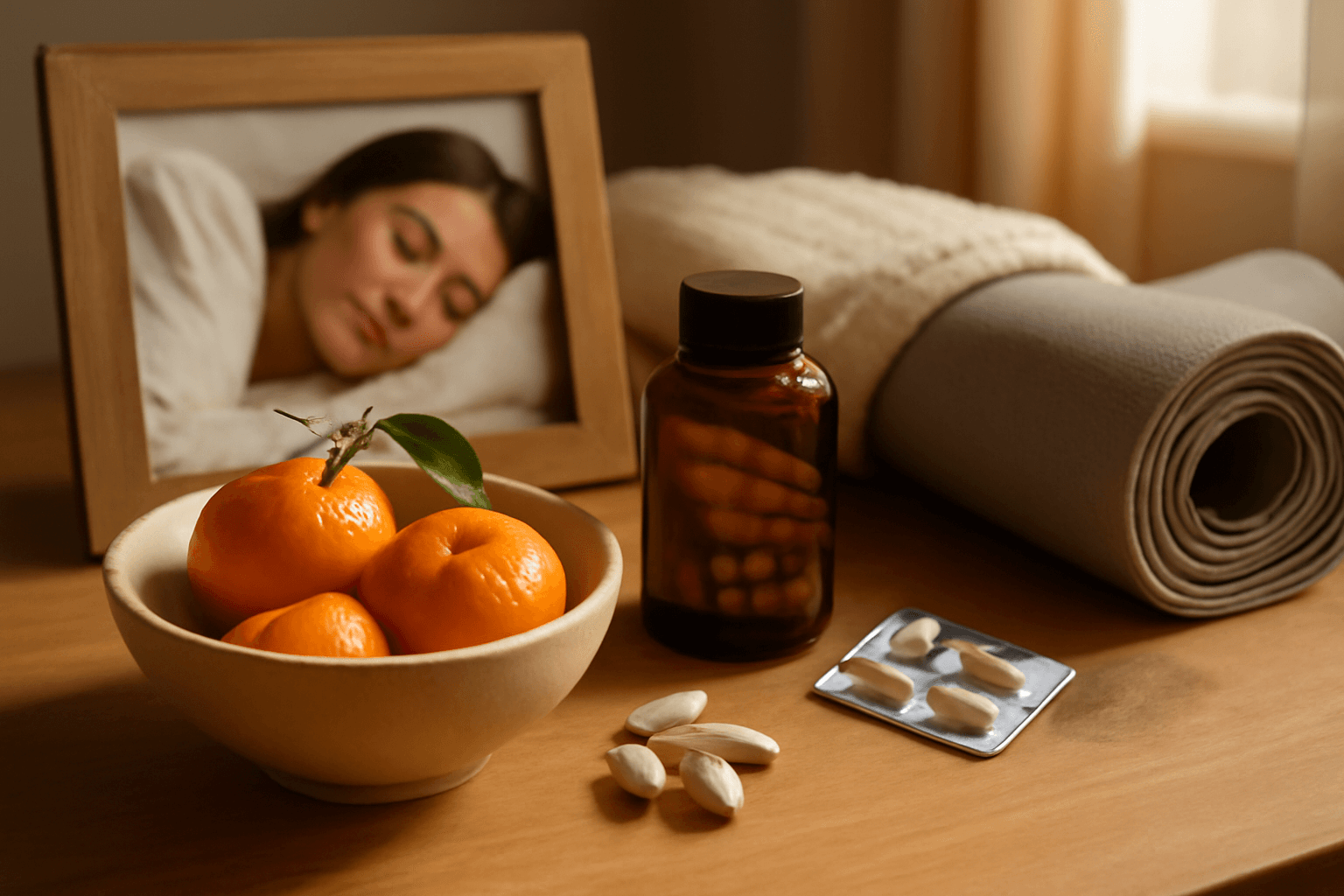
Winter is a time when our bodies and minds become most vulnerable due to cold weather, low humidity, and limited sun exposure. Our immune systems weaken, energy levels drop, and stress and depression tend to increase. This article introduces 4 winter wellness tips to protect the health of the entire family. Through practical and actionable methods—from nutritional supplementation to physical activity, mental health care, and improved sleep habits—you can spend winter feeling healthy and vibrant.
1. Boost Immunity with Nutrient-Rich Foods and Supplements
Winter colds and flu viruses thrive because our bodies' immune systems are affected by seasonal changes. Winter is particularly vulnerable to infections when vitamin D levels drop. Research has shown that people with vitamin D deficiency have over 40% higher risk of respiratory infections.
Vitamin D Intake Strategy: During winter, 600-800 IU of daily vitamin D is recommended, and adults over 50 need 1,000 IU or more. Since sunlight is limited, you should obtain it from natural foods like butter, salmon, eggs, and mushrooms, or consider supplements if necessary. However, excessive intake can cause toxicity, so consult with a healthcare professional before determining your dosage.
The Importance of Vitamin C and Zinc: Vitamin C is effective at promoting white blood cell production and reducing inflammation. You can get 75-90mg of daily vitamin C from oranges, kiwis, bell peppers, and broccoli. Zinc supports immune cell function and is abundant in oysters, beef, cashews, and chickpeas. Research shows that people who took zinc at the first sign of a cold shortened their symptom duration by an average of 33%.
Superfood Applications: Winter seasonal foods like pears, radishes, ginger, and honey have anti-inflammatory and antibacterial properties. Drinking warm water mixed with ginger and honey every morning, or consuming radish juice, helps maintain respiratory health. Additionally, adding berries to cereals, yogurt, and smoothies makes it easy to supplement antioxidants.
Caution: Supplement selection may vary depending on individual health conditions, current medications, and allergies. Always consult with a doctor or nutritionist before starting any new supplements.
2. Stay Active Indoors and Outdoors
Cold weather is a major reason people reduce physical activity. However, regular exercise is the most effective way to prevent winter energy slumps and strengthen immunity. Doing 150 minutes of moderate-intensity exercise per week (brisk walking, cycling) or 75 minutes of high-intensity exercise (running, jump rope) can reduce infection risk by over 40%.
Benefits of Outdoor Activity: Even brief sun exposure increases serotonin production, which helps improve mood and boost energy. A 30-minute outdoor walk during lunch, weekend hiking, or winter sports like skiing or sledding are beneficial for both physical and mental health. If outdoor activity is difficult in winter weather, simply increasing walking distance or visiting a park in warm clothing can be effective.
Indoor Exercise Routines: On rainy or extremely cold days, exercises you can do at home are essential. Yoga is particularly effective for winter stress management and sleep improvement. Practicing Hatha or flow yoga 3-4 times per week for 20-30 minutes can reduce cortisol (stress hormone) levels by 25%. Pilates, dancing, and HIIT (High-Intensity Interval Training) videos are also easy to follow in your living room.
Activities with Family: Visiting indoor sports centers, swimming, badminton, and bowling benefit not only physical health but also strengthen family bonds. For children, there are fun options like indoor ski slopes, roller skating, and dance classes. Resting together as a family with warm tea after exercise is also an important part of winter wellness.
3. Prioritize Mental Health
Seasonal Affective Disorder (SAD) is a real health issue affecting 10-20% of the population during winter. Increased melatonin and decreased serotonin due to reduced sunlight cause symptoms like depression, fatigue, overeating, and excessive sleep. In particular, research shows that poor stress management triples the risk of catching a cold or flu.
Light Therapy Application: Exposure to medical lighting (10,000 lux) for 20-30 minutes every morning can alleviate seasonal depression symptoms by 60-80%. This adjusts the brain's circadian rhythm and promotes serotonin production. Doing stretching or meditation in front of bright lighting right after waking provides additional benefits.
Mindfulness and Meditation: Daily 10-15 minute meditation or mindfulness exercises reduce cortisol, the stress hormone, by 30%. Diaphragmatic breathing (slowly inhaling while expanding the abdomen and exhaling) activates the parasympathetic nervous system, putting the body into a relaxed state. Apps like Headspace, Calm, or meditation apps make it easy for beginners to start.
Social Connection and Community Activities: Isolation from indoor living during winter worsens mental health. Regular social interactions such as weekly friend gatherings, religious activities, volunteering, and online community participation alleviate loneliness and reduce stress. Research shows that socially active people are 50% less likely to catch a cold.
Hobbies and Creative Activities: During winter, creative activities like reading, drawing, practicing instruments, sewing, and cooking strengthen mental health. These activities stimulate the brain's reward center, naturally releasing dopamine and increasing a sense of accomplishment.
Caution: If you experience severe depression, anxiety, or thoughts of self-harm, seek help from a mental health professional or counselor immediately. Seasonal Affective Disorder is a clinical condition requiring medical treatment.
4. Maintain a Consistent Sleep Schedule
Winter sleep is key to strengthening immunity and managing energy. Shortened daylight hours can disrupt your circadian rhythm and make sleep patterns irregular. Adequate sleep is not only about recovering from fatigue but is essential for generating and activating immune cells (T cells and B cells). Research shows that sustained sleep of less than 6 hours quadruples infection risk.
Adequate Sleep Time and Regular Schedule: Adults need 7-9 hours of quality sleep daily. The most important factor is consistency—sleeping and waking at the same time every day. If you go to bed at 10 p.m. and wake at 6 a.m. every day, including weekends, your body clock will stabilize and you'll achieve deeper sleep. You should also avoid sleeping in on weekends.
Sleep Environment Optimization: Ideal bedroom temperature is 16-19°C (60-66°F). Excessive heating in winter disrupts sleep, so regulate temperature with warm blankets or sleep clothes while keeping room temperature low. Complete darkness (using blackout curtains or a sleep mask) and noise elimination (white noise machine or earplugs) improve sleep quality by 30%. Use your bed only for sleep and keep televisions and smartphones out of the bedroom.
Pre-Sleep Routine: One hour before bed, blue light blocking (stopping phone and computer use) is essential. Blue light suppresses melatonin, the sleep hormone. Instead, drink warm milk or chamomile tea, do relaxation exercises (stretching or progressive muscle relaxation), or read lightly. Having the whole family set and prepare for a common bedtime makes it easier to maintain consistency.
Naps and Sleep Recovery: During severe winter fatigue, short naps of 20-30 minutes effectively restore energy. However, naps after 3 p.m. interfere with nighttime sleep, so avoid them. For children, afternoon naps lasting 30 minutes to 1 hour (1-3 p.m.) improve learning ability and behavioral control.
Caffeine and Alcohol Management: Since caffeine remains in your system for 5-6 hours after consumption, avoid coffee after 2 p.m. Although alcohol causes drowsiness, it disrupts REM sleep and worsens sleep quality. It's also important to finish substantial meals three hours before bed.
Caution: If you have chronic insomnia, seek medical evaluation. Sleep medication may be necessary in some cases, and cognitive behavioral therapy for insomnia (CBT-I) is also very effective.
Summary: Winter Wellness Action Plan
Nutrition Management: Set daily intake targets for vitamin D (600-1,000 IU), vitamin C (75-90mg), and zinc (8-11mg). Prioritize natural foods using seasonal products (pears, radishes, ginger, berries).
Physical Activity: Implement 150 minutes of moderate-intensity exercise or 75 minutes of high-intensity exercise per week. Combine outdoor activities (walking, hiking) with indoor activities (yoga, pilates) to adapt to seasonal weather. Motivation comes from doing activities together as a family.
Mental Health: 20-30 minutes of morning light therapy, 10-15 minutes of daily meditation, and scheduling weekly social activities. Promote dopamine release through hobbies and creative activities.
Sleep Management: Sleep and wake at the same time every day (consistency is most important). Keep bedroom temperature at 16-19°C with complete darkness. Block blue light and practice relaxation routines one hour before bed. Target 7-9 hours of sleep.
- Week One: Fix sleep schedule + start morning walks + choose supplements
- Week Two: Add indoor exercise routine + download meditation app
- Week Three: Plan family activities + improve sleep environment
- Week Four: Integrate all elements + evaluate progress and adjust
Winter is a challenge, but if your entire family implements the 4 strategies above together, you can create a healthy and vibrant season. Start with small changes and gradually build them into habits, but prioritize sustainability over perfection. If you have special health conditions or diseases, be sure to consult with healthcare professionals to develop a customized plan.