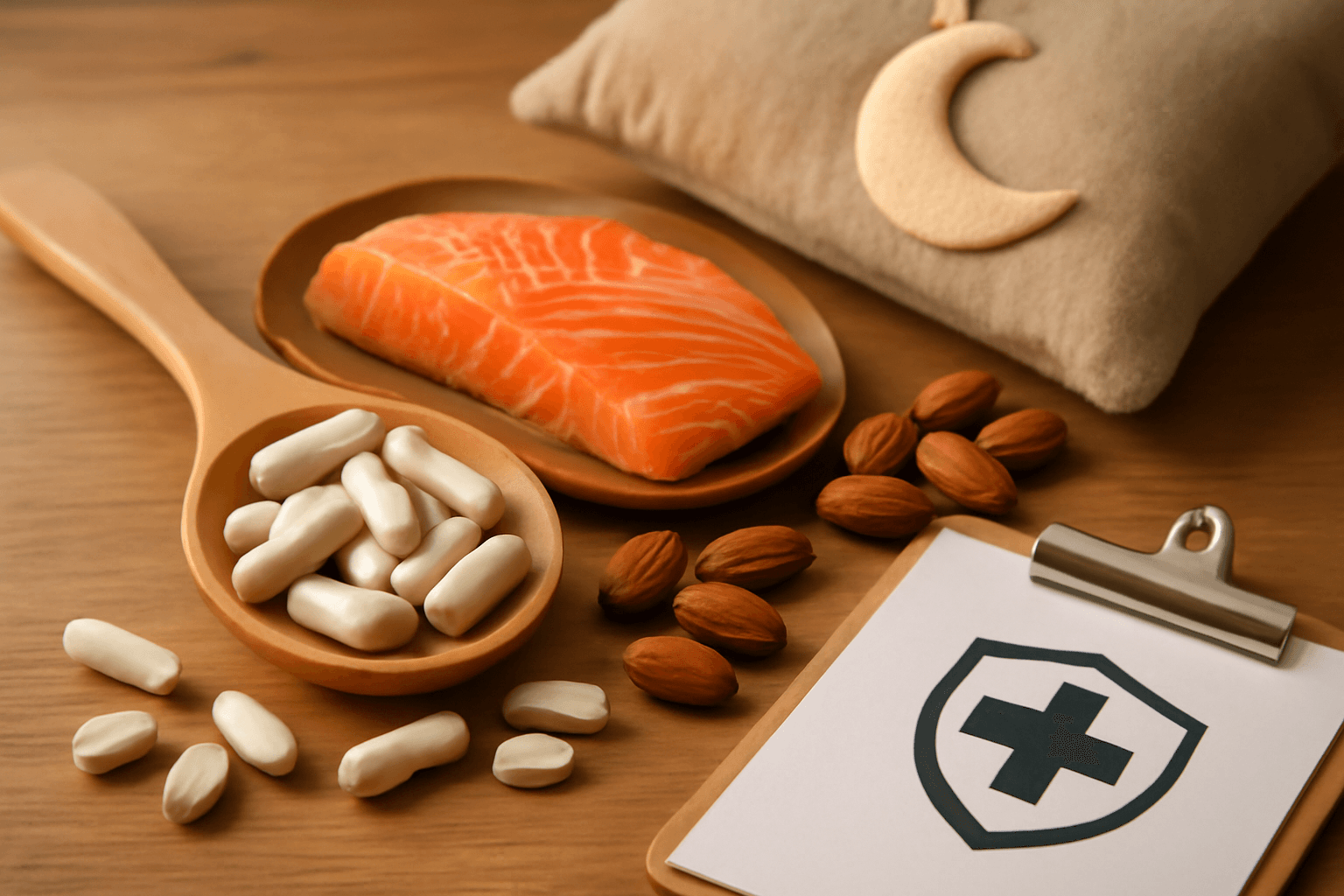
The self-care routines practiced by women's wellness experts go far beyond simple lifestyle habits—they're systematic, science-based health management strategies. From morning yoga and green tea to balanced nutrition and evening relaxation routines, they maintain bodily homeostasis and strengthen immunity over a 24-hour cycle through strategic approaches. This article breaks down protein, sleep, and blood sugar management—areas that require particular attention for women experiencing significant hormonal fluctuations—along with practical routines for boosting immunity.
Early Morning: A Time for Physical Activation and Mental Stability
Starting Your Day with the Five Tibetan Rites
The first step in the morning routine emphasized by women's wellness experts is the Five Tibetan Rites. These five movements are repeated five times each and take approximately 15-20 minutes. The first movement involves spinal rotation around the central axis, stimulating digestive organs, while the second strengthens targeted muscle groups. The third through fifth movements promote spinal alignment, core strengthening, and full-body blood circulation.
The greatest advantage of this yoga practice is its promotion of hormone secretion. It's particularly effective for women in balancing thyroid hormones and sex hormones. Practicing this routine every morning activates metabolism and maintains high energy levels throughout the morning. It also stimulates the parasympathetic nervous system, providing mental stability before starting your day.
The Role of Antioxidant-Rich Green Tea
The green tea consumed after morning yoga is more than just a beverage. Catechins found in green tea are antioxidants that prevent cellular damage and suppress inflammatory responses. According to research, consuming 2-3 cups of green tea daily reduces the risk of cardiovascular disease by 12-17%.
The L-theanine in green tea works alongside caffeine to enhance focus without causing nervousness. It's particularly effective in alleviating fatigue caused by hormonal fluctuations in women. Experts recommend drinking green tea brewed in lukewarm water (approximately 70-80°C) between 6 and 7 a.m. Catechin extraction is optimized at this temperature. Daily consumption should not exceed 3 cups.
Completing Hydration and Protection with Skincare
Morning skincare must include sunscreen application. UV rays are the leading cause of skin aging, and hormonal changes in women can intensify pigmentation. Daily use of SPF 30 or higher sunscreen reduces skin cancer risk by 40% and delays skin aging.
To maintain healthy skin, apply vitamin C serum and moisturizer after morning cleansing, then finish with sunscreen in an amount the size of your fingertip (about the size of a coin) spread across your entire face. Sunscreen is most effective when applied 15 minutes before going outside, and reapplication every 2 hours is recommended. For women with sensitive skin, checking ingredients and selecting products suited to your skin type is particularly important.
Weekday Nutrition Management: Breakfast and Lunch
Protein-Centered Breakfast for Blood Sugar Stability
The most emphasized aspect by women's wellness experts is adequate protein intake at breakfast. Daily protein requirements are 1.2-1.6g per kilogram of body weight, and dividing this across three meals means 25-35g of protein per meal is necessary.
A protein-rich breakfast prevents blood sugar spikes. When blood sugar rises sharply, excessive insulin is released, causing fatigue and concentration lapses around 10-11 a.m. Consuming 2 eggs (12g protein), 150ml of Greek yogurt (15g protein), and 1 slice of whole grain toast with 1 tablespoon of almond butter (4g protein) provides approximately 31g of protein.
Breakfast should be consumed within one hour of waking. This promotes metabolism and maintains stable energy levels throughout the day. Research shows that women who skip breakfast have a 4.5 times higher obesity risk and more than double the risk of blood sugar regulation disorders compared to those who eat breakfast.
Five Composition Principles for Lunch
Lunch is the most important meal of the day. Experts recommend the following composition: ① Protein (grilled fish, chicken breast, or tofu, approximately 150g), ② Complex carbohydrates (brown rice, sweet potato, or oats, approximately 150g), ③ Fiber (broccoli, spinach, or carrots, approximately 200g), ④ Healthy fats (olive oil, avocado, or nuts), ⑤ Fermented foods (kimchi, miso soup, or yogurt).
This composition's characteristic is its inclusion of probiotics that support microbial diversity. Intestinal microbiota balance accounts for 70% of immunity. Lactic acid bacteria in fermented foods strengthen the intestinal lining and inhibit harmful bacterial growth. A light 30-minute walk after lunch reduces post-meal blood sugar elevation by 22%.
Mid-Afternoon Snacking Strategy
To prevent energy dips in mid-afternoon, experts recommend a snack around 3 p.m. A combination of 150ml Greek yogurt and a handful of berries (approximately 80g), or 1 egg with 3 whole grain crackers, is effective. This provides approximately 200-250 calories, supplying stable energy without interfering with dinner.
Anthocyanins in berries are powerful antioxidants; consuming 50-100g daily provides anti-inflammatory benefits. Research shows it reduces premenstrual syndrome (PMS) symptoms by 30% in women. Maintaining consistent snacking times allows your body to predict energy rhythms and metabolize more efficiently.
Evening Self-Care: Meals and Relaxation Routines
Dinner Rich in Magnesium and Calcium
Dinner is a crucial factor determining sleep quality. Magnesium intake is particularly important as it calms the nervous system and relieves muscle tension. Adult women need 310mg of magnesium daily, achievable through 100g spinach (approximately 79mg), 30g pumpkin seeds (approximately 151mg), and 150g black beans (approximately 120mg) consumed together.
The ideal calcium-to-magnesium ratio is 2:1. Without this balance, continued nervous system excitation leads to insomnia. Combinations like 200ml milk (220mg calcium) with 30g almonds (76mg magnesium), or 150ml yogurt (180mg calcium) with whole grain cereal are effective.
Dinner should be completed three hours before bed. Eating late causes acid reflux and disrupts sleep. Avoid caffeine, fatty foods, and spicy or irritating foods after 6 p.m. Dinner calories should be maintained at approximately 60% of breakfast intake.
Vitamin D and Melatonin Management for Quality Sleep
Vitamin D is essential for improving sleep quality. It promotes serotonin synthesis in the brain, which converts to melatonin in the evening, inducing sound sleep. Daily vitamin D requirements are 600-800IU, obtainable from fatty fish (approximately 450IU per 100g salmon), egg yolks (approximately 40IU per egg), and milk (approximately 100-200IU per 200ml).
Sun exposure is essential for enhancing vitamin D absorption. 15-30 minutes of daily unprotected sun exposure generates 80-90% of required vitamin D. However, during winter or in areas with weak UV rays, supplementation may be necessary; this should be determined after consulting a healthcare professional.
To promote natural melatonin secretion for better sleep, limit screen exposure after 9 p.m. Blue light suppresses melatonin secretion, and one hour of screen exposure decreases melatonin by 23%. Discontinue smartphone, tablet, and computer use at least 30 minutes before sleep.
Evening Relaxation Routines and Stress Management
Evening relaxation routines transition the nervous system to parasympathetic dominance. Expert-recommended routines include: a warm bath (approximately 20 minutes), aromatherapy (lavender or chamomile), meditation or breathing exercises (5-10 minutes), and gentle stretching.
A warm bath signals sleep to your body by raising and then lowering core temperature. The ideal bath water temperature is 37-39°C; bathing for 20 minutes at this temperature accumulates adenosine, a sleep-promoting substance. Adding 2 cups of Epsom salt (magnesium sulfate) to bathwater increases magnesium absorption through the skin, enhancing muscle relaxation effects.
Meditation and breathing exercises reduce cortisol (stress hormone) levels. Research shows 10 minutes of daily meditation decreases cortisol by 16%. The 4-7-8 breathing technique (inhale for 4 seconds, hold for 7 seconds, exhale for 8 seconds) rapidly calms the nervous system. Daily evening practice yields combined benefits of reduced anxiety, improved sleep quality, and enhanced immunity.
Sleep Environment Optimization
Creating an optimal sleep environment is also important. Bedroom temperature should be 16-19°C for the highest likelihood of quality sleep. Complete darkness (0 lux) is ideal; any exposed lighting reduces melatonin secretion by over 50%. Black curtains or sleep masks are effective solutions.
Noise also affects sleep quality. Sounds above 30 decibels prevent entering deep sleep stages. White noise machines or meditation music (50-60 decibels) can mask background noise, particularly effective for women living in urban areas. Choose breathable cotton or bamboo bedding, and wash weekly at temperatures above 60°C to eliminate dust mites and microbes.
Integrated Strategies for Immune Strengthening
The Role of Probiotics and Prebiotics
Seventy percent of immunity is determined in the gut. Probiotics supply beneficial microorganisms, while prebiotics serve as their food, sustaining the microbial ecosystem. Consuming both probiotic foods (yogurt, kimchi, miso, kombucha) and prebiotic foods (bananas, garlic, onions, oats) together is important.
According to research, regular probiotic consumption reduces cold incidence by 42% and antibiotic-related infections by 60%. For women, vaginal infections and urinary tract infection rates also decrease by 30%. Daily consumption of 10-100 billion CFU (colony-forming units) of probiotics is recommended, with natural fermented food sources being most effective.
Antioxidants and Inflammation Management
Antioxidants prevent cellular damage from free radicals and suppress inflammatory responses. Major antioxidant compounds include polyphenols (berries, chocolate, tea), carotenoids (carrots, tomatoes, spinach), and vitamin E (nuts, seeds). Daily total antioxidant capacity (ORAC) target is 3,000-5,000 units, achievable through 150g blueberries, 30g dark chocolate, and 2 cups of green tea.
Managing inflammation is essential as it's the root cause of chronic diseases. Women should particularly avoid inflammation-triggering foods: refined carbohydrates (white rice, white flour), deep-fried foods, and highly processed foods. Consuming these increases blood C-reactive protein (inflammation marker) by 40%. Reducing inflammatory foods and increasing anti-inflammatory foods (omega-3 from oily fish, olive oil) normalizes inflammation levels within three months.
Summary: Essential Checklist for Women's Wellness
Morning Routine: Five Tibetan Rites yoga 15 minutes → 1 cup green tea → UV-protective skincare
Nutrition Management: 25-35g protein per meal, include fermented foods, secure 3,000-5,000 daily ORAC antioxidant capacity
Sleep Strategy: No caffeine after 6 p.m., complete meals 3 hours before bed, avoid screens 30 minutes before sleep, maintain bedroom temperature of 16-19°C
Immune Enhancement: Daily 10-100 billion CFU probiotic consumption, secure 310mg magnesium and 600-800IU vitamin D
Relaxation Routine: 20-minute evening bath, 5-10 minutes meditation or breathing exercises, gentle stretching
Medical Considerations: Diet and exercise intensity may vary based on individual health status, medications, and allergies. Consultation with a doctor or nutritionist is essential before starting routines, particularly for those with thyroid disease, autoimmune conditions, or undergoing hormone therapy. Additionally, vitamin D and magnesium supplements can cause adverse effects if over-consumed, so dosage must be determined under professional guidance.