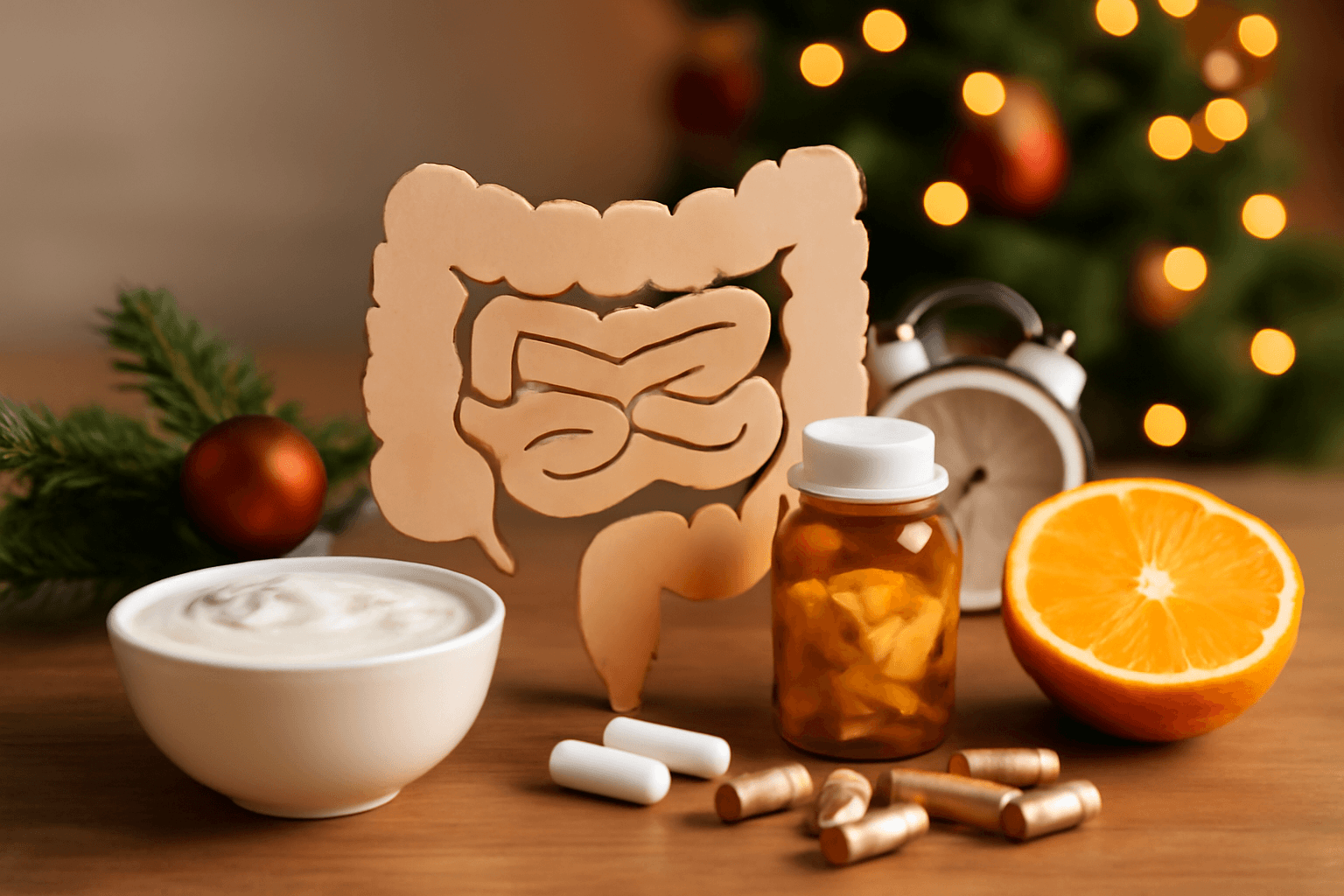
The end-of-year season puts considerable strain on your digestive system due to year-end parties, gatherings, and holiday foods. Irregular meal times, overeating, and frequent alcohol consumption disrupt the balance of gut microbiota and impair digestive function. This leads to decreased energy, worsened sleep quality, and reduced immunity, creating a vicious cycle of increased vulnerability to colds and infectious diseases. Fortunately, through proper eating habits, effective supplements, and lifestyle improvements, you can quickly restore gut health and protect your winter wellness. This article will introduce science-based methods to promote gut health in detail.
The Role of Gut Microbiota and End-of-Year Changes
Your gut is home to approximately 37 trillion microorganisms, which are not merely bacteria but serve as your body's second brain. The gut microbiota handles 70% of digestive function and produces 90% of serotonin, directly affecting mood, sleep, and stress regulation. Additionally, 70% of your immune system is concentrated in your gut, so higher gut microbial diversity increases resistance to infectious diseases.
During the end-of-year season, irregular eating and overeating rapidly destroy this delicate balance. When high-fat food intake increases, beneficial bacteria decrease while harmful bacteria like Clostridium proliferate. According to one study, just 3 days of a high-fat diet can reduce gut microbial diversity by 15-20%. These changes manifest as increased gas production, abdominal bloating, constipation or diarrhea, while simultaneously increasing intestinal barrier permeability and causing excessive immune responses.
Particularly noteworthy is that changes in gut microbiota immediately affect the nervous system. Through the vagus nerve, signals are transmitted from the gut to the brain, so gut microbial imbalance compounds end-of-year stress and accelerates anxiety, fatigue, and reduced concentration. Therefore, restoring gut health is an essential process that goes beyond merely improving digestion to recover overall body energy and mental health.
How to Choose Supplements for Gut Health
Probiotics are the most well-known gut health supplements, but they must be chosen correctly to be effective. Many commercial probiotics are destroyed by stomach acid or fail to reach the colon. Effective products should contain at least 50 billion CFU (colony forming units) and include 2-3 clinically proven bacterial strains such as Lactobacillus and Bifidobacterium. Products with enteric coating technology are particularly beneficial, as they resist stomach acid and release in the small intestine, improving survival rates by over 70%.
Glutamine is a primary energy source for intestinal epithelial cells and is essential for repairing damaged intestinal barriers. For gut mucosa damaged by end-of-year overeating, supplementing 5-10g of glutamine daily is effective. Since glutamine is an amino acid, absorption is highest when taken on an empty stomach. According to one study, 4 weeks of glutamine supplementation improved intestinal barrier permeability by 30% and reduced abdominal bloating and digestive discomfort.
Collagen peptides strengthen the connective tissue that makes up the intestinal barrier. Collagen, which possesses both hydrophobic and hydrophilic properties, stabilizes intestinal tight junctions and helps improve symptoms in inflammatory bowel disease patients. Taking 10-15g of collagen peptides daily mixed in warm water on an empty stomach in the morning optimizes absorption. Results typically appear after 2-3 weeks, so consistent intake is important.
When medical consultation is necessary: If you are currently taking medications or have inflammatory bowel disease or immune disorders, consult your doctor before taking supplements. Probiotics in particular can cause adverse effects in those taking immunosuppressants.
Practical Methods to Promote Gut Health
First is restoring meal time regularity. When returning to normal life after the end-of-year season, spend at least 3 days rebuilding a routine of eating small meals three times at set times. Eating at consistent times allows your gut to recover its circadian rhythm and normalizes digestive enzyme secretion. Consuming smaller amounts regularly is much more effective for stabilizing gut microbiota than consuming large random amounts.
Second is increasing water intake. To promote peristalsis, you should consume 2-3 liters of water daily. Especially when increasing dietary fiber intake, adequate water consumption must accompany it, or you may actually worsen constipation. A glass of warm water on an empty stomach in the morning stimulates digestive juices depleted overnight and awakens intestinal activity.
Third is stress management. Psychological stress immediately affects intestinal movement. When cortisol, the stress hormone, increases, intestinal inflammation rises and gut microbial diversity decreases. To recover from end-of-year stress, practicing 10-15 minutes of diaphragmatic breathing or meditation daily activates the parasympathetic nervous system, improving digestive function.
Fourth is improving sleep. The gut and brain move together according to the sleep-wake cycle. Sound sleep between 10 p.m. and 2 a.m. promotes growth hormone secretion, accelerating repair of damaged intestinal mucosa. For at least one week after the end-of-year season, maintain a sleep routine of going to bed and waking at the same time daily. When sleep improves, the immune system stabilizes and resistance to cold viruses increases by over 30%.
Best Foods for Gut Health
Fermented foods: Kimchi, yogurt, doenjang (soybean paste), and tempeh directly supply living microorganisms. Unpasteurized fermented foods contain the most active microorganisms. Kimchi, consumed daily in Korean cuisine, contains an average of 1 million lactic acid bacteria per 100g, and the spicy compound capsaicin reduces intestinal inflammation.
High-fiber foods: Oats, barley, whole grains, flaxseed, and chia seeds are food (prebiotics) for beneficial gut bacteria. Soluble dietary fiber ferments in the colon to produce short-chain fatty acids (butyrate), a primary energy source for intestinal mucosa. Research shows that consuming 30g of dietary fiber daily increases gut microbial diversity by over 40%.
Collagen-rich foods: Collagen and gelatin found in bone broth, chicken breast skin, and fish skin strengthen the intestinal barrier. Bone broth in particular contains all essential amino acids for gut health: glutamine, glycine, and proline. Consuming warm bone broth 3-4 times weekly noticeably improves intestinal recovery.
Antioxidant foods: Berries (blueberries, blackberries), spinach, broccoli, and carrots contain powerful antioxidants that reduce intestinal inflammation. Polyphenol compounds promote beneficial bacteria proliferation. Particularly, anthocyanins in berries inhibit pathogenic bacteria growth while selectively increasing beneficial bacteria.
Foods to avoid: During the recovery period after the end-of-year season, minimize highly processed foods, excessive sugar, and repeatedly reheated oil-based foods. These foods rapidly decrease gut microbial diversity and promote inflammation-causing bacteria.
The Importance of Chewing Food Thoroughly and Slowly
Chewing is not merely a mechanical process. Thorough chewing starting in the mouth increases food surface area 20-30 times, allowing digestive enzymes to work more efficiently. Additionally, the act of chewing itself transmits nerve signals to the brain conveying satiety, so sufficient chewing automatically reduces consumption.
According to one study, people who spent at least 30 minutes eating one meal experienced 60% less digestive discomfort than those who ate in 10 minutes. When you chew thoroughly, food reaching the stomach is already partially digested, greatly reducing the burden on the stomach and small intestine. Especially during post-end-of-year recovery, consciously chew at least 25-30 times per bite.
Another benefit is increased saliva secretion. Adequate chewing stimulates saliva secretion containing amylase, a digestive enzyme. Most people have reduced saliva secretion to about 50% of normal due to modern eating habits. Consciously increasing chewing normalizes saliva secretion, rapidly improving digestive discomfort.
As a practical tip, for at least 2 weeks after the end-of-year season, cut side dishes into smaller sizes and eat only one spoonful of rice per bite. This automatically increases chewing frequency and provides the 20-minute time your brain needs to register fullness.
Summary: Key Points for Post-End-of-Year Gut Health Recovery
Three things to implement immediately:
- Starting today, eat small portions three times at set times (restoring gut circadian rhythm)
- Consume 2.5 liters or more of water daily (promoting intestinal peristalsis)
- Eat each meal slowly for at least 30 minutes, chewing 30 or more times (reducing digestive burden)
What to add within one week:
- Consume 1-2 fermented foods daily (supplying beneficial bacteria)
- Increase daily dietary fiber intake to 20g or more (feeding beneficial bacteria)
- Practice 10-15 minutes of diaphragmatic breathing or meditation daily (reducing stress)
What to add from week 2:
- Start probiotics, glutamine, and collagen supplements (repairing damaged intestinal barrier)
- Secure 7-8 hours of sleep at the same time nightly (regenerating intestinal epithelial cells)
- Consume bone broth or fermented foods 3 or more times weekly (providing nutrition)
Gut health damaged after the end-of-year season can recover quickly. The most important thing is not what to eat more of, but how to consume slowly, regularly, and in small amounts. Consistently following the methods mentioned above for 2 weeks will improve digestive function, restore energy, and enhance sleep quality.
Disclaimer: This information is for educational purposes. Suitable methods vary depending on individual health status and underlying conditions. Especially if you have digestive disorders, immune diseases, or are taking medications, you must consult a healthcare professional before implementing these recommendations. Excessive supplement consumption can actually harm gut health, so it is safest to determine personalized dosages under medical guidance.

