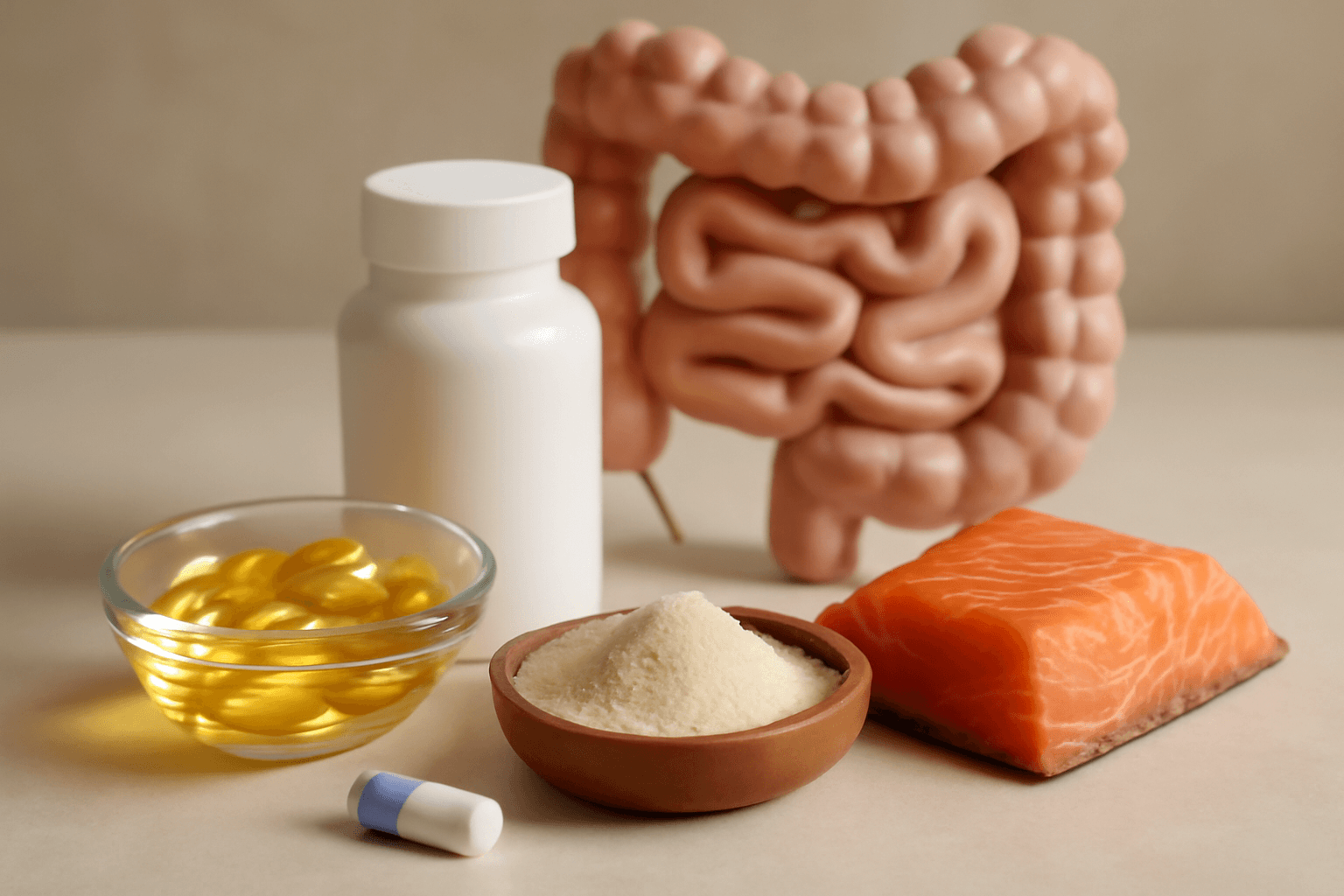
Gut health is the foundation of overall body health. When digestive function declines, it leads to poor nutrient absorption, weakened immunity, and lack of energy. Two ingredients that have recently gained attention in health science are zinc and L-carnosine. While these two ingredients individually possess excellent benefits, when combined they create synergistic effects in protecting the intestinal mucosa, enhancing digestive efficiency, providing antioxidant action, and strengthening the immune system. They are particularly effective in improving intestinal damage caused by stress, irregular eating habits, and chronic inflammation that modern people experience.
L-Carnosine: A Pioneer in Cell Protection
L-carnosine is a dipeptide compound formed by combining two amino acids: beta-alanine and histidine. This ingredient exists at high concentrations primarily in muscle and brain tissue, and plays an important role in maintaining the health of epithelial cells within the gastrointestinal tract.
The most notable function of L-carnosine is its powerful antioxidant action. Research has shown that its ability to protect cells from reactive oxygen species (ROS) is superior to known vitamin E and catechin. Reactive oxygen species continuously generated in our body's mitochondria cause DNA damage, protein denaturation, and cell death, and L-carnosine directly neutralizes this oxidative stress.
Improving Digestive Function and Protein Absorption
When L-carnosine concentration in the intestines decreases, digestive efficiency drops sharply. As people age, the body's synthesis of L-carnosine decreases, which leads to increased intestinal permeability (leaky gut phenomenon) and reduced protein absorption rates. Animal experiments and human studies have reported data showing that L-carnosine supplementation improves nutrient absorption capacity in the small intestine by approximately 15-25%.
L-carnosine also participates in regulating gastric acid secretion to maintain an appropriate pH environment. This ensures optimal activity of protein-digesting enzymes like protease and pepsin, maximizing the efficiency of breaking down consumed protein into minute amino acids. As a result, a positive feedback loop forms that stabilizes blood sugar fluctuations and promotes energy generation.
Anti-inflammatory Action and Intestinal Mucosa Regeneration
Clinical observations show that L-carnosine concentrations are significantly lower in the blood plasma of patients with inflammatory bowel diseases like Crohn's disease and ulcerative colitis. This suggests that L-carnosine is essential for alleviating intestinal mucosal inflammation. In animal model experiments, the group administered L-carnosine showed a 30-40% reduction in cytokine (inflammatory substance) production in intestinal tissue compared to the control group.
The regeneration and recovery speed of intestinal epithelial cells is another important area affected by L-carnosine. Normal intestinal epithelial cells are completely replaced every 3-5 days, but when this regeneration cycle is delayed due to stress or inflammation, nutrient absorption disorders occur. L-carnosine's antioxidant and anti-inflammatory action promotes growth factor signaling, normalizing the regeneration rate.
Stress Management and Nervous System Stabilization
The concept of the gut-brain axis has recently become important in neuroscience and gastroenterology. When cortisol, a stress hormone, increases, the intestine's flexible motility decreases and digestive mucosa blood flow diminishes, causing neurogenic inflammation. L-carnosine exists at high concentrations in the brain and spinal cord, and by supporting GABA neurotransmission, it alleviates anxiety and activates the parasympathetic nervous system. Consequently, digestive function is optimized and intestinal motility improves under parasympathetic dominance.
The Combination of Zinc and L-Carnosine: Zinc L-Carnosine
Zinc L-carnosine (ZLC) is a special compound in which zinc ions (Zn2+) form a chelate complex with L-carnosine. This form is designed to overcome the limitations of individual ingredients and maximize synergistic effects. Developed in Japan and actively undergoing clinical research since 2012, it is currently approved as a health supplement or pharmaceutical product in several countries.
Strengthening the Intestinal Mucosa and Building a Defense System
The mucus layer and tight junctions on the surface of intestinal epithelial tissue are the body's largest immune defense line. When this structure is damaged, a "leaky gut" phenomenon occurs where pathogens and toxins invade the bloodstream. Zinc directly regulates the expression of tight junction proteins occludin and claudin, while L-carnosine removes oxidative stress around these proteins to maintain structural stability.
According to clinical studies, after 2 weeks of zinc L-carnosine administration, the lactulose-mannitol ratio measuring intestinal permeability showed a 35-50% improvement compared to the control group. This indicates that intestinal defense function was meaningfully strengthened. Additionally, zinc stimulates mucin production to thicken the mucus layer, protecting intestinal epithelial cells from direct damage.
Promoting Immunoglobulin and Antibody Production
Gut-associated lymphoid tissue (GALT) is the largest immune organ with approximately 70% of the body's immune cells concentrated in it. Zinc is an essential mineral for T cell differentiation, B cell activation, and antibody production. Epidemiological studies show that deficiency increases infection susceptibility by more than 3-fold.
Zinc L-carnosine maximizes zinc absorption efficiency. While general zinc supplements show 20-30% bioavailability, the chelate-bonded form with L-carnosine exhibits 50-70% absorption rate. This is because L-carnosine protects zinc ions from damage in acidic environments and promotes active transport in the small intestine. Consequently, adequate immune-enhancing effects can be achieved with smaller doses.
Particularly noteworthy is its effect on promoting IgA (secretory immunoglobulin A) production. IgA is secreted into the intestinal lumen and exists alongside the mucus layer on the intestinal epithelial surface, playing a primary defense role in blocking pathogen attachment. In animal model experiments, intestinal IgA concentration increased by approximately 20-30% after zinc L-carnosine administration, and consequently, the infection rate with pathogenic bacteria decreased significantly.
Blood Sugar Stabilization and Energy Metabolism Optimization
Type 2 diabetes and metabolic syndrome patients show more severe intestinal mucosal damage than the general population. When blood sugar is unstable, oxidative stress in intestinal epithelial cells increases, which in turn creates a vicious cycle that worsens insulin resistance. Zinc L-carnosine works through two mechanisms to break this cycle.
First, L-carnosine's antioxidant action prevents damage to β cells (insulin-producing cells). Pancreatic β cells are highly vulnerable to reactive oxygen species, and the antioxidant protection provided by L-carnosine maintains insulin secretion capacity. Second, zinc is an essential mineral for insulin storage and secretion; deficiency causes delayed insulin secretion and blood sugar spikes. According to metabolic research, after 8 weeks of zinc L-carnosine administration, fasting blood glucose decreased by an average of 12-18 mg/dL, and hemoglobin A1c (HbA1c) improved by 0.4-0.6%.
Energy generation is also optimized simultaneously. L-carnosine improves mitochondrial function to increase ATP production efficiency, and zinc serves as an essential cofactor for more than 300 enzymes that catalyze energy metabolism. Consequently, energy levels remain stable throughout the day, and afternoon fatigue decreases significantly.
Managing Inflammatory Bowel Disease and Alleviating Symptoms
Dysbiosis of the intestinal microbiota caused by sulfites, highly processed foods, and antibiotic overuse triggers chronic inflammation. As pathogenic bacteria and fungi proliferate in this environment, they release endotoxins that damage the intestinal mucosa. Zinc L-carnosine addresses these multilayered problems.
According to clinic data, 60 patients with ulcerative colitis were administered zinc L-carnosine (75mg three times daily) for 8 weeks, resulting in 56% reduction in abdominal pain, 48% reduction in diarrhea frequency, and 62% reduction in rectal bleeding compared to the control group. Endoscopic examination also showed an average 2.1-point improvement in mucosal inflammation index (Mayo Score), demonstrating effects similar to drug therapy.
Bioavailability and Duration of Action
One advantage of zinc L-carnosine is its prolonged efficacy. General zinc supplements reach peak blood concentration within 2-3 hours of administration and then drop quickly, but the form bonded with L-carnosine is slowly absorbed in the digestive tract, maintaining blood concentration for 6-8 hours. When divided into 2-3 doses daily, this provides sustained intestinal protection effects.
Additionally, some L-carnosine accumulates directly in intestinal epithelial cells to exert local antioxidant effects. That is, even after blood concentration drops to normal ranges, L-carnosine accumulated in intestinal tissue continues to perform protective functions. Due to these characteristics, zinc L-carnosine achieves maximum effects through continuous use of at least 4-8 weeks rather than short-term administration.
Drug Interactions and Safety Considerations
Zinc L-carnosine is generally a safe ingredient, but excessive intake can cause long-term toxicity. Long-term consumption of more than 100mg of zinc daily can result in neurological complications due to copper absorption inhibition, osteoporosis, and immune suppression. The recommended dosage range is 30-75mg daily.
Drug interactions should also be considered. Concurrent use with fluoroquinolone antibiotics, tetracycline, or disulfiram (alcohol aversion medication) may increase absorption inhibition or toxicity. Patients taking steroids in particular may experience accelerated zinc loss requiring supplementation, but dosage must always be determined after consulting with healthcare providers.
If you are pregnant, breastfeeding, have kidney or liver disease, or are taking specific medications, you must consult with a doctor or pharmacist before use.
Summary
Key Points:
- L-Carnosine: Through powerful antioxidant and anti-inflammatory action, promotes intestinal mucosa regeneration, improves protein absorption efficiency by 15-25%, and alleviates stress-related intestinal dysfunction through nervous system stabilization.
- Zinc: Regulates tight junction protein expression, promotes IgA production in the intestines, and activates more than 300 enzymes to enhance immunity and optimize metabolism.
- Zinc L-Carnosine Synergy: Maximizes zinc absorption efficiency to 50-70%, amplifies the effects of individual ingredients, and simultaneously achieves intestinal mucosa strengthening, blood sugar stabilization, inflammation relief, and energy metabolism promotion.
- Clinical Effects: 56% reduction in abdominal pain, 48% reduction in diarrhea, 62% reduction in rectal bleeding in inflammatory bowel disease patients; 35-50% improvement in intestinal permeability in the general population; 12-18 mg/dL decrease in fasting blood glucose in type 2 diabetes-related individuals.
- Optimal Duration of Administration: Maximum effects achieved through continuous use for at least 4-8 weeks; recommended dosage of 30-75mg daily.
- Medical Consultation Essential: Patients with chronic diseases, pregnant women, and those taking medications must consult with a doctor before deciding to use.
Modern people's digestive health transcends simple gastrointestinal discomfort and represents a key factor determining systemic health and immunity. The combination of zinc and L-carnosine is an effective strategy for approaching these intestinal health issues based on scientific evidence. However, since health supplements are not disease treatments, if you have chronic digestive problems or medical symptoms, the wisest approach is to first receive a diagnosis from a specialist, and when necessary, use zinc L-carnosine as a supplemental treatment under the guidance of healthcare professionals.