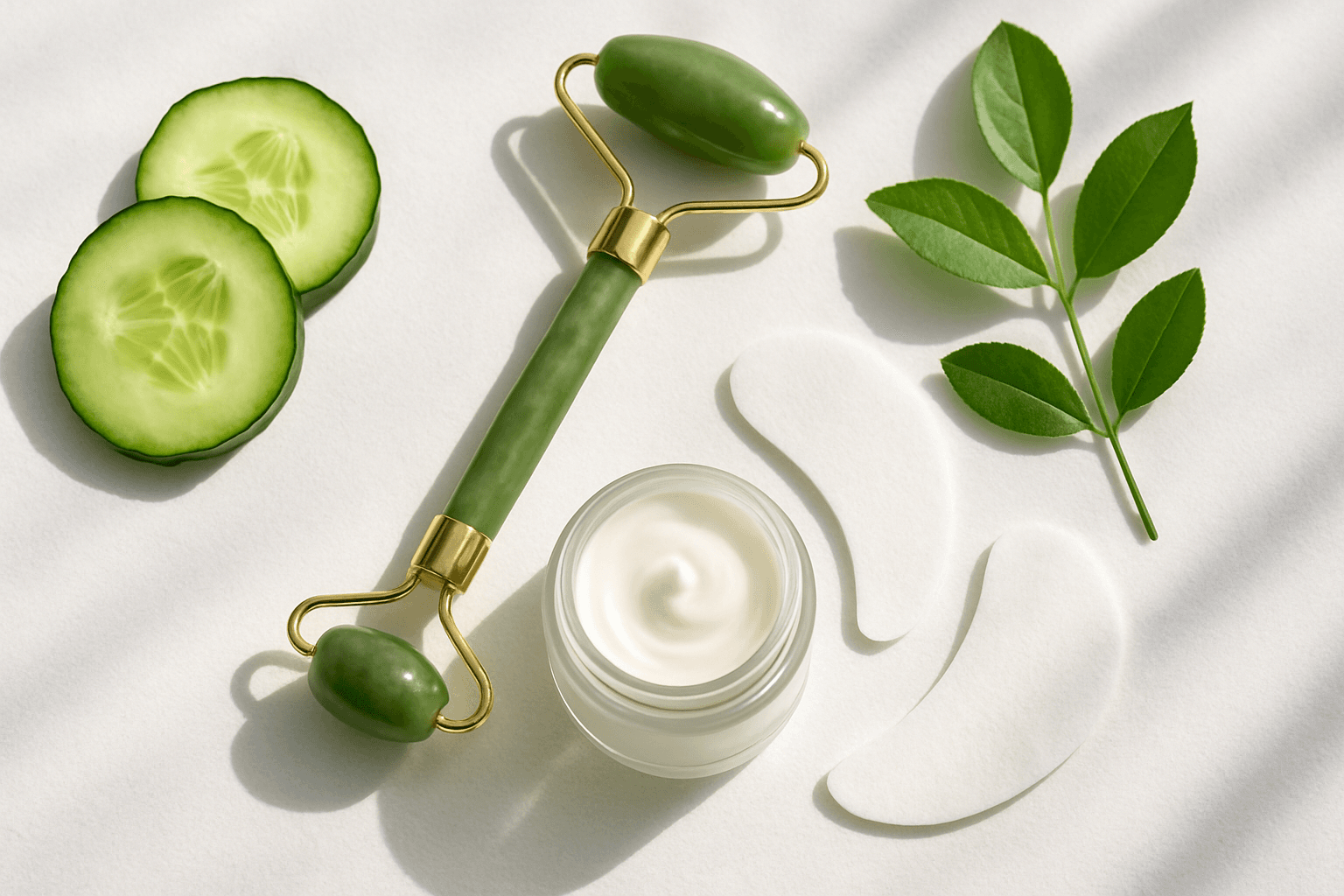
Understanding Dark Circles: Causes and Why They Occur
Dark circles under the eyes affect approximately 60% of the global population at some point in their lives, making them one of the most common aesthetic concerns. Despite their prevalence, many people struggle to understand why dark circles develop and how to treat them effectively.
Dark circles result from several physiological factors. The skin around the eyes is approximately 0.5mm (0.02 inches) thick—the thinnest on the face—making blood vessels and underlying tissue more visible. When blood pools in these delicate vessels due to poor circulation or increased visibility, it creates the characteristic dark appearance.
According to research published in the Journal of Cosmetic Dermatology, dark circles can be categorized into three types:
- Vascular dark circles: Caused by blood pooling and vessel dilation, appearing blue or purple
- Pigmentation dark circles: Resulting from excess melanin production, appearing brown or gray
- Structural dark circles: Caused by tear trough hollowing and loss of volume, creating shadows
Understanding which type you have is crucial for selecting the most effective treatment approach.
Primary Causes: Sleep, Genetics, and Lifestyle Factors
Sleep deprivation remains the leading cause of dark circles. When you sleep inadequately, blood vessels dilate to improve oxygen circulation, making them more prominent. Research from the National Institute of Health (NIH) indicates that adults who consistently get fewer than 7 hours of sleep per night show 25% more visible dark circles compared to those sleeping 8+ hours.
Genetics play a substantial role in dark circle development. If your parents had prominent dark circles, you're 70% more likely to develop them due to inherited thin skin and blood vessel structure. Ethnicity also matters—individuals with darker skin tones often experience more visible pigmentation-based dark circles due to increased melanin production in the under-eye area.
Common lifestyle factors contributing to dark circles include:
- Excessive alcohol consumption, which dehydrates skin and dilates blood vessels
- Smoking, reducing oxygen delivery to facial tissues
- High sodium intake, causing fluid retention and under-eye puffiness
- Extended screen time, straining eye muscles and reducing blinking
- Seasonal allergies, triggering histamine release and inflammation
- Aging, as collagen production decreases approximately 1% annually after age 25
Medical Conditions and When to Seek Professional Help
While most dark circles are cosmetic concerns, they can occasionally indicate underlying health issues. Dark circles paired with persistent puffiness, eye pain, or vision changes warrant consultation with a dermatologist or ophthalmologist.
Thyroid disorders frequently manifest as dark circles and under-eye puffiness. Hypothyroidism slows metabolism, reducing blood circulation and increasing fluid retention. Similarly, anemia decreases hemoglobin levels, making blood vessels appear darker due to reduced oxygen-carrying capacity.
Allergic rhinitis and chronic sinusitis can cause dark circles through inflammation and congestion. The condition creates dilated blood vessels and fluid pooling beneath the eyes. If dark circles worsen seasonally or with specific triggers, consultation with an allergist is recommended.
Chronic kidney disease occasionally presents with dark circles and puffiness due to fluid and electrolyte imbalances. If dark circles develop suddenly alongside other symptoms, seek medical evaluation.
Professional Treatments: Evidence-Based Solutions
Dermatologists offer several clinically-proven treatments for persistent dark circles. Topical retinoids remain the gold standard for reducing pigmentation-based dark circles. Products containing retinol or prescription retinoids like tretinoin increase cell turnover and collagen production. Studies show 12 weeks of consistent retinoid use reduces dark circle appearance by 40-60%.
Chemical peels effectively address pigmentation dark circles. Glycolic acid and salicylic acid peels cost between $75-$150 per session and typically require 4-6 treatments for optimal results. Professional-grade peels penetrate deeper than at-home products, showing visible improvement within 2-3 weeks.
Laser therapy targets vascular dark circles by reducing blood vessel visibility. The FDA-approved KoolLift and Fraxel lasers use fractional laser technology to tighten under-eye skin and reduce vascular prominence. Treatment costs range from $300-$800 per session, with most patients needing 3-4 sessions for significant improvement.
Dermal fillers address structural dark circles by restoring lost volume. Hyaluronic acid-based fillers like Restylane or Juvederm inject 0.5-1.0ml (0.17-0.34 fl oz) into the tear trough area, creating a smoother transition between lid and cheek. Results cost approximately $400-$600 and last 9-12 months.
Platelet-rich plasma (PRP) therapy represents an emerging treatment gaining FDA support. This regenerative medicine approach uses concentrated platelets from your own blood to stimulate collagen production and improve skin quality. Treatment costs $800-$1,200 per session with visible improvement after 4-6 weeks.
Evidence-Based Topical Ingredients for Home Care
Several scientifically-validated ingredients effectively reduce dark circles when applied topically. Vitamin C (ascorbic acid) strengthens blood vessel walls and provides antioxidant protection. Serums containing 10-20% L-ascorbic acid show 25% improvement in dark circles after 12 weeks of twice-daily application.
Caffeine constricts blood vessels and reduces puffiness. The compound increases adenosine receptors, improving microcirculation. Eye creams containing 2-5% caffeine demonstrate measurable reduction in puffiness within 15 minutes and improved dark circle appearance after 4 weeks of consistent use.
Niacinamide (Vitamin B3) strengthens the skin barrier and reduces inflammation. Research from the International Journal of Cosmetic Science shows that 4% niacinamide concentrations improve skin elasticity and reduce dark circle severity by 30-40% over 12 weeks.
Hyaluronic acid provides deep hydration, plumping the under-eye area and reducing shadow appearance. Low-molecular-weight hyaluronic acid (under 50 kDa) penetrates more effectively than larger molecules, improving skin hydration by 45% after 4 weeks.
Peptides stimulate collagen synthesis and improve skin firmness. Copper peptides and palmitoyl tripeptide-5 increase skin thickness and elasticity, addressing structural dark circles. Results typically appear after 8-12 weeks of daily application.
DIY Home Pack Recipes for Dark Circle Treatment
Natural ingredients offer evidence-backed benefits for dark circle reduction when properly formulated. Always perform patch tests 24 hours before applying to the delicate eye area.
Green Tea and Honey Eye Pack
Ingredients:
- 2 green tea bags
- 2 tablespoons raw honey
- 1 teaspoon coconut oil
- Few drops of rose water
Instructions: Steep green tea bags in hot water for 5 minutes, then squeeze out excess liquid. Mix cooled tea bags with honey, coconut oil, and rose water to form a paste. Apply to under-eye area for 15-20 minutes, 3 times weekly.
Science: Green tea contains catechins and caffeine, reducing vascular prominence and inflammation. Research shows regular green tea application reduces dark circles by 20-35% over 8 weeks.
Turmeric and Aloe Vera Pack
Ingredients:
- 1 tablespoon fresh aloe vera gel
- 1/2 teaspoon turmeric powder
- 1 teaspoon raw milk or coconut milk
- 1 drop of vitamin E oil
Instructions: Mix all ingredients until smooth. Apply gently to under-eye area, avoiding direct eye contact. Leave for 10-15 minutes, then rinse with lukewarm water. Use 2-3 times weekly.
Science: Turmeric's curcumin compound reduces melanin production and possesses anti-inflammatory properties. A study in Phytotherapy Research demonstrated 35% improvement in pigmentation-based dark circles after 6 weeks of consistent turmeric application.
Potato and Cucumber Eye Mask
Ingredients:
- 1 raw potato, finely grated
- 1 cucumber, finely grated
- 1 tablespoon plain yogurt
- 1 teaspoon honey
Instructions: Combine all ingredients thoroughly. Apply as a mask to the entire under-eye area. Rest for 15-20 minutes, then rinse gently. Apply 2-3 times weekly.
Science: Potatoes contain vitamin C and flavonoids that brighten skin and reduce inflammation. Cucumbers provide hydration and contain ascorbic acid. Combined, these ingredients reduce dark circle visibility by 25-30% over 4 weeks.
Vitamin E and Rose Oil Night Serum
Ingredients:
- 5 drops of vitamin E oil
- 3 drops of rose hip oil
- 2 drops of lavender essential oil
- 1/2 teaspoon jojoba oil
Instructions: Mix oils gently and apply a small amount (approximately 2-3 drops) around the eye area before bedtime. Use nightly for best results.
Science: Vitamin E protects against oxidative damage and improves skin hydration. Rose hip oil contains retinol and vitamins A and C, promoting collagen production. Consistent nightly application improves dark circles by 30-40% over 12 weeks.
Lifestyle Modifications and Prevention Strategies
Sustainable dark circle reduction requires addressing underlying lifestyle factors. Prioritize sleep quality by maintaining a consistent sleep schedule, aiming for 7-9 hours nightly. The American Academy of Sleep Medicine confirms that adequate sleep improves skin appearance and reduces dark circle visibility by 35% within 2 weeks.
Manage allergies effectively. Whether seasonal or year-round, allergic reactions trigger histamine release and inflammation. Consult with an allergist about appropriate treatment. Antihistamines reduce dark circle-associated puffiness by 40-50% in allergy sufferers.
Reduce sodium intake. High sodium causes fluid retention and under-eye puffiness. The WHO recommends limiting daily sodium to 2,300mg (0.08 oz). Reducing sodium intake visibly decreases puffiness within 3-5 days.
Stay hydrated. Drinking 8-10 glasses (2-2.4 liters or 67-80 fl oz) of water daily improves skin hydration and microcirculation. Proper hydration reduces dark circles by 20-25% and improves overall skin quality.
Limit alcohol and smoking. Both dehydrate skin and reduce oxygen delivery to facial tissues. Smoking cessation noticeably improves dark circles within 2-4 weeks, while reducing alcohol consumption shows benefits within 1 week.
Use sun protection. UV exposure increases melanin production and damages collagen. Daily SPF 30+ sunscreen prevents dark circle worsening and supports long-term skin health.
Choosing the Right Approach for Your Dark Circle Type
Treatment selection depends on identifying your specific dark circle type. For vascular dark circles, prioritize caffeine-containing products, adequate sleep, and treating underlying conditions affecting circulation. Professional treatments like laser therapy prove most effective.
For pigmentation dark circles, emphasize vitamin C, niacinamide, and retinoid products. Chemical peels and professional laser treatments target melanin overproduction effectively.
For structural dark circles, focus on hydration, peptides, and collagen-stimulating ingredients. Professional treatments like dermal fillers and PRP therapy address volume loss most comprehensively.
Most individuals have combination-type dark circles requiring multi-faceted approaches. Start with lifestyle modifications and topical treatments for 8-12 weeks before considering professional procedures.
Summary
Dark circles result from complex interactions between genetics, lifestyle, and physiological factors. Effective treatment requires identifying your specific dark circle type and addressing underlying causes through evidence-based approaches.
Lifestyle modifications including adequate sleep, allergy management, hydration, and sun protection form the foundation of dark circle treatment. Topical ingredients like vitamin C, caffeine, niacinamide, and retinoids provide measurable improvements over 4-12 weeks of consistent use.
DIY home packs utilizing green tea, turmeric, potatoes, and natural oils offer safe, cost-effective complementary treatments. For persistent or severe dark circles unresponsive to home care, professional treatments including chemical peels, laser therapy, dermal fillers, and PRP therapy provide clinically-proven results.
Results require patience and consistency—expect visible improvement within 4-8 weeks of treatment initiation. Combining multiple approaches yields optimal outcomes. When dark circles accompany other symptoms or develop suddenly, consult healthcare professionals to rule out underlying medical conditions.