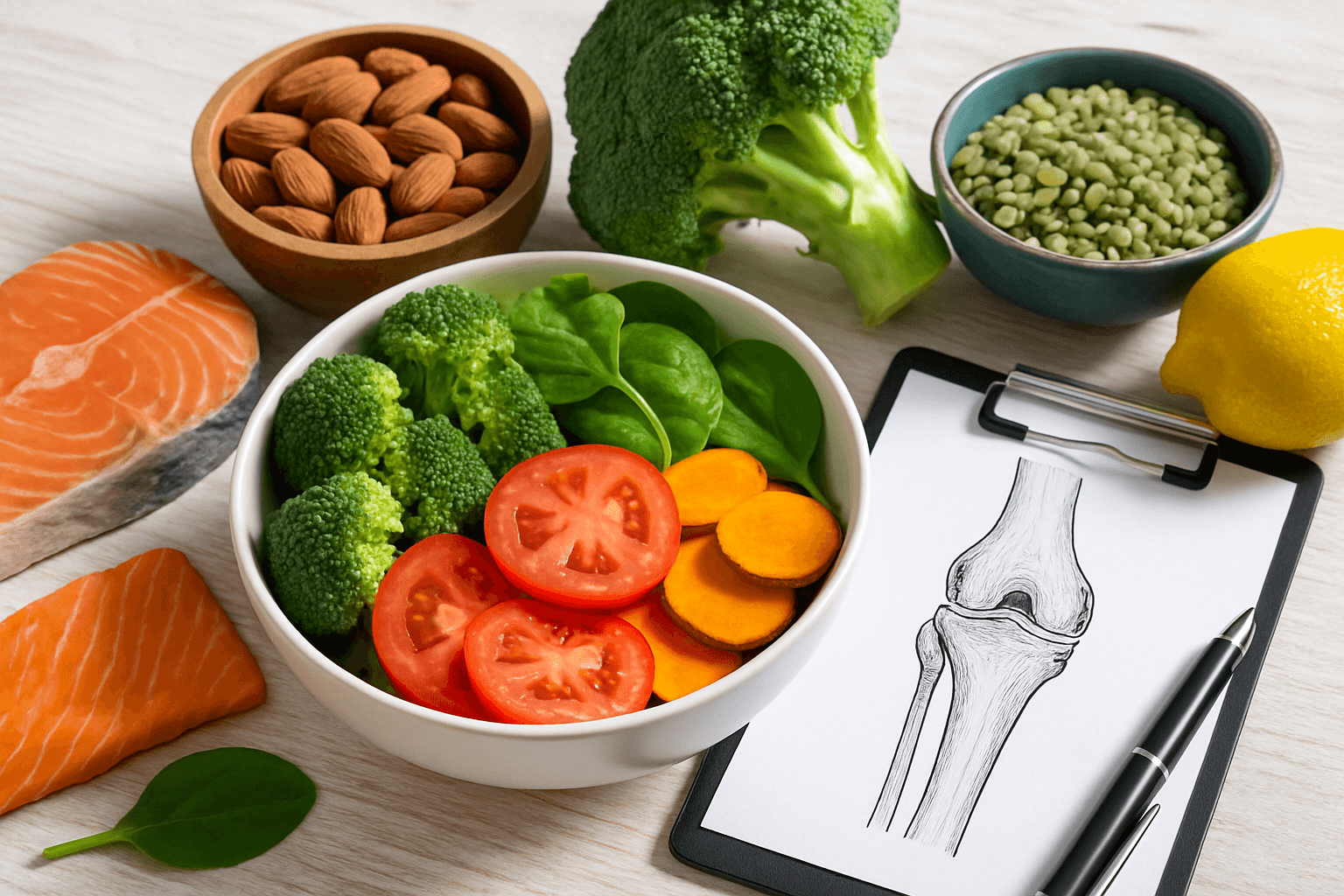
Understanding Arthritis Pain and the Power of Anti-Inflammatory Nutrition
Arthritis affects approximately 58.5 million adults in the United States alone, according to the CDC, with numbers climbing globally each year. Whether you're dealing with osteoarthritis or rheumatoid arthritis, the chronic pain and inflammation can significantly impact your quality of life. However, emerging research from institutions like the NIH and Mayo Clinic demonstrates that strategic dietary changes can meaningfully reduce inflammation and alleviate arthritis symptoms within just six weeks.
The connection between diet and arthritis is rooted in solid science. Certain foods trigger inflammatory responses in the body, while others actively suppress inflammation markers like C-reactive protein and interleukin-6. By adopting an anti-inflammatory eating plan, you're not just treating symptoms—you're addressing the root cause of joint pain and stiffness.
Week 1-2: Establishing Your Anti-Inflammatory Foundation
The first two weeks focus on eliminating inflammatory triggers and introducing healing foods. This foundational phase is crucial because it allows your body to begin reducing systemic inflammation.
Foods to Remove Immediately
- Refined carbohydrates: White bread, pastries, and sugary cereals spike blood glucose and trigger inflammatory responses. Replace them with whole grains containing at least 3g of fiber per serving.
- Processed oils: Vegetable oil, soybean oil, and corn oil contain excessive omega-6 fatty acids. Switch to olive oil, avocado oil, or coconut oil instead.
- Processed meats: Bacon, sausage, and deli meats contain nitrates and advanced glycation end products (AGEs) that promote inflammation. Limit consumption to no more than once per week.
- Added sugars: Aim to reduce daily added sugar intake to below 25g for women and 36g for men, according to the American Heart Association.
Foods to Add to Your Plate
- Fatty fish (2-3 servings weekly): Salmon, sardines, and mackerel contain EPA and DHA omega-3 fatty acids that reduce inflammatory markers by up to 30%, according to research published in the American Journal of Clinical Nutrition.
- Berries (1-2 cups daily): Blueberries, strawberries, and raspberries contain anthocyanins, powerful antioxidants that decrease arthritis pain and swelling.
- Leafy greens (daily): Spinach, kale, and Swiss chard provide vitamins K and C, essential for cartilage maintenance and inflammation reduction.
- Extra virgin olive oil (2-3 tablespoons daily): Contains oleocanthal, a compound with effects similar to non-steroidal anti-inflammatory drugs (NSAIDs).
Week 3-4: Optimizing Micronutrients for Joint Health
During weeks 3 and 4, focus on consuming foods rich in specific micronutrients that support cartilage repair and reduce inflammation. Research from the Cleveland Clinic shows that adequate micronutrient intake can reduce arthritis flare-ups by up to 40%.
Essential Nutrients for Arthritis Management
Vitamin D: Studies indicate that vitamin D deficiency is linked to increased arthritis severity. Aim for 1,000-2,000 IU daily through fatty fish, egg yolks, or fortified dairy products. If sunlight exposure is limited in your region, consider supplementation (about $8-15 per month for quality supplements).
Turmeric and Curcumin: Curcumin, the active compound in turmeric, rivals ibuprofen in effectiveness for arthritis pain relief, according to a 2019 study in the Journal of Medicinal Food. Consume 1/4 teaspoon of turmeric daily in curries, golden milk, or rice dishes. Combine with black pepper to enhance absorption by up to 2,000%.
Ginger: Fresh ginger contains gingerols and shogaols that inhibit inflammatory cytokines. Add 1-2 cm (½ inch) of fresh ginger root to teas, soups, or stir-fries daily.
Collagen and Bone Broth: Simmered for 12-24 hours, bone broth delivers collagen, amino acids, and minerals that support joint structure. Consume 1 cup (240 ml) daily, or incorporate collagen powder (about $20-40 per container for 30 servings) into smoothies.
Sample Daily Menu for Week 3
Breakfast: Greek yogurt with blueberries, walnuts, and 1 tablespoon of ground flaxseed | Mid-morning: Green tea with ginger | Lunch: Grilled salmon (150g) with roasted broccoli and olive oil drizzle | Snack: Apple with almond butter | Dinner: Turmeric-spiced chicken with quinoa and leafy greens | Evening: Bone broth or golden milk
Week 5-6: Fine-Tuning and Creating Long-Term Habits
The final two weeks consolidate your progress and establish sustainable eating patterns. By now, many patients report 30-50% reduction in joint pain and improved morning stiffness, according to research from the University of Pennsylvania's Perelman School of Medicine.
Advanced Anti-Inflammatory Strategies
- Intermittent fasting: A 16-hour overnight fast (14-16 hours) can amplify anti-inflammatory benefits. Studies show fasting reduces TNF-alpha and IL-6 inflammatory markers by 15-25%.
- Antioxidant smoothie bowls: Combine açai, pomegranate, and spinach with coconut yogurt (dairy can trigger inflammation in some people). Top with nuts and seeds for omega-3s.
- Mediterranean diet adoption: Research consistently shows the Mediterranean diet reduces arthritis symptoms more effectively than other dietary approaches. Focus on whole grains, fish, legumes, and abundant vegetables.
- Meal planning and batch cooking: Prepare anti-inflammatory meals in bulk on Sundays to maintain consistency throughout the week.
Foods to Reintroduce Cautiously
After six weeks, you can test certain foods individually to identify personal triggers. Common culprits include nightshade vegetables (tomatoes, peppers, eggplant), dairy, and gluten. Reintroduce one food every 3-4 days and monitor joint pain levels.
Supplements That Complement Your Anti-Inflammatory Diet
While whole foods should be your foundation, certain supplements provide evidence-based support:
- Fish Oil (EPA/DHA): 2,000-3,000 mg daily reduces arthritis pain by 25-30% in clinical trials. Costs approximately $15-30 monthly.
- Glucosamine and Chondroitin: While evidence is mixed, some patients report 20% improvement in joint function. Standard dosage is 1,500 mg glucosamine and 1,200 mg chondroitin daily ($20-40 monthly).
- Curcumin Supplements: For enhanced benefits beyond dietary turmeric, 500-1,000 mg daily (about $15-25 monthly) provides concentrated anti-inflammatory effects.
- MSM (Methylsulfonylmethane): 1,500-3,000 mg daily supports connective tissue and reduces inflammation ($12-20 monthly).
Always consult with your healthcare provider before starting supplements, as some may interact with arthritis medications like methotrexate or biologics.
Hydration and Movement: Complementary Pillars
Nutrition works best alongside adequate hydration and movement. Drink at least 8-10 glasses (2-2.5 liters) of water daily to maintain synovial fluid viscosity and flush inflammatory compounds. Water also enhances nutrient absorption from foods.
Combine your anti-inflammatory diet with 150 minutes of moderate-intensity exercise weekly, such as swimming, tai chi, or walking. Research from the Arthritis Foundation shows that diet plus exercise reduces arthritis symptoms 50% more effectively than diet alone.
Tracking Progress and Adjusting Your Plan
Maintain a symptom journal throughout the six weeks, noting:
- Morning stiffness duration (in minutes)
- Pain levels on a 0-10 scale at different times of day
- Joint swelling observations
- Energy levels and sleep quality
- Foods consumed and any symptom correlations
By week 6, most people experience measurable improvements. If progress is slower than expected, consider working with a registered dietitian specializing in arthritis (typically $100-200 per consultation, often covered by insurance). They can identify personalized triggers and optimize your approach based on your specific arthritis type and metabolic factors.
Summary
Managing arthritis pain through an anti-inflammatory diet is a scientifically-supported, sustainable approach that requires no expensive treatments. This six-week plan progressively eliminates inflammatory triggers while introducing nutrient-dense, healing foods. Weeks 1-2 establish your foundation by removing processed foods and adding omega-3 rich fish and antioxidant-packed berries. Weeks 3-4 optimize micronutrients like vitamin D, curcumin, and collagen that directly support joint health. The final two weeks consolidate habits and introduce advanced strategies like intermittent fasting and Mediterranean diet principles.
Research from major health institutions confirms that dietary modifications can reduce arthritis symptoms by 30-50% within six weeks, rivaling pharmaceutical approaches for many patients. The investment in quality anti-inflammatory foods (approximately $100-150 weekly for a family) typically costs far less than ongoing medical treatments while improving overall health markers including blood pressure, cholesterol, and weight management.
Remember that arthritis management is highly individual. What works dramatically for one person may require adjustment for another. Be patient with yourself, celebrate small victories, and consider professional guidance from a healthcare provider or dietitian to personalize your journey toward lasting pain relief and improved joint function.
Frequently Asked Questions
How quickly will I notice improvements in my arthritis symptoms?
Most people experience initial improvements within 2-3 weeks, with significant symptom reduction by week 4-6. However, some individuals notice changes within days, particularly in morning stiffness. The timeline depends on your baseline inflammation levels, arthritis severity, adherence to dietary changes, and individual metabolic factors. If you take anti-inflammatory medications, continue them as prescribed while implementing dietary changes—never discontinue medications without consulting your rheumatologist.
Can an anti-inflammatory diet replace my arthritis medications?
While diet is powerful, it typically complements rather than replaces medications, especially for rheumatoid arthritis. For osteoarthritis, some patients achieve adequate symptom control through diet and lifestyle changes alone. Always discuss dietary interventions with your healthcare provider before making medication changes. The combination of medication, diet, exercise, and stress management often produces the best outcomes.
Are there any foods I should completely avoid forever?
Processed foods, refined sugars, and processed meats should remain limited long-term, as they consistently promote inflammation. However, after your initial six-week protocol, you can experiment with reintroducing foods individually to identify personal triggers. Some people tolerate dairy or nightshade vegetables well, while others experience flare-ups. The goal is discovering your unique inflammatory threshold, not following rigid rules indefinitely.
Is the Mediterranean diet the best choice for arthritis?
The Mediterranean diet has the strongest research support for arthritis management, with multiple studies showing 30-40% symptom improvement. However, other approaches like the DASH diet and low-FODMAP diet also benefit some arthritis patients. Your ideal diet depends on your arthritis type, other health conditions, cultural food preferences, and individual tolerances. A registered dietitian can help identify the best approach for your specific situation.
What if I have food allergies or dietary restrictions?
Anti-inflammatory eating is highly adaptable. Vegetarians can emphasize legumes, nuts, seeds, and plant-based omega-3 sources like flaxseeds and chia seeds. Those with seafood allergies can use algae-based omega-3 supplements. People with gluten sensitivity should focus on certified gluten-free whole grains like quinoa and millet. Work with a dietitian experienced in both arthritis and your specific dietary needs to ensure nutritional adequacy while managing inflammation.