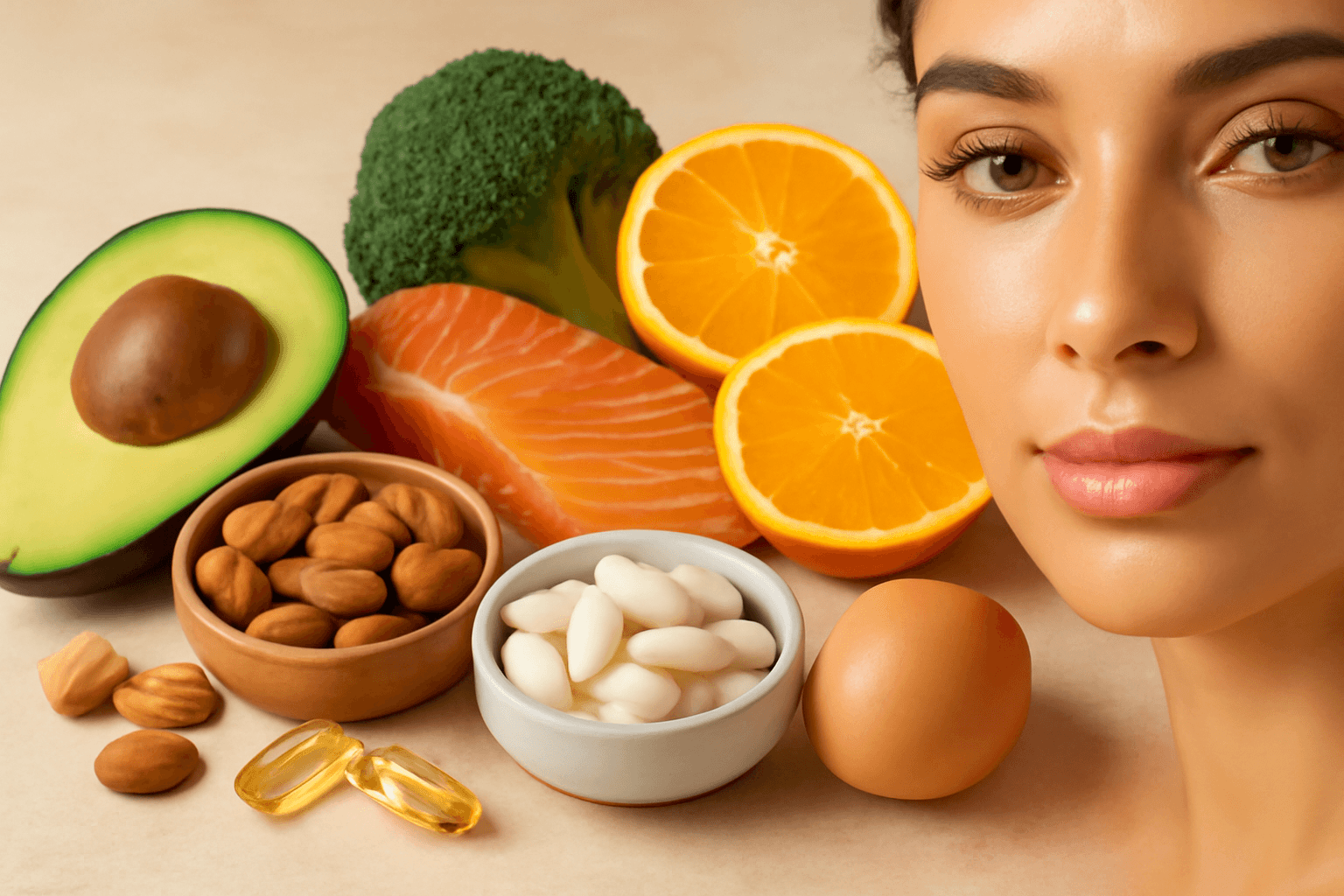
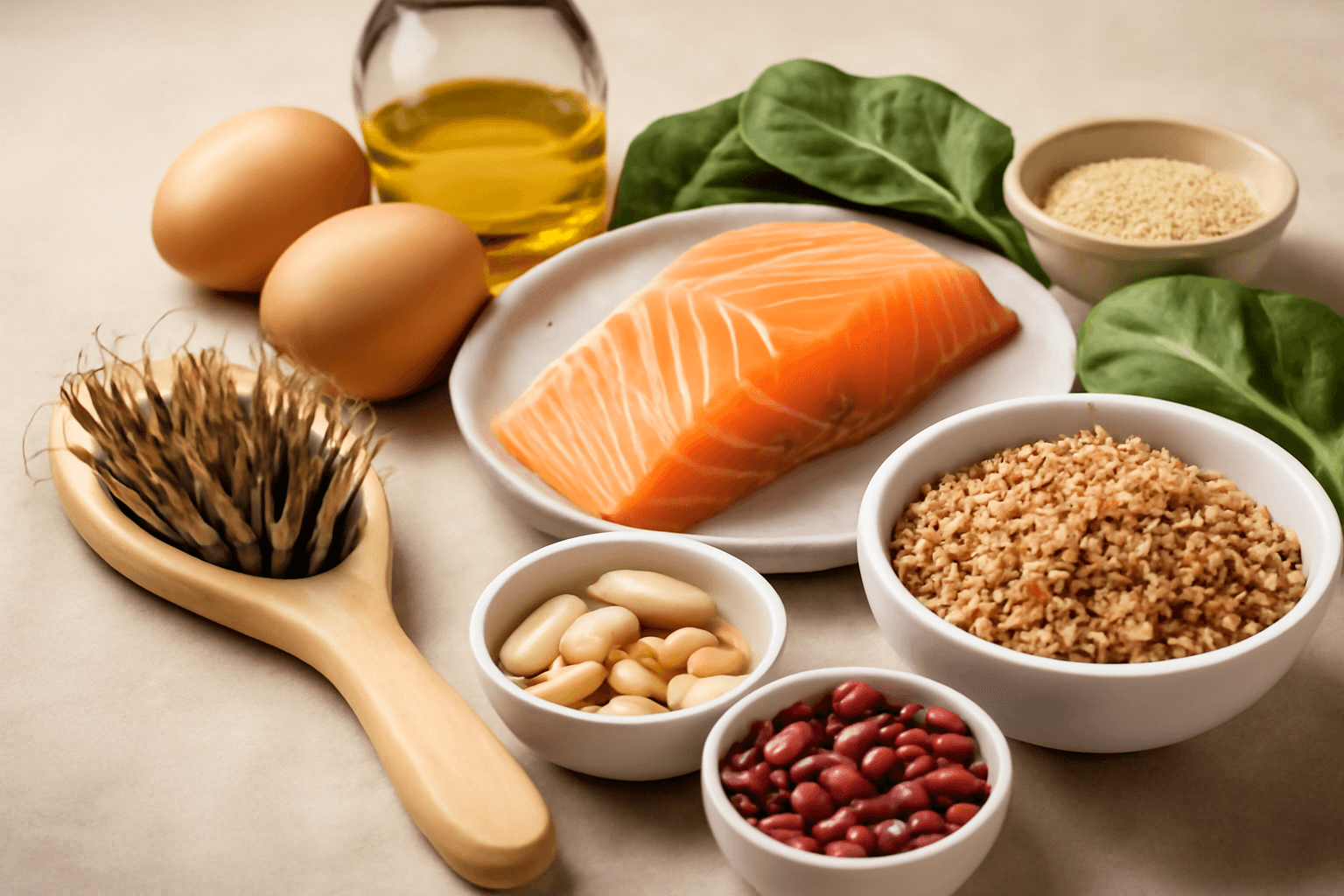
Skin is the largest organ of our body, protecting us from external environments while reflecting the internal state of our body. To achieve healthy, radiant skin, proper nutrition is just as important as expensive cosmetic products. Essential nutrients such as protein, iron, zinc, B vitamins, omega-3 fatty acids, vitamin D, collagen, and vitamin E directly impact skin health through skin cell regeneration, collagen synthesis, and antioxidant defense. This article will provide detailed information on 10 foods that should be consumed to maintain skin health and their nutritional value.
Nutritional Management Tips for Healthy, Radiant Skin
Skin health cannot be achieved through surface-level care alone. Nutrient supply at the cellular level is key to long-term skin improvement. The epidermis, the outermost layer of skin, is replaced with new cells approximately every 28 days, a process that requires sufficient protein and minerals. In particular, proteins called collagen and elastin play a direct role in skin elasticity and wrinkle prevention.
When managing your diet for skin health, you should follow these principles. First, consume foods of various colors to obtain different antioxidants evenly. Each color represents specific nutrients: lycopene in red tomatoes, beta-carotene in orange carrots, and lutein in green spinach. Second, you should reduce your intake of refined carbohydrates and excessive sugar. High glycemic index (GI) foods trigger inflammation, promoting acne and skin aging.
Third, adequate water intake is essential. Eight glasses of water daily is the baseline, and you should consume more depending on your activity level and climate. Water maintains the moisture content of skin cells, preserving elasticity and promoting toxin elimination. Finally, it is important to maintain regular meal times and avoid overeating. Irregular eating habits can lead to hormonal imbalance, worsening acne and skin inflammation.
Consuming Foods Rich in Essential Vitamins and Minerals
Vitamins and minerals are the most important nutrients determining your skin's defense system and regenerative capacity. B vitamins are essential for energy metabolism and cell division, and vitamin B3 (niacin) in particular strengthens skin barrier function and reduces inflammation. According to research, a group that consumed niacin for 4 weeks experienced a 25% reduction in skin oil secretion.
Iron is a mineral essential for red blood cell production, necessary for supplying oxygen and nutrients to the skin adequately. Iron deficiency leads to pale and dull-looking skin. Women in particular need to be careful due to iron loss from menstruation. Heme iron from animal products has 2-3 times higher absorption rate than non-heme iron from plant-based foods.
Zinc is essential for collagen synthesis, wound healing, and immune function. Zinc deficiency causes acne to worsen and skin dryness. The daily recommended amount is 11mg for adult men and 8mg for women. Zinc, which is abundant in oysters, beef, and pumpkin seeds, is especially helpful in recovering from sun damage during summer. Vitamin D promotes calcium absorption and plays a role in immune regulation. Deficiency can increase skin inflammation and worsen autoimmune skin conditions. Vitamin D can be synthesized in the skin through 10-30 minutes of daily sun exposure, but food intake is necessary during winter or when using sunscreen.
Consuming Appropriate Types of Oil Through Diet
Omega-3 fatty acids are major components of skin cell membranes, essential for maintaining moisture between cells and reducing inflammation. Consuming foods rich in omega-3 increases skin moisture retention and improves dryness. Additionally, omega-3 provides multiple beneficial effects on brain health, cardiovascular health, and joint health.
A typical modern diet is high in omega-6 fatty acids (found in cooking oils and processed foods), creating a ratio of omega-3 to omega-6 as wide as 1:20. The ideal ratio is approximately 1:4. This imbalance triggers chronic inflammation, worsening skin conditions such as acne, eczema, and psoriasis. Therefore, you should consciously increase omega-3 intake.
Extra virgin olive oil, commonly used in Mediterranean diets, is also an excellent source of fatty acids. Olive oil contains oleic acid, a monounsaturated fat, and polyphenol antioxidants, preventing skin aging and reducing inflammation. The fat in nuts and seeds provides similar benefits, with walnuts being particularly rich in omega-3. Daily consumption of a handful (approximately 30g) of nuts is effective for improving skin elasticity.
Unlike butter or saturated fat, unsaturated fats from plant-based oils and nuts lower LDL cholesterol while promoting skin health. However, since these are high-fat foods, calorie management is necessary. Daily intake should constitute approximately 20-35% of total calories.
Increasing Collagen Production
Collagen is a protein that makes up 70% of skin's dry content, determining skin elasticity and firmness. With age, collagen production decreases by approximately 1% each year, and UV exposure and oxidative stress accelerate this decline. Therefore, consuming foods that promote collagen production is important.
The essential nutrient for collagen synthesis is vitamin C. Vitamin C activates enzymes that convert the amino acids proline and lysine into collagen. According to research, daily intake of 1000-2000mg of vitamin C reduces skin wrinkles by an average of 5.7%. Fresh oranges, kiwi, bell peppers, and broccoli contain high levels of vitamin C.
Additionally, adequate protein intake provides the basic materials for collagen. The daily protein requirement for adults is 0.8-1.2g per kilogram of body weight. If you particularly value skin health, higher intake may be beneficial. Protein from fish, eggs, and dairy products has a superior amino acid profile, making them particularly effective for skin regeneration.
Copper is also an essential mineral for collagen cross-linking. Copper deficiency weakens collagen stability. Copper, abundant in cashews, oysters, spinach, and dark chocolate, can easily meet the daily recommended amount of 900 micrograms. Finally, regular exercise increases blood flow to the skin, promoting collagen synthesis.
Protecting Skin from Oxidative Damage
Free radicals are unstable molecules generated from UV rays, pollution, and cigarette smoke, accelerating cell damage and skin aging. Oxidative stress is a major cause of wrinkle formation, reduced skin elasticity, and dark spot formation. Antioxidants neutralize free radicals, preventing such damage.
Vitamin E is a fat-soluble antioxidant that is incorporated into skin cell membranes, directly protecting cells from free radical attack. The daily recommended amount is 15mg, abundant in almonds, sunflower seeds, and olive oil. According to research, consuming vitamin E and vitamin C together reduces UV-induced skin damage by 40-60%.
Polyphenols and flavonoids are also powerful antioxidants. Flavonoids found in chocolate increase skin blood flow and protect against UV damage. Research showed that a group consuming 25g of dark chocolate (70% cocoa or higher) daily for 12 weeks experienced significant improvement in skin elasticity.
Berries, especially blueberries and raspberries, are rich in anthocyanins, a type of antioxidant. These antioxidants not only protect skin but also benefit brain health, cardiovascular health, and blood sugar control. Lycopene in tomatoes is also a powerful antioxidant, with higher absorption rates in cooked tomatoes.
10 Foods for Radiant, Healthy Skin
1. Salmon
Salmon is one of the best sources of omega-3 fatty acids, containing approximately 2.3g of omega-3 per 100g. Omega-3 strengthens cell membrane structure, increasing skin moisture retention, and reduces the production of cytokines, inflammatory substances. Salmon also provides high-quality protein, B vitamins, and selenium. Selenium is a powerful antioxidant that protects skin from UV damage. Consumption of 100-150g per meal, 2-3 times per week is recommended.
2. Dark Chocolate
Dark chocolate with 70% or higher cocoa content is a treasure trove of flavonoids, powerful antioxidants. According to research, groups consuming flavonoid-rich chocolate experienced a 29% increase in skin blood flow compared to non-consumers, and a 12% increase in skin moisture content. Additionally, the erythema response from UV rays decreased by 25%. However, since it is a high-fat, high-calorie food, moderate consumption of approximately 30g (about a handful) per day is important.
3. Spinach
Spinach is a superfood rich in iron, vitamin C, vitamin K, lutein, and zeaxanthin. Iron promotes blood circulation, ensuring adequate oxygen and nutrients to the skin. Vitamin C promotes collagen synthesis and provides antioxidant action. Lutein and zeaxanthin are known for preventing macular degeneration, but also play a role in skin antioxidant defense. Raw consumption provides higher nutritional value, but cooking increases iron absorption. Consumption of approximately a handful (50g fresh spinach) 3 or more times per week is recommended.
4. Carrots
The orange color of carrots comes from beta-carotene, which is converted to vitamin A in the body. Vitamin A regulates skin cell differentiation and growth, normalizing sebum production to prevent acne. It also promotes formation of the stratum corneum on the skin surface, reducing moisture loss. According to research, vitamin A deficiency is associated with worsened skin dryness. Carrot carotenoids have 5 times or more increased absorption rate when consumed with fat, so it is best to cook with olive oil or consume with nuts.
5. Oysters
Oysters are the richest natural source of zinc, with 6 medium-sized oysters providing 500% of the daily recommended amount of zinc. Zinc is essential for wound healing, collagen synthesis, and skin cell regeneration. It also strengthens immune function, preventing acne and infectious skin diseases. Selenium and iron contained in oysters also contribute to skin health. Oysters maintain the highest nutritional value when consumed raw, and consumption of approximately 6 oysters 1-2 times per week is recommended. Checking freshness when consuming oysters is very important.
6. Blueberries
The deep blue color of blueberries comes from anthocyanins, powerful antioxidants. The antioxidant capacity of anthocyanins is 50 times superior to vitamin E. Antioxidants contained in blueberries neutralize free radicals, delaying skin aging and reducing inflammation. They also improve vascular health, increasing skin blood flow. Both fresh and frozen blueberries have nearly identical antioxidant content. Consumption of approximately a handful (about 150g) per day is recommended, and consuming with Greek yogurt or cereal provides additional protein and probiotics.
7. Tomatoes
Lycopene, which gives tomatoes their red color, is an exceptionally powerful antioxidant. The antioxidant capacity of lycopene is 2 times superior to beta-carotene and 100 times superior to vitamin E. It is particularly effective at preventing UV-induced skin damage and erythema. According to research, a group consuming tomato products for 12 weeks experienced a 33% reduction in UV-induced skin damage. Since lycopene is fat-soluble, cooking with olive oil increases absorption by 4 times. Tomatoes are also rich in vitamin C and potassium. Consumption of fresh tomatoes or tomato sauce 3 or more times per week is recommended.
8. Eggs
Eggs are a complete protein source, containing all essential amino acids. Egg yolks contain lutein and zeaxanthin, which strengthen skin antioxidant defense. Eggs also contain choline, which is essential for maintaining cell structure and synthesizing neurotransmitters. Eggs have the highest bioavailability (the proportion actually utilized in the body) at 99% among all protein foods. According to research, egg consumption increases satiety and prevents overeating. Daily consumption of 1-2 eggs is safe, and consumption 4-7 times per week is recommended unless there is an egg allergy.
9. Avocado
Avocado is an excellent source of healthy monounsaturated fatty acids and potassium. One avocado provides 28% of the daily recommended potassium. Potassium maintains intracellular moisture and electrolyte balance, promoting skin moisture content. Avocado also contains vitamin E, vitamin C, and lutein, providing antioxidant protection. Avocado fat promotes absorption of carotenoids and fat-soluble vitamins. According to research, people who regularly consume avocado have higher skin elasticity and fewer wrinkles. Approximately half an avocado per day is recommended, with attention to portion control due to high calorie content (approximately 120kcal per half).
10. Broccoli
Broccoli is one of the richest sources of vitamin C, with one cup of raw broccoli (91g) providing 135% of the daily recommended amount. Vitamin C promotes collagen synthesis and strengthens antioxidant defense. Broccoli also contains sulforaphane, a powerful antioxidant compound that protects skin from UV damage. Broccoli also contains vitamin K, folate, and chromium. Chromium helps regulate blood sugar and reduces the inflammation-promoting effects of refined carbohydrates. Sulforaphane can be lost when broccoli is heated, so it is best to cook on low heat or blanch lightly before consumption. Consumption of approximately one cup of raw broccoli or lightly cooked broccoli 3 or more times per week is recommended.
Summary
Skin health is achieved through consistent external care combined with internal nutritional management. The 10 foods introduced—salmon, dark chocolate, spinach, carrots, oysters, blueberries, tomatoes, eggs, avocado, and broccoli—all provide essential nutrients for skin health including protein, omega-3, vitamins, minerals, and antioxidants.
Key implementation strategies for skin improvement:
- Daily consumption of foods of various colors to obtain diverse antioxidants
- Consuming fish rich in omega-3 fatty acids 2-3 times per week
- Consuming appropriate amounts of protein at each meal (0.8-1.2g per kilogram of body weight)
- Minimizing sugar and refined carbohydrate intake
- Consuming at least 8 glasses of water daily
- Promoting skin blood flow through regular exercise
- Double protection through UV protection and antioxidant food consumption
However, the information in this article is general health information, and if you have specific skin conditions or health concerns requiring personalized consultation, you should definitely consult with a dermatologist or nutritionist. If you have skin conditions such as acne, eczema, psoriasis, or rosacea, you should seek guidance from a specialist before making dietary changes. Additionally, if you have allergies to specific foods or are taking medications, you should verify nutrient interactions and obtain approval from a healthcare professional.
Improving skin health requires long-term lifestyle changes rather than short-term effort. If you consistently consume the introduced foods and combine them with adequate sleep, stress management, and regular exercise, you can experience noticeable skin improvement within weeks to months. Healthy, radiant skin is a signal of your body reflecting overall health and confidence beyond mere beauty.