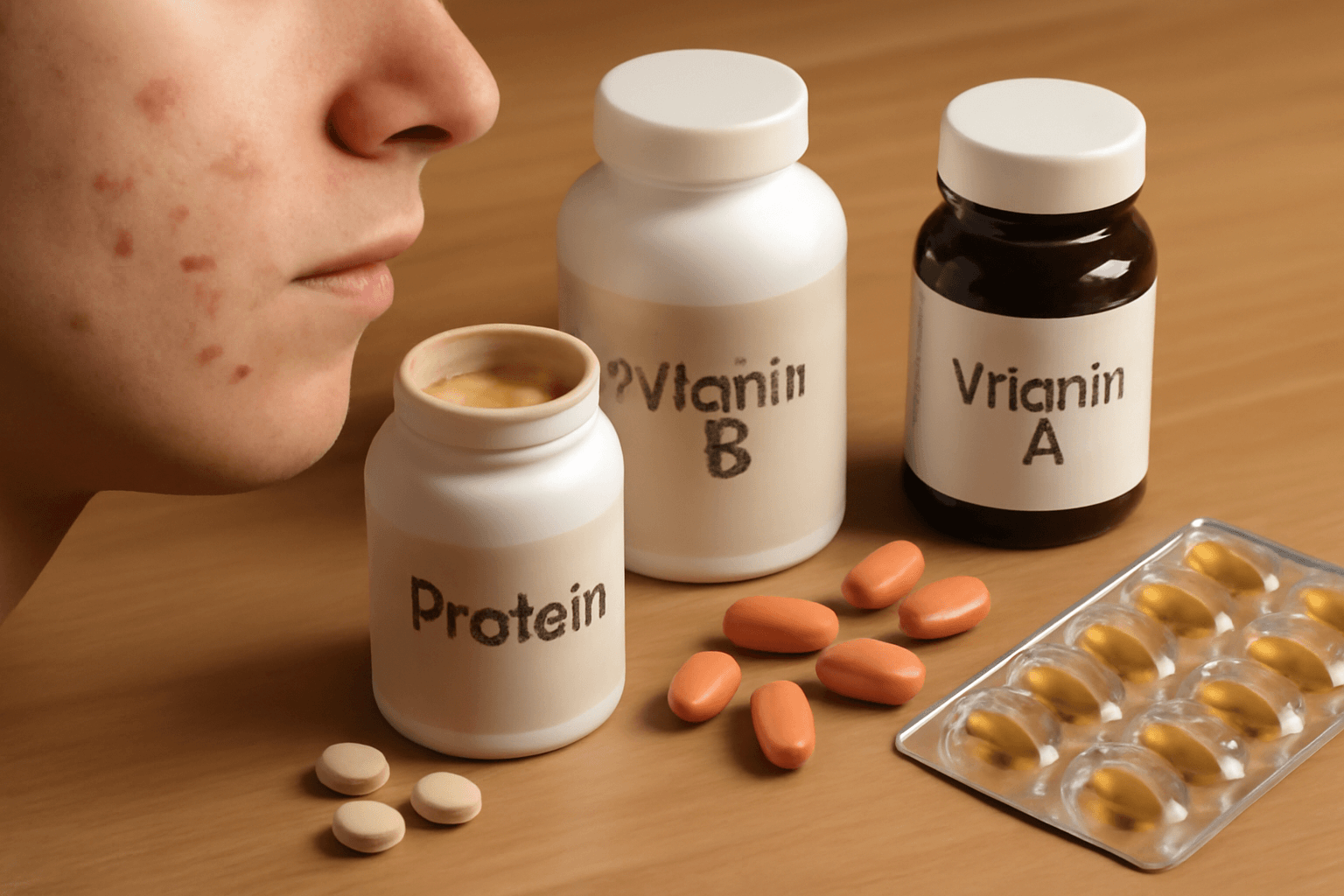
The new year is a great opportunity to adopt a healthier lifestyle. This article introduces 10 science-based, practical tips to help you start 2024 on a healthier note. It covers step-by-step methods you can implement, from setting goals to managing nutrition and improving daily habits.
1. Write Down Your Reasons for Getting Healthy
To achieve your health goals, you must first establish clear motivation. Rather than vague thoughts like "I need to lose weight," it's more effective to set specific goals such as "lose 5kg within 3 months so I can climb stairs more easily."
According to Stanford University research, people who set their goals in writing showed a 42% higher achievement rate than those who didn't. Try recording the following in a notebook or smartphone:
- Specific reasons for wanting to be healthy (Example: wanting to play actively with my kids)
- Measurable goals (Example: normalizing blood sugar levels, increasing muscle strength)
- Timeline for achievement (3 months, 6 months, 12 months)
- Obstacles and solutions
Sharing your goals with those around you creates a sense of accountability, increasing the likelihood of following through. Tell your family or friends about your health goals and regularly share your progress with them.
2. Make Healthier Choices
Small daily choices accumulate to determine your health. To reduce decision fatigue, it's important to turn repetitive behaviors into habits. For example, rather than deciding on different foods every time you eat lunch, designate specific meals like "salads on Tuesdays, grilled fish on Wednesdays."
Change your environment so healthy choices become automatic:
- Place fruits and vegetables in the front of your refrigerator
- Keep nuts within easy reach instead of snacks
- Stock sugar-free tea or water instead of buying soda
- Place your running shoes next to your bed to prepare for morning exercise
In a study by the American Heart Association, the group that consciously improved their dietary habits showed an average 15% decrease in blood cholesterol within 2 weeks. Small, sustainable changes are more effective than drastic ones.
3. Create a Plan
A healthy lifestyle is difficult to maintain without a plan. Creating a weekly schedule and determining activities for each day in advance provides motivation. This involves recording exercise, diet, and sleep hours from Monday through Sunday.
Effective planning methods:
SMART Goal Setting
- Specific: Not just "exercise" but "jog for 30 minutes, 3 times a week"
- Measurable: Progress can be tracked numerically
- Achievable: Realistic goals
- Relevant: Connected to your health goals
- Time-bound: Clear time frame
When planning, consider flexibility as well. Prepare a "backup plan" that you can skip in urgent situations so small setbacks don't lead to abandoning your entire plan. For example, if outdoor exercise isn't possible, switch to indoor yoga.
4. Build Healthy Habits
Good habits don't form overnight. According to behavioral psychology, it takes an average of 66 days for a new habit to become automatic. The first 3 weeks are the most difficult period, so prepare small rewards to help you get through this time.
Habits you can implement:
- Improve sleep: Go to bed and wake up at the same time every day (including weekends), avoid screens 1 hour before bed
- Manage stress: 10-minute daily meditation, deep breathing exercises (reduces stress hormone cortisol by 30%)
- Increase daily activity: Take stairs instead of elevators, aim for 7,000-10,000 steps per day
- Regular checkups: Annual health screening for early disease detection
According to the National Institutes of Health, people who combined regular sleep and exercise showed a 35% reduction in disease risk. Build habits one at a time, step by step.
5. Follow a Healthy Diet
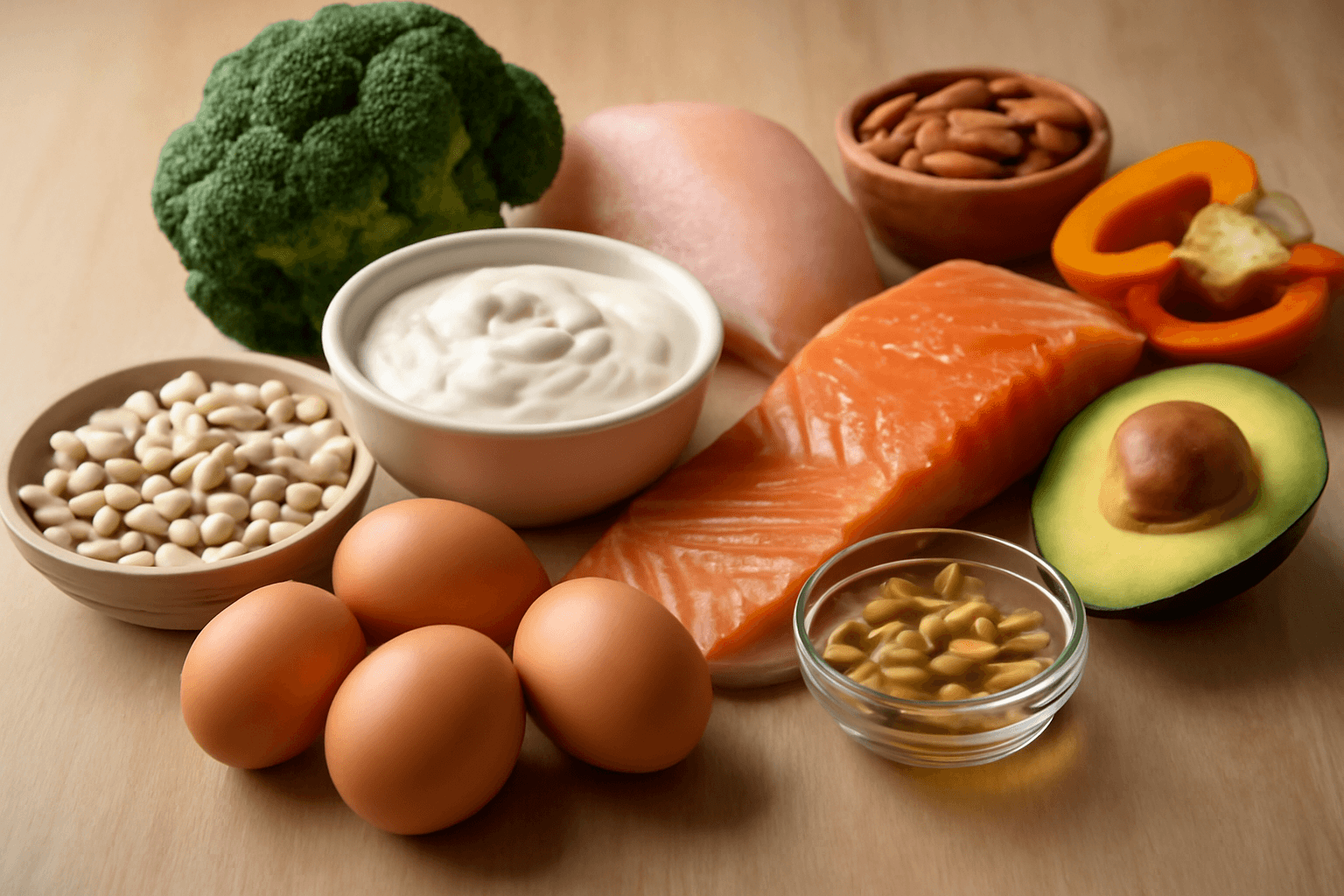
Proper nutrition is the foundation of health. In particular, you should consume foods that contain sufficient amounts of these nutrients:
- Protein: Chicken breast, fish, eggs, tofu (recommended intake of 1.6g per kg of body weight daily)
- Omega-3: Salmon, mackerel, flaxseed, nuts (at least twice per week)
- Vitamin D: Egg yolks, butter, sun exposure (600-800IU daily)
- Vitamin C: Oranges, bell peppers, broccoli (75-90mg daily)
- Vitamin B: Brown rice, eggs, spinach (promotes energy metabolism)
- Zinc: Oysters, beef, pumpkin seeds (enhances immunity)
- Electrolytes: Potassium-rich bananas, sports drinks (maintains muscle strength)
Aim for a 40:30:30 ratio (carbohydrates:protein:fat) when composing your diet. For example, breakfast of 3 eggs + 2 slices of whole grain bread + vegetables, lunch of 150g grilled chicken breast + brown rice + salad, and dinner of fish + sweet potato + broccoli is an effective combination.
Reduce processed food consumption and prefer natural foods. According to Harvard Medical School research, people who reduced ultra-processed foods saw a 40% decrease in heart disease risk.
6. Maintain Proper Hydration
Water is the foundation of all physiological functions. Generally, you should drink 2-3 liters of water per day, but you should adjust based on your exercise level and climate. If your urine color is light yellow, it's a sign that you're getting enough water.
Effective hydration methods:
- Drink a glass of warm water right after waking up (promotes digestion)
- Drink water between meals (at 30-minute intervals)
- Drink 100-200ml of water every 15 minutes during exercise
- Minimize water intake late in the evening (disrupts sleep)
In addition to water, sugar-free tea, low-sodium broth, and pure fruit juice also help with hydration. According to the American Academy of Clinical Nutrition, adequate water intake increases metabolism by 24% and also improves skin health.
Avoid excessive caffeine beverages as they have a diuretic effect. Daily caffeine intake should be limited to 400mg (3-4 cups of coffee) or less for safety.
Conclusion and Summary
Here's a summary of the 10 key points for a healthier 2024:
5 Essential Actions to Take
1. Write down specific and measurable health goals
2. Automate healthy choices through environmental changes
3. Create a weekly plan using the SMART method
4. Maintain good habits consistently for 66+ days
5. Eat a balanced diet that includes essential nutrients
Health is an investment throughout your life. Rather than striving for perfection, follow the 80% rule - if you live healthily 80% of the day, the remaining 20% of exceptions won't damage your overall health. Small changes add up to big results.
Medical Disclaimer: If you have chronic conditions or are starting a new exercise program, be sure to consult with your doctor first. Especially if you have diabetes, heart disease, or high blood pressure, you'll need a personalized diet and exercise plan.