Elderberry is a dark berry that has long been used as a folk remedy throughout Europe, and recent scientific research has demonstrated various health benefits including immune system enhancement, antioxidant effects, improved digestion, and fatigue recovery. Rich in vitamins A and B, iron, and other essential nutrients, it is gaining attention as a natural health food effective for modern health management. This article provides detailed information about the specific benefits of elderberry and its proper usage.
What is Elderberry?
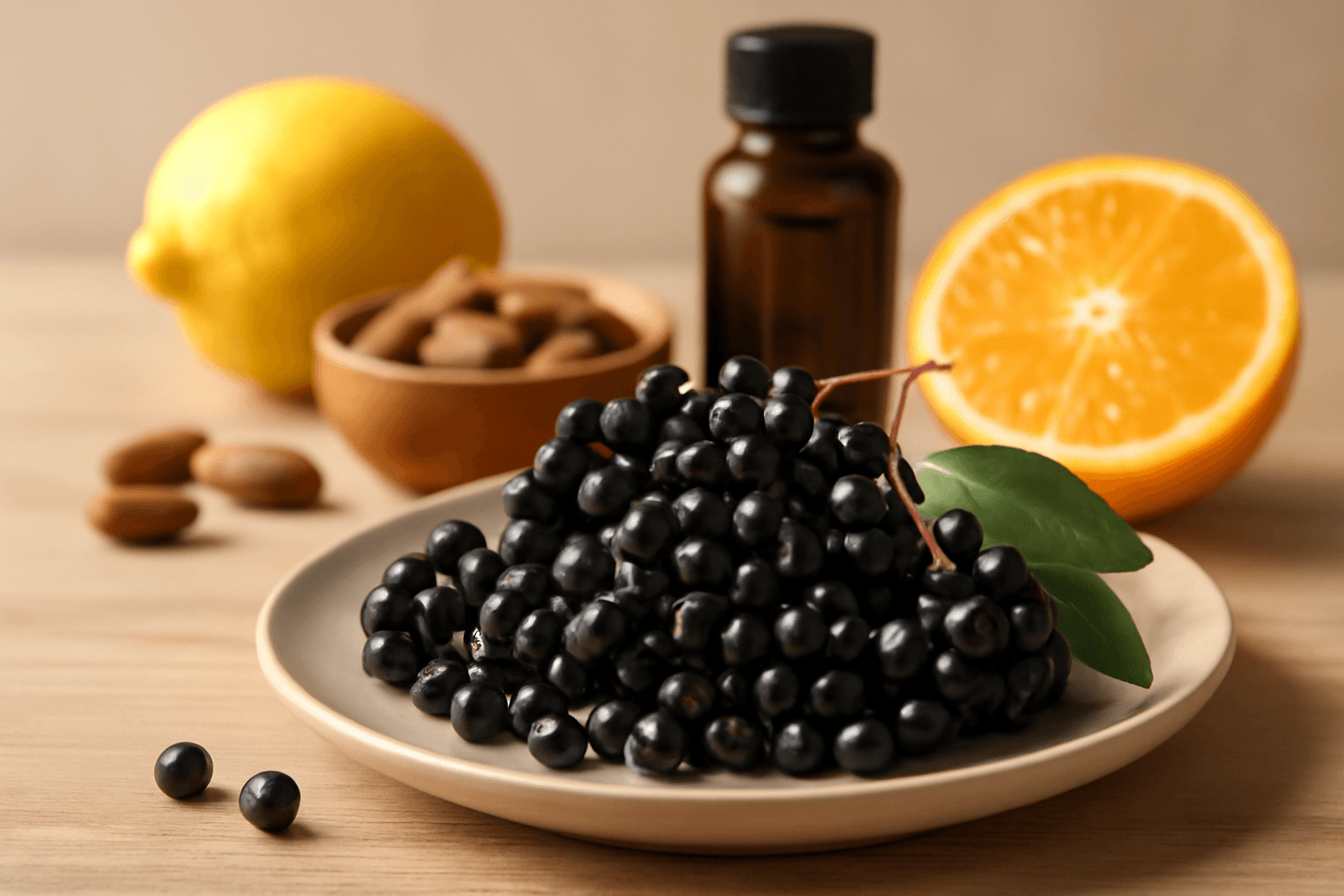
Elderberry is the fruit of the European black elderberry tree (Sambucus nigra), appearing as small dark purple berries. Native to Europe, North Africa, and Western Asia, it has traditionally been used in Europe and North America to alleviate cold and flu symptoms. Elderberry is more commonly consumed in dried form, as syrup, extract, or tablets rather than fresh fruit, due to convenience in storage and concentration of active compounds.
The primary active compound in elderberry is anthocyanins, a powerful antioxidant polyphenol. Anthocyanins are the pigment that gives elderberries their dark purple color, containing approximately 750-1,500mg per 100g—more than six times the amount found in blueberries (about 250mg). Additionally, it contains various minerals and vitamins including vitamin C, vitamin A, vitamin B6, iron, calcium, and phosphorus.
From a pharmaceutical perspective, elderberry is classified as an immunostimulant and is internationally recognized particularly for its effectiveness against influenza and cold viruses. The European Medicines Agency (EMA) and the U.S. Food and Drug Administration (FDA) both recognize it as a herbal medicinal ingredient for alleviating cough and cold symptoms.
Health Benefits of Elderberry
1. Immune System Enhancement and Antiviral Effects
The most well-known benefit of elderberry is strengthening the immune system. Anthocyanin compounds increase the activity of natural killer (NK) cells and macrophages, enhancing the body's defense against viral infections. A study published in the International Journal of Clinical Nutrition in 2004 showed that flu patients taking elderberry syrup experienced an average 4-day reduction in symptom recovery time, with significantly decreased symptom severity.
Elderberry works by directly binding to hemagglutinin proteins on the surface of influenza viruses, blocking viral cell entry. Particularly when taken regularly for 3-6 months before cold season for preventive purposes, research suggests it can reduce infection risk by approximately 50%. However, symptom relief effects after infection may be relatively more limited than preventive effects.
2. Antioxidant Activity and Prevention of Cell Damage
The anthocyanins and phenolic compounds found in elderberry are powerful antioxidants that prevent cell damage caused by free radicals. In ORAC (Oxygen Radical Absorbance Capacity) analysis, elderberry's antioxidant capacity measures approximately 14,697 ORAC units per 100g, ranking among the highest of common fruits and vegetables.
Cell damage and oxidative stress are major factors in aging, cardiovascular disease, cancer, and neurodegenerative diseases. Elderberry's antioxidant compounds improve vascular endothelial function, protecting blood vessel health and inhibiting cholesterol oxidation in the blood. Additionally, by reducing oxidative stress in brain cells, it helps lower the risk of cognitive decline and Alzheimer's disease. Animal studies have reported that elderberry extract reduced brain oxidative stress markers by approximately 30-40%.
3. Improved Digestion and Intestinal Health Promotion
Elderberry has direct benefits for digestive system health. Traditional European medicine used elderberry as a laxative, and modern research supports these findings. The dietary fiber in elderberry stimulates intestinal movement, promoting regular bowel movements and alleviating constipation symptoms.
Furthermore, the antioxidant compounds in elderberry act as prebiotics, promoting the growth of beneficial gut bacteria and improving intestinal microbiota balance. Healthy gut microbiota regulate immune responses, enhance nutrient absorption, and reduce the risk of inflammatory bowel disease. Recent research is accumulating evidence that elderberry consumption may be effective in improving intestinal permeability (leaky gut). However, excessive intake can trigger diarrhea, requiring appropriate dosage adjustment.
4. Stress Reduction and Fatigue Recovery
Elderberry is effective in enhancing the body's stress response capacity and alleviating chronic fatigue syndrome symptoms. Excessive secretion of cortisol, a stress hormone, causes immune suppression, sleep quality deterioration, and increased inflammation. Elderberry's antioxidant compounds and vitamin C content (approximately 60mg per 100g) reduce oxidative stress from stress and improve the body's recovery capacity.
The B vitamins in elderberry, particularly vitamin B6, are essential for neurotransmitter synthesis and play important roles in mood regulation and stress adaptation. Iron content (approximately 2.3mg per 100g) is a key mineral for energy metabolism, improving chronic fatigue symptoms through proper oxygen transport. A Swedish clinical study reported that participants taking elderberry syrup for 8 weeks showed an average 35% improvement in fatigue levels.
How to Use Elderberry
Forms of Use and Dosage
Elderberry can be consumed in several forms. Elderberry syrup is the most popular form, with adults recommended to take 1-2 tablespoons (approximately 10-15ml) daily, divided into 2-3 doses, or mixed in water. During cold season, 1 tablespoon daily is recommended for prevention, or 1 tablespoon every 3-4 hours when symptoms appear.
Elderberry extract tablets are typically taken at 300-600mg, 2-3 times daily. Dried elderberry can be steeped as tea at 10-15g daily or mixed into yogurt or cereal. Elderberry juice made from fresh fruit should be consumed at approximately 200-400ml daily, though diabetic patients should be cautious due to high sugar content.
Duration of use varies by purpose. For cold season prevention, consistent use from September through March is most effective, and after acute infection symptoms appear, continue for an additional 3-5 days after symptom relief. For chronic fatigue or immune system strengthening, regular consumption for 8-12 weeks or longer is recommended.
Precautions When Taking
Raw and unripe elderberries must never be consumed. Cyanogenic glycosides contained in these can convert to cyanide during digestion, showing toxicity. Only dried or heat-treated products should be consumed.
Because elderberry stimulates the immune system, patients with autoimmune diseases (lupus, rheumatoid arthritis, multiple sclerosis, etc.) must consult with healthcare professionals before use. Additionally, organ transplant patients or those taking immunosuppressants should avoid elderberry, as it may interfere with immunosuppressive therapy.
During pregnancy and breastfeeding, there is insufficient safety data on elderberry use, so it is best not to take it without medical professional guidance. Children 12 years and younger should use approximately half the adult dosage or follow medical professional instructions.
Drug Interactions
Elderberry can interact with certain medications. If taking diabetes medications (metformin, insulin), elderberry may affect blood sugar levels, so regular blood sugar monitoring is necessary. Additionally, elderberry's strong antioxidant effects may interfere with some chemotherapy drugs, so cancer patients especially should consult healthcare professionals before use.
Patients taking blood thinners (warfarin, etc.) should also be cautious, as elderberry's vitamin K content may change medication effects. Generally, no significant interactions with over-the-counter medications or dietary supplements have been reported, but consulting professionals whenever starting new medications is safest.
Storage Method
Elderberry syrup should be refrigerated after opening, with most products recommending use within 4 weeks. Elderberry extract tablets and dried fruit can maintain quality for 6-12 months when stored in a cool place away from direct sunlight with low humidity. Frozen elderberries can be stored in the freezer for 12 months or longer.
Conclusion
Summary
Elderberry is a natural health food rich in antioxidant compounds, vitamins, and minerals, providing four major benefits: immune system enhancement, antioxidant activity, improved digestion, and stress reduction. Particularly when taken before cold season for prevention, it can reduce infection risk by approximately 50%, and when already infected, it can shorten symptom recovery time.
Elderberry's anthocyanin content exceeds that of common fruits by more than six times, with approximately 14,697 ORAC units per 100g of antioxidant capacity, effectively preventing cellular aging and disease. It enhances overall well-being through improved intestinal health and reduced stress hormones.
However, raw elderberry must be avoided, and those with autoimmune diseases, taking immunosuppressants, or who are pregnant or breastfeeding must consult with healthcare professionals. Available in various forms including syrup, extract, tablets, and dried fruit, it is important to set appropriate dosages and durations according to individual health status and goals.
Professional Medical Consultation Required: This information is provided for general health education purposes and should not be considered medical advice for treating or preventing specific conditions. Especially for those with existing conditions or taking medications, be sure to consult with healthcare professionals (doctors, pharmacists) before elderberry consumption to confirm safe usage methods suited to your individual health status.