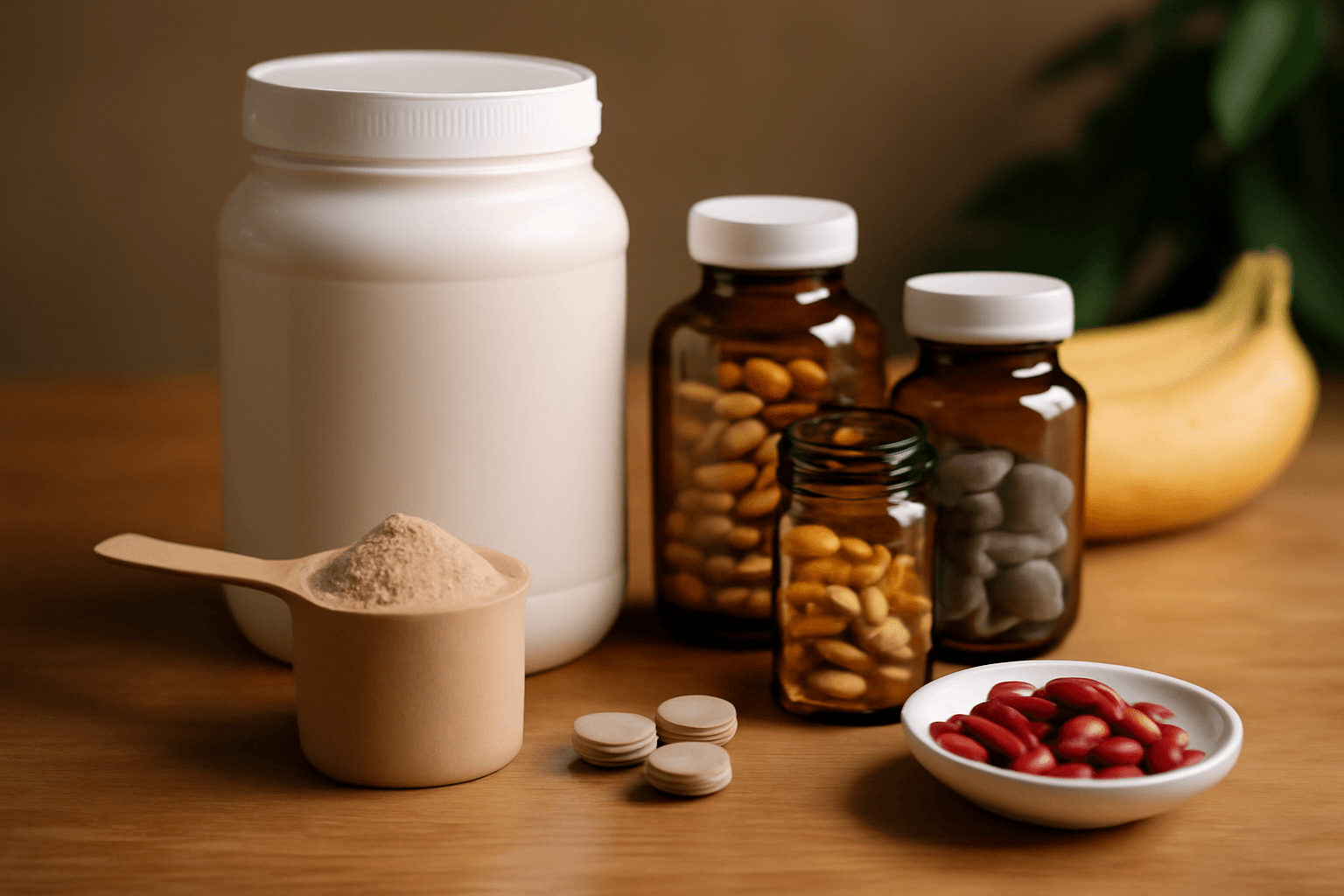
There are thousands of supplement types available on the market today. Various nutrients such as protein, iron, zinc, magnesium, vitamin B, and omega-3 are released in multiple product formats, and consumers must choose products that align with their health goals. However, many people purchase supplements based solely on marketing claims or price, only to invest in ineffective products or experience side effects. This article presents four key methods for selecting quality supplements based on scientific evidence and practical experience.
1. Third-Party Testing Certification
The biggest issue in the supplement market is inconsistent quality control. Even products with the same name can have different actual ingredient amounts from batch to batch, and the listed ingredients may not match the actual ones. According to a 2018 FDA investigation, approximately 20% of randomly selected supplements did not contain their listed primary ingredients.
To prevent these problems, it's important to choose products certified by third-party testing organizations. Major certification organizations include:
- NSF International: Maintains the strictest standards in North America and conducts ingredient content and contaminant testing.
- USP (United States Pharmacopeia): Verifies purity, potency, and dissolution; highly trusted among American pharmacists.
- ConsumerLab: An independent laboratory that conducts ingredient verification for major supplements.
- Domestic GMP Certification: In Korea, products certified by the MFDS GMP (Good Manufacturing Practice) guarantee a certain level of quality.
You can find these certification marks on product packaging or manufacturer websites. Especially for essential nutrients like protein, iron, and zinc, accurate ingredient amounts determine effectiveness, making third-party certification verification an essential selection criterion. When purchasing in Korea, be sure to verify whether the product is an MFDS-approved functional food.
2. Product Efficacy Verification
Supplement efficacy must be verified through clinical trials on human subjects, not animal experiments or test tube studies. Many manufacturers make the error of advertising test tube level research as human efficacy. For example, the phrase "contains antioxidants" merely describes a chemical property and does not mean it actually prevents disease in the human body.
Examining human clinical trial results for each major nutrient:
- Protein: Consuming 20-40g after exercise has been confirmed to promote muscle synthesis in over 300 clinical trials. Absorption rates follow this order: whey protein (95%) > casein (90%) > plant-based protein (80%).
- Omega-3: Consuming 1-3g daily has been shown to reduce triglycerides; however, clear evidence is lacking for primary prevention of cardiovascular disease (preventing disease in people without existing conditions).
- Vitamin B: Essential for energy metabolism, but when sufficiently obtained through a typical diet, additional supplements show no energy-boosting effects.
- Iron: Shows clear effectiveness in treating iron-deficiency anemia; however, excessive iron intake can increase oxidative stress.
- Zinc: Taking 75mg or more daily within 24 hours of cold symptom onset can shorten cold duration by 1-2 days.
- Magnesium: Effective for muscle relaxation and sleep improvement; 200-400mg daily is within the safe range.
Before purchasing a product, verify that the research cited by the manufacturer actually involved human subjects and that the research results match the current product's dosage. You can search PubMed (pubmed.ncbi.nlm.nih.gov), a medical literature search engine, by nutrient name to find actual clinical trial results.
3. Choosing Natural Ingredient Products
The term "natural" does not necessarily mean safe or more effective. However, products manufactured with minimal unnecessary additives reduce the risk of side effects. Particularly to preserve digestive health, you must carefully review the additive list.
Additives to avoid:
- Magnesium Stearate: Used to prevent capsule clumping but can irritate intestinal mucosa.
- Silicon Dioxide: A flow-improving additive that can cause lung toxicity when consumed in excess.
- Artificial Colors (FD&C Yellow, Red): Associated with hyperactivity disorder and regulated in the EU.
- Excess Sucrose: Products containing more than 5g per serving can cause rapid blood sugar spikes.
Characteristics of quality products:
- Simple ingredient lists with 5-10 components or fewer
- Use of organically certified raw materials
- Natural flavoring (stevia, xylitol) rather than artificial flavors or sweeteners
- Use of whole plants or extracts rather than culture media
When choosing natural ingredients, also check the product's country of origin. Minerals such as vitamin B, iron, and zinc are affected by environmental contamination levels in mining regions, which impacts the final product's purity. When possible, choose products manufactured in regions with strict environmental regulations such as the United States, Europe, Australia, and New Zealand.
4. Understanding the Pros and Cons of Different Formulations
Supplements are sold in various forms including tablets, capsules, powder, liquid, and chewables. Each formulation has its own advantages and disadvantages and should be selected based on individual digestive capacity and lifestyle habits.
Tablets
- Advantages: Easy to carry and have a long shelf life. Relatively affordable.
- Disadvantages: The compression process requires many additives, and digestive absorption is relatively slow. Absorption rate is around 60-70% compared to powder.
- Recommended for: Busy professionals with frequent outings
Capsules
- Advantages: No need to taste the ingredients and convenient to take. Options available for natural plant capsules (vegetarian) and animal-derived (gelatin) versions.
- Disadvantages: More expensive than tablets; gelatin capsules can cause digestive intolerance. Oily ingredients like omega-3 can damage capsules.
- Recommended for: People who have difficulty swallowing tablets; people with sensitive digestion
Powder
- Advantages: Highest absorption rate (90-95%). Suitable for nutrients requiring large doses such as protein, B-complex vitamins, and magnesium. Can be mixed into beverages.
- Disadvantages: May have an unpleasant taste and inconvenient storage. Sensitive to humidity; must be consumed within 1-2 months of opening.
- Recommended for: People who exercise; people without digestive issues
Liquid
- Advantages: Fastest absorption (immediate). Especially for minerals like iron and zinc, liquids have higher absorption rates.
- Disadvantages: Bulky and difficult to carry. Expensive with short shelf life. May contain many additives (preservatives, sugar).
- Recommended for: When specific nutrients are urgently needed; patients with dysphagia
Chewables
- Advantages: Easy to take and fast absorption. Suitable for children.
- Disadvantages: High in sugar and artificial sweeteners. Can affect dental health. Limited ingredient content.
- Recommended for: Children; small-dose nutrients like vitamins
Considerations when choosing a formulation: Iron and zinc require stomach acid for absorption, so taking them on an empty stomach in tablet or capsule form is best. Conversely, magnesium has high water solubility, making powder or liquid forms more effective. Protein powder is the most economical and effective, but if you're frequently out, a portable capsule is a practical choice.
Summary: Key Points for Selecting Quality Supplements
Product Selection Checklist:
- □ Verify NSF, USP, or MFDS GMP certification
- □ Confirm that research cited by the manufacturer involves human clinical trials
- □ Check that the ingredient list has no unnecessary additives
- □ Determine if the formulation suits your lifestyle and digestive capacity
- □ Verify administration method (before/after meals), dosage, and treatment duration
- □ Check for interactions with current medications
When to Consult a Healthcare Professional:
If you have chronic conditions or are taking prescription medications, are pregnant or breastfeeding, suspect specific nutrient deficiencies, or have allergies, consult your doctor or pharmacist before starting supplements. Some supplements can interfere with medication absorption or interact with anticoagulants.
Quality supplements are not expensive products but those with scientific backing and verified safety. By prioritizing ingredient content, certification, and research results over marketing, you can find products suited to your health goals. Remember that supplements cannot replace healthy eating habits. Their true role is to supplement necessary nutrients on top of a balanced diet as the foundation.