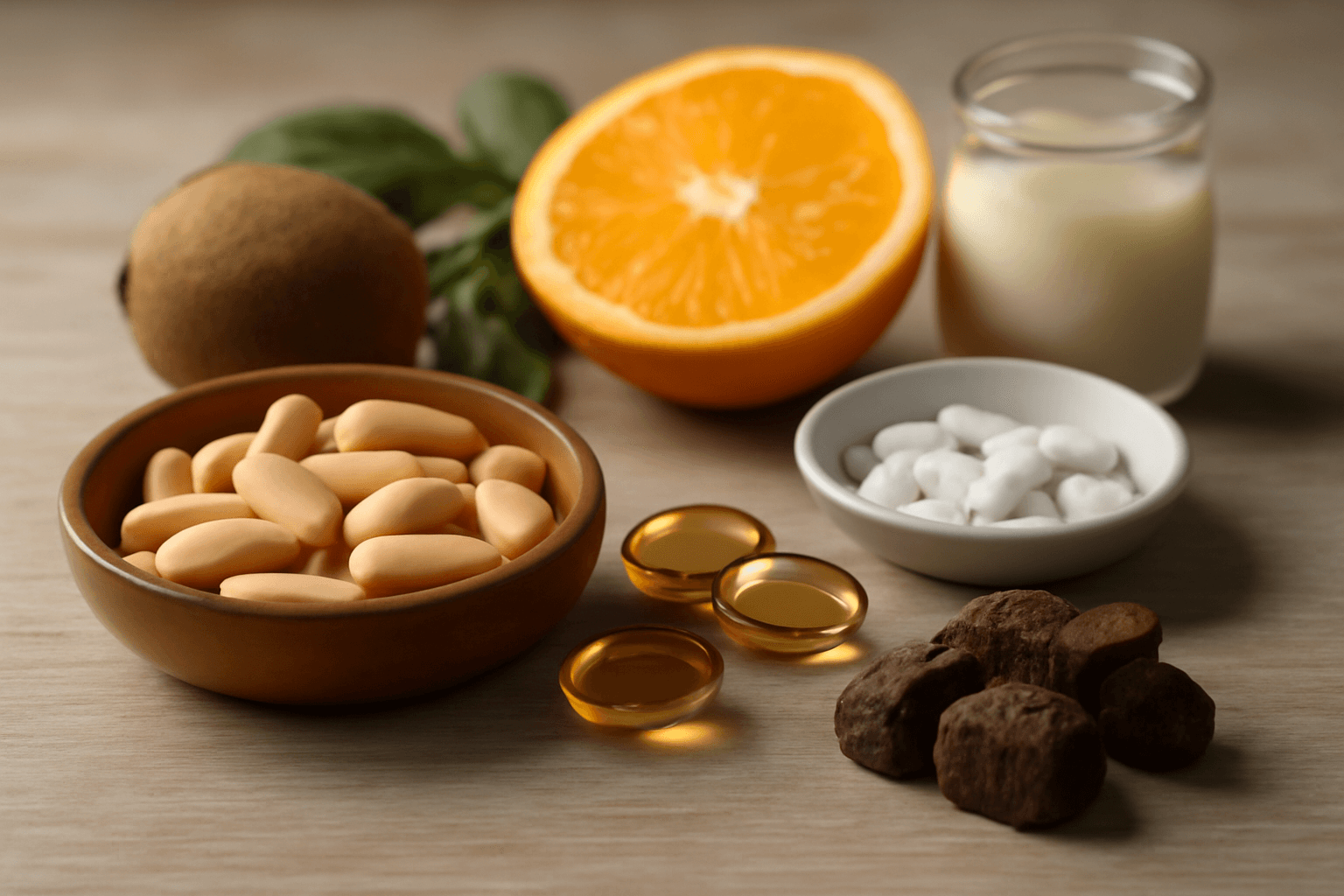
The modern American diet is centered on processed foods and refined carbohydrates, creating a chronic deficiency in several nutrients essential for maintaining health. According to data from the Centers for Disease Control and Prevention (CDC), approximately 92% of Americans fail to meet recommended vitamin D intake, while deficiencies in iron, magnesium, vitamin B6, and fiber are also widespread. These nutritional imbalances lead to fatigue, weakened immunity, digestive problems, and increased risk of chronic diseases. This post analyzes the five most common nutrient deficiencies in the standard American diet and presents both the role of each nutrient and practical food-based solutions.
Nutrients That Are Easily Deficient: Status and Causes
The nutritional deficiency problem experienced by Americans is not simply a matter of insufficient food intake. According to U.S. Department of Agriculture (USDA) nutritional monitoring data, the average American consumes only 66% of the daily recommended amount of magnesium, while iron is sufficient in men but approximately 9-10% of pre-menopausal women are deficient.
The primary cause of these deficiencies is the food industry's refining process. When whole grains are processed into refined grains, over 70% of B vitamins, iron, and magnesium are lost. Additionally, soil depletion in modern agriculture has reduced the mineral content of vegetables and fruits by 25-50% compared to the 1950s. The excessive consumption of fast food and processed foods creates a vicious cycle of providing satiety while delivering very little actual nutritional value.
Particularly in low-income areas, access to fresh fruits and vegetables is limited, making nutritional deficiency even more severe. These areas are called "food deserts," where residents' vitamin C, vitamin D, and fiber intake falls below 50% of national recommendations.
Vitamin B6: An Essential Assistant to the Nervous and Immune Systems
Vitamin B6 (pyridoxine) is a water-soluble vitamin directly involved in the formation of neurotransmitters, protein metabolism, and blood cell formation. According to the 2015-2016 National Health and Nutrition Examination Survey from the National Institutes of Health (NIH), approximately 8% of women and 5% of men ages 19-50 show vitamin B6 deficiency. The deficiency rate increases further in the population over 50 years old.
Early symptoms of vitamin B6 deficiency are subtle: chronic fatigue, difficulty concentrating, tingling fingers, and inflammation around the lips (angular cheilitis). In severe cases, it can lead to nerve damage and reduced immune function. People taking antidepressants or rheumatoid arthritis medications are particularly vulnerable, as their vitamin B6 absorption is impaired and supplementation becomes essential.
Foods Rich in Vitamin B6:
- Chicken breast (0.88mg per 100g) - the highest content among all B6-containing foods
- Chickpeas and lentils (0.58-0.72mg per cup)
- Avocado (0.30mg per fruit, promotes fat absorption)
- Salmon (0.94mg per 100g, also provides omega-3)
- Potatoes (0.30mg per medium potato, higher when skin is included)
- Pistachios (0.25mg per ounce)
The daily recommended amount is 1.3mg for adult men, 1.7mg for men over 50, 1.3mg for adult women, and 1.5mg for women over 50. Excessive cooking of foods causes 30-40% loss of vitamin B6, so steaming or baking rather than boiling is more effective.
Vitamin D: The Amazing Role of the "Sunshine Vitamin"
Vitamin D is a unique nutrient synthesized in the skin through sun exposure, yet approximately 41% of Americans are deficient (serum 25-hydroxyvitamin D levels below 20ng/mL). Residents in northern regions during winter have deficiency rates exceeding 60%. Vitamin D deficiency extends far beyond bone health issues and is directly linked to increased risk of cancer, cardiovascular disease, and autoimmune diseases.
Multiple Functions of Vitamin D: Promoting calcium absorption to maintain bone density, regulating the expression of approximately 900 genes, activating immune cells (T cells), suppressing inflammation, and promoting neuroplasticity (brain plasticity). Serum vitamin D levels of 30ng/mL or above are considered optimal.
Practical Strategy for Securing Vitamin D:
- Sun Exposure: 3-4 times per week, 10-30 minutes around midday with arms and legs exposed (darker skin tones require longer exposure)
- Food Sources (recommended 600-800 IU daily):
- Fatty fish (salmon 447 IU per 100g, mackerel 360 IU per 100g)
- Egg yolks (37-40 IU per egg)
- Mushrooms (portobello mushrooms exposed to sunlight 450 IU per 100g)
- Fortified milk (100-200 IU per cup)
- Supplements: For those in winter, those with limited sun exposure due to indoor occupations, or those with darker skin tones, consultation with healthcare professionals is recommended before taking 800-2000 IU daily supplements
Caution: Long-term intake of more than 4000 IU daily carries toxicity risk, so blood testing to confirm current levels before supplement use is essential.
Fiber: The Silent Guardian Protecting Your Digestive System
The average daily fiber intake for Americans is 15g, which is 40-60% of the recommended amount (25g for women, 38g for men). This means most Americans are chronically deficient in fiber. Insufficient fiber intake goes beyond simple constipation and increases the incidence of colorectal cancer, cardiovascular disease, and type 2 diabetes by 30-40%.
The Multi-Layered Role of Fiber: Serving as a prebiotic to promote the growth of beneficial gut bacteria (probiotics), lowering the glycemic index to prevent insulin spikes, reducing LDL cholesterol by 13-18%, extending satiety to promote weight management, and stimulating intestinal motility. According to recent research (2019 Lancet), people consuming 25-29g of fiber daily have 15% lower early mortality rates compared to those consuming less.
Fiber Intake Strategy (Balancing Insoluble and Soluble Fiber):
- Insoluble Fiber (stimulates intestinal movement):
- Whole grains (brown rice 3.5g per cup, whole wheat bread 2-3g per slice)
- Green vegetables (broccoli 2.4g per cup, spinach 0.7g per cup)
- Nuts and seeds (almonds 3.5g per 28g)
- Soluble Fiber (regulates blood sugar and cholesterol):
- Oats (4g per 1/2 cup dry oats)
- Legumes (black beans 15g per cup, lentils 15.6g per cup)
- Fruits (berries, medium apple 4.4g, medium pear 5.5g)
- Avocado (10g per fruit, highest among all fruits)
Important Precautions When Increasing Fiber Intake: Rapid increases in fiber can cause bloating, gas, and abdominal cramping. Increase daily intake by 3-5g every 1-2 weeks gradually, while simultaneously increasing water intake to 2-3 liters. Without sufficient water, fiber can actually worsen constipation. Those diagnosed with intestinal disorders (Crohn's disease, ulcerative colitis) should consult healthcare professionals before adjusting intake amounts.
Additional Deficient Nutrients: Magnesium and Iron
Magnesium is an essential mineral participating in over 300 enzymatic reactions in the body, yet approximately 48% of Americans fall short of recommended amounts. Magnesium deficiency causes muscle cramps, migraines, anxiety, insomnia, and can even be a factor in arrhythmias. During refined grain processing, 80-90% of magnesium is removed, which is a structural cause of American nutritional deficiency.
Magnesium-Rich Foods: Dark chocolate (70% cacao or higher, 64.5mg per ounce), pumpkin seeds (168mg per ounce), almonds (76.5mg per ounce), cooked spinach (157mg per cup), black beans (120mg per cooked cup), cashews (82.3mg per ounce), brown rice (84mg per cup). The daily recommended amount is 400-420mg for men and 310-320mg for women.
Regarding iron, 9-10% of pre-menopausal women and 15-35% of vegetarians are deficient. Iron deficiency results in decreased energy, reduced concentration, weakened immunity, and in severe cases progresses to iron deficiency anemia. Animal-based heme iron (red meat, oysters, liver) has 2-3 times higher absorption rates than plant-based non-heme iron (beans, lentils, fortified cereals), so vegetarians should consume vitamin C together to increase absorption rates.
Summary: A Practical Approach to Overcoming Nutritional Deficiency
Key Summary:
- Vitamin B6: Consuming chicken breast, chickpeas, and salmon 3-4 times per week can prevent deficiency.
- Vitamin D: Those in winter or in indoor occupations should increase intake of fortified dairy products and fatty fish, and take supplements under healthcare professional guidance if necessary.
- Fiber: Consume insoluble and soluble fiber in balance, and increase gradually with water intake.
- Magnesium and Iron: Make whole grains, nuts, green vegetables, and legumes foundational components of your diet.
Action Plan: Since individual eating habits and degree of deficiency vary, consultation with healthcare professionals (physician or registered dietitian) and blood testing are strongly recommended before beginning serious nutritional supplementation. Particularly for those with underlying conditions or taking medications, specific nutrient supplements can interact with medications. The safest and most sustainable approach is to reduce processed food consumption and increase the proportion of whole foods in your diet.