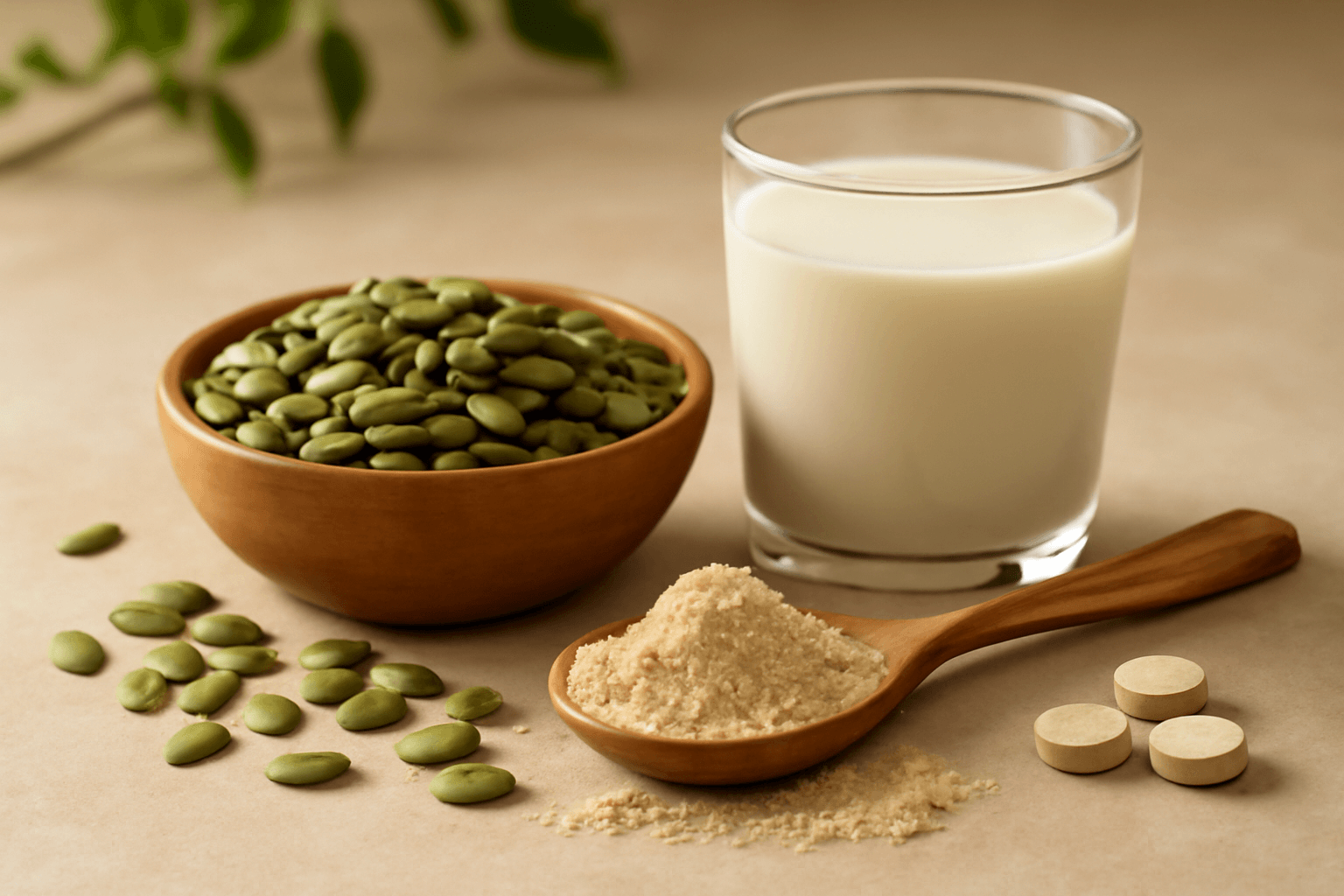
Pumpkin seed oil is a food that has traditionally been used as a natural remedy in various cultures. Recent scientific research has been supporting the health benefits of this oil, with five major benefits drawing particular attention: improved hair loss, prostate health, urinary tract health, and heart protection. The minerals rich in pumpkin seed oil, such as zinc, magnesium, and iron, along with antioxidant components, form the basis of these benefits. This article will examine each benefit in detail along with the scientific evidence for pumpkin seed oil.
5 Representative Benefits of Pumpkin Seed Oil
Pumpkin seed oil contains high levels of antioxidants and essential minerals, providing various health benefits. It is particularly known to be effective in improving men's health, hair health, and cardiovascular health.
- Hair Loss Improvement Effect: Promoting hair growth through improved scalp blood circulation and DHT inhibition
- Urinary Tract Health Improvement: Improving bladder function and preventing urinary tract infections
- Benign Prostatic Hyperplasia Improvement: Reducing prostate size and alleviating urination symptoms
- Heart Health Protection: Improving blood cholesterol levels and vascular health
- Rich in Nutrients: Contains zinc, magnesium, iron, calcium, and antioxidant components
1. It Can Improve Hair Loss
Pumpkin seed oil is showing remarkable effects in improving male pattern baldness (androgenetic alopecia). According to a study published by the Korean Dermatological Association in 2014, a group of men who consumed pumpkin seed oil for 24 weeks showed an increase of over 40% in hair count compared to the control group. This effect is due to the zinc and lignan components contained in pumpkin seed oil inhibiting the 5-alpha reductase enzyme, which converts testosterone to DHT (dihydrotestosterone).
The fat-soluble antioxidant components in pumpkin seed oil improve blood circulation in the scalp, enhancing nutrient supply to hair follicles. In particular, components such as vitamin E and beta-carotene help reduce oxidative stress on the scalp and improve hair strength. In fact, regularly massaging pumpkin seed oil onto the scalp can lead to increased hair thickness and a slowdown in hair loss through improved blood flow.
When consuming pumpkin seed oil, it is recommended to take 1-2 tablespoons daily (approximately 10-20ml) consistently, and continuous consumption for at least 3 months or longer is necessary to see noticeable effects. For severe hair loss, it is advisable to consult with a dermatologist and combine medical treatment with pumpkin seed oil.
2. It Can Improve Urinary Tract Health
Pumpkin seed oil has been reported to be effective in preventing overactive bladder syndrome and urinary tract infections. In a study presented to the International Urology Association, women who consumed pumpkin seed oil extract for 3 months showed an average 24% reduction in nocturia (nighttime urination) frequency, and urinary urgency also improved significantly. This is because the phytosterols and amino acids contained in pumpkin seed oil improve the elasticity of bladder smooth muscle.
The anti-inflammatory components in pumpkin seed oil reduce inflammation in the urinary tract epithelial cells, lowering the risk of urinary tract infections. In particular, lignan and polyphenol components have antimicrobial effects, inhibiting the adhesion and proliferation of pathogenic bacteria. Clinical results show that pumpkin seed oil has demonstrated effects similar to cranberry supplements in preventing recurrent urinary tract infections, which women are particularly prone to experiencing.
For improving urinary tract health, it is recommended to consistently consume 10-15ml of pumpkin seed oil daily. However, if you are pregnant, nursing, or taking anticoagulants, you should consult with a healthcare provider before consuming it, and if you have symptoms of urinary tract infection, you must receive medical attention from a urologist.
3. It Can Improve Benign Prostatic Hyperplasia
Benign prostatic hyperplasia (BPH) is a common condition experienced by over 50% of elderly men. Pumpkin seed oil is showing noteworthy effects in improving symptoms of this condition. In a study presented to the European Association of Urology in 2009, patients with benign prostatic hyperplasia who consumed pumpkin seed oil extract for one year showed clear clinical improvement, including reduced urination frequency, improved urine flow, and decreased nocturia. The effect was particularly pronounced in patients with mild to moderate symptoms.
The therapeutic effect of pumpkin seed oil is mainly explained by two mechanisms. First, the zinc and selenium contained in the oil inhibit 5-alpha reductase, reducing DHT production. DHT is a major hormone that promotes proliferation of prostate cells; by inhibiting it, the oil prevents an increase in prostate size. Second, the anti-inflammatory components in pumpkin seed oil alleviate inflammation in prostate tissue and inhibit proliferation.
The recommended daily intake of pumpkin seed oil for improving benign prostatic hyperplasia is 10-20ml, and consistent consumption for at least 3-6 months is necessary for meaningful results. If you have symptoms such as weakened urine flow or difficulty urinating, you must receive a urological examination, and it is best to use pumpkin seed oil as an adjunct therapy under the guidance of a specialist.
4. It Can Improve Heart Health
Pumpkin seed oil contains a large amount of minerals and antioxidant components that are effective in protecting cardiovascular health. According to a study published in the Journal of Nutrition in 2011, the group that consumed pumpkin seed oil for 12 weeks showed an average 8-12% decrease in LDL cholesterol, and blood pressure also improved by 5-6mmHg based on systolic blood pressure. This is a level that can clinically reduce the risk of myocardial infarction by approximately 10%.
The heart-protective effects of pumpkin seed oil come from the complex interaction of multiple components. First, its high magnesium content (approximately 535mg per 100g) relaxes vascular smooth muscle and lowers blood pressure. Second, the polyunsaturated fatty acids contained in the oil reduce blood triglycerides. Third, vitamin E and other antioxidant components prevent the oxidation of LDL cholesterol, preventing blood vessel damage.
For improving heart health, it is good to consistently consume 1-2 tablespoons (approximately 10-20ml) of pumpkin seed oil daily. If you are taking blood pressure medications or anticoagulants, there is a possibility of drug interactions, so you must consult with a healthcare provider. Since pumpkin seed oil is a supplementary food and not a primary treatment for cardiovascular disease, if you have a diagnosed condition, you should use it in conjunction with medications prescribed by your doctor.
5. It Is a Nutrient-Rich Food
Pumpkin seed oil is an excellent source of essential minerals and vitamins with high bioavailability. Containing approximately 8mg of zinc per 100ml, it can provide over 70% of the daily recommended amount (11mg for adult men). Zinc is essential for over 200 enzyme reactions in the body, including immune system strengthening, DNA synthesis, protein metabolism, and wound healing. It plays a particularly important role in men's reproductive health and maintaining hormonal balance.
The magnesium content is also noteworthy. Pumpkin seed oil contains approximately 535mg of magnesium per 100g, which substantially meets the daily recommended amount (400mg for adult men, 310mg for women). Magnesium is essential for muscle relaxation, nerve function, energy production, and blood sugar regulation. Additionally, pumpkin seed oil is rich in iron (approximately 8.8mg/100g) and calcium (approximately 55mg/100g), helping with osteoporosis prevention and anemia improvement.
The antioxidant components in pumpkin seed oil are also worthy of note. Rich in carotenoids such as vitamin E, beta-carotene, lutein, and zeaxanthin, as well as polyphenols, it protects cells from oxidative stress. These antioxidant components contribute to chronic disease prevention, skin health, and vision protection. They also have a positive effect on blood sugar control, potentially helping to reduce type 2 diabetes risk and aid in blood sugar management for existing diabetic patients.
Summary
Pumpkin seed oil is a food that has been used for a long time in traditional medicine, and its efficacy is being validated through modern scientific research. In particular, four major benefits have been confirmed: improved hair loss, improved urinary tract health, improved benign prostatic hyperplasia, and heart health protection, with rich minerals and antioxidant components forming the foundation of these benefits.
Key Points When Consuming Pumpkin Seed Oil:
- Daily intake: 10-20ml (1-2 tablespoons) recommended
- Effect measurement period: Consistent consumption for at least 3-6 months or longer is necessary
- Main components: Zinc, magnesium, iron, antioxidant substances
- Selection criteria: Choose cold-pressed organic products
- Storage: Store in a cool, dark place, and consume within 3 months of opening
Cases Where Medical Professional Consultation is Necessary: If you are taking anticoagulants or blood pressure medications, are pregnant or nursing, have a diagnosed cardiovascular or prostate condition, or have severe hair loss or urinary symptoms, please consult with a healthcare provider before consumption.
Pumpkin seed oil is a safe natural food, but it does not produce the same effects for everyone. The degree of effect can vary depending on individual health status, genetic factors, lifestyle habits, and other factors. Therefore, think of pumpkin seed oil as a supplementary means for health management, but use it as part of a comprehensive health management plan that includes a balanced diet, regular exercise, and sufficient sleep for the most effective results.