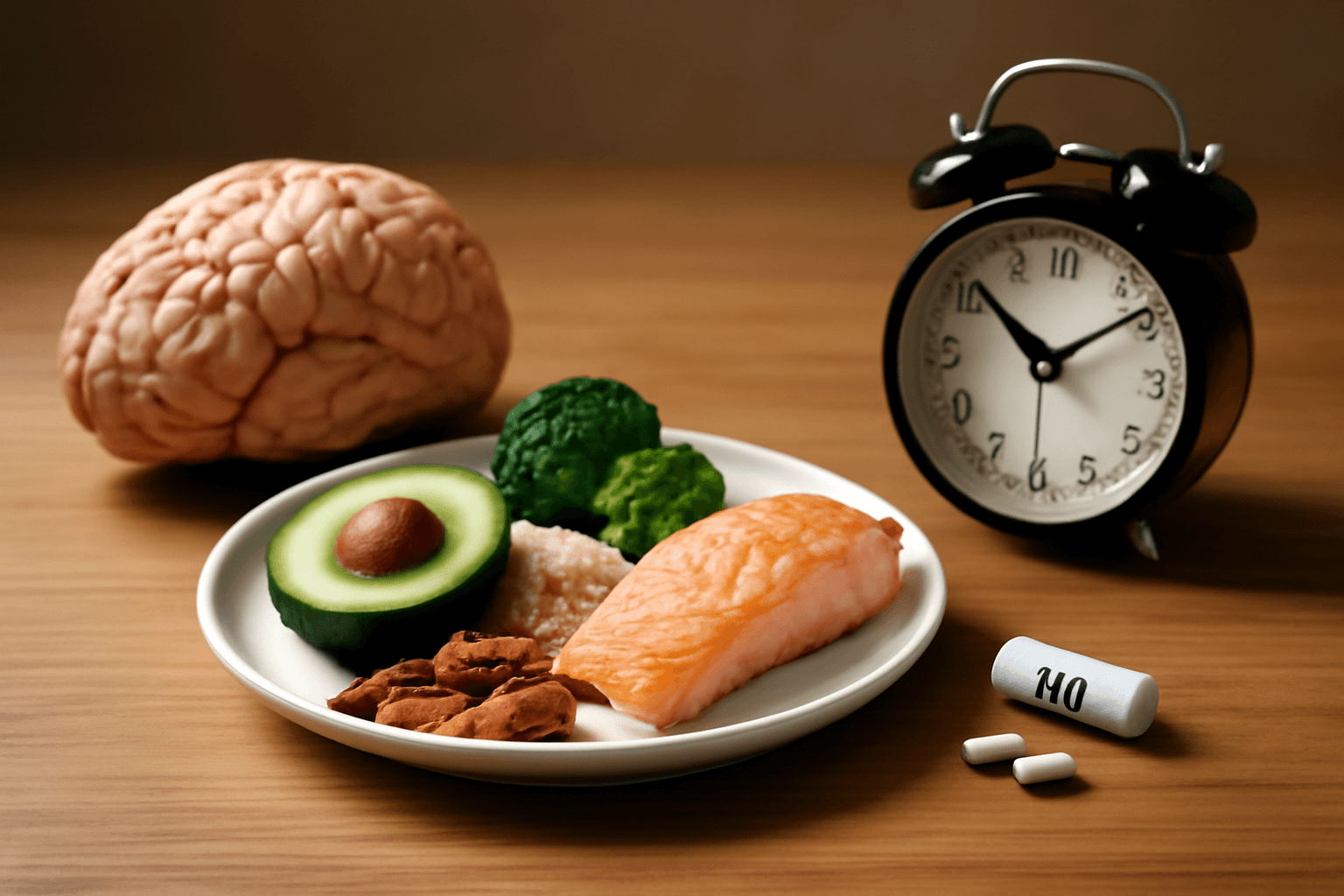
Stress is an unavoidable element in modern society. Our bodies and minds experience continuous strain due to various causes including work pressure, interpersonal conflicts, and health concerns. This chronic stress extends beyond mere mood issues, manifesting as physical symptoms such as sleep disorders, reduced digestive function, and weakened immunity. Fortunately, natural ingredients and nutrients can help alleviate the side effects of stress. This article introduces five natural essentials—bone broth, multi-collagen protein, essential oils, adaptogens, and matcha—that help restore balance to the body and manage stress effectively.
Stress and Its Negative Impact on Mind and Body
The stress response has evolved as a human survival mechanism. It involves the secretion of hormones such as adrenaline and cortisol that allow the body to respond immediately in dangerous situations. However, modern people are exposed to environments where this stress response persists throughout the day. Chronic stress maintains elevated cortisol levels, disrupting multiple systems in the body.
When stress persists, the following side effects occur:
- Reduced sleep quality: High cortisol maintains the brain's state of alertness, making it difficult to achieve deep sleep. Sleep deprivation creates a vicious cycle by further increasing stress hormones.
- Worsened digestive function: During stress, the parasympathetic nervous system is suppressed, reducing intestinal motility. This leads to decreased nutrient absorption and intestinal microbial imbalance.
- Reduced immunity: Research shows that chronic stress reduces NK cell (natural killer cell) activity by more than 50%.
- Musculoskeletal problems: Prolonged muscle tension from stress can develop into neck, shoulder, and joint pain.
- Emotional instability: Long-term elevation of stress hormones impairs serotonin production in the brain, deepening depression and anxiety.
Therefore, stress management is an essential element for overall health maintenance, extending far beyond simply finding mental peace.
1. Bone Broth Is Rich in Essential Amino Acids
Bone broth is a traditional food made by slowly simmering animal bones, cartilage, and tendons for hours. This process extracts collagen, gelatin, and minerals into the broth, giving it exceptional nutritional value.
The most important components of bone broth are essential amino acids. Glycine, a key amino acid found in bone broth, helps calm the nervous system and alleviate anxiety. Research shows that glycine shortens the time to fall asleep and improves sleep quality. Additionally, glycine acts as a neurotransmitter and alleviates stress-related muscle tension.
Another key component in bone broth is proline. Proline is essential for maintaining intestinal barrier integrity and is effective in preventing leaky gut syndrome. Since stress weakens barrier function, the proline in bone broth helps repair it.
Practical recommendations for bone broth consumption:
- Consume 200-250ml, 3-5 times per week
- Better absorption when consumed before breakfast or in the evening
- Either prepare it yourself or choose a reliable product
- Check sodium content (within the daily recommended 2,300mg)
Medical professional note: If you have osteoarthritis or joint problems, the collagen and gelatin in bone broth may provide additional benefits. However, if you have elevated uric acid levels or gout, consult a doctor beforehand.
2. Multi-Collagen Protein and Sleep
Collagen is the most abundant protein in the human body, forming the structural foundation of skin, bones, joints, and internal organs. Multi-collagen is a product containing all types 1-5 collagen, supporting multiple body systems simultaneously.
In terms of stress management, collagen's role is particularly important. The glycine in collagen acts as a nervous system sedative, contributing particularly to muscle relaxation at night and achieving deep sleep. Since sleep is the most important factor in stress recovery, collagen protein directly improves sleep quality.
One study found that participants who consumed 3g of glycine before bed experienced an average 10-minute reduction in sleep onset time and a 22% improvement in sleep depth compared to the control group. This led to reduced fatigue and improved cognitive function the following day.
Additionally, collagen supports gut health. Stress-induced increased intestinal permeability makes immune responses oversensitive, which in turn increases inflammation. Collagen's amino acid profile strengthens the tight junctions of intestinal wall cells, preventing this issue.
How to use multi-collagen:
- Consume 10-15g daily (typically 1-2 scoops)
- Mix into warm beverages (milk, tea, broth)
- Take after dinner or one hour before bedtime
- Consume with foods containing vitamin C to increase collagen absorption
Medical professional note: If you have allergies to animal-derived collagen products or maintain a vegan diet, consider plant-based collagen boosters or amino acid complexes that promote collagen synthesis.
3. Essential Oils and Cortisol
Essential oils are concentrated plant extracts and are the cornerstone of aromatherapy. Several essential oils have demonstrated direct effects in reducing the body's stress hormones.
Lavender essential oil: One of the most extensively researched essential oils. Research shows that participants who inhaled lavender essential oil scent for 12 weeks experienced an average 26% reduction in cortisol levels. Linalool, a key component of lavender, activates calcium channels in nerve cells, lowering neuronal excitability.
Roman chamomile essential oil: Improves digestive function while providing emotional stability. Chamomile's active compounds weakly bind to benzodiazepine receptors in the brain, working through a mechanism that alleviates anxiety.
Bergamot essential oil: A citrus oil with excellent mood-enhancing effects. The limonene component in bergamot promotes dopamine release in the brain, inducing positive emotions.
Frankincense essential oil: Deepens breathing and enhances meditation quality. Since deep breathing itself activates the parasympathetic nervous system to alleviate stress responses, the deep breathing induced by frankincense scent produces additional stress-reducing effects.
Safe usage of essential oils:
- Aromatherapy via diffuser: Once per 15-20 minutes, 3-4 times daily
- Never apply directly to skin without dilution (must be diluted with carrier oil)
- Dilution ratio: 2-3 drops of essential oil per 10ml of carrier oil
- Adjust concentration if pregnant women or children are in the household
- Choose high-quality therapeutic grade oils
Medical professional note: Essential oils are complementary therapy. If you have serious anxiety disorders or sleep disorders, prioritize medical diagnosis and treatment from a doctor, using essential oils only as a complementary therapy. Especially if you're taking medications, confirm the possibility of interactions with a healthcare professional.
4. Adaptogens Help Maintain Balance
Adaptogens are plant components that help the body adapt to stress. They are characterized by normalizing stress responses—lowering cortisol when it's elevated and raising it when it's deficient, thereby balancing hormones.
Magnesium supplementation: While not technically an adaptogen, magnesium is an essential mineral for stress management. Under stress, the body consumes large amounts of magnesium. Consequently, magnesium deficiency worsens anxiety, muscle cramps, and sleep disorders. Magnesium glycinate is the most absorbable form and provides dual calming effects through its combination with glycine. A daily intake of 300-400mg is recommended.
Ashwagandha: A representative adaptogen used in traditional Indian medicine (Ayurveda). Participants who consumed 600mg of ashwagandha for 8 weeks experienced a 28% reduction in cortisol levels and a 44% improvement in anxiety scores. Withanolide, the active component of ashwagandha, directly affects the hypothalamic-pituitary-adrenal (HPA) axis, which regulates stress hormone secretion.
Holy Basil (Tulsi): Effective against physical, chemical, and psychological stress. Research participants who took 250mg of holy basil daily for 8 weeks showed a 39% decrease in anxiety and a 71% decrease in depression.
Rhodiola: Characterized by its ability to recover from fatigue. It's effective for mental fatigue, reduced concentration, and loss of motivation caused by stress. Twelve weeks of 600mg rhodiola extract consumption significantly improved fatigue caused by work stress.
Precautions when taking adaptogens:
- Consistent intake for at least 4-8 weeks is necessary to increase effectiveness
- Start with one product and observe body response before adding others
- Take energy products (Rhodiola) in the morning and calming products (Ashwagandha) in the evening
- High potential for drug interactions, so consult a healthcare professional before taking with existing medications
Medical professional note: Adaptogens affect hormones and the nervous system, so those being treated for thyroid disease, autoimmune disease, or psychiatric illness should consult a doctor before use. Pregnant and breastfeeding women should avoid most adaptogens.
5. Matcha, Energy, and Mindset
Matcha is a traditional Japanese green tea with far superior nutritional value compared to regular green tea. Since the entire tea leaf is consumed as powder, the concentration of antioxidant components reaches 137 times that of regular tea.
L-Theanine and Alpha Brain Waves: The most important component of matcha is L-theanine, an amino acid. This compound is one of the rare substances that crosses the blood-brain barrier to reach the brain. L-theanine increases the production of alpha waves (8-12Hz) in the brain. Alpha waves represent a state of wakefulness combined with calmness—the brain waves we produce during meditation. This differs significantly from the beta waves (13-30Hz, stress state) induced by caffeine.
According to research, within 40 minutes of consuming 100mg of L-theanine, alpha wave activity increased significantly, and participants experienced a state described as "calm yet focused." This is the optimal mental state for maintaining composure even in stressful situations.
Synergy of Caffeine and L-Theanine: Matcha contains approximately 70mg of caffeine (about one-third of one cup of coffee). Interestingly, L-theanine mitigates caffeine's side effects. L-theanine delays caffeine absorption and promotes GABA (gamma-aminobutyric acid) production, preventing nervous system hypersensitivity. As a result, matcha uniquely provides both energy and calming effects simultaneously.
Improved Cognitive Flexibility: Epigallocatechin gallate (EGCG), matcha's most powerful antioxidant component, promotes the production of brain-derived neurotrophic factor (BDNF). BDNF is responsible for the growth of brain neurons and neuroplasticity—the higher it is, the easier it becomes to learn new information, solve problems, and shift perspectives. It becomes possible to break free from fixed thinking patterns trapped by stress and engage in flexible thinking.
Practical recommendations for matcha consumption:
- 1-2 times daily, using 1-2 teaspoons (2-4g) of matcha powder
- Mix with warm water (100ml) at 70-80°C (too hot damages nutritional value)
- Whisk with a traditional bamboo whisk for more oxygen intake, activating the parasympathetic nervous system
- Avoid consumption after 3pm to prevent nighttime sleep disruption
- Choose certified organic products to minimize pesticide exposure
Matcha is not merely a beverage—it conveys a message to the body: "Don't lose yourself amid stress, yet maintain your energy." Regular matcha consumption gradually enhances the body's ability to respond to stress itself over time.
Medical professional note: If you have high caffeine sensitivity or anxiety disorders, consider "low-temperature matcha" products with reduced caffeine content, or cut your intake in half. Also, due to possible iron absorption inhibition, consult a doctor if you have anemia symptoms.
Summary
Stress management cannot be solved with a single solution. Since multiple systems in the body are affected by stress simultaneously, these five natural essentials support stress recovery from different angles:
- Bone broth provides essential amino acids that directly rebuild the nervous system and gut health.
- Multi-collagen protein enables deep sleep, promoting fundamental body recovery.
- Essential oils create breathing room in daily life through immediate nervous system calming.
- Adaptogens support long-term restructuring that makes the hormone system itself more resilient to stress.
- Matcha maintains mental state as calm yet focused, enhancing psychological resilience against stress.
By utilizing all five comprehensively, you can simultaneously achieve physical recovery (bone broth, collagen), nervous system stabilization (essential oils, magnesium), hormonal balance (adaptogens), and mental stability (matcha).
However, an important point is that none of these products eliminates the root causes of stress. Instead, they increase the body's recovery capacity in response to stress, alleviate the physical symptoms of stress, and help maintain balance between mind and body even in stressful situations. Therefore, these natural essentials achieve maximum effectiveness when combined with practical solutions to stress causes (lifestyle changes, career counseling, relationship improvement, etc.).
Healthy stress management is a marathon. Rather than rushing to start only one or two things, I recommend starting slowly and consistently with what suits your physical and mental state. And if you have underlying conditions or are taking medications, consulting with a healthcare professional before using any product mentioned in this article is essential. I wish you healthy recovery.