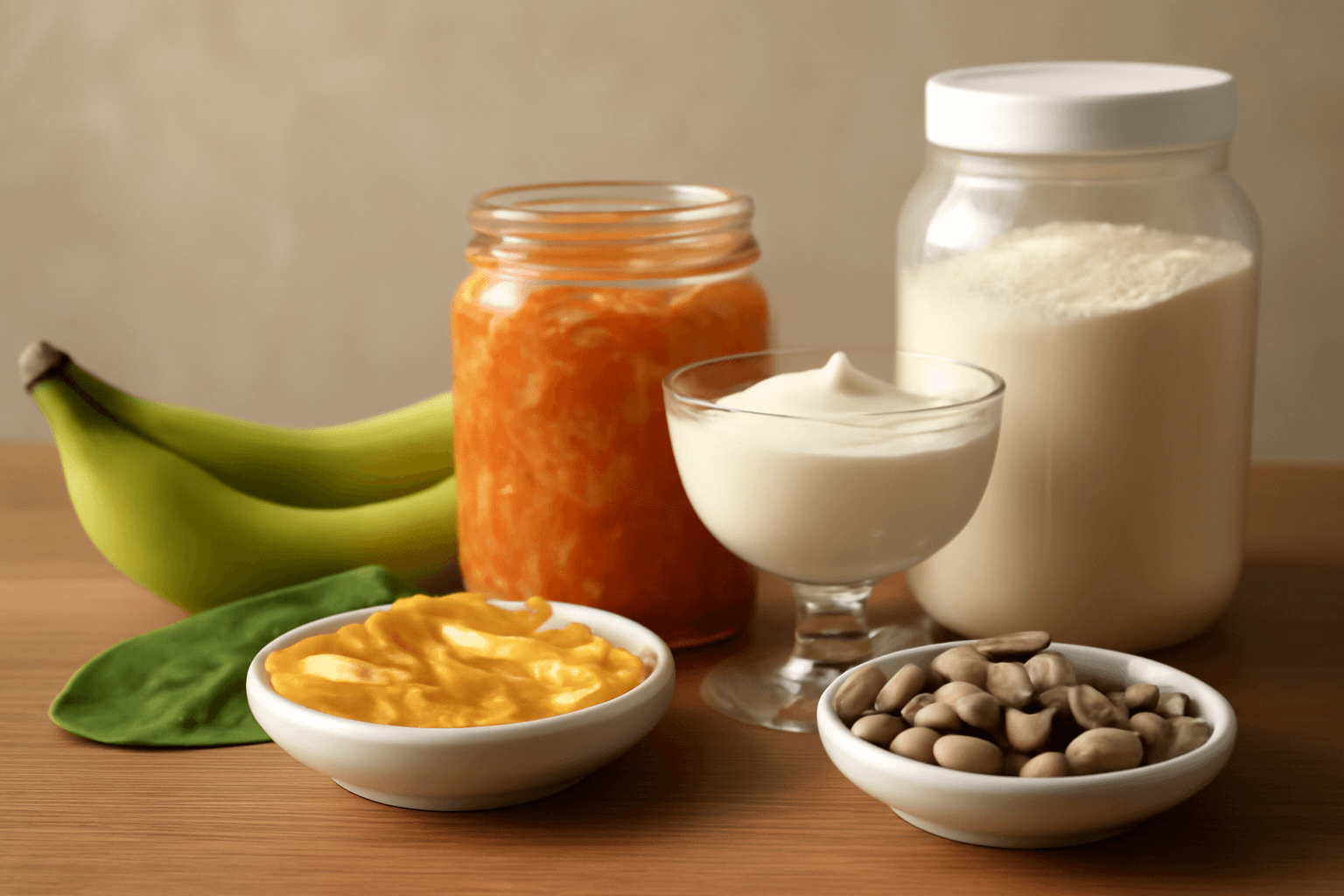
Indigestion is one of the most common health issues facing modern people today. As digestive function declines due to irregular eating habits, stress, and increased consumption of processed foods, symptoms such as abdominal bloating, heartburn, and delayed digestion appear. Fortunately, you can improve digestive health through natural methods without relying solely on medication. This article introduces 5 natural remedies for alleviating indigestion based on scientific evidence. Probiotics, digestive enzymes, dietary fiber, peppermint, and apple cider vinegar each support gut health and normalize digestive function through different mechanisms.
1. Improving Gut Microbiota with Probiotics
Probiotics are beneficial bacteria that form the foundation of gut health. Our intestines are home to approximately 37 trillion microorganisms, and their balance directly affects digestive function. When beneficial bacteria like Lactobacillus and Bifidobacterium are abundant, digestive efficiency increases. Conversely, when harmful bacteria proliferate, indigestion, abdominal bloating, and diarrhea occur.
According to a study published in the International Journal of Microbiology in 2020, the probiotic consumption group experienced a 45% reduction in indigestion symptoms compared to the control group after 8 weeks. In particular, multi-strain probiotics (containing various strains) were more effective than single-strain alternatives.
Probiotic-Rich Foods:
- Yogurt (1 cup daily, choose unsweetened products)
- Kimchi and pickled vegetables (1-2 spoonfuls as a side dish per meal)
- Miso and soy sauce (naturally fermented products)
- Kombucha (200ml or less per day)
- Kefir (fermented milk beverage, 1 cup)
Practical Tips: Probiotics are sensitive to heat, so choose raw fermented foods over cooked ones. Additionally, probiotics require food (prebiotics), which are abundant in foods like garlic, onions, and bananas. When taking probiotic supplements, select products with a CFU (colony forming unit) count of 10 billion or higher and store them in the refrigerator.
2. Promoting Food Breakdown with Digestive Enzymes
Digestive enzymes are catalytic proteins that break down proteins, carbohydrates, and fats into smaller molecules that can be absorbed in the intestines. As we age, or due to prolonged stress and irregular eating habits, enzyme secretion decreases, significantly reducing digestive efficiency.
In a clinical trial conducted by the American Gastroenterological Association, patients taking digestive enzyme supplements experienced a 62% reduction in post-meal abdominal bloating, and gas production decreased significantly. The effect was particularly pronounced when consuming high-fat or protein-rich foods.
Natural Digestive Enzyme Sources:
- Papaya: Contains papain enzyme, approximately 1 cup daily
- Pineapple: Contains bromelain, fresh pineapple only is effective (canned excluded)
- Ginger: Enhances stomach motility, consume as tea
- Kiwi: Rich in actinidin enzyme, recommended after meals
- Radish: Contains amylase, consume as fresh shreds or juice
Practical Tips: Digestive enzymes are most effective when taken during meals or immediately after. When choosing enzyme supplements, select products containing a variety of enzymes such as amylase (carbohydrates), protease (proteins), and lipase (fats). Since heat destroys enzymes, it's best to consume them with raw foods or foods cooked at low temperatures.
3. Promoting Intestinal Motility and Blood Sugar Stabilization with Dietary Fiber
Dietary fiber is an indigestible carbohydrate that stimulates intestinal peristalsis to move food smoothly through the digestive tract. It also prevents rapid blood sugar spikes, lowers cholesterol levels, and strengthens immunity. The average South Korean adult's fiber intake is only about 60% of the recommended amount, indicating a serious deficiency.
In a 2022 clinical gastroenterology study, the group consuming 25-30g of fiber daily showed a 58% greater improvement in indigestion compared to those who didn't. In particular, soluble fiber (beta-glucan, pectin) serves as food for beneficial gut bacteria, creating synergistic effects with probiotics. Additionally, by lowering the glycemic index, it's effective for energy stabilization and weight management.
Fiber-Rich Foods (per serving):
- Oats: 1/2 cup (8g fiber, blood sugar stabilization effect)
- Lentils: 1 cup (15g fiber, excellent satiety)
- Blueberries: 1 cup (4g fiber, antioxidant content)
- Avocado: 1/2 (7g fiber, contains omega-3)
- Broccoli: 1 cup (3g fiber, rich in potassium)
- Sweet Potato: 1 medium (4g fiber, high satiety)
- Almonds: One handful (about 23) (3.5g fiber)
Practical Tips: Sudden high fiber intake can actually worsen abdominal bloating, so increase gradually over 2-3 weeks. Simultaneously, increase water intake to at least 2 liters daily for fiber to function properly. It's important to choose whole grains and fresh vegetables/fruits over processed foods. Combining with aerobic exercise (30 minutes daily, 5 times weekly) will further enhance intestinal motility.
4. Relaxing Digestive Muscles with Peppermint Tea
Menthol contained in peppermint acts as a natural muscle relaxant that relaxes the smooth muscles of the digestive tract. This alleviates abdominal pain caused by cramping and facilitates smooth passage of food. This plant, used for a long time in traditional medicine, has also had its efficacy proven in modern medical research.
According to a meta-analysis published in the Journal of Digestive Diseases in 2019, patients with irritable bowel syndrome who took peppermint oil capsules for 8 weeks experienced over a 50% reduction in abdominal pain. It showed particularly notable effects in people with IBS (irritable bowel syndrome), with no significant side effects.
Methods of Consuming Peppermint:
- Fresh mint tea: Steep a handful of fresh mint leaves in boiled water for 5-10 minutes (2-3 cups daily, 30 minutes after meals)
- Dried peppermint tea: Steep 1-2 spoonfuls of dried leaves or a tea bag in 150ml of hot water
- Peppermint oil capsules: Choose enteric-coated products (to prevent breakdown by stomach acid), take 30 minutes before meals
- Peppermint water: Add one or two drops of commercial peppermint water to water
Practical Tips: Since peppermint relaxes the esophageal sphincter, those with acid reflux disease should avoid it. Excessive consumption (3 or more cups daily) can cause headaches or digestive side effects, so stick to appropriate amounts. If you're pregnant or taking certain medications, consult with a doctor before consuming peppermint.
5. Promoting Stomach Acid Secretion with Apple Cider Vinegar
While it may sound paradoxical, many cases of indigestion actually stem from insufficient stomach acid production. The acetic acid in apple cider vinegar promotes stomach acid secretion to improve food breakdown. It also provides additional health benefits including blood sugar stabilization, potassium supply, and immune enhancement.
According to a study published in the 2021 Nutrition Reviews, the group that consumed 1 tablespoon of apple cider vinegar diluted in water before meals experienced a 19% reduction in blood sugar spikes and experienced more sustained satiety. Digestion-related symptoms improved, and particularly the feeling of food lingering in the stomach (delayed digestion) was improved.
Methods of Consuming Apple Cider Vinegar:
- Basic beverage: Mix 1 tablespoon of vinegar in 200ml of water (consume 15-20 minutes before meals)
- Enhanced version: 200ml water + 1 tablespoon apple cider vinegar + 1/2 tablespoon raw honey + 3-4 slices of ginger
- Dressing: Use in salads at a 3:1 ratio of olive oil to apple cider vinegar (promotes omega-3 absorption)
- Evening beverage: 200ml lukewarm water + 1 tablespoon vinegar + 1/4 teaspoon cinnamon (blood sugar stabilization and sleep improvement)
Practical Tips: Choose 100% raw apple cider vinegar. Products that haven't been heat-treated and contain "Mother" (the bacterial culture) allow you to consume probiotics as well. Never drink it undiluted; dilute it at minimum in a 1:10 ratio to prevent tooth enamel and esophageal damage. Those with stomach ulcers or symptoms of excessive stomach acid should avoid it. Since it can interact with certain medications (especially diabetes medications, diuretics, and calcium channel blockers), consult with a doctor if you're taking any medications.
Summary: 5 Key Points for Improving Digestive Health
1. Restoring Gut Microbiota Balance: Daily consumption of probiotic-rich fermented foods (yogurt, kimchi, miso) increases beneficial bacteria numbers. This can reduce indigestion symptoms by 45%.
2. Promoting Food Breakdown: Consuming natural digestive enzyme foods like papaya, pineapple, and ginger during or after meals significantly improves digestive efficiency.
3. Improving Intestinal Motility: Gradually increase daily dietary fiber intake to 25-30g and combine with adequate water consumption (2 liters or more). Aerobic exercise also promotes intestinal motility.
4. Alleviating Muscle Cramping: Drinking peppermint tea 30 minutes after meals allows the smooth muscles of the digestive tract to relax, reducing abdominal pain by over 50%.
5. Activating Stomach Acid Secretion: Drinking diluted apple cider vinegar before meals promotes stomach acid secretion, improving food breakdown. At the same time, it stabilizes blood sugar levels.
Comprehensive Implementation Plan: Apply all 5 methods simultaneously, but add one at a time in 2-3 week intervals to observe your body's response. Since each individual's constitution and symptoms differ, not all methods are equally effective for everyone. Especially if you have underlying conditions (stomach ulcers, acid reflux disease, bile duct disease) or are taking medications, it's safer to consult with a healthcare professional before starting.
⚠️ Recommendation for Medical Professional Consultation: If indigestion persists for 2 weeks or longer, or if accompanied by symptoms such as abdominal pain, bloody stools, severe nausea, or weight loss, consult with a gastroenterologist. While natural remedies are effective for prevention and symptom relief in mild cases, diagnosis and treatment of serious conditions (gastritis, Crohn's disease, celiac disease, etc.) require medical intervention.