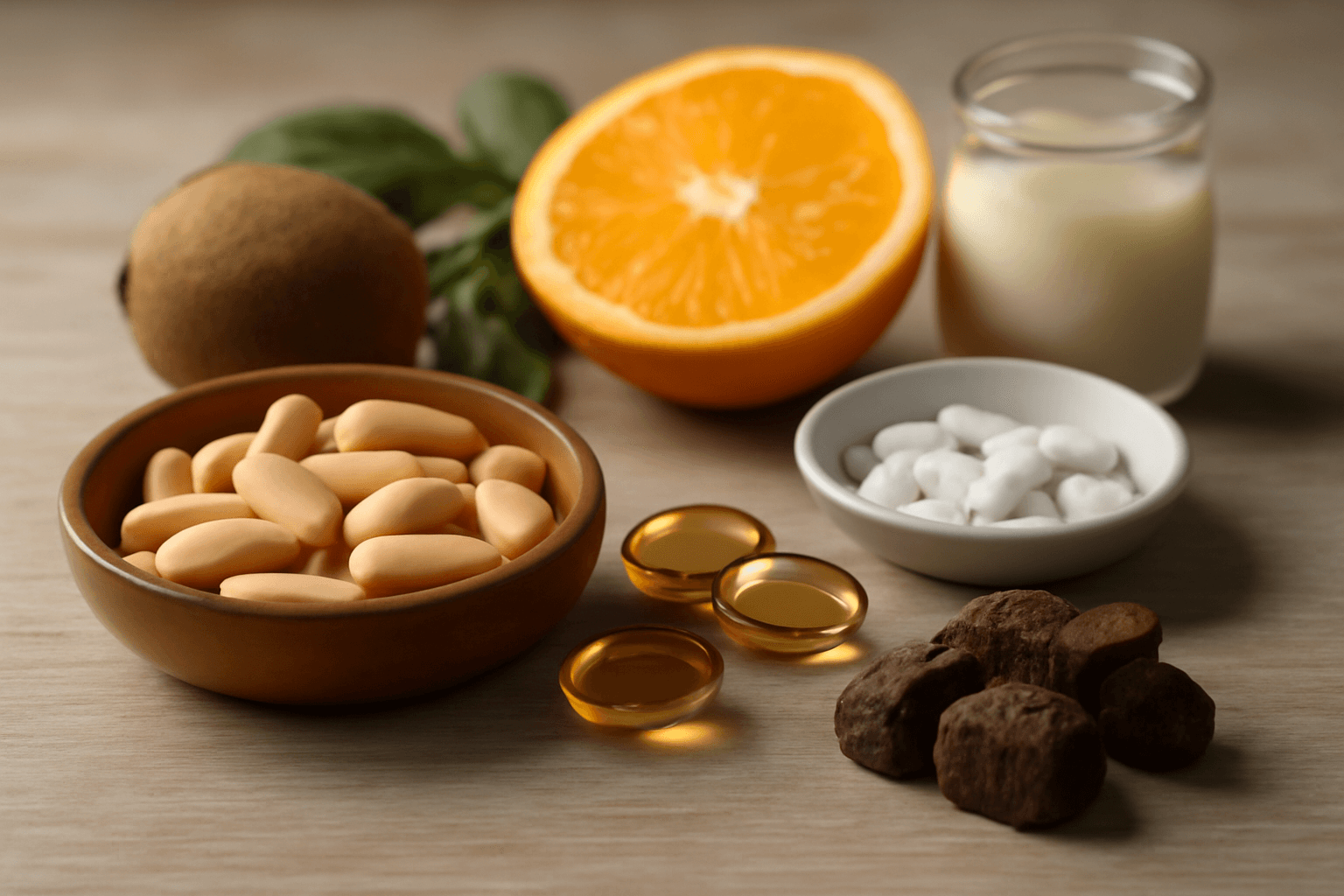
Women in their 50s experience a period of rapid physical change. Hormonal shifts from menopause, decreased muscle mass, reduced bone density, and slowed metabolism all occur simultaneously. To address these changes, simply managing calories is insufficient; instead, strategic intake of specific nutrients such as protein, calcium, iron, vitamin D, and omega-3s is essential. This article presents science-based dietary strategies to support healthy aging in women over 50.
What Changes Occur in the Body After Age 50?
Women experience a sharp decline in estrogen and progesterone levels around menopause. Since estrogen is a key hormone that regulates calcium absorption in bones, its decrease directly results in reduced bone density. In fact, women in their 50s lose 1-2% of their bone density annually, which is twice the rate in men.
At the same time, muscle mass also decreases. After age 40, 3-8% of muscle is lost each year, a condition called "sarcopenia." Muscle loss lowers basal metabolic rate, leading to weight gain, and reduces body stability, increasing the risk of falls. Simultaneously, immune function weakens, making the body more vulnerable to infections, and wound healing slows down.
Additionally, postmenopausal women experience reduced iron absorption capacity, and decreased stomach acid secretion makes vitamin B12 absorption difficult. Kidney function decline also alters vitamin D metabolism. Many of these changes can be significantly mitigated through dietary adjustments alone.
The Dietary Dilemma
Women in their 50s commonly face a contradictory situation. Hormonal changes make it easy to gain weight, creating a need for calorie restriction, while simultaneously requiring more nutrients. Although basal metabolic rate decreases by 10-15%, more nutrients are needed for bone health, muscle maintenance, and immune enhancement.
Standard low-calorie diets fail to meet these demands. For example, a 1,200-calorie diet makes it difficult to consume both necessary protein and trace nutrients simultaneously. Therefore, a "nutrient-dense diet" is essential—in other words, choosing foods that pack more nutrients into the same number of calories.
Another dilemma is the difficulty of calcium absorption. Postmenopausal women experience a 20-30% reduction in calcium absorption due to decreased stomach acid secretion. Therefore, simply increasing calcium intake is insufficient; combining it with vitamin D, magnesium, and adequate protein to promote absorption is crucial.
The Best Diet for Women Over 50
The ideal diet for women over 50 is based on the Mediterranean diet but with enhanced protein. This diet has proven most effective in preventing cardiovascular disease, type 2 diabetes, and cognitive decline.
This diet's composition is as follows:
- Protein (30%): Fish, poultry, tofu, eggs, low-fat dairy products, legumes
- Healthy fats (30%): Olive oil, avocado, nuts, fatty fish
- Complex carbohydrates (40%): Whole grains, vegetables, fruits
Specifically, the daily diet should include 3-4 varieties of colorful vegetables (leafy greens, orange and red vegetables), 2 types of seasonal fruits, whole grain products, and fish consumption at least twice weekly. Total daily calories should be adjusted within the 1,600-2,000 calorie range based on body composition and activity level.
Limit red meat to 1-2 times per week and avoid processed meats (sausage, bacon). Instead, consume fish 2-3 times weekly, prioritizing omega-3-rich varieties such as salmon, mackerel, and sardines.
Consuming Adequate Protein
The recommended protein intake for women in their 50s is 1.2-1.6g per kilogram of body weight. For a woman weighing 65kg, this means 78-104g of protein daily. This is 20-60% higher than the standard adult recommendation (1.0g/kg). This higher protein intake is necessary because the efficiency of muscle protein synthesis declines with age.
Protein should be distributed across 3-4 meals daily. Consuming about 25-35g per meal optimizes muscle protein synthesis. For example:
- Breakfast: 2 eggs (12g) + 150g Greek yogurt (20g) = 32g
- Lunch: 100g chicken breast (31g) + 1/2 cup beans (8g) = 39g
- Dinner: 120g fish (35g) = 35g
- Snack: 1 ounce cheese (7g) + handful of almonds (6g) = 13g
Additionally, consuming protein within 30 minutes after strength training increases muscle synthesis by over 40%. Whey protein is particularly effective for muscle stimulation due to its high leucine content, but natural foods like milk, eggs, and fish are equally adequate.
Diet for Strengthening Bones
Since women can lose up to 10% of their bone density in the five years following menopause, a bone health diet is essential. Calcium intake alone is insufficient; multiple nutrients must work together.
Calcium: The daily recommended amount is 1,200mg. Low-fat dairy (300mg per 200g yogurt), leafy greens like spinach and kale (100-150mg per cup), tofu (200-400mg per half block), canned sardines (300mg per 100g), and fortified plant-based milk (300mg per 200ml) are major sources.
Vitamin D: The key to calcium absorption. The recommended intake for women over 50 is 800-1,000 IU daily. It can be obtained from fatty fish (450 IU per 100g salmon), egg yolks (50 IU), and fortified milk (100 IU per 200ml), though supplements are essential in regions with insufficient sun exposure.
Magnesium: Essential for bone structure and calcium absorption. The daily recommended amount is 320mg. Pumpkin seeds (180mg per 1/4 cup), almonds (76mg per ounce), dark chocolate (64mg per ounce), and spinach (157mg per cup) are excellent sources.
Vitamin K: Promotes carboxylation of bone proteins. It is abundant in cruciferous vegetables like kale, broccoli, and Brussels sprouts, and the recommended 120mcg can be easily met with one cup.
Omega-3: Reduces bone loss through inflammation reduction. Consuming fish 2-3 times weekly or one tablespoon of flaxseeds (2.4g) and one tablespoon of chia seeds (5.1g) is beneficial.
Supplements to Meet Recommended Nutrient Intakes and Provide Additional Nutrients
Ideally, obtaining nutrients through food is best, but women over 50 may struggle to meet certain nutrient needs through food alone. Vitamin D and vitamin B12 in particular carry high deficiency risks.
Vitamin D: More than 25% of women over 50 are deficient in vitamin D. It is difficult to meet the recommended intake (1,000-2,000 IU) through food consumption alone, so a daily supplement of 1,000-2,000 IU is recommended. However, adjustments based on individual blood vitamin D levels (25-hydroxyvitamin D) are necessary, making regular blood tests important.
Vitamin B12: 10-20% of postmenopausal women experience B12 deficiency. Due to reduced absorption from food, monthly injections of 1,000mcg or daily oral supplements (1,000mcg) may be necessary.
Calcium supplements: If you cannot consume 800mg or more from food, a calcium supplement of 200-400mg is recommended. Calcium citrate is absorbed even in low-acid conditions, making it more suitable for women with reduced stomach acid.
Magnesium: If constipation is present, magnesium supplementation of 200-300mg can be helpful.
Omega-3 (fish oil): If fish intake is insufficient, a daily fish oil supplement of 1,000-2,000mg is beneficial. Check the content of EPA and DHA, and select products from reputable manufacturers considering potential contamination.
Caution: Supplements are not medications and may interact with certain prescription drugs. If taking blood thinners (warfarin), maintain consistent vitamin K intake, and since iron supplements reduce absorption when taken with calcium, they should be taken separately. Always consult with a doctor or registered dietitian to establish a personalized supplement plan.
Summary
Key Points for a Healthy Aging Diet for Women Over 50:
- Increase protein intake: 1.2-1.6g per kilogram of body weight (20-60% higher than average adults)
- Daily intake of 1,200mg calcium + 800-1,000 IU vitamin D
- Diverse trace nutrients including magnesium, vitamin K, and omega-3s
- Choose nutrient-dense foods based on the Mediterranean diet
- Consume fish (especially fatty varieties) 2-3 times weekly
- Strength training with protein consumption within 30 minutes post-exercise
- Review vitamin D and B12 supplements (personalized)
The 50s represent a period of dramatic physical change for women. However, much of this change can be mitigated through proper diet and lifestyle habits. Rather than simply losing weight, strategically choosing nutrient-rich foods and, when necessary, utilizing supplements under medical guidance can help you embrace a vibrant 50s and 60s.
Since individual health status, existing medical conditions, and medications vary, the information in this article is general guidance only. Always consult with a doctor or registered dietitian before making significant dietary changes or starting supplements. Regular health checkups and blood tests to monitor your nutritional status, with diet adjustments accordingly, are the wisest approach.