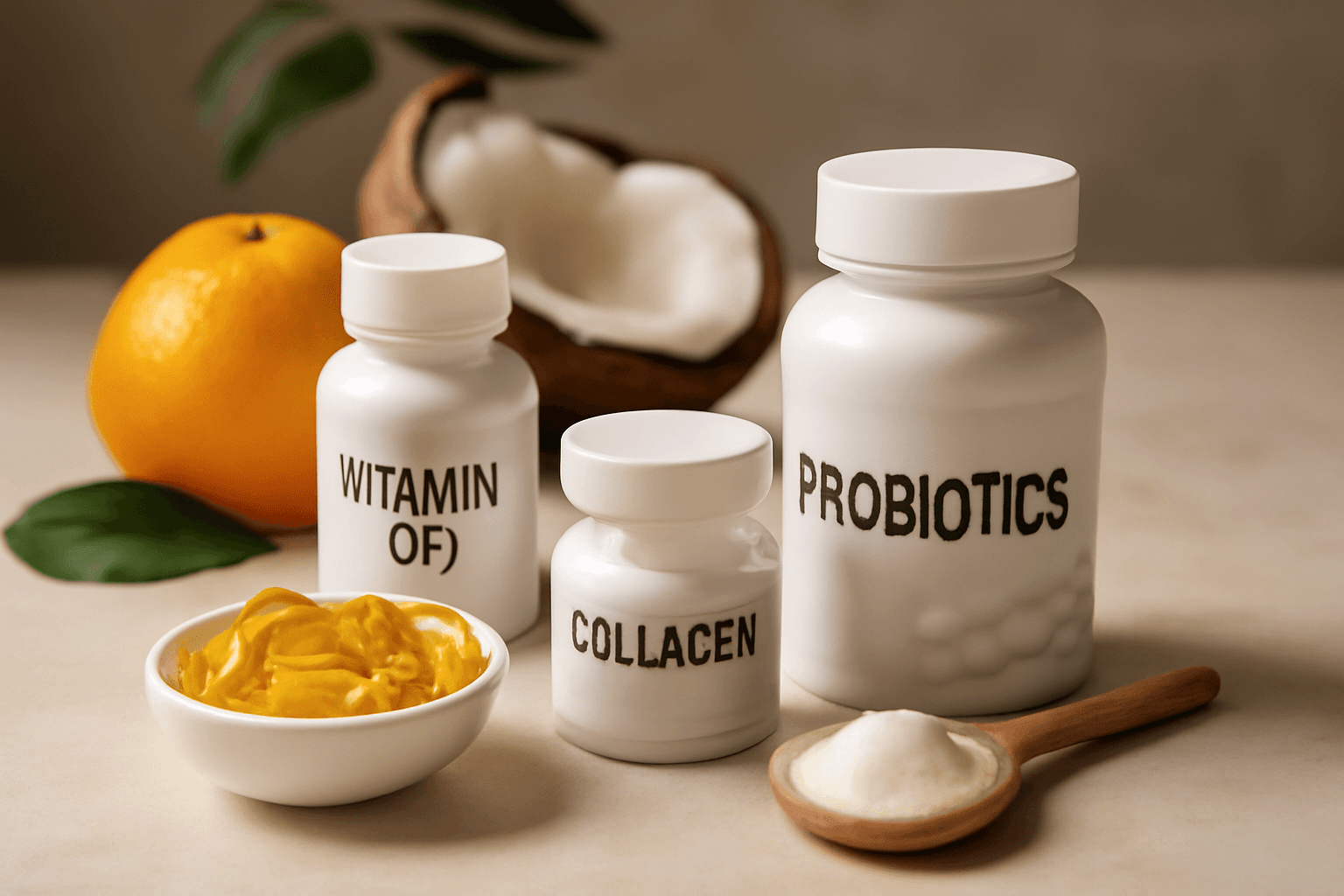
2021 was a year of notable changes in the health supplement industry. As consumer interest in health increased, demand surged for supplements across various categories, including immunity support, digestive health, and skin health. In this article, we'll introduce the 5 most popular supplements that stood out that year, and explain in detail each product's benefits, usage methods, and considerations for selection.
1. Probiotics: The Key to Digestive Health
Probiotics are live microorganisms that play a crucial role in digestive health and immune enhancement. The human gut contains approximately 100 trillion bacteria, and their balance significantly affects overall health. According to a 2021 International Probiotics Association report, the probiotic supplement market grew 23% year-over-year.
Key benefits of probiotics:
- Improved digestive function and reduced intestinal gas
- Relief from diarrhea and constipation symptoms (average improvement of 3-5 days in clinical trials)
- Enhanced gut health, which is responsible for 30% of immune cells
- Improved skin condition (gut-skin axis relationship)
- Reduced allergic reactions
To select an effective probiotic, the CFU (colony-forming units) count should be at least 10 billion or higher. It's good to choose products containing various strains such as Lactobacillus, Bifidobacterium, and Saccharomyces boulardii. Some products require refrigeration, so check the storage method, and if you're taking antibiotics, maintain at least a 2-hour gap between taking them and probiotics.
2. Collagen: Protein for Skin and Bones
Collagen comprises approximately 30% of the protein in the human body and is responsible for skin elasticity, bone strength, and joint flexibility. In 2021 cosmetic/nutritional supplement market analysis, collagen products recorded an annual growth rate of 35%, becoming the fastest-expanding category. In particular, hydrolyzed collagen (in peptide form) has an absorption rate in the body of over 90%, much higher than regular collagen.
Scientific evidence for collagen:
- Average 8% increase in skin moisture content after 12 weeks of consumption
- Improved joint pain (64% symptom relief in osteoarthritis patients)
- Enhanced bone density (especially effective for post-menopausal women)
- Improved digestive health (glutamine in collagen protects the intestinal lining)
- Strengthened hair and nails
Collagen supplements come in different types: Type I (skin), Type II (cartilage), and Type III (blood vessels). For comprehensive effects, choose a multi-type collagen product. Taking collagen with vitamin C promotes collagen synthesis, so it's recommended to take it with orange juice or supplement with vitamin C. The daily recommended amount is 10-20g, and you should continue for at least 8-12 weeks to experience noticeable changes.
3. Whey Protein: Essential Nutrients for Strength and Recovery
Whey protein is the most widely used product in the protein supplement market and is essential for muscle growth and recovery. Extracted from milk whey, it's a complete protein containing all 9 essential amino acids. In 2021, the protein supplement market reached approximately $9.2 billion, with whey protein accounting for about 40% of that.
Exercise benefits of whey protein:
- Average 122% increase in protein synthesis rate after strength training
- Increased muscle mass (average 1.3kg increase with 12 weeks of exercise plus whey protein)
- Reduced post-exercise muscle soreness (DOMS) (approximately 20% pain relief)
- Improved metabolic rate (3-10% increase in daily calorie expenditure due to high thermic effect of protein)
- Enhanced satiety for easier weight management
Whey protein is classified into three forms: concentrate (WPC, 70-80% protein), isolate (WPI, 90% or higher), and hydrolysate (WPH, fastest absorption). If you have lactose intolerance, choose isolate or hydrolysate. The daily recommended amount is 1.6-2.2g per kg of body weight, and consumption within 30-60 minutes after exercise is most effective. Mix one scoop (approximately 25g) with 200-250ml of water.
4. Omega-3 Fish Oil: Guardian of Heart and Brain Health
Omega-3 fish oil is an essential fatty acid with excellent effects on cardiovascular health, brain function, and inflammation reduction. It contains two key components: EPA (eicosapentaenoic acid) and DHA (docosahexaenoic acid). The American Heart Association recommends consuming fish twice weekly or taking 500mg daily of EPA+DHA for cardiovascular disease prevention.
Health benefits of omega-3:
- Reduced triglyceride levels (average 25-30% decrease after 8 weeks of consumption)
- Lowered blood pressure (average 3-4mmHg decrease in hypertensive patients)
- Improved brain cognitive function and reduced Alzheimer's disease risk
- Reduced depression and anxiety symptoms
- Decreased arthritis-related inflammation (effective for rheumatoid arthritis patients)
- Maintained eye health (reduced age-related macular degeneration risk)
Choosing high-quality omega-3 is very important. Check the exact content of EPA and DHA on the product label. 1000mg of fish oil may contain only 500mg of omega-3. A standard dosage is 1000-2000mg daily (total EPA+DHA). If you're taking blood thinners, consult your doctor before taking omega-3. Choose products with minimized fish odor or take with meals to reduce digestive discomfort.
5. Vitamin D: Essential Nutrient for Immunity and Bone Health
Vitamin D, known as the "sunshine vitamin," is one of the most important nutrients for immune enhancement and bone health. In 2021, as interest in immunity support increased due to the COVID-19 pandemic, vitamin D supplement sales increased 47% year-over-year. However, approximately 1 billion people worldwide are estimated to have vitamin D deficiency.
Key functions of vitamin D:
- Maintained bone health by promoting calcium absorption (22% reduction in osteoporosis risk)
- Enhanced immune system (42% reduction in common cold risk)
- Improved muscle strength and reduced fall risk (especially in elderly)
- Improved mood and relief from seasonal depression
- Cancer prevention (related to reduced colon and breast cancer risk)
- Reduced inflammation and relief from autoimmune disease symptoms
Vitamin D deficiency is determined by blood 25-hydroxyvitamin D levels. Levels of 20ng/mL or below indicate deficiency, 20-29ng/mL indicates insufficiency, and 30ng/mL or above indicates adequacy. The daily recommended amount for general adults is 600-800IU, but those with deficiency may need 1000-4000IU. Since vitamin D is fat-soluble, absorption increases when consumed with fat-containing foods. Excessive intake can cause toxicity, so if taking 4000IU or more long-term, consult a healthcare professional.
Summary: 2021 Popular Supplement Selection Guide
Core role of each supplement:
- Probiotics - Digestive health and gut microbiome balance (CFU 10 billion or higher)
- Collagen - Improved skin elasticity and bone strength (10-20g daily, 8-12 weeks continuous)
- Whey Protein - Promotes muscle growth and recovery (1.6-2.2g per kg of body weight)
- Omega-3 - Cardiovascular and brain health and reduced inflammation (1000-2000mg daily)
- Vitamin D - Enhanced immunity and maintained bone health (600-4000IU, adjust based on status)
The most important thing when selecting supplements is accurately understanding your health status and goals. No single supplement alone can provide perfect health; balanced nutrition, regular exercise, and adequate sleep must accompany supplementation. Especially if you have existing conditions or are taking medications, consult with a doctor or nutritionist before starting supplements.
Healthcare Professional Consultation Recommended: The information in this article is for educational purposes and cannot replace medical advice. Especially for pregnant women, nursing mothers, those with chronic diseases, and current medication users, you must consult with a doctor or pharmacist before starting supplements.