GLP-1 (glucagon-like peptide-1) is a hormone that plays a key role in blood sugar regulation and weight management, and has recently gained attention as a treatment for obesity. It's possible to naturally increase GLP-1 levels without medication through dietary adjustments, specific supplements, and lifestyle improvements. This article provides a comprehensive explanation of how GLP-1 works and the specific methods to increase your levels.
What is GLP-1?
GLP-1 is an intestinal hormone secreted by the small intestine that stimulates beta cells in the pancreas to promote insulin secretion when blood sugar levels rise. This hormone increases satiety, suppresses appetite, and slows down digestion. It's effective at improving blood sugar control in patients with type 2 diabetes and has been shown to aid in weight loss.
The normal GLP-1 secretion process works as follows: When you consume protein or complex carbohydrates, L-cells in the small intestine are stimulated to release GLP-1. This hormone signals the brain's satiety center to prevent overeating, while simultaneously regulating insulin secretion to stabilize blood sugar. In healthy individuals, GLP-1 levels peak 1-2 hours after eating.
Interestingly, GLP-1 is not just a blood sugar control hormone. Recent research shows that this hormone provides various health benefits, including improved cardiovascular health, reduced inflammation, and kidney function protection. Therefore, naturally increasing GLP-1 levels is crucial for preventing diabetes and improving overall metabolic health.
Side Effects of GLP-1 Medications
GLP-1 receptor agonists are medications prescribed for obesity treatment and blood sugar management. Drugs like Semaglutide and Tirzepatide are typical examples and have gained popularity due to their rapid weight loss effects. However, they come with significant side effects.
The most common side effects are gastrointestinal symptoms. Nausea, vomiting, abdominal bloating, and diarrhea may occur during the initial dose adjustment phase and can worsen as the medication dose increases. Some users have reported food aversion or severe gastrointestinal discomfort leading to skipped meals.
More serious side effects include pancreatitis, gallbladder disease, and worsening retinopathy. Additionally, lean muscle loss can occur, causing muscle mass to decrease along with rapid weight loss. Other side effects observed in animal studies include rapid weight gain after drug discontinuation, kidney problems, and thyroid C-cell tumor risk. Therefore, naturally increasing GLP-1 levels may be a safer option for many people.
Benefits of GLP-1 Receptor Activation
The first benefit of GLP-1 receptor activation is improved blood sugar control. When this hormone is activated, insulin secretion increases in a glucose-sensitive manner, preventing blood sugar spikes. Research on type 2 diabetes patients showed that GLP-1 activation reduced HbA1c (average blood sugar over 3 months) by 0.5-1.5%, significantly reducing the risk of diabetes complications.
The second benefit is weight loss and appetite suppression. GLP-1 acts on the hypothalamus in the brain to increase satiety and reduce hunger. It also slows gastric emptying, making food feel like it takes longer to digest. Research shows that people with high GLP-1 levels tend to consume 500-800 fewer calories on average, resulting in 0.5-1 kg of weekly weight loss.
The third benefit is improved cardiovascular health. GLP-1 lowers blood pressure, slows atherosclerosis progression, and reduces LDL cholesterol. Clinical research has shown it reduces the risk of heart attack and stroke by 26% and 21%, respectively. It also reduces chronic inflammation markers (CRP, TNF-α), improving systemic inflammation.
The fourth benefit is kidney and liver function protection. GLP-1 improves glomerular filtration rate and reduces proteinuria, slowing the progression of diabetic kidney disease. It also reduces liver fat accumulation, effectively improving non-alcoholic fatty liver disease (NAFLD). Additionally, the secondary benefits of weight loss reduce joint stress and lower the risk of osteoarthritis progression.
Foods That Increase GLP-1 Levels
Protein-rich foods most effectively stimulate GLP-1 secretion. L-cells in the small intestine directly respond to protein breakdown products and amino acids by secreting GLP-1. GLP-1 secretion is maximized when foods like eggs, fish, chicken, beans, and yogurt make up 20-35% of meals. In particular, including 30g of protein at breakfast sustains satiety throughout the day and improves blood sugar stability.
Complex carbohydrates and dietary fiber are also important. Dietary fiber found in whole grains (oats, barley, whole wheat), legumes (black beans, lentils), and vegetables (broccoli, spinach, carrots) slows digestion and extends GLP-1 secretion. Daily intake of 25-35g of dietary fiber is recommended, and as fiber intake increases, baseline GLP-1 levels rise.
Fermented foods and foods containing probiotics are effective. Fermented foods like yogurt, kefir, kimchi, miso, and doenjang increase intestinal microbiota diversity. Healthy gut microbiota produce short-chain fatty acids (butyrate, propionate) that stimulate L-cells and promote GLP-1 secretion. Improved blood sugar control has been observed when daily probiotic intake is 1 billion CFU or more.
Foods rich in omega-3 fatty acids are also helpful. Omega-3 found in fatty fish like salmon, mackerel, and sardines, as well as in flaxseeds and chia seeds, reduces intestinal inflammation and improves L-cell function. Consuming fish 2-3 times weekly or supplementing with 2g of omega-3 daily increases GLP-1 secretion.
Polyphenol-containing foods should not be overlooked. Polyphenols found in berries (blueberries, raspberries), green tea, dark chocolate (70% cacao or higher), and nuts improve gut environment and promote GLP-1 secretion through antioxidant and anti-inflammatory actions. A recommended daily intake is 1-2 handfuls of berries (30-50g).
Supplements That Increase GLP-1
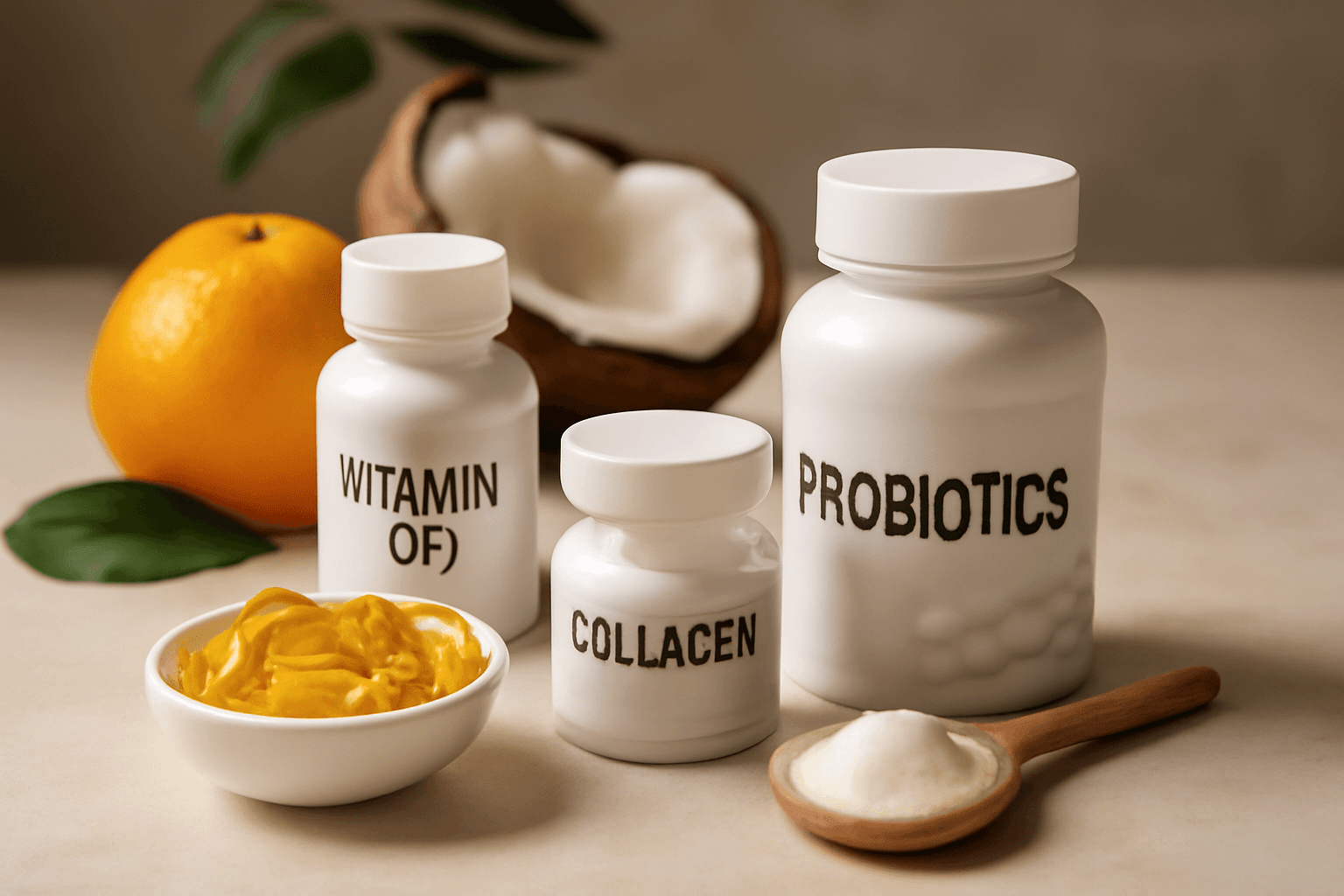
Probiotic supplements are the most direct way to improve your gut microbiome. Products containing Bifidobacterium and Lactobacillus strains are effective, requiring at least 1 billion CFU or more. Consistent use for 8 weeks or more has been shown to reduce fasting blood sugar by 5-10 mg/dL and raise baseline GLP-1 levels. The effects are especially enhanced when taken with dietary fiber.
Omega-3 supplements (EPA/DHA) are recommended at a daily intake of 1.5-2g. Participants who took omega-3 for 8 weeks showed a 30-40% increase in GLP-1 secretion response and reduced postprandial blood sugar rise. Systemic inflammation markers CRP and TNF-α also decreased by 20-30%. You can choose either fish oil or algae-based omega-3 products.
Vitamin D supplements are important because most L-cells and intestinal immune cells have vitamin D receptors. People with vitamin D deficiency (blood levels of 20 ng/mL or below) have 20-35% lower GLP-1 secretion. GLP-1 secretion is optimized when blood vitamin D levels are maintained at 30-50 ng/mL, with daily supplementation of 1000-2000 IU recommended.
Prebiotics like inulin and oligofructose are also effective. These are indigestible dietary fibers that serve as food for probiotics and promote short-chain fatty acid production. At 5-10g daily intake, fasting blood sugar decreased by 10-15 mg/dL and satiety increased after 6 weeks.
Magnesium supplements improve insulin secretion and GLP-1 receptor sensitivity. Magnesium deficiency worsens insulin resistance and increases diabetes risk. Daily magnesium supplementation of 300-400mg is recommended, with glycinate and malate forms having better absorption.
Lifestyle improvements are also important "supplements". Adequate sleep (7-9 hours) normalizes hormone secretion and reduces stress hormones (cortisol), promoting GLP-1 secretion. Regular exercise (150 minutes of moderate-intensity aerobic exercise weekly, 2 sessions of resistance training weekly) improves insulin sensitivity and activates L-cell function. Since chronic stress suppresses GLP-1 secretion, stress management through meditation, yoga, and breathing exercises is essential.
Practical Diet Composition Guide
The order and ratio of meal components are important for maximizing GLP-1 secretion. The ideal meal composition is 25-35% protein, 45-50% complex carbohydrates, and 15-20% healthy fats. A more effective approach is meal sequencing: consuming vegetables and protein first, then carbohydrates last, reduces blood sugar spikes by 20-30% and increases GLP-1 secretion response by 40%.
For specific examples, breakfast consists of 3 eggs (18g protein), 1 slice of whole grain bread, and a handful of berries. Lunch includes 150g of grilled chicken breast (45g protein), 150g of brown rice, and broccoli and carrots cooked in olive oil. Dinner comprises 150g of salmon (30g protein, rich in omega-3), 100g of barley, and spinach dish. For snacks, pair 150g of Greek yogurt (containing probiotics) with berries.
Meal timing and intervals are also important. Irregular eating disrupts GLP-1 secretion rhythm. Eating at consistent times daily and maintaining 4-5 hour intervals between meals allows L-cells to receive consistent stimulation, raising baseline GLP-1 levels. Additionally, eating slowly is recommended, taking at least 20 minutes per meal, as rapid eating causes sharp blood sugar spikes that impair GLP-1 secretion.
The Role of Sleep, Stress, and Exercise
Adequate sleep is the foundation of GLP-1 secretion. Sleep deprivation (5 hours or less) decreases baseline GLP-1 secretion by 25-35% while increasing ghrelin (appetite-stimulating hormone) by 30-40%. Cortisol (stress hormone) levels also rise, worsening insulin resistance. Maintaining 7-9 hours of consistent sleep normalizes GLP-1 secretion and improves insulin sensitivity by 15-20%.
Chronic stress is the enemy of GLP-1 secretion. Persistently elevated cortisol suppresses L-cell function and simultaneously increases intestinal inflammation, reducing gut microbiota diversity. Meditation (10-20 minutes daily), yoga, and deep breathing exercises activate the parasympathetic nervous system, reducing stress hormones and promoting GLP-1 secretion. People who practice stress management regularly show fasting blood sugar reductions of 10-15 mg/dL and sustained satiety.
Regular exercise improves insulin sensitivity and stimulates L-cells. Moderate-intensity aerobic exercise (150 minutes weekly) increases intestinal blood flow, improving nutrient supply to L-cells and promoting GLP-1 secretion. Resistance exercise increases muscle mass, improving insulin sensitivity at rest and raising baseline metabolic rate. Consuming protein immediately after exercise increases GLP-1 secretion response by 50-60%.
Summary: Key Strategies for Naturally Increasing GLP-1
The comprehensive strategy for naturally increasing GLP-1 levels can be summarized as follows:
- Diet: Composition of 25-35% protein, 45-50% complex carbohydrates, and 15-20% healthy fats. Consume vegetables and protein first, carbohydrates last.
- Specific foods: Fish, eggs, beans, yogurt (protein); whole grains, vegetables (complex carbohydrates and fiber); berries, green tea (polyphenols); fermented foods (probiotics).
- Supplements: Probiotics (1 billion CFU or more), omega-3 (1.5-2g/day), vitamin D (1000-2000 IU/day), magnesium (300-400mg/day).
- Sleep: Maintain 7-9 hours of consistent daily sleep.
- Stress management: 10-20 minutes daily of meditation, yoga, or breathing exercises.
- Exercise: 150 minutes of moderate-intensity aerobic exercise weekly + 2 sessions of resistance training weekly.
While these methods are individually effective, their benefits are maximized when implemented comprehensively. You can expect to notice changes in fasting blood sugar and satiety within 3-4 weeks, and significant improvements in blood sugar control and weight loss within 8-12 weeks.
Importance of medical professional consultation: Especially if you have underlying conditions such as diabetes, cardiovascular disease, or kidney disease, or are currently taking medications, consult with a doctor or dietitian before making dietary changes or adding supplements. A personalized approach tailored to your individual health status is safest and most effective. Additionally, tracking your personal response using a blood glucose meter or continuous glucose monitor (CGM) can help establish a more effective strategy.