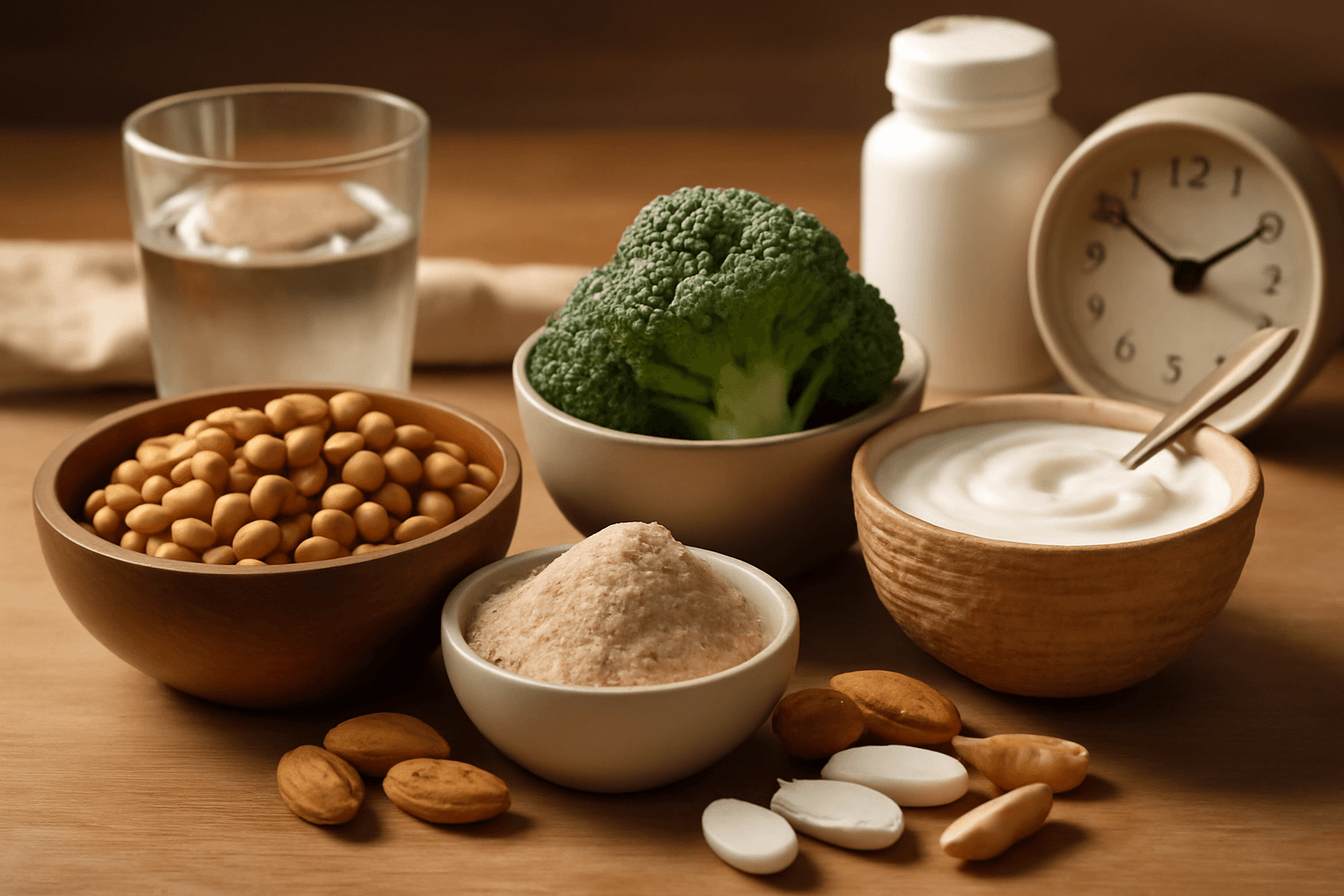
Weight management requires more than simply restricting calories. A multi-faceted approach is necessary, including sleep, hydration, nutrient balance, exercise methods, and lifestyle habits. This article introduces six practical weight management strategies based on scientific evidence. We'll examine in detail how each method affects metabolism, energy levels, and overall health.
1. Getting More Sleep
Sleep deprivation is one of the major causes of weight gain. Research shows that people who sleep six hours or less per day are 30% more likely to gain weight than those who sleep 7-9 hours. This is because insufficient sleep disrupts the balance of leptin and ghrelin, hormones that regulate appetite.
When sleep is inadequate, the body craves high-calorie foods to replenish energy. In particular, late-night eating urges increase after midnight, and cravings for carbohydrate and fat-rich foods intensify. Additionally, sleep deprivation slows metabolism by approximately 25%, reducing calorie burn even when consuming the same amount of food.
- Set a consistent sleep schedule of 7-9 hours
- Avoid smartphones and bright lighting one hour before bedtime
- Maintain a consistent sleep schedule to stabilize your circadian rhythm
- Growth hormone secreted in the brain during sleep promotes fat breakdown, so adequate sleep directly contributes to weight loss
2. Drinking Adequate Water
Water is the simplest yet most effective way to boost metabolism. Drinking more than two liters of water daily can increase basal metabolic rate by 3-4%, which can lead to approximately 2-3kg of fat loss annually. In particular, when drinking cold water, your body burns additional calories in the process of warming the water to body temperature.
Water intake improves digestive function and increases satiety. Clinical research shows that drinking 500ml of water 30 minutes before a meal can reduce food intake by approximately 13%. Additionally, adequate hydration supports detoxification functions of the kidneys and liver, maintains electrolyte balance, and reduces bloating.
- Drink 500ml of warm water immediately after waking up
- Drink water before meals to increase satiety
- During exercise, drink 200-300ml of water every 30 minutes
- Caffeinated beverages and alcohol accelerate fluid loss through diuretic effects, so pure water intake is important
- Personalized water intake: Use body weight × 30ml as your baseline goal and adjust accordingly
3. Eating More Healthy Foods
The key to weight management is the 'quality of food.' Even with the same calorie intake, metabolism and satiety differ depending on the type of food. Protein requires more energy to digest than fat and carbohydrates, with a thermic effect of food (TEF) of 20-30%. In other words, consuming 100 calories of protein burns 20-30 calories in digestion.
Dietary fiber abundant in grains and vegetables maintains a healthy gut microbiome ecosystem, promoting metabolism and prolonging satiety. In particular, women's nutritional needs vary according to their menstrual cycle, so it's beneficial to increase iron and protein intake during the pre-menstrual phase.
- Include high-protein foods such as chicken breast, fish, eggs, and tofu in every meal
- Lower the glycemic index with whole grains like brown rice, oats, and barley
- Consume plenty of low-calorie, nutrient-dense vegetables such as spinach, broccoli, and carrots
- Consume fruits like berries, apples, and pears 1-2 times daily, between meals
- Minimize processed foods and added sugars, but avoid complete restriction to reduce psychological resistance
4. Supplementing Deficient Nutrients
Many people overlook the connection between weight management and nutritional deficiency. Magnesium deficiency lowers energy production efficiency and increases fatigue, reducing exercise motivation. According to the American Nutrition Association, over 70% of modern people are magnesium deficient. Since magnesium is involved in more than 600 enzyme reactions in metabolism, deficiency makes weight loss difficult.
B vitamins are essential for carbohydrate, protein, and fat metabolism. Vitamin B12 and folate deficiency particularly reduce energy levels and slow metabolism. For women, iron loss from menstruation is significant, so iron supplementation is necessary during the menstrual cycle. Electrolyte imbalance (sodium, potassium, magnesium) can trigger water retention, appearing as weight gain.
- Magnesium-rich foods: Pumpkin seeds, almonds, spinach, dark chocolate (Daily recommended intake: 310-420mg)
- Vitamin B sources: Eggs, salmon, liver, milk (essential for energy boost)
- Iron intake: Women need 8-18mg daily depending on menstrual cycle
- Electrolyte foods: Bananas (potassium), seafood (magnesium), unsalted nuts
- If nutritional deficiency is suspected, confirm through blood tests and take supplements under medical guidance
5. Exercising Regularly Instead of Intensely
The most common mistake in weight management is starting with unsustainable levels of exercise. Three to four sessions of 30-minute moderate-intensity exercise per week has greater weight loss effects than one to two sessions of intense exercise. Regular exercise continuously activates metabolism and maintains muscle mass, increasing basal metabolic rate.
A combination of aerobic and resistance exercise is most effective. Strength training builds muscle, causing calorie burn even at rest, and excess post-exercise oxygen consumption (EPOC) continues for up to 48 hours, inducing additional calorie burn. Energy deficiency from exercise can increase stress hormones, actually increasing food intake, making sustainable exercise levels crucial.
- Begin with low-impact aerobic exercise such as walking, swimming, and cycling
- Do resistance training 2-3 times per week to maintain and increase muscle mass
- Consume protein after exercise (20-30g) to promote muscle recovery
- Excessive fatigue from exercise leads to overeating, so choosing enjoyable activities is recommended
- Gradually increase intensity according to your fitness level
6. Reducing Alcohol Consumption
Alcohol is a hidden enemy of weight management. A standard glass of beer (350ml) contains approximately 150 calories, a glass of wine contains 120-150 calories, and a glass of spirits contains 100 calories. These are purely calories; the metabolic cost generated during alcohol metabolism is not factored in. Alcohol inhibits fatty acid oxidation in the liver, promoting body fat accumulation.
Alcohol consumption lowers metabolism and impairs judgment, leading to consumption of more high-calorie foods. Women are particularly affected, as they have a lower capacity to break down alcohol than men, making alcohol's negative effects greater. During the first half of the menstrual cycle, alcohol sensitivity increases, requiring extra caution. The thirst and fatigue after drinking lead to a vicious cycle of overeating and avoiding exercise.
- Limit drinking frequency to twice per week or less (WHO recommendation)
- Limit consumption to 1-2 standard drinks per occasion
- Drink plenty of water before and after drinking to replenish fluid loss
- Avoid high-calorie snacks: Choose nuts or cheese instead of sweets and fried foods
- Replace alcohol with sparkling water or non-alcoholic beverages
Summary
Weight management success is impossible when relying on a single method alone. Sustained results can only be achieved when sleep, hydration, nutrition, exercise, and lifestyle habits all work together. Consistently practicing small changes is more important than drastic transformation.
Key Takeaways:
- Maintain hormonal balance with 7-9 hours of consistent sleep
- Promote metabolism by drinking more than two liters of water daily
- Increase satiety by choosing protein-centered healthy foods
- Supplement deficient nutrients such as magnesium, vitamin B, and iron
- Maintain basal metabolic rate with sustainable regular exercise
- Reduce drinking frequency and quantity
If despite these efforts you experience no weight change for more than three months, or experience excessive fatigue, irregular menstruation, or sudden weight fluctuations, please consult with a healthcare professional. Thyroid disease, hormonal imbalance, and metabolic disorders can interfere with weight management, so professional diagnosis is necessary.