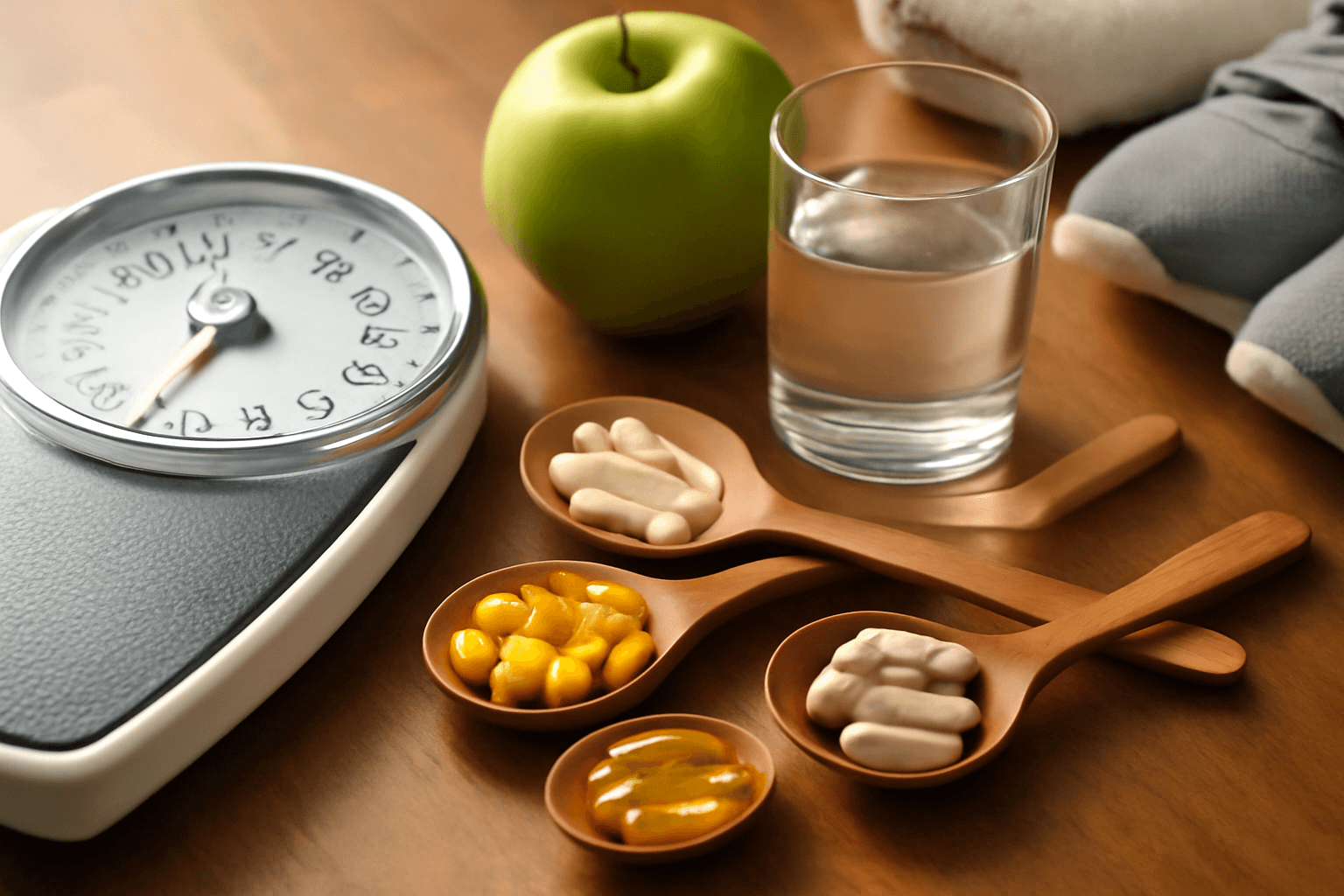
NAD (nicotinamide adenine dinucleotide) is an essential coenzyme that catalyzes thousands of biochemical reactions in every cell of the human body, from energy production to DNA repair. As we age, NAD levels decline dramatically—by your 50s, levels drop to about half of what they were in your 20s. This decline is linked to various health issues including fatigue, sleep disorders, and blood sugar imbalances. This article provides science-based information on how NAD works, symptoms of deficiency, and effective supplementation methods.
What is NAD?
NAD is a key molecule that enables all life processes. It directly participates in converting food into ATP (energy) within mitochondria in cells, and activates proteins that repair damaged DNA and regulate inflammation. Notably, during exercise, NAD consumption can increase up to tenfold as energy demands spike.
NAD is synthesized in the body from vitamin B3 (niacin) or obtained through food. However, stress, sleep deprivation, intense exercise, and aging all accelerate NAD depletion. Interestingly, some research shows that intermittent fasting can increase NAD levels by more than 30%. NAD's role in electrolyte metabolism is also important, as it's essential for nervous system signaling and muscle contraction.
The Difference Between NAD+ and NADH
NAD exists in two forms: NAD+ (oxidized form) and NADH (reduced form). The ratio between these two determines cellular health.
NAD+ is the oxidized state and is essential for energy production, DNA repair, and longevity gene (SIRT) activation. In glucose metabolism, abundant NAD+ improves insulin sensitivity and reduces type 2 diabetes risk. During exercise, NAD+ is needed to break down glucose in muscles, so low NAD+ levels cause fatigue to accumulate quickly.
NADH is the reduced state and delivers energy in the final stages of ATP production. However, excessive NADH accumulation creates a vicious cycle where NAD+ becomes depleted. Research on chronic fatigue syndrome patients showed their NAD+/NADH ratio was 40% lower than healthy individuals.
For optimal health, it's important to raise NAD+ levels and maintain the NAD+/NADH ratio. This is why the focus should be on NAD+ optimization rather than simple NAD supplementation.
Symptoms of NAD Deficiency
When NAD levels drop, immediate symptoms appear due to insufficient energy production. The most common signal is unexplained fatigue. Feeling tired despite adequate sleep, or experiencing a sudden energy crash at 2-3 PM indicates a cellular-level energy crisis.
Sleep problems are also typical NAD deficiency symptoms. NAD activates the SIRT1 protein, which regulates circadian rhythms (your body clock). Without sufficient NAD, melatonin secretion becomes irregular, causing sleep onset problems or early morning awakenings. Particularly after age 45, declining sleep quality is directly linked to NAD depletion.
Blood sugar imbalance is another key signal. Since NAD+ is required at every stage of glucose metabolism, deficiency causes severe blood sugar spikes. If fasting blood glucose exceeds 100 mg/dL or blood glucose two hours after eating exceeds 140 mg/dL, NAD deficiency should be suspected.
Additional symptoms include muscle weakness, reduced concentration, irregular menstruation (NAD is essential for estrogen metabolism in women), and chronic muscle pain. If these symptoms appear together, consultation with a healthcare professional is necessary.
What is NMN?
NMN (nicotinamide mononucleotide) is a precursor that is directly converted into NAD+ in the body. While NAD itself isn't absorbed in the digestive tract when consumed directly, NMN is absorbed in the intestines and reaches cells via the bloodstream.
In mouse studies, NMN supplementation recovered muscle strength by 20-30% in aged animals and improved blood vessel function. In a 2021 Japanese clinical trial, when 250mg of NMN was given to 10 healthy adults aged 40-60 for 8 weeks, blood vessel function improved and physical activity capacity increased.
The benefits of NMN supplementation include:
- Rapid absorption: NAD+ level increases detectable in blood within 15-30 minutes of oral intake
- Targeted delivery: Prioritized delivery to tissues requiring energy
- Sustained effect: Single dose maintains NAD+ levels for 2-3 hours
- Safety profile: No serious side effects reported to date
However, NMN is not a pharmaceutical drug and individual responses vary significantly, so consulting with a healthcare professional before starting is essential. Pregnant women, breastfeeding women, and patients undergoing cancer treatment must follow medical guidance.
NAD-Rich Foods
While NAD cannot be consumed directly, foods containing NAD precursors and vitamin B3 can promote NAD synthesis in the body.
High-protein foods: Chicken breast (10mg niacin per 100g), tuna (12mg), and peanuts (14mg) are excellent sources of niacin. Protein itself provides amino acids needed for NAD synthesis.
Whole grains: Oats, brown rice, and whole wheat flour contain 3-5 times more niacin than refined grains. A single bowl of brown rice provides 2mg of niacin.
Mushrooms: Shiitake mushrooms (7mg niacin per 100g) and oyster mushrooms (5mg) are the best plant-based sources of niacin and simultaneously contain immune-boosting polysaccharides.
Leafy greens and electrolyte-rich foods: Spinach and broccoli provide niacin along with magnesium, which is an essential cofactor in NAD metabolism. Seaweed (nori, wakame) supplies niacin along with electrolytes like iodine and potassium.
Limit alcohol consumption: Alcohol depletes NAD, and chronic drinking particularly worsens the NAD/NADH ratio. Limiting to 14 drinks per week for men and 7 per week for women minimizes NAD loss.
Seven Benefits of NAD
1. Energy Production and Fatigue Recovery
NAD+ is a key enzyme in cellular respiration, converting chemical energy from food into ATP (cellular fuel). When NAD levels are normal, mitochondria operate at peak efficiency, providing sustained energy.
Athletes report that NAD optimization shortens post-strength training recovery time by 15-20% and improves anaerobic exercise capacity. Ordinary individuals report noticeably reduced daily fatigue, with particularly marked improvements in afternoon energy crashes.
2. Improved Sleep Quality
NAD regulates circadian rhythms through the SIRT1 protein. When NAD levels are high, melatonin is properly secreted in the evening, and deep sleep (stages 3-4) duration increases.
In a study of sleep-disordered patients over age 50, within 4 weeks of NMN supplementation, average time to fall asleep decreased by 23 minutes and nighttime awakenings decreased by 50%. Sleep improvement creates a positive cycle leading to increased daytime energy.
3. Blood Sugar Control
NAD+ is essential at every stage of glucose metabolism. Particularly, it's needed for GLUT4 protein transport, which promotes glucose uptake in muscle cells. Higher NAD levels improve insulin sensitivity, mitigating blood sugar spikes.
In a study of 30 prediabetic patients given 500mg NMN for 12 weeks, fasting blood glucose decreased an average of 12 mg/dL, and insulin resistance index (HOMA-IR) improved by 25%. Improved blood sugar control also showed the secondary benefit of normalizing menstrual cycles in women with irregular periods.
4. Neuroprotection and Cognitive Function
The brain is the body's most energy-consuming organ, using 20% of total oxygen. NAD supports energy metabolism in brain neurons and protects brain cells from mitochondrial damage through SIRT3 activation.
In Alzheimer's disease mouse models, NAD boosting reduced neuroinflammation and mitigated neuronal synapse loss. In human studies, cognitively normal elderly individuals with higher NAD levels performed better on cognitive tests.
5. Healthy Aging
It's fair to say that aging is essentially NAD depletion. NAD levels in people in their 60s drop to one-quarter that of people in their 20s, leading to accumulated DNA damage, mitochondrial dysfunction, and increased inflammation.
NAD boosting activates the sirtuin (SIRT) family, known as longevity proteins. In particular, SIRT1 and SIRT3 are essential for DNA damage repair, oxidative stress removal, and mitochondrial homeostasis. Various animal studies show NAD boosting extends average lifespan by 20-30%.
Human research is limited, but common characteristics of centenarians with high NAD levels include excellent physical function, low inflammatory markers, and healthy blood vessels. NAD optimization means not just lifespan extension but healthspan extension.
Improved skin aging: NAD promotes collagen production in skin fibroblasts. Higher NAD levels increase skin elasticity and reduce wrinkles as an additional benefit.
6. Enhanced Immune Function
NAD supports immune cell energy metabolism and optimizes immune response through SIRT protein activation. Particularly during viral infection, NAD consumption increases significantly, so higher baseline NAD levels mean superior infection response capacity.
Research shows that COVID-19 patients with higher niacin (vitamin B3) intake had 50% lower rates of severe progression compared to those with lower intake.
7. Cardiovascular Health
NAD maintains blood vessel endothelial cell function, preserving vascular elasticity. As NAD declines with age, vascular stiffening, endothelial dysfunction, and increased inflammation occur, raising hypertension and atherosclerosis risk.
NAD boosting lowers blood pressure, improves vascular elasticity, and slows atherosclerosis progression. Particularly for prehypertensive patients, NAD optimization alongside lifestyle improvements can delay the need for medication.
Summary
NAD is an essential molecule affecting every health indicator—energy, sleep, blood sugar, skin, immunity, and lifespan. As we age, the importance of NAD boosting grows increasingly critical.
Action strategies:
- Food-based approach: Regularly consume chicken breast, tuna, brown rice, shiitake mushrooms, and spinach to ensure vitamin B3 supply
- Lifestyle: High-intensity interval training (HIIT) raises NAD by up to 50%. Avoid evening exercise and prioritize morning workouts
- Sleep optimization: Sleep between 10-11 PM to stabilize circadian rhythm
- Avoid or limit alcohol: Alcohol is a major NAD consumption factor
- NMN supplementation: 250-500mg, taken 30 minutes after dinner (after consulting a healthcare professional)
Medical precautions: NAD supplements are not pharmaceuticals, and effectiveness and safety vary by health status, medications, and age. Especially if you have diabetes, cardiovascular disease, or cancer history, or are taking chemotherapy/immunosuppressants, consult your doctor. Pregnant and breastfeeding women should avoid NMN supplementation. If headaches, nausea, or sleep changes occur after starting, stop immediately and report to a professional.