As flu season approaches, many people become interested in boosting their immunity. To effectively support our body's defense system, simply washing hands and wearing masks isn't enough. Proper nutrition and lifestyle improvements are essential. This article introduces 7 essential supplements and vitamins that help enhance immunity, the foods through which you can naturally obtain them, and practical immune-boosting methods you can implement in your daily life.
Essential Vitamins for Flu Season
Vitamin C: The Immune Cell Strengthener
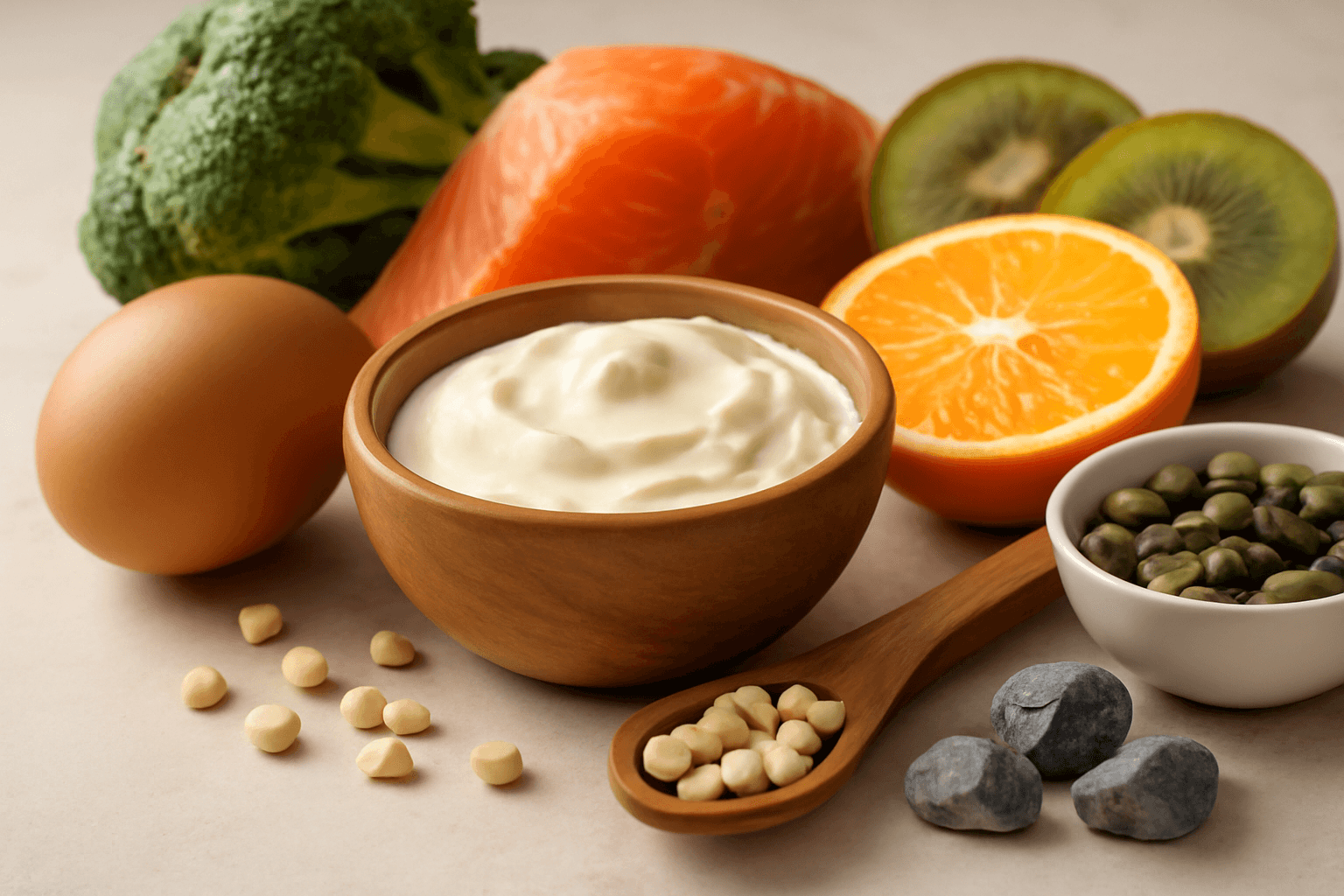
Vitamin C is a water-soluble vitamin that directly affects the production and activation of white blood cells. According to research published in the Journal of Nutritional Biochemistry in 2013, people who consumed 200mg or more of vitamin C daily experienced colds that were on average 8% shorter in duration. Since our body cannot store vitamin C, it must be consumed consistently every day. Oranges, grapefruits, kiwis, and bell peppers contain 50-80mg of vitamin C per 100g. Since it's destroyed during heating, consuming them fresh is most effective.
Vitamin D: The Immune System Regulator
Vitamin D is not merely a bone health nutrient but acts as a hormone that regulates immune responses. In a 2017 meta-analysis from the American Journal of Clinical Nutrition, people deficient in vitamin D were 40% more likely to contract respiratory infections compared to those maintaining normal levels. Due to Korea's seasonal characteristics with reduced sun exposure during winter, deficiency is common. The recommended daily intake for adults is 600-800IU, and 25-hydroxyvitamin D levels can be measured through blood tests. Levels of 30ng/mL or higher are considered normal.
Vitamin A: The Front Line of Mucosal Defense
Vitamin A is essential for forming mucosal epithelial cells in the respiratory and digestive systems. These mucous membranes are the first line of defense preventing viruses and bacteria from entering the body. It can be obtained in the retinol form from animal products and the beta-carotene form from plant-based foods. Liver, eggs, and milk are rich in direct retinol, while carrots, sweet potatoes, and spinach contain abundant beta-carotene. The recommended daily intake is 700mcg for adult women and 900mcg for men. Excessive consumption can cause toxicity, so care should be taken not to exceed the recommended amount.
Vitamin B Complex: The Connection Between Energy and Immunity
B complex vitamins, composed of B6, B12, and folate, assist in protein synthesis needed for antibody production and immune cell division. In a 2004 study from the American Journal of Clinical Nutrition, antibody responses in people deficient in B6 decreased to half the level of those with normal levels. B complex vitamins are abundant in brown rice, eggs, chicken, salmon, and chickpeas. Particularly B12 is rarely found in plant-based foods, so vegetarians must obtain it through supplements or fortified foods.
Zinc: The Catalyst for Immune Cell Production
Zinc is an essential mineral directly involved in the development and activation of T cells. According to a 2011 paper from the International Journal of Clinical Nutrition, zinc deficiency increases the incidence of colds by up to three times. Interestingly, taking zinc lozenges within 24 hours of symptom onset can reduce the duration of a cold by 33%. Oysters, beef, pumpkin seeds, and cashews are rich in zinc. The recommended daily intake is 11mg for adult men and 8mg for women. However, excessive intake of over 100mg can interfere with copper absorption and actually weaken immunity.
Probiotics: The Foundation of Intestinal Immunity
The intestines concentrate 70% of the body's immune system. Probiotics, beneficial bacteria, strengthen the barrier function of the intestinal lining and block harmful pathogens from entering the bloodstream. In a 2015 systematic review in the British Medical Journal, people who consumed specific probiotic strains for 12 weeks or longer showed a 42% reduction in upper respiratory infection incidence. Strains of Lactobacillus and Bifidobacterium have shown the most proven effects. While naturally present in fermented foods like yogurt, kefir, kimchi, and miso, when taking supplements, it's important to check the CFU (colony-forming unit) count.
Protein: The Material for Antibody Production
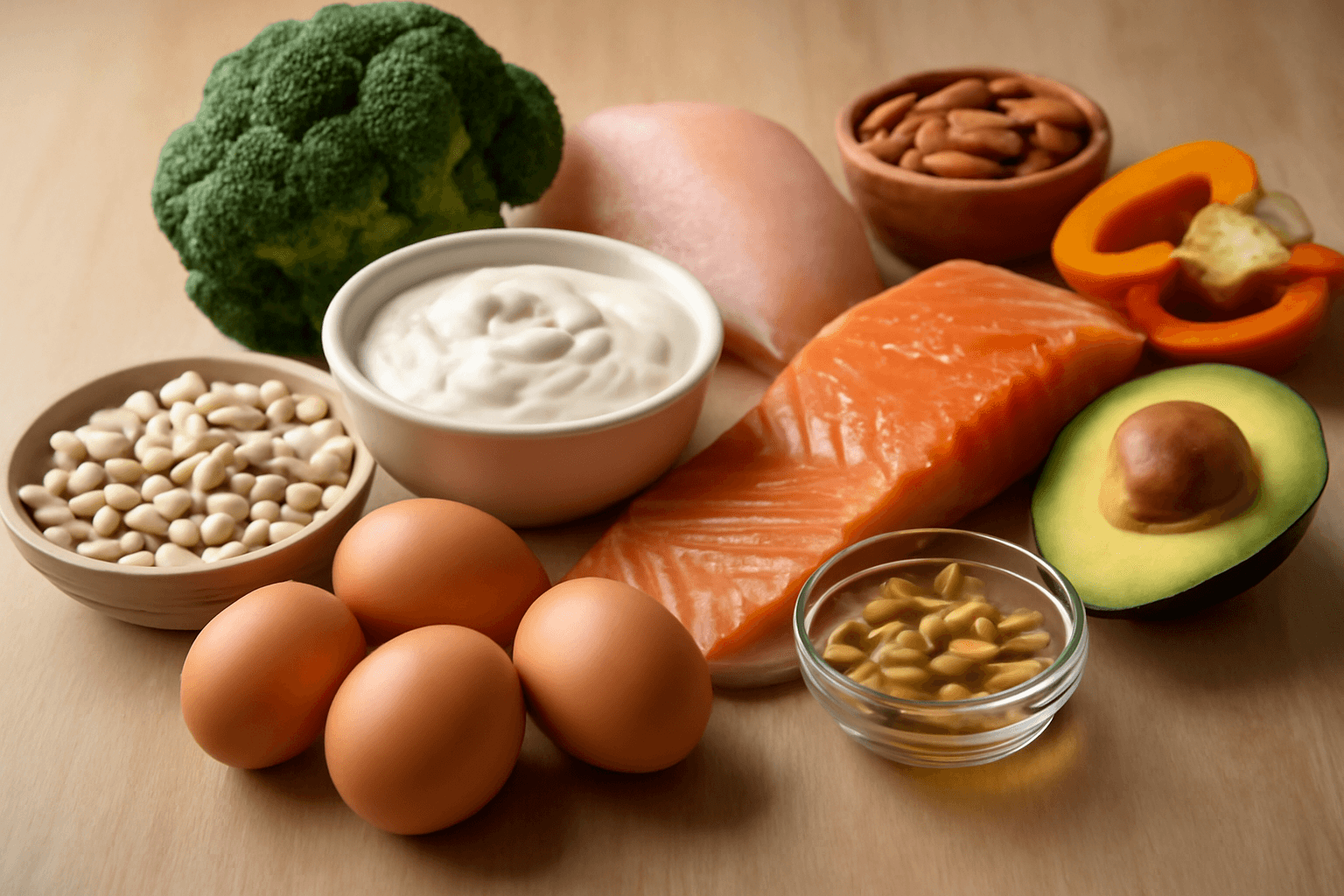
Antibodies are composed entirely of protein. Sufficient protein intake is essential for producing immunoglobulins (antibodies). The recommended daily intake is 0.8g per kg of body weight, but to enhance immunity, increasing it to 1.0-1.2g is advisable. Eggs, fish, meat, legumes, and Greek yogurt are excellent sources of high-quality protein. In particular, the albumin protein in eggs provides antioxidants lutein and zeaxanthin.
Good Foods During Flu Season
Strategic Combination of Immunity-Boosting Foods
Supplements play only a supporting role; obtaining necessary nutrients from natural foods whenever possible is most efficient. Considering various antinutrients and interactions, nutrients in food have higher bioavailability than refined components in supplements.
Garlic: A Natural Antibiotic Throughout History
The allicin compound in garlic possesses strong antibacterial and antiviral properties. In a clinical trial published in the Journal of Nutrition in 2014, the group consuming garlic extract daily showed a 63% reduction in cold incidence. Allicin is maximally activated when garlic is consumed raw, so it's best to crush it and wait 15 minutes before consuming. Since some compounds are destroyed by heat, minimizing cooking time or adding it in the final stages of cooking is recommended.
Ginger: A Powerful Inflammation Suppressant
The gingerol and shogaol compounds in ginger have strong anti-inflammatory effects. Research in the Journal of Medicinal Food in 2013 showed that ginger consumption reduced the severity of cold and flu symptoms and accelerated recovery speed. Consuming 1-2cm of fresh ginger daily or drinking ginger tea is effective. Particularly when consumed at the early stages of symptoms, it rapidly activates immune response.
Berries: Antioxidant Enhancers
Blueberries, black currants, and elderberries are rich in anthocyanins, antioxidants. In a 2016 meta-analysis in the European Journal of Clinical Nutrition, elderberry consumption reduced the duration of cold symptoms by 4 days. This is because anthocyanins suppress infected cell invasion in the early stages of viral infection. Frozen berries have the same nutritional value as fresh ones, so they can be consumed regardless of season.
Mushrooms: A Source of Immune Polysaccharides
Beta-glucans contained in shiitake mushrooms, oyster mushrooms, and reishi mushrooms are powerful immune-regulating substances that activate natural killer cells and macrophages. In a 2016 systematic review in the Journal of Clinical Nutrition, mushroom consumers showed significantly lower incidence of infectious diseases. When preparing mushrooms, lightly cooking them to break down cell walls is effective for consumption.
Citrus Fruits: The Classic Source of Vitamin C
Lemons, limes, oranges, and tangerines are the most accessible sources of vitamin C. About 100g of orange contains approximately 53mg of vitamin C, providing most of the daily recommended amount (75-90mg). Consuming them whole rather than as fresh juice also provides dietary fiber.
Fatty Fish: A Combination of Omega-3 and Vitamin D
Salmon, mackerel, and sardines are rich in both vitamin D and omega-3 fatty acids. Omega-3 regulates excessive inflammatory responses in the body through anti-inflammatory action, while vitamin D regulates immune response. Consuming about 150g two to three times per week is sufficient.
Lifestyle Habits That Enhance Immunity
Sleep: The Immune System's Nightly Recovery Time
During sleep, our body produces cytokines, immune signaling molecules. According to research published in the Proceedings of the National Academy of Sciences in 2015, people sleeping 6 hours or less were 4 times more likely to catch a cold than those sleeping 7-8 hours. Adults should get 7-9 hours of consistent sleep each night. To improve sleep quality, limit screen use one hour before bed, maintain indoor temperature at 16-19°C, and keep a regular bedtime schedule.
Exercise: The Balance of Appropriate Physical Activity
Moderate exercise improves immune function, but paradoxically, excessive exercise temporarily weakens immunity. Research in the Journal of Sports Medicine in 2010 showed that people exercising moderately 3-5 days per week for 30 minutes daily had the lowest infection rates. Brisk walking, cycling, and swimming are ideal. Conversely, a 3-72 hour period called an "open window" of immune vulnerability occurs after intense exercise, so during flu season, it's important to moderate exercise intensity and allow sufficient recovery time.
Stress Management: Controlling Cortisol
Chronic stress increases cortisol hormone secretion, which inhibits the production of T cells and B cells. In a 2012 meta-analysis in the Journal of Psychology, Health & Medicine, people under chronic stress had 3 times higher incidence of infectious diseases. Meditation, yoga, and belly breathing activate the parasympathetic nervous system, reducing stress hormones. Research shows that even 10 minutes of daily meditation has significant effects.
Fluid Intake: Maintaining Mucosal Moisture
When respiratory mucous membranes dry out, viruses more easily invade. Adequate fluid intake keeps mucous membranes moist and promotes mucus secretion. The recommended daily fluid intake for adults is approximately 2-3 liters. This includes not only water but also unsweetened tea, broth, and soup. It's also good to maintain indoor humidity at 40-60%.
Personal Hygiene: The Most Powerful Basic Defense
Hand washing is the most basic yet most effective method of flu prevention. A 2019 study in the Journal of Infection Control and Hospital Epidemiology showed that hand washing alone can reduce respiratory infection incidence by 16-21%. It's important to wash with soap under running water for at least 20 seconds, especially after going out, before eating, and after using the restroom.
Vaccination: Science-Based Defense
Flu vaccination remains the most effective preventive measure. In a 2018 epidemiology review, the average efficacy of influenza vaccines ranged from 40-60%, and even vaccinated people who became infected experienced much milder symptoms. Vaccination is essential for seniors over 65, people with chronic diseases, and young children.
Conclusion and Summary
An Integrated Approach to Enhancing Immunity
Strengthening immunity during flu season is impossible with a single supplement or food alone. Vitamin C, D, A, B complex vitamins, zinc, probiotics, and adequate protein intake form the nutritional foundation. Supplementing these with natural foods like garlic, ginger, berries, mushrooms, citrus fruits, and fatty fish is even more effective. Simultaneously, adequate sleep, appropriate exercise, stress management, and maintaining personal hygiene maximize the effects of these nutritional intakes.
Key Takeaways: 200mg or more of vitamin C, 600-800IU vitamin D, 8-11mg zinc, probiotics, 1.0-1.2g daily protein per kg of body weight, 7-9 hours of sleep daily, and 30 minutes of moderate exercise 3-5 days per week are essential elements for boosting immunity during flu season.
Medical Disclaimers
The information in this article is for educational purposes and does not replace professional medical advice. Especially if you are pregnant, nursing, have a chronic disease, or are currently taking medications, be sure to consult with a doctor or pharmacist before taking supplements. There may be contraindications such as excessive zinc intake, excessive vitamin A consumption, and individual health-related precautions. If symptoms persist or worsen for more than 3 days, please visit a medical facility.