Our body's immune system is a critical defense mechanism that protects us from external viruses, bacteria, and other pathogens. To maintain strong immunity, we cannot rely solely on medication; proper nutrition is essential. Various nutrients such as vitamins A, C, D and B-complex, zinc, protein, and probiotics directly support the creation and function of immune cells. In this article, we introduce specific foods and nutrients that can effectively strengthen immunity based on scientific evidence.
Vitamins for Immune Health
Antioxidant Properties of Vitamin C
Vitamin C promotes the production and function of white blood cells and prevents cellular damage through powerful antioxidant action. While the daily recommended intake for adults is 100mg, consuming 200-500mg is beneficial for immune enhancement. It is abundantly found in oranges, grapefruit, kiwi, and bell peppers, and since it is lost during cooking, it is most effective to consume it in the form of fresh fruits or raw vegetables. Research shows that people who consume adequate vitamin C experience up to a 50% reduction in the incidence of colds.
Immune-Regulating Function of Vitamin D
Vitamin D goes beyond being a simple bone health nutrient and is a key factor in helping immune T cells mature. The average blood vitamin D levels in Koreans range from 15-20ng/mL, which is lower than the recommended level (30ng/mL or higher). Vitamin D synthesis in the skin is possible with 3-4 days per week of 15-30 minutes of sunlight exposure, though this is affected by season and latitude. Consuming foods such as salmon, mackerel, egg yolks, and butter in conjunction with sun exposure is even more effective. In winter or for those with occupations involving primarily indoor activities, vitamin D deficiency can lead to weakened immunity.
Mucosal Defense with Vitamin A
Vitamin A maintains the health of mucous tissues in the respiratory, digestive, and urinary systems, fundamentally blocking pathogen invasion. It is also essential for the formation of the retina and epithelial cells, with daily recommended amounts of 900mcg for adult men and 700mcg for women. It is abundant in carotenoid form in orange and green vegetables such as carrots, sweet potatoes, spinach, and kale, and our body automatically converts it to vitamin A as needed. Excessive intake can show toxicity, so appropriate amounts should be consumed under the guidance of a healthcare professional.
Energy Metabolism with B-Complex Vitamins
B-complex vitamins (B1, B2, B6, B12, folate, and pantothenic acid) are essential for energy production in immune cells and synthesis of neurotransmitters. In particular, B6 is directly involved in protein metabolism and antibody production, while B12 promotes white blood cell production in bone marrow. They are evenly distributed in brown rice, whole grains, eggs, meat, and soy milk, and deficiency can lead to anemia and nerve damage. Vegetarians are particularly susceptible to B12 deficiency and should be cautious.
Foods That Effectively Support Immune Function
Protein-Rich Foods
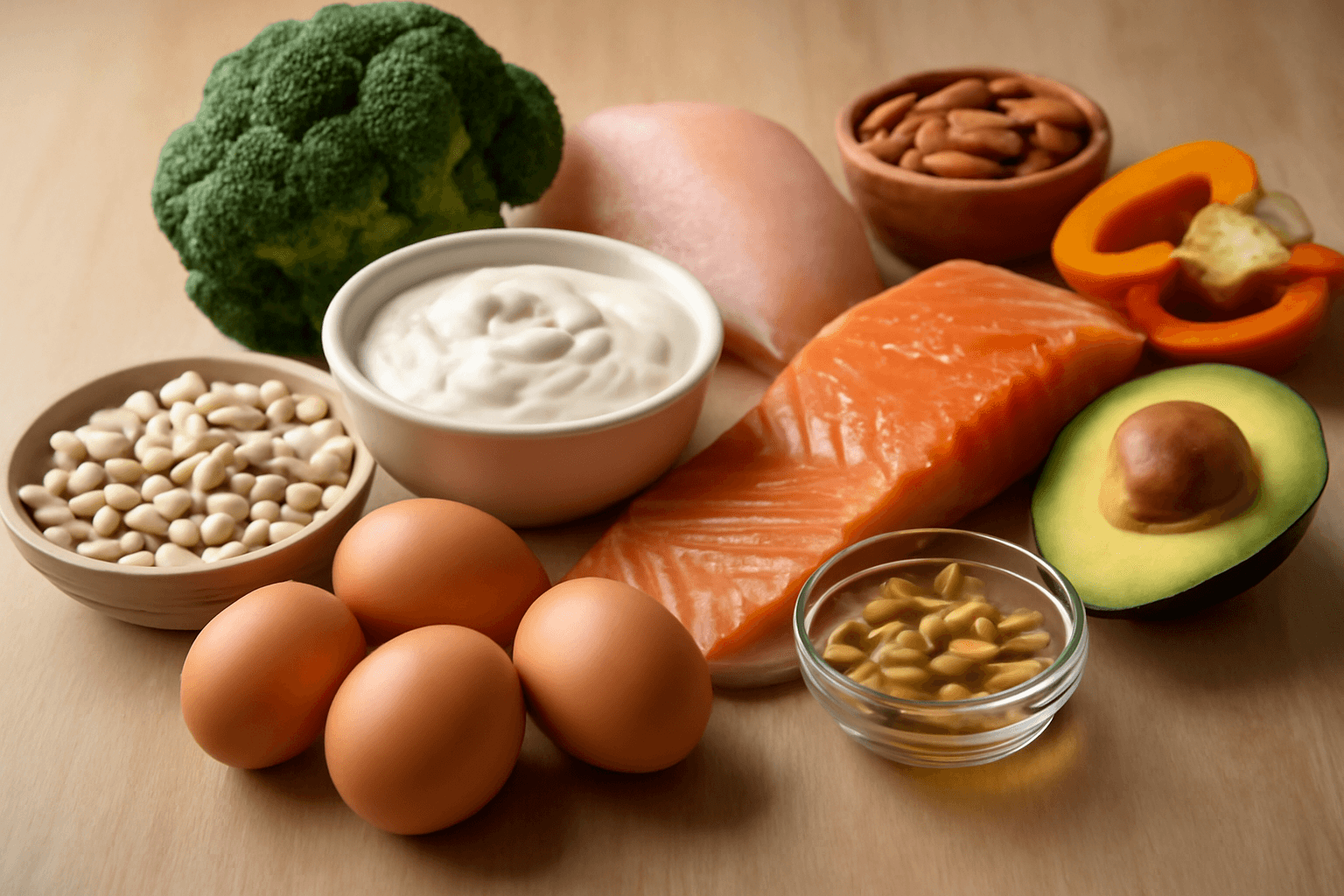
The primary component of immune cells is protein, and without adequate protein intake, antibody production and immune response do not function properly. While the daily recommended protein intake for adults is 0.8-1.0g per kilogram of body weight, consuming 1.2-1.5g is more effective for the goal of enhancing immunity. One hundred grams of chicken breast contains approximately 31g of protein, and fish, tofu, and legumes are also excellent protein sources. Oysters and shrimp, particularly rich in selenium, offer antioxidant benefits as well.
Importance of Zinc-Containing Foods
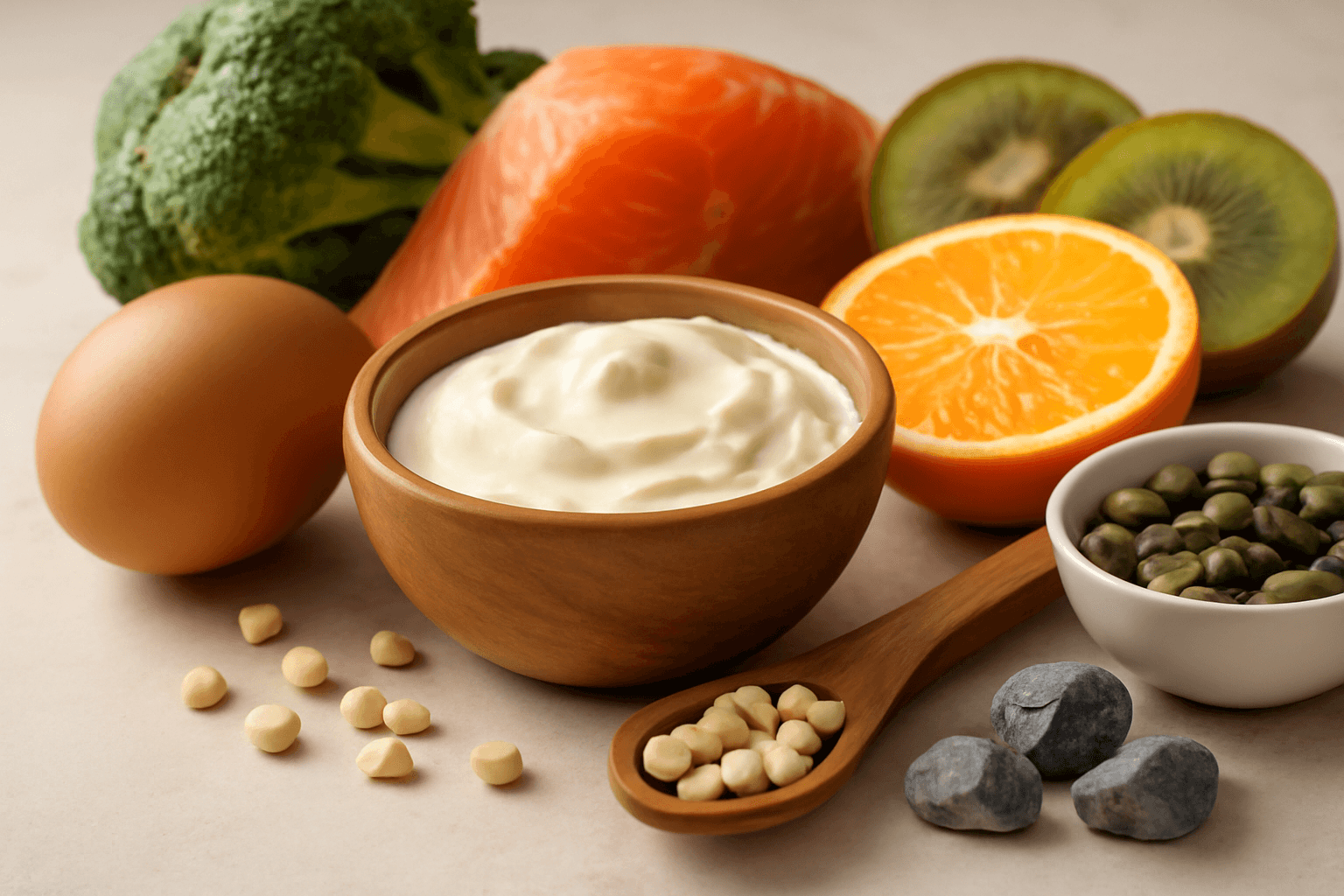
Zinc is an essential mineral directly involved in the production and activation of T cells and B cells, and zinc deficiency severely impairs immune response. The daily recommended amount is 11mg for adult men and 8mg for women. One oyster contains approximately 5-7mg of zinc, making it the richest food source, and significant amounts are also found in beef, pumpkin seeds, cashews, and peas. Zinc absorption rates are 20-40% from animal products compared to 5-15% from plant-based foods, so vegetarians need to consume larger amounts of zinc-containing foods.
Sulfur Compounds in Garlic and Onions
Sulfur compounds such as allicin and allipin found in garlic and onions exhibit strong antibacterial and antiviral effects. When garlic is cut or crushed, cell walls are broken down and allicin is produced, which activates immune cells. Research shows that consuming 1-2 raw cloves of garlic daily reduces the incidence of colds by 30-40%. Since some active compounds are lost during heating, when cooking, cutting the garlic first and waiting about 10 minutes before cooking minimizes allicin loss.
Polyphenols in Berries and Tomatoes
Dark-colored berries such as blueberries, blackberries, and cranberries are rich in powerful antioxidant polyphenols including anthocyanins, ellagic acid, and resveratrol. These compounds suppress the production of inflammatory cytokines, regulating excessive immune responses while simultaneously enhancing immunity against infection. Lycopene in tomatoes is particularly known for its role in preventing prostate and breast cancer as well as immune-enhancing effects. Frozen berries maintain nutritional value comparable to fresh berries, making them available year-round.
Gingerol in Ginger
The gingerol and shogaol compounds found in ginger simultaneously perform anti-inflammatory, antioxidant, and antibacterial functions. Research shows that the group that consumed ginger extract experienced an average 3.1-day reduction in the duration of cold symptoms. Fresh ginger (10-20g) can be steeped in hot water or used as a spice in cooking. Consuming ginger tea regularly, particularly during winter for preventing weakened immunity, is especially effective.
Fermented Foods and Probiotics
The intestinal microbiome plays a decisive role in activating gut mucosal immune tissue, which comprises approximately 70% of the immune system. Lactic acid bacteria (Lactobacillus and Bifidobacterium) in fermented foods such as yogurt, kefir, miso, kimchi, and sauerkraut increase beneficial intestinal bacteria and suppress harmful pathogens. Daily consumption of at least 10 billion CFU (colony-forming units) or more of probiotics is recommended, equivalent to one cup of yogurt. When consumed together with prebiotics (inulin found in bananas, onions, and asparagus), the proliferation efficiency of beneficial bacteria increases.
Supplements to Boost Immunity
Effects and Precautions of Zinc Supplements
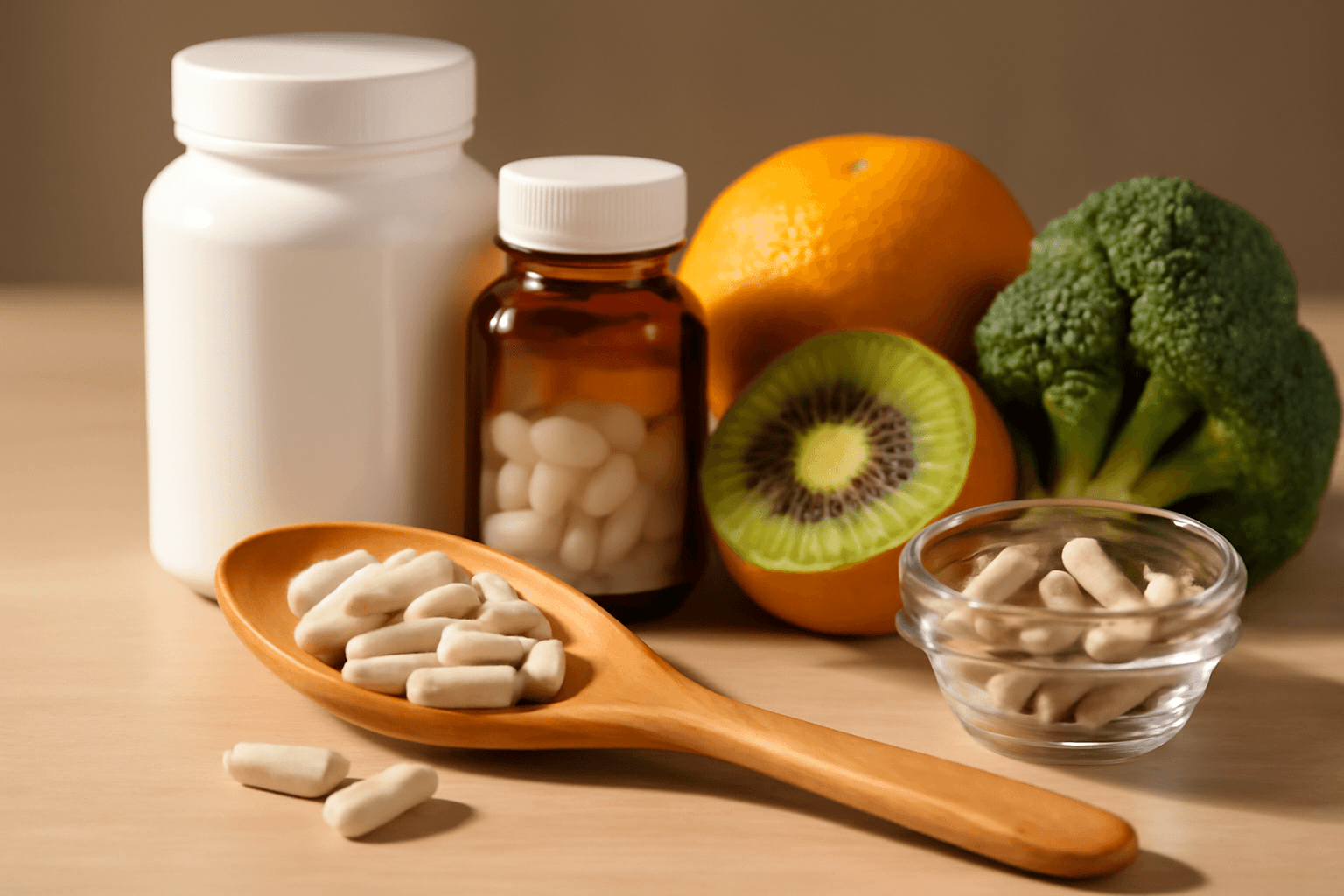
Zinc supplements are particularly helpful when food sources alone are insufficient. In clinical trials, the group that took zinc lozenges within 24 hours of initial cold symptoms experienced over a 50% reduction in symptom duration. However, long-term daily intake of 40mg or more can cause copper absorption interference, neurotoxicity, and immune suppression, requiring caution. Taking supplements without professional diagnosis and prescription can actually harm health. For healthy adults, food sources alone are sufficient, while selective supplementation is recommended only for specific patients (celiac disease, Crohn's disease, etc.) and elderly individuals.
Necessity of Vitamin D Supplements
Vitamin D deficiency is common in Korea during winter, among indoor office workers, and those who frequently use sunscreen. Supplementation is recommended when blood vitamin D levels are 20ng/mL or below, with daily intake of 800-2000 IU being safe. Some regions offer free vitamin D deficiency screening at public health centers, making it important to first understand your own status. Excessive intake carries the risk of kidney damage due to increased calcium absorption, so appropriate amounts should be determined under professional guidance.
Realistic Effects of Multivitamin Supplements
Multivitamin supplements are useful for supplementing nutrients that may be lacking from diet alone, but meta-analyses show they have limited disease prevention effects on their own. According to a large-scale study by the National Institutes of Health (SELECT trial), there was no significant relationship between multivitamin use and cancer or heart disease incidence. A healthy diet takes priority, and supplements are meaningful only as supplementary tools. High-dose single vitamin supplements, in particular, carry high toxicity risks and should be avoided; it is safer to selectively consume only needed nutrients after professional testing and consultation.
Selection of Probiotic Supplements
When choosing probiotic supplements, the following items should be verified: (1) Clearly specified strains (for example, Lactobacillus acidophilus LA-5), (2) Effective dosage of at least 10 billion CFU or higher, (3) Refrigeration requirements, (4) Expiration date. Some products contain actual viable microbial counts of less than half their advertised amounts, making it important to choose products from reliable manufacturers. Professional consultation is essential if you are taking antibiotics or have severe intestinal disorders.
Precautions When Taking Supplements
When taking multiple supplements simultaneously, nutrient interactions should be considered. For example, high-dose vitamin E combined with aspirin increases bleeding risk, while calcium and iron interfere with each other's absorption. If you are pregnant, nursing, taking certain medications, or have liver or kidney disease, you must consult a healthcare professional before taking supplements. Supplements can interfere with medication absorption or reduce drug efficacy. Even for healthy adults, indiscriminate high-dose supplement intake can result in contamination, overdose symptoms, and nutritional imbalance.
Summary
Key Takeaways
- Vitamin Enhancement: Build the foundation of your immune system by consuming a balanced diet of vitamin C (oranges, bell peppers), D (sunlight exposure, fish), A (carrots, spinach), and B-complex (eggs, brown rice).
- Protein and Zinc: Daily consumption of adequate protein (1.2-1.5g per kilogram of body weight) and zinc (11mg for men, 8mg for women) promotes antibody production and immune cell activation.
- Antioxidant Foods: Polyphenols and sulfur compounds found in garlic, ginger, berries, and tomatoes regulate inflammation and increase resistance to pathogens.
- Gut Health: Probiotics in fermented foods such as yogurt, kimchi, and miso account for 70% of gut mucosal immunity, making daily consumption recommended.
- Selective Use of Supplements: Use supplements selectively only under professional guidance when food sources are insufficient, and avoid indiscriminate high-dose consumption.
- Medical Consultation: If pregnant, nursing, managing chronic conditions, or taking medications, always consult a healthcare professional before taking supplements to verify interactions and safety.
Strong immunity does not develop overnight. Only when you consume a variety of fresh foods of different colors daily, combined with regular exercise, adequate sleep, and stress management, does your body's defense system operate optimally. All the nutrients presented in this article are abundantly found in common foods, so prevention through healthy eating habits is more effective and safer than medication or expensive supplements. After accurately assessing your health status and needs, we encourage you to seek professional advice to establish a rational nutritional strategy.