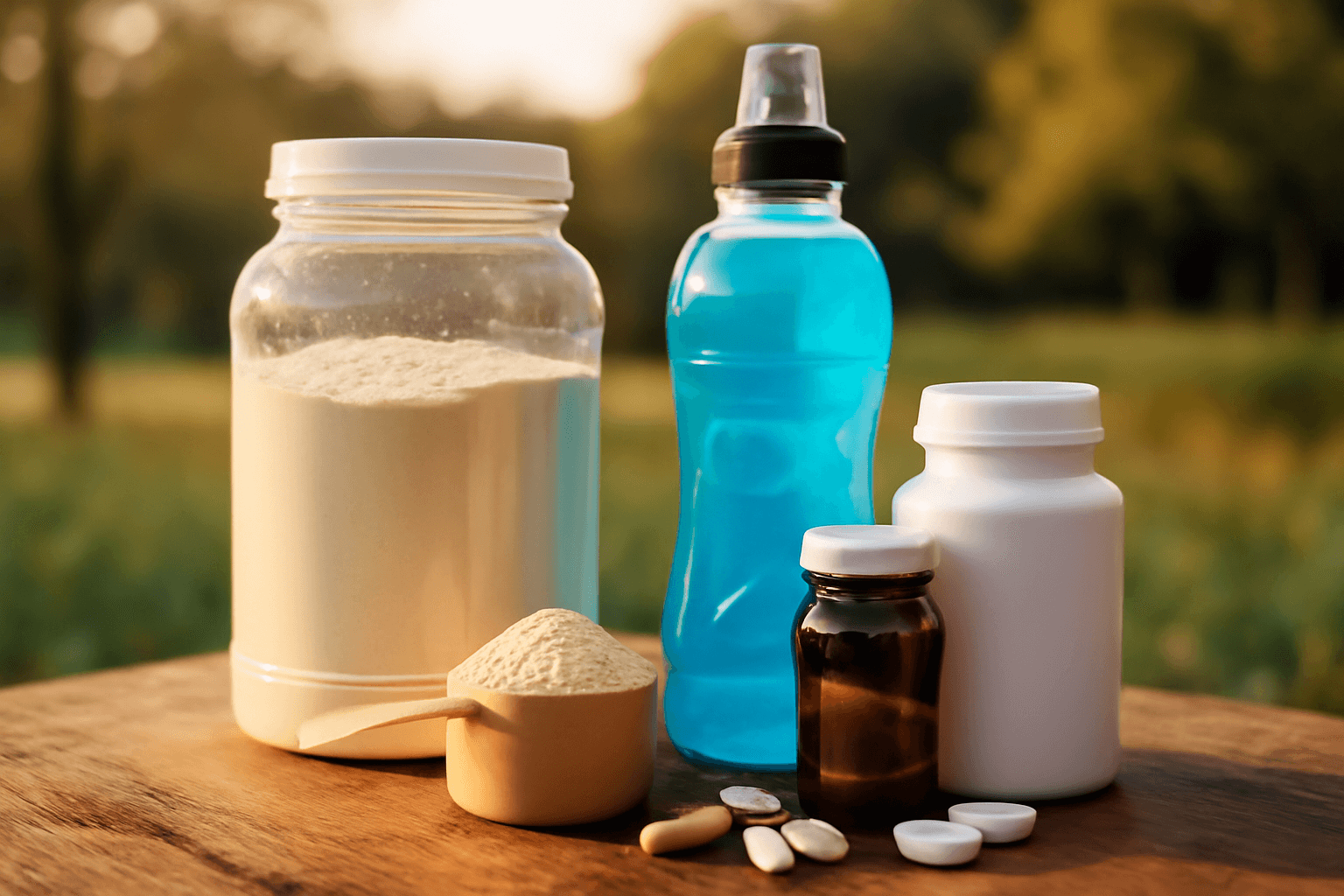
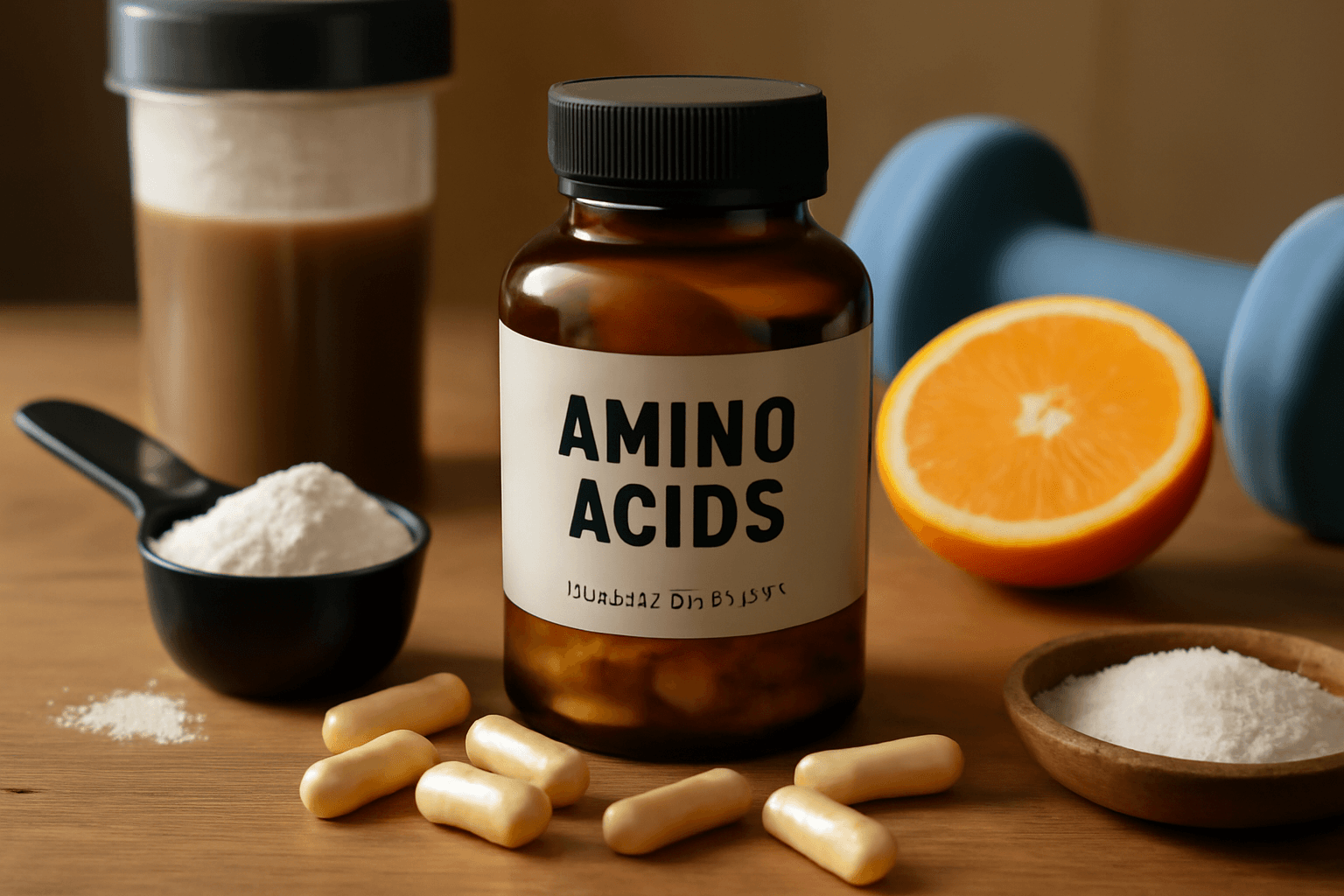
Outdoor exercise is an excellent way to improve physical health, but achieving peak performance is difficult without proper supplements. Due to the unique characteristics of outdoor environments—sun exposure, sweat loss, and high energy expenditure—nutritional considerations differ from indoor workouts. This article introduces 7 essential supplements for improving strength, recovering from fatigue, and maintaining bone health during outdoor exercise, along with the scientific evidence and practical intake methods for each.
1. Electrolytes for Hydration
The first factor to consider during outdoor exercise is electrolytes. Sodium, potassium, and magnesium lost through sweat cannot be replenished through water intake alone. According to research from the American College of Sports Medicine (ACSM), consuming 500–1000 ml of electrolyte solution per hour during outdoor exercise lasting 60 minutes or more is effective for maintaining muscle strength and preventing cognitive decline.
Sodium is essential for muscle contractions and nerve signal transmission, and regulates blood osmotic pressure to improve water absorption efficiency. Standard sports drinks contain 20–30 mg of sodium per 100 ml, but for high-intensity exercise, a higher concentration (40–60 mg per 100 ml) is more effective. Potassium helps muscles relax after contraction and promotes fatigue recovery, while magnesium is essential for energy metabolism.
- Recommended intake: 150–250 ml every 15–20 minutes during exercise lasting 60+ minutes
- Sodium content: 40–60 mg per 100 ml (based on high-intensity exercise)
- Selection tip: Hypotonic drinks (200–300 mOsm/kg) provide faster absorption
Caution: If you have kidney disease or high blood pressure, consult a doctor before using electrolyte supplements.
2. Carbohydrates for Energy
In outdoor exercise, carbohydrates serve as an immediate energy source. Since muscle and liver glycogen stores are limited, external carbohydrate supplementation becomes essential as exercise intensity increases or duration extends. The International Society of Sports Nutrition (ISSN) recommends consuming 30–60 grams of carbohydrates per hour during moderate or high-intensity exercise lasting 60+ minutes.
A glucose-to-fructose ratio of 2:1 maximizes small intestine absorption efficiency, allowing intake of up to 90 grams per hour. This supplies 25% more energy than consuming a single carbohydrate source (60 grams per hour). Maintaining blood glucose during exercise directly impacts muscle strength, mental focus, and body temperature regulation.
- Recommended intake: 30–60 grams per hour (90 grams possible for 120+ minute workouts)
- Optimal ratio: Glucose:Fructose = 2:1
- Intake forms: Sports drinks, energy gels, sports bars
- Timing: Beginning 15 minutes after exercise starts, then every 15–20 minutes
Caution: For those with diabetes or requiring blood sugar management, pre-exercise consultation with a sports nutritionist is essential.
3. Protein for Muscle Recovery
To repair muscle damage from outdoor exercise, rapid protein supplementation after exercise is essential. Consuming 20–40 grams of high-quality protein within 30 minutes post-exercise increases muscle protein synthesis by up to 130%. Since outdoor exercise triggers additional inflammatory responses due to environmental stress (UV rays, temperature changes), protein requirements may be 10–15% higher than for indoor exercise.
BCAAs (branched-chain amino acids) work more efficiently on muscle protein synthesis than whole proteins. Selecting products with high leucine content (3 grams or more) directly activates mTOR, a muscle growth signaling pathway. Research also shows that consuming BCAAs during exercise reduces fatigue by 25% and prevents muscle breakdown.
- Post-exercise protein: 20–40 grams within 30 minutes
- BCAA content: Choose products with 3+ grams of leucine
- During-exercise BCAAs: 5–10 grams (recommended for 90+ minute workouts)
- Optimal protein types: Whey protein, casein, plant-based protein blend
Caution: Those with kidney disease should consult a specialist before excessive protein intake. Generally, daily protein intake of 1.2–2.0 grams per kilogram of body weight is recommended.
4. Calcium for Strong Bones
Outdoor exercise involves many high-impact activities, making bone health particularly important. Activities like running and jumping transmit 2–3 times body weight as instantaneous load to the bones, so adequate calcium reserves reduce fracture risk by over 50%. While the recommended daily calcium intake for adults is 1000–1200 mg, high-intensity outdoor exercise participants may need 1200–1500 mg.
Calcium directly participates in muscle contraction, so deficiency reduces muscle strength and reaction speed. If dairy consumption is difficult, choosing calcium citrate supplements with high bioavailability is recommended. When consumed together with magnesium and vitamin K2, calcium absorption improves by 30%.
- Daily recommendation: 1000–1200 mg (1200–1500 mg for high-intensity exercisers)
- Absorption efficiency: Calcium citrate > Calcium carbonate
- Nutrients to take together: Magnesium, Vitamin K2, Vitamin D
- Optimal intake method: Divide into 500 mg or less portions (maximizes absorption efficiency)
Caution: If you have a history of kidney stones or are taking certain medications, consult a doctor before selecting supplements.
5. Vitamin D for Bone and Muscle Health
Outdoor exercise benefits from sun exposure, but sunscreen use can limit vitamin D synthesis. Vitamin D improves calcium absorption by 70% and directly regulates muscle protein synthesis as a hormone. Vitamin D deficiency (serum 25(OH)D < 20 ng/mL) causes reduced muscle strength, decreased bone density, and increased fatigue.
In studies of athletes, vitamin D supplementation (4000 IU daily) shortened post-exercise recovery time by 15% and reduced muscle damage markers (CK) by 25%. Vitamin D3 (cholecalciferol) is 70% more effective than D2 (ergocalciferol). Muscle strength and bone health are optimized when serum vitamin D levels are 30–50 ng/mL.
- Daily recommendation: 1000–2000 IU (2000–4000 IU for high-intensity exercisers)
- Optimal serum level: 30–50 ng/mL
- Product selection: Vitamin D3 (70% more effective than D2)
- Concurrent intake: Absorption increases by 90% when taken with fat
- Testing recommendation: Regions with significant seasonal variation should test serum levels every 3 months
Caution: Excessive long-term vitamin D intake (4000+ IU daily) can cause hypercalcemia, so monitor serum levels every 3 months and adjust dosage accordingly.
6. B Vitamins for High-Intensity Exercise
B vitamins play key roles in energy metabolism of carbohydrates, proteins, and fats. In particular, vitamins B6, B12, and folate regulate homocysteine metabolism to improve blood vessel function and oxygen transport efficiency. Stress from outdoor exercise increases B vitamin loss by 30%, making supplementation essential.
Vitamin B1 (thiamine) acts as a coenzyme for pyruvate dehydrogenase in early energy production stages and maintains nerve function. Vitamin B3 (niacin) improves exercise endurance by 20% through NAD+ regeneration. During high-intensity interval training, supplementing with vitamin B5 (pantothenic acid) accelerates fatigue recovery by 40%.
- Essential B vitamins: B1, B3, B5, B6, B12, folate
- Recommended form: B-complex (7–8 B vitamins combined)
- Benefits: 25–30% improved energy metabolism, 15–20% faster fatigue recovery
- Intake timing: With breakfast (enhances absorption despite being water-soluble)
- Pre-exercise intake: 1–2 hours before exercise to increase vitamin availability from the start of energy production
Caution: Excessive B6 intake (100+ mg daily long-term) can cause nerve damage, so balanced combined supplement forms are recommended.
Summary: Key Points for Outdoor Exercise Supplements
To achieve optimal performance in outdoor exercise, you must understand the role of each of the 7 supplements and consume them systematically. During exercise, replenish energy and hydration with electrolytes (sodium 40–60 mg/100 ml) and carbohydrates (30–60 grams per hour); within 30 minutes post-exercise, repair muscle damage with protein (20–40 grams) or BCAAs (5–10 grams).
For daily foundational supplementation, consume calcium (1000–1500 mg), vitamin D (1000–4000 IU), and B-complex vitamins to continuously support bone health, muscle strength, and energy metabolism. Tailor your supplement plan based on individual factors including exercise intensity, duration, environmental conditions (temperature, humidity, UV), constitution, and existing health conditions.
Remember that supplements cannot completely replace a balanced diet. Obtain primary nutrients through whole foods, with supplements playing an auxiliary role in meeting additional needs. If you have health concerns, take medications, or have allergies, consult a sports medicine physician or sports nutritionist to establish a safe and effective supplement strategy.