Intermittent fasting is an eating method where food is consumed only during designated time windows, and it has recently gained popularity among people interested in health management. What you eat during fasting periods and eating periods is a key factor that determines the effectiveness of fasting. In this post, we'll take a detailed look at 9 foods you should consume during intermittent fasting and the nutritional benefits of each. Let's explore how foods containing protein, healthy fats, and essential minerals and vitamins can maximize the effects of fasting and maintain your body's health.
Characteristics of Good Foods During Fasting
Foods consumed during intermittent fasting should have several important characteristics. First, it's important to maintain satiety for extended periods. To endure fasting hours, you should choose foods with a low glycemic index (GI), which prevents rapid blood sugar spikes and stabilizes insulin secretion.
Second, nutrient density must be high. Since your body needs to obtain all necessary nutrients during limited eating windows, the nutritional value of food in each meal is important. According to research, adequate protein intake is effective in preventing muscle loss and maintaining metabolism.
Third, foods should be easy to digest and place minimal stress on your digestive system. If your digestive system is strained when eating after fasting, abdominal discomfort or indigestion can occur. Therefore, fresh, whole foods are ideal.
Fourth, prioritize foods that reduce inflammation. Foods rich in omega-3 fatty acids, polyphenols, and antioxidants lower your body's inflammatory response and further enhance the health benefits of intermittent fasting.
Protein-Rich Foods
Protein is one of the most important nutrients during intermittent fasting. To prevent muscle loss and maintain metabolism during fasting periods, you should consume adequate protein during eating windows. While the daily recommended protein intake for adults is 0.8-1.0g per kilogram of body weight, those practicing intermittent fasting should aim for 1.2-1.6g.
Eggs are the most complete protein source. One egg (approximately 50g) contains 6g of protein along with choline, which supports brain health and neurological function. Lutein and zeaxanthin found in egg yolks are also effective for maintaining eye health.
Greek yogurt contains more than twice the protein of regular yogurt. Greek yogurt in 100g contains approximately 10-12g of protein, and the presence of probiotics helps improve gut health. Choose unsweetened products to avoid additional sugar intake.
Tofu and tempeh are excellent sources of plant-based protein. Tempeh, which undergoes fermentation, is easier to digest and has better nutrient absorption. Tempeh in 100g contains approximately 19g of protein, making it ideal for those who don't consume meat.
Nuts and Seeds
Nuts and seeds are ideal snacks during intermittent fasting. They are rich in healthy fats, protein, and minerals while being relatively low in calories, allowing you to maintain satiety for longer.
Almonds are a food rich in magnesium. A handful (approximately 23 almonds, 28g) contains 3.5mg of magnesium and 6g of protein. Magnesium is essential for muscle relaxation, blood pressure regulation, and metabolism. Additionally, vitamin E found in almonds acts as a powerful antioxidant.
Walnuts are an excellent plant-based source of omega-3 fatty acids. 28g of walnuts (approximately 14 pieces) contain 2.5g of omega-3 fatty acids, which are effective for improving brain health and cardiovascular health. According to research, walnut consumption can lower LDL cholesterol levels by 7-10%.
Sunflower seeds are an excellent source of selenium and vitamin E. 30g of sunflower seeds contain approximately 53mg of magnesium and 8.3mg of vitamin E. Vitamin E plays an antioxidant role protecting cells from damage.
Flax seeds and chia seeds are very rich in dietary fiber and omega-3 fatty acids. One tablespoon (approximately 10g) of flax seeds contains 2.3g of dietary fiber and 2.3g of omega-3 fatty acids, contributing to both gut health and cardiovascular health.
Healthy Fats and Omega-3s
Since intermittent fasting is an eating method that encourages the body to use fat as an energy source, adequate intake of healthy fats is very important. However, not all fats are equally healthy. Minimize saturated and trans fats while prioritizing monounsaturated and polyunsaturated fats.
Olive oil is a key ingredient in the Mediterranean diet. Extra virgin olive oil contains 75% oleic acid, a monounsaturated fatty acid, and is also rich in polyphenols, an antioxidant. One tablespoon (15ml) of olive oil provides 119 calories while simultaneously offering anti-inflammatory effects.
Avocado is a perfect intermittent fasting food. Half of a medium avocado (approximately 100g) contains 7g of dietary fiber, 3g of protein, and 485mg of potassium. Potassium prevents electrolyte imbalances that may occur during fasting. Lutein and zeaxanthin in avocados protect eye health, and polyphenols provide antioxidant action.
Coconut oil contains medium-chain triglycerides (MCT), allowing your body to quickly convert it to energy. One tablespoon (15ml) contains approximately 120 calories and provides quick satiety. However, since it has high saturated fat content, it's best to limit it to about 1-2 tablespoons per day.
Fish and Seafood
Fish and seafood are the best sources of high-quality protein and omega-3 fatty acids. In particular, fatty fish are rich in EPA and DHA, omega-3 fatty acids that are very effective for cardiovascular health, brain function, and inflammation reduction.
Salmon is one of the best choices during intermittent fasting. 100g of salmon contains 25g of protein, 2.3g of omega-3 fatty acids, and 570IU of vitamin D. Vitamin D is essential for bone health, immune system, and mental health, and is particularly important during seasons with limited sunlight exposure. According to research, people with higher omega-3 fatty acid intake have 35% lower risk of developing cardiovascular disease.
Mackerel is also an excellent choice. 100g of mackerel contains 3.3g of omega-3 fatty acids, more than salmon, and 23g of protein. It also contains 44mcg of selenium, strengthening antioxidant defenses.
Oysters and mussels are excellent sources of zinc. Six medium oysters (approximately 84g) contain 5.5mg of zinc, providing 50% of the daily recommended amount. Zinc is essential for strengthening the immune system, wound healing, and protein synthesis. Oysters are also rich in copper and selenium, enhancing antioxidant capacity.
White fish (cod, pollock, white fish) are also excellent choices. These are low in fat while rich in protein. 100g of cod contains 17g of protein while being only about 80 calories.
Vegetables and Dietary Fiber
Vegetables are the foundation of an intermittent fasting diet. Vegetables are low in calories while being rich in essential vitamins, minerals, antioxidants, and dietary fiber. Consuming sufficient vegetables after fasting periods supports digestive health and maintains satiety.
Cruciferous vegetables (broccoli, cauliflower, cabbage) support liver health. They contain a compound called sulforaphane, and according to research, sulforaphane inhibits cancer cell growth and increases antioxidant enzymes. One cup (approximately 91g) of raw broccoli contains 3.5g of protein and 2.4g of dietary fiber.
Spinach and kale are the best sources of vitamin K. One cup (approximately 30g) of raw spinach contains 141mcg of vitamin K (176% of the daily recommended amount), which is essential for bone health and blood clotting. They are also rich in iron, magnesium, vitamin A, and vitamin C.
Carrots are an excellent source of beta-carotene (a vitamin A precursor). One medium carrot (approximately 61g) contains 184mcg of beta-carotene, supporting eye health, immune function, and skin health. Carrots' low glycemic index (approximately 35) helps maintain blood sugar stability even during fasting.
Tomatoes contain lycopene, a powerful antioxidant. One medium tomato (approximately 123g) contains 2.5mg of lycopene, which is effective for cardiovascular health and cancer prevention. Cooked tomatoes contain more than three times the lycopene content of raw tomatoes.
Green leafy vegetables in general are very low in calories while providing abundant dietary fiber, vitamin C, folate, and iron. They provide satiety while not causing rapid blood sugar spikes, making them ideal for intermittent fasting.
Berries (blueberries, strawberries, blackberries) are the best sources of polyphenol antioxidants. One cup (approximately 148g) of blueberries contains 3.6g of dietary fiber and very high antioxidant activity. According to research, berry consumption slows cognitive decline and improves blood sugar control.
Summary
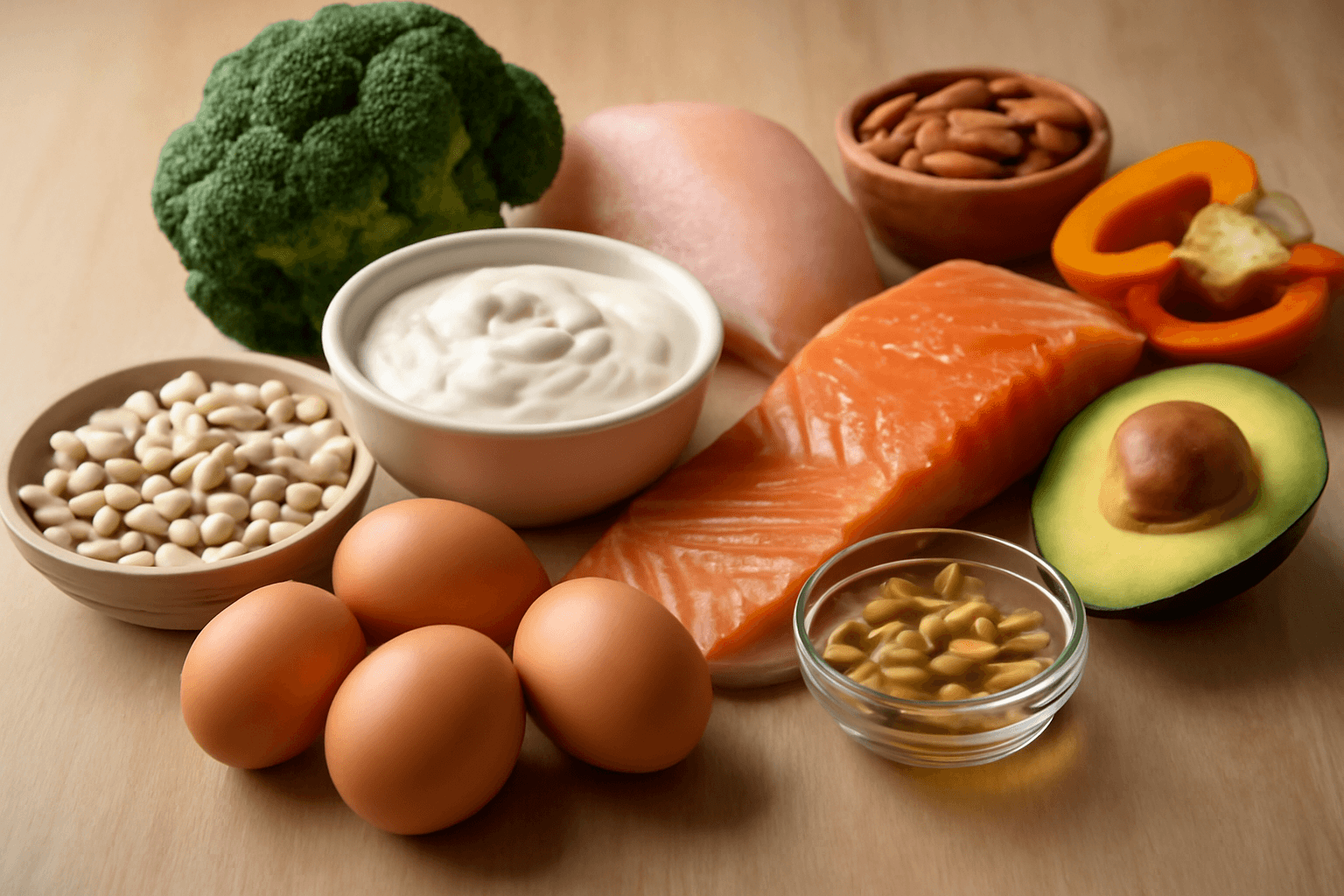
The success of intermittent fasting depends as much on what you eat during eating periods as on the fasting period itself. All nine foods—eggs, Greek yogurt, almonds, walnuts, salmon, mackerel, broccoli, spinach, and avocado—share the following characteristics:
- High protein content to prevent muscle loss and maintain metabolism
- Low glycemic index to stabilize blood sugar and maintain satiety
- Contains essential vitamins and minerals (vitamin D, vitamin K, zinc, magnesium)
- Protected cell health with antioxidants and anti-inflammatory compounds
- Support cardiovascular and brain health with omega-3 fatty acids
- Support digestive health and gut microbiota with dietary fiber
When starting intermittent fasting, it's important to make balanced selections from various food groups to avoid nutritional deficiencies. A combination of protein, healthy fats, and low-carbohydrate vegetables provides optimal results.
Medical Professional Opinion: While intermittent fasting is effective for healthy adults, those with diabetes, heart disease, pregnant or nursing women, and those with a history of eating disorders must consult with healthcare professionals before starting. Additionally, before beginning any new dietary regimen, it's advisable to consult with a nutritionist or doctor to develop a plan tailored to your individual health status and nutritional needs.