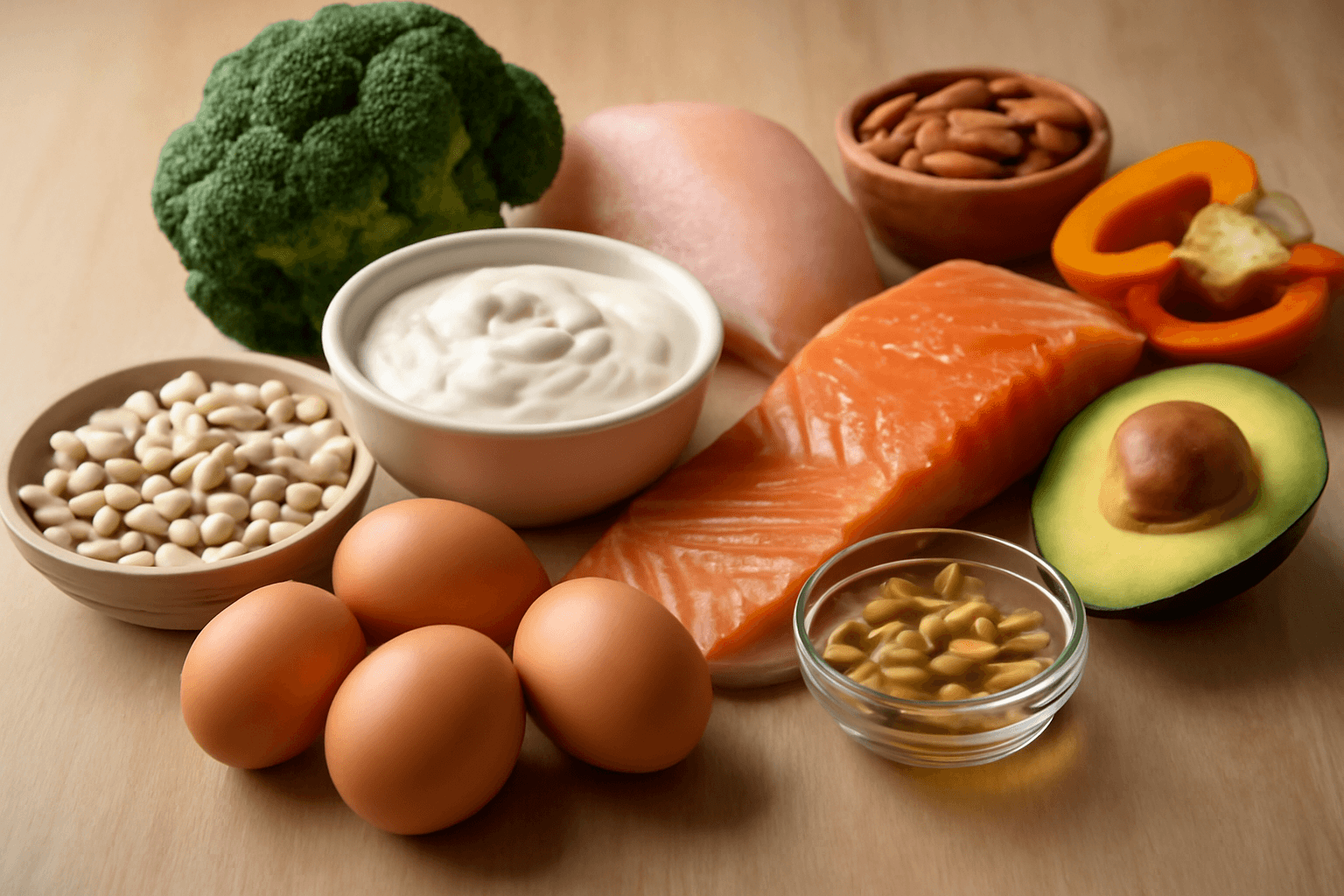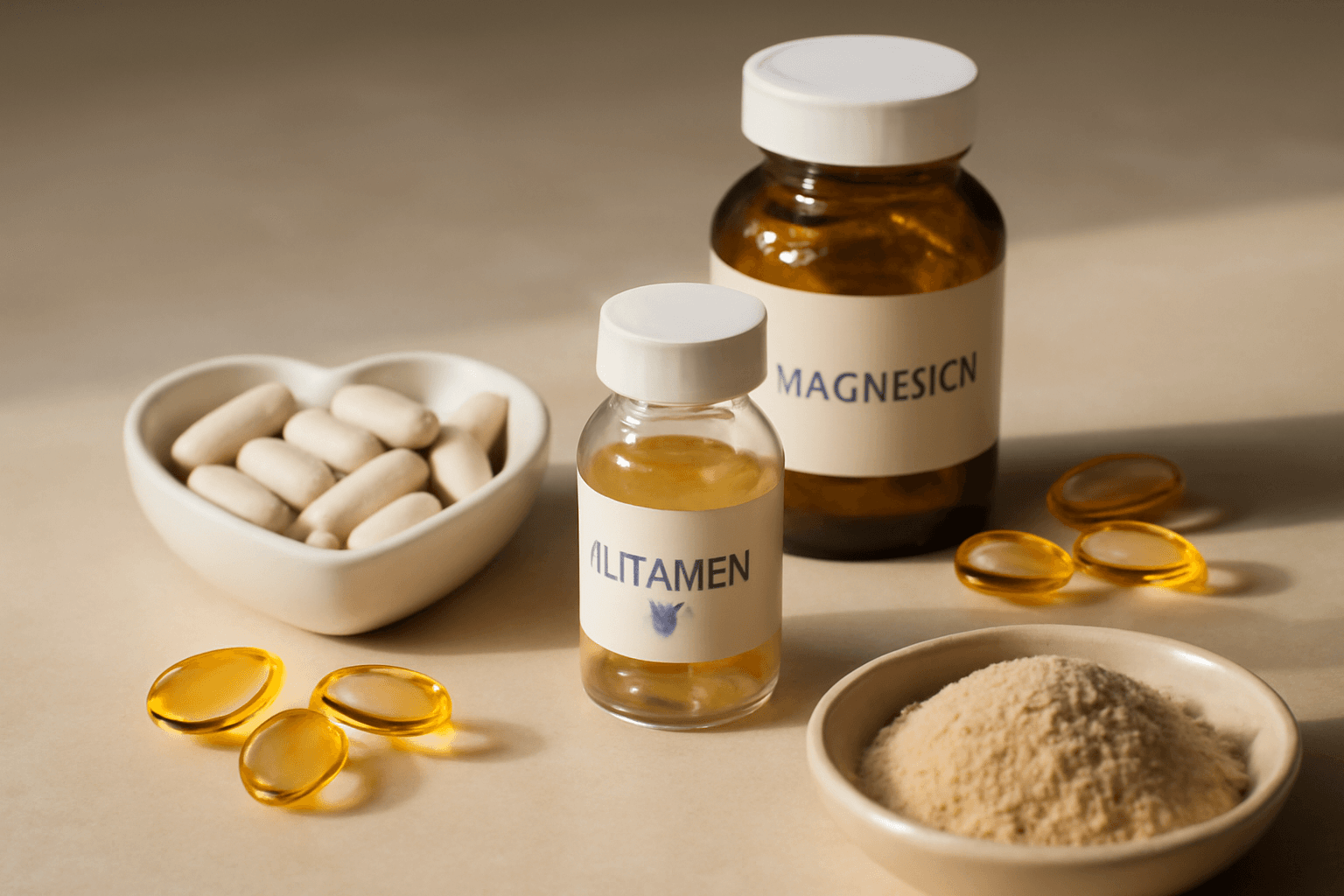
As autumn deepens and winter approaches, our bodies must adapt to sudden temperature changes and reduced sunlight. During this period, various health issues such as weakened immunity, increased fatigue, and dry skin become common. Experts recommend systematic supplement intake to prepare for these seasonal changes. This post provides practical, science-based information ranging from basic supplements needed year-round to nutrients that are particularly important in fall and winter.
Essential Daily Supplements
Protein: The Foundation of Tissue Maintenance
Protein is an essential nutrient that comprises all body tissues including muscles, skin, hair, and antibodies. The average adult requires 0.8g or more of protein per kilogram of body weight, and especially after age 40, this should be increased to 1.0~1.2g to prevent muscle loss. If your daily protein intake goal is 60g, distributing it across 3-4 meals optimizes muscle protein synthesis.
Protein supplements are divided into animal-based (whey protein, casein) and plant-based (pea, soy). Whey protein is ideal for post-workout consumption due to its rapid absorption rate and high biological value (BV 104), while casein provides long-lasting satiety through slow digestion. Plant-based proteins are easy to digest and cause fewer allergic reactions, making them suitable for those with sensitive digestive systems.
B-Complex Vitamins: The Key to Energy Metabolism
The eight B vitamins—B1, B2, B3, B5, B6, B12, and folate—are essential for enzyme activity that converts carbohydrates, fats, and proteins into energy. People under high stress or with intense exercise routines experience increased B vitamin depletion and require supplementation. According to a 2019 study by Seoul National University Medical Research Institute, B12 deficiency can lead to reduced cognitive function and nerve damage, making B12 supplementation essential for those over 50 and vegetarians.
B vitamins are water-soluble, so excess intake is excreted through urine with low toxicity risk, though some vitamins (B6) can cause nerve damage at excessive doses. Recommended daily amounts are generally B1 1.2mg, B12 2.4mcg, and folate 400mcg.
Magnesium: The Regulator of Muscle Relaxation and Sleep
Magnesium participates in over 300 biochemical reactions in the body and plays a crucial role in muscle relaxation, nerve transmission, blood pressure regulation, and energy production. Studies show that approximately 60% of Koreans fall short of the daily recommended amount (420mg for men, 320mg for women). Magnesium deficiency manifests as muscle cramps, insomnia, anxiety, and headaches.
The form of magnesium is important when selecting supplements. Magnesium malate specializes in energy production, glycinate in sleep improvement, and taurine complexes in cardiovascular health. Research shows that taking 200~400mg after dinner improves sleep quality by an average of 20~30%. However, those with kidney disease or taking certain medications should consult a healthcare professional before use.
Probiotics: Guardians of Gut Health
Probiotics are beneficial bacteria in the intestines, and since 70% of the immune system is located in the gut, gut health is directly connected to overall health. Lactobacillus and Bifidobacterium are the most extensively researched and proven strains. According to research from the International Society of Digestive Health, quality probiotics accelerate gut microbiota recovery by 30% after antibiotic use and reduce the duration of infectious diarrhea by 40%.
When selecting probiotics, check the CFU (Colony Forming Unit) count. For therapeutic effects, at least 100 million CFU is required, and it's important to verify whether the strain was used in clinical studies. Refrigeration is essential, and when taking antibiotics, maintain at least a 2-hour gap between consumption.
Fall and Winter Supplements
Vitamin C: Immune Enhancement and Skin Protection
The role of vitamin C in preventing and treating winter respiratory diseases cannot be overlooked. According to a meta-analysis from the University of Toronto in Canada (28 studies, 11,000 subjects), people who consistently took 200mg or more of vitamin C daily had 50% lower cold incidence rates compared to the general population. This difference is even more pronounced when exposed to extreme exercise conditions.
Vitamin C is essential for collagen synthesis, making it effective for recovering from winter dryness-related skin damage. The daily recommended amount for adults is 90mg for men and 75mg for women, but can be increased to 200~1000mg under stress or illness. High-dose consumption may cause diarrhea and abdominal discomfort, so it's recommended to start at 500mg and gradually increase.
Vitamin A: Night Blindness Prevention and Respiratory Protection
Vitamin A is essential for rhodopsin formation in the retina, making night blindness prevention important as sunlight decreases in fall and winter. More importantly, vitamin A's immune-regulating function maintains epithelial cell integrity, preventing viral and bacterial invasion at the source. According to research by the U.S. National Institutes of Health, children with vitamin A deficiency have more than twice the risk of respiratory infection.
Because vitamin A is fat-soluble, excessive intake poses toxicity risks. The adult daily upper limit is 3000mcg (retinol form), so care should be taken not to exceed this. Carotenoid forms (β-carotene, lutein, etc.) are converted to vitamin A only as needed, reducing overdose risk. Women who are pregnant must take this supplement under medical supervision due to birth defect risks.
Zinc: Immune Cell Activator
Zinc is an immune nutrient directly involved in the development and differentiation of T cells and B cells. Zinc's role in winter cold and flu prevention is extremely important. According to research from the University of Sydney in Australia, the group that supplemented zinc within 24 hours of symptom onset shortened cold duration by an average of 3.3 days. For adults over 65, zinc supplementation reduced pneumonia risk by 41%.
The adult daily recommended amount is 11mg for men and 8mg for women, with an upper limit of 40mg. Excessive intake can cause copper absorption inhibition, nerve damage, and nausea. Taking it with vitamin C increases absorption rate by 35%, so it's recommended to take them at different times. When taking oral contraceptives or certain antibiotics, zinc absorption is inhibited, so maintain at least a 2-hour gap.
Omega-3: Inflammation Control and Brain Health
Omega-3 fatty acids (EPA, DHA) are essential nutrients that regulate the body's inflammatory response and maintain vascular health. The role of omega-3's anti-inflammatory effects in winter depression and Seasonal Affective Disorder (SAD) is particularly noteworthy. In a study from the University of Helsinki in Finland, 2000mg daily omega-3 supplementation reduced winter depression symptoms by 35%.
Omega-3 supplements are divided into fish oil, algae oil, and krill oil sources. Fish oil is the most economical and widely researched but may have a fishy odor, while algae oil is vegan-friendly with lower contamination risk. Taking 2000mg daily (including 1000mg EPA and 800mg DHA) with fatty foods improves absorption. If taking blood thinners, consult your doctor.
Seasonal Probiotic Enhancement
In winter, both reduced gut movement from increased indoor activity and intestinal microbiota imbalance from increased immune activity occur simultaneously. Specialized probiotic intake during this period is important. Among lactic acid bacteria, Lactobacillus plantarum and Bifidobacterium longum excel in antiviral substance production and intestinal mucosa strengthening.
When selecting winter probiotics, choosing products containing prebiotics (dietary fiber, inulin, etc.) can improve beneficial bacteria survival rate by 50% or more. Take them 2 hours after meals when stomach acid is weakest, and store refrigerated above -10℃ to maintain effectiveness for 6 months.
Practical Guide for Supplement Intake
Multi-Supplements vs. Single Supplements: While multivitamins offer convenience, products tailored to individual deficiency states are more effective. It's generally recommended to combine basic supplements (protein, B-complex, magnesium) with seasonally appropriate supplements (vitamin C, zinc).
Timing and Method: Fat-soluble vitamins (A, D, E, K) should be taken with fatty foods, while water-soluble vitamins (C, B-complex) can be taken anytime but should be distributed evenly. If taking calcium or iron supplements, maintain at least a 2-hour gap with magnesium.
Supplement Selection Criteria: Choose products with third-party certification (NSF, USP, Informed Sport) and verify whether the strain or ingredient was used in clinical studies. Extremely cheap products may have low-quality raw materials.
Medical Precautions
This information is for general educational purposes, and supplement intake may be inappropriate depending on individual health status, existing conditions, and current medications. Consult a doctor or pharmacist in the following cases:
- Currently taking blood thinners (warfarin, aspirin, etc.)
- Diagnosed with thyroid disease, kidney disease, or liver disease
- Pregnant or breastfeeding
- Have scheduled surgery (need to confirm when to stop supplements)
- Have a history of allergies
- Taking regular prescription medications
Some supplements can reduce medication effectiveness or increase side effects. For example, omega-3 can interact with blood thinners, and high-dose vitamin E may weaken warfarin's effectiveness.
Summary: Key Points for Seasonal Health Management
Essential Supplements Year-Round:
- Protein: Body weight (kg) × 0.8~1.2g/day
- B-Complex Vitamins: Comprehensive B-complex or B12 (2.4mcg) + folate (400mcg)
- Magnesium: 200~400mg/day (take in evening)
- Probiotics: 100 million CFU or higher, refrigerated
Enhanced Fall and Winter Supplements:
- Vitamin C: 200~1000mg/day (increase under stress)
- Vitamin A: Carotenoid form 15,000 IU or higher
- Zinc: 15~25mg/day (upper limit 40mg)
- Omega-3: 1800~2000mg/day EPA/DHA
Principles for Supplement Selection and Use: Accurately assess your current health status and selectively supplement nutrients where deficiency is suspected—this is most efficient. Since supplements fundamentally serve to enhance a balanced diet, establishing a habit of minimizing processed food and prioritizing fresh fruits, vegetables, and protein foods is essential.
To stay healthy through fall and winter, rather than relying solely on supplements, an integrated approach combining adequate sleep (7-9 hours), regular exercise, and stress management alongside nutritional supplements is necessary. Based on this information, establish a customized supplement strategy suited to your lifestyle and health status, observe changes after one month, and adjust as needed.