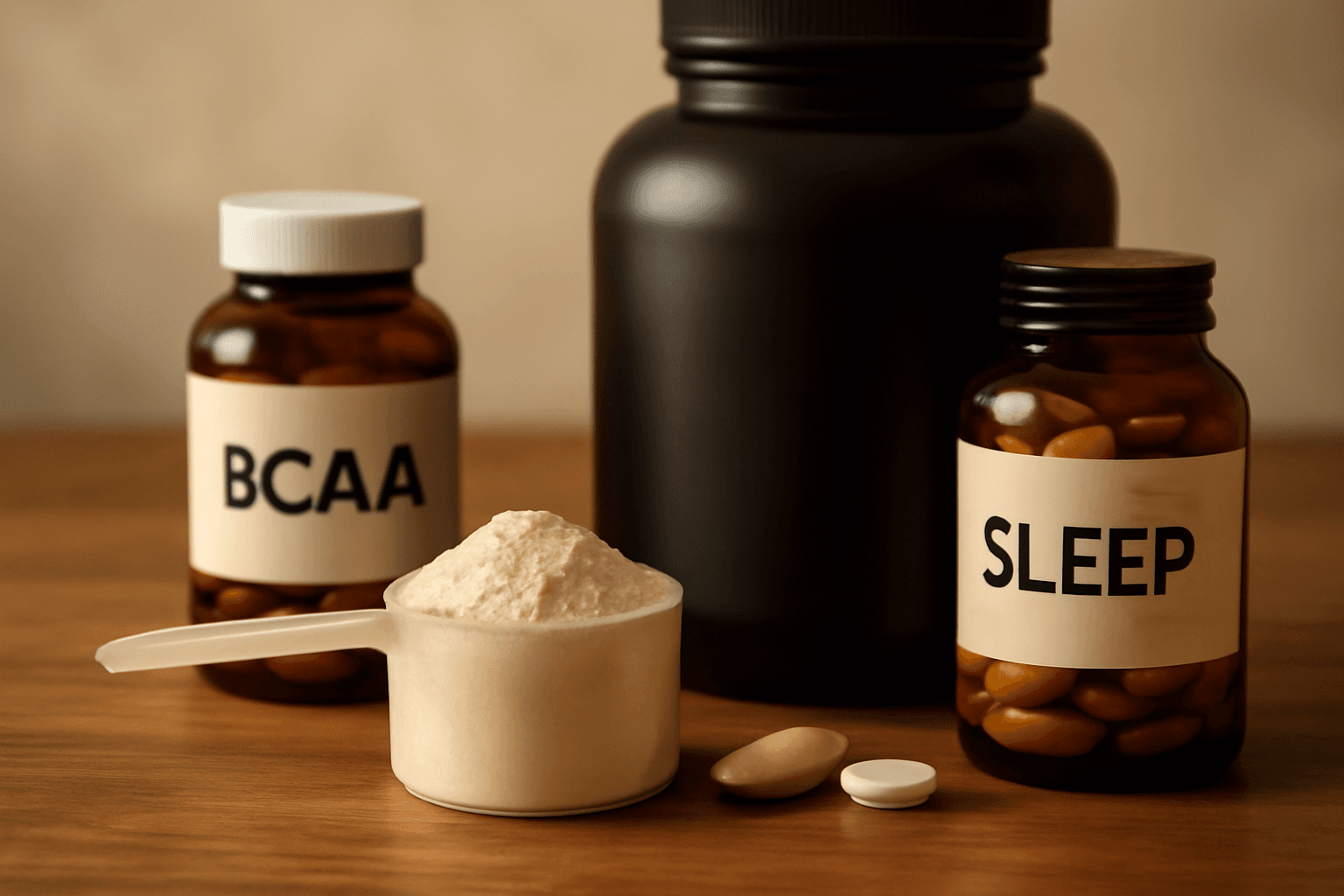
If you've been exercising for a few weeks or months, considering supplements to achieve your fitness goals is a natural next step. From protein shakes to creatine, the right sports supplements can help increase strength, promote muscle recovery, and improve exercise performance. In this post, we'll take a detailed look at the effectiveness of 9 popular sports supplements backed by scientific evidence, how to choose the right ones, and important precautions to consider.
9 Benefits of Exercise
Regular exercise provides a wide range of positive effects on the body. First, it improves cardiovascular health, reducing the risk of heart disease by 38%. Second, it increases muscle strength and bone density, significantly lowering fracture risk in older adults. Third, it promotes metabolism, making weight management easier. Fourth, it improves blood sugar control, effectively preventing diabetes. Fifth, it strengthens the immune system, reducing the incidence of infectious diseases. Sixth, it enhances brain function and memory. A group performing 150 minutes of moderate-intensity exercise per week scored 20% higher on cognitive function tests. Seventh, it improves sleep quality. Eighth, it alleviates chronic pain. Ninth, in the long term, it reduces overall mortality by approximately 30%.
4 Types of Exercise
An effective fitness program combines multiple types of exercise. Resistance training aims for muscle growth and increased bone density, with 2-3 sessions per week recommended. This exercise stimulates protein synthesis, playing a key role in muscle recovery. Aerobic exercise improves cardiorespiratory function, with 150 minutes of moderate-intensity exercise per week being ideal. Flexibility exercise increases range of motion in joints and prevents injury, being effective when performed for about 10-15 minutes daily. High-Intensity Interval Training (HIIT) provides maximum results in a short time, significantly elevating metabolism in a brief period. Properly combining these exercise types can support both overall health and the achievement of your fitness goals.
Physical Effects of Exercise
The impact of exercise on the body is very specific and measurable. Muscle tissue sustains micro-damage during exercise, and muscle growth occurs during the repair of this damage. People who performed resistance training increased muscle mass by an average of 2-3kg after 8 weeks. Increased blood flow improves the delivery of oxygen and nutrients, maintaining cellular health. Exercise changes hormone levels, increasing secretion of testosterone and growth hormone while decreasing cortisol (stress hormone). Metabolic rate continues to increase for 24-48 hours after exercise. Joints and connective tissues are also strengthened, reducing injury risk. Moreover, regular exercise reduces inflammation markers, preventing the development of chronic diseases.
Mental Effects of Exercise
The mental health benefits of exercise are just as important as the physical effects. Exercise increases the secretion of serotonin and dopamine in the brain, improving mood. People who exercise regularly showed a 30-47% reduction in symptoms of depression and anxiety. Physical activity stimulates endorphin production, which acts as a natural painkiller and induces a positive emotional state. The phenomenon called "runner's high" after exercise is due to endorphin release. Cognitive function also improves, enhancing concentration and memory. Exercise reduces adrenaline and cortisol, stress hormones, alleviating mental fatigue. It also improves self-esteem and increases satisfaction with body image. Social exercise (group fitness, team sports) provides additional psychological benefits, reducing feelings of isolation and strengthening social bonds.
9 Common Exercise Supplements
The sports supplement market is growing rapidly with many options available. Here are the major supplements with proven effectiveness:
- Protein Powder: An essential nutrient for muscle synthesis, most effective when consumed within 30 minutes after exercise
- BCAA (Branched-Chain Amino Acids): Prevents muscle breakdown and accelerates recovery
- Magnesium: Essential for muscle relaxation and sleep improvement
- Vitamin B Complex: Promotes energy metabolism and recovery
- Electrolytes: Maintains fluid balance and prevents muscle cramps
- Creatine: Has the most scientific evidence for increasing strength and muscle mass
- Glutamine: Supports gut health and immune function
- Potassium: Regulates nerve signal transmission and muscle contraction
- Beta-Alanine: Buffers acid accumulation in muscles, improving muscular endurance
Protein Powder
Protein is the foundation of muscle growth and recovery. It's important to consume high-quality protein during the "golden window" (30-60 minutes after exercise) when muscle protein synthesis rates increase. Whey protein is absorbed the fastest, containing all essential amino acids. A serving of 25-30g of protein maximizes muscle protein synthesis. Casein protein is digested slowly, making it suitable for consumption before sleep. Plant-based proteins (peas, beans) are excellent alternatives for vegetarians, but they have lower leucine content (an amino acid that stimulates muscle growth), so adequate amounts must be consumed.
BCAA (Branched-Chain Amino Acids)
BCAAs consist of three amino acids: leucine, isoleucine, and valine, with leucine directly stimulating muscle protein synthesis. According to research, athletes who consumed 5-20g of BCAA before and after resistance training experienced 20% faster strength recovery. BCAA prevents muscle breakdown (catabolism), making it particularly useful during prolonged aerobic exercise or calorie-restricted dieting. When exercising in a fasted state, BCAA supplementation is effective at preventing muscle loss. However, if sufficient total protein is consumed, BCAAs alone may offer limited additional benefits.
Magnesium
Magnesium is involved in over 300 biochemical reactions and is essential for muscle function and energy production. Athletes require 10-20% more magnesium than non-exercising populations. Magnesium deficiency causes muscle cramps, fatigue, and sleep disturbances. The recommended daily intake for women is 310mg and for men 400mg. Those who exercise regularly should consume 400-500mg. Magnesium glycinate has high absorption rates and causes minimal gastrointestinal irritation. Consuming 300mg 30 minutes before bedtime improves sleep quality.
Vitamin B Complex
B vitamins are essential for the metabolism of carbohydrates, fats, and proteins. B1 (thiamine) is important for energy production, B6 for protein metabolism, and B12 for red blood cell formation and nerve function. Folate (B9) participates in cell division and DNA synthesis. Those who regularly perform high-intensity exercise experience increased B vitamin loss. Taking a B complex supplement daily improves energy levels by an average of 15-20%. Vegetarians and vegans in particular face a higher risk of B12 deficiency, making supplementation recommended.
Electrolytes
Electrolytes (sodium, potassium, magnesium, calcium, chloride) are essential for nerve signal transmission, muscle contraction, and maintaining fluid balance. Significant electrolyte loss occurs during exercise lasting over 60 minutes or exercise in high-temperature environments. Sodium deficiency from sweat loss can cause hyponatremia, which leads to headaches, nausea, and cramps. Beverages consumed during exercise should contain a minimum of 300-600mg of sodium for optimal fluid absorption. Electrolyte supplements are particularly important during prolonged endurance exercise or training in very hot environments.
Creatine
Creatine is the supplement with the most scientific evidence for increasing strength and muscle mass, as it accelerates ATP (the cell's energy currency) resynthesis. Taking 5g daily for 4 weeks increases strength by an average of 5-15% and muscle mass by 1-2kg. Creatine monohydrate is the most researched form and is cost-effective. A loading phase (20g divided over 4-5 days) is optional; 5g daily without loading can also be effective. Since creatine increases water retention, adequate fluid intake is essential. Consult a healthcare professional before use if you have kidney disease.
Glutamine
Glutamine is the most abundant amino acid in the body and plays an important role in gut health, immune function, and protein synthesis. Intense exercise decreases glutamine levels by 30-50%. Glutamine deficiency results in compromised immunity, damaged gut integrity, and muscle loss. Daily intake of 5-10g of glutamine promotes post-exercise recovery and reduces infection risk. It's particularly useful for athletes experiencing overtraining syndrome. Glutamine is also found in glutamate-rich foods such as meat, cheese, and eggs.
Potassium
Potassium is essential for nerve signal transmission, muscle contraction, and blood pressure regulation. Potassium deficiency from sweat loss during exercise causes muscle cramps, weakness, and arrhythmias. The recommended daily intake for adults is 2,600-3,400mg. Athletes require more potassium to compensate for losses. Consuming potassium-rich foods such as bananas, sweet potatoes, avocados, and spinach is best, but supplements may help when sweat loss is significant. Excessive potassium intake can cause hyperkalemia, so caution is needed.
Beta-Alanine
Beta-alanine is a precursor to carnosine, which buffers acid (lactic acid) in muscles. During high-intensity exercise, muscles accumulate acid, causing fatigue and reduced performance. Taking 3-6g of beta-alanine daily for 4 weeks or longer improves high-intensity exercise performance by 2-3%. This is particularly effective for high-intensity exercise lasting 1-10 minutes (middle-distance running, cycling, team sports). Side effects of beta-alanine supplementation may include "tingling" (skin prickling), which is harmless. Choosing slow-release products can reduce this symptom. To see the effects of beta-alanine, at least 4 weeks of continuous supplementation is necessary.
Summary
Key Points:
1. Sports supplements are a tool to support proper exercise and nutrition, not a replacement.
2. Protein, creatine, and electrolytes have the most scientific evidence.
3. Supplement selection varies based on individual exercise goals, diet, and health status.
4. Consult a healthcare professional before long-term use.
5. Choose high-quality products and follow dosage guidelines accurately.
Exercise supplements are effective only when used alongside an enhanced exercise program, balanced diet, and adequate sleep. Not all supplements are equally effective for everyone, so it's important to observe your individual response while using them. Especially if you have underlying conditions or are taking medications, be sure to consult a healthcare professional before starting any new supplement. The combination of science-based supplement use and consistent exercise habits can significantly accelerate the achievement of your fitness goals.