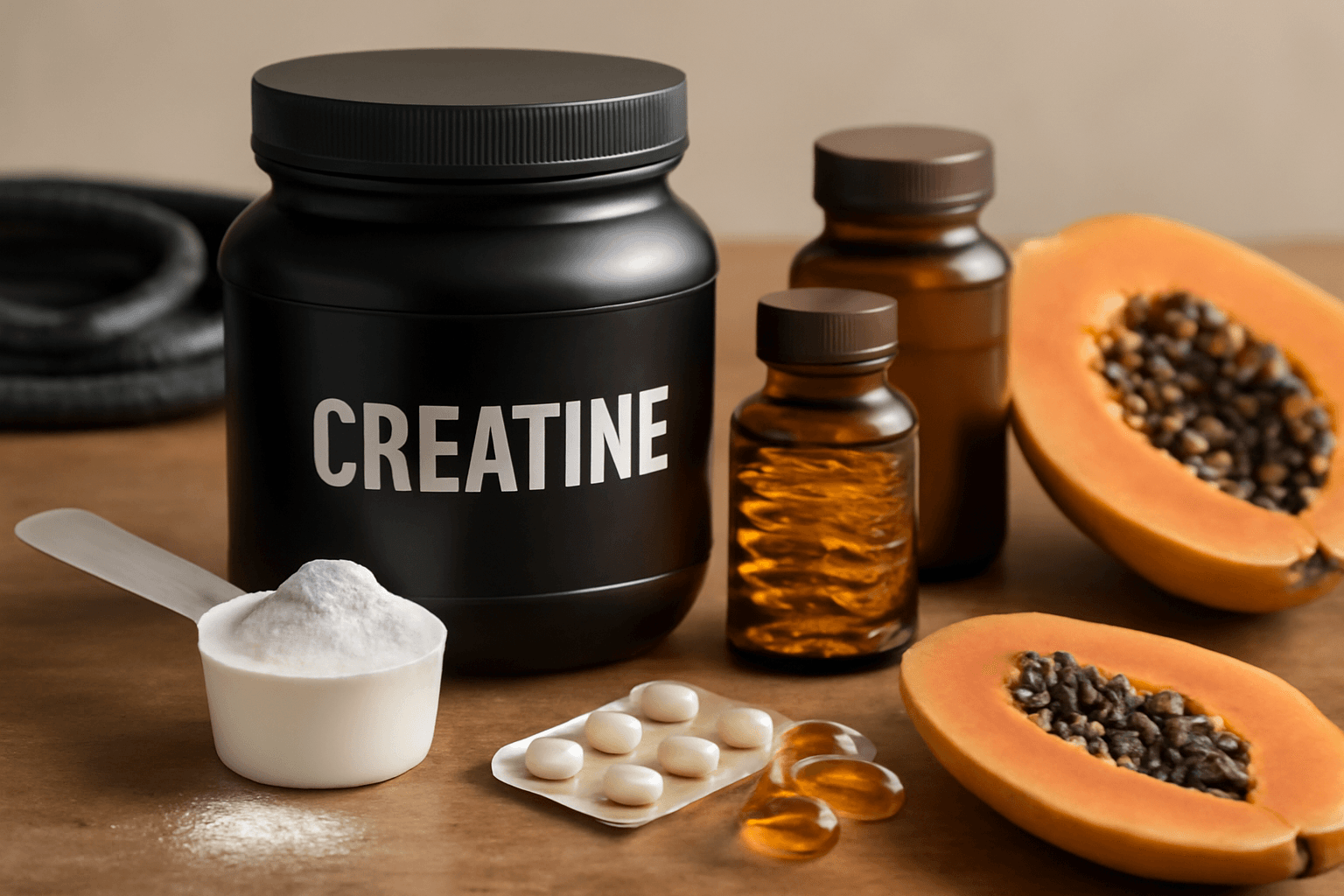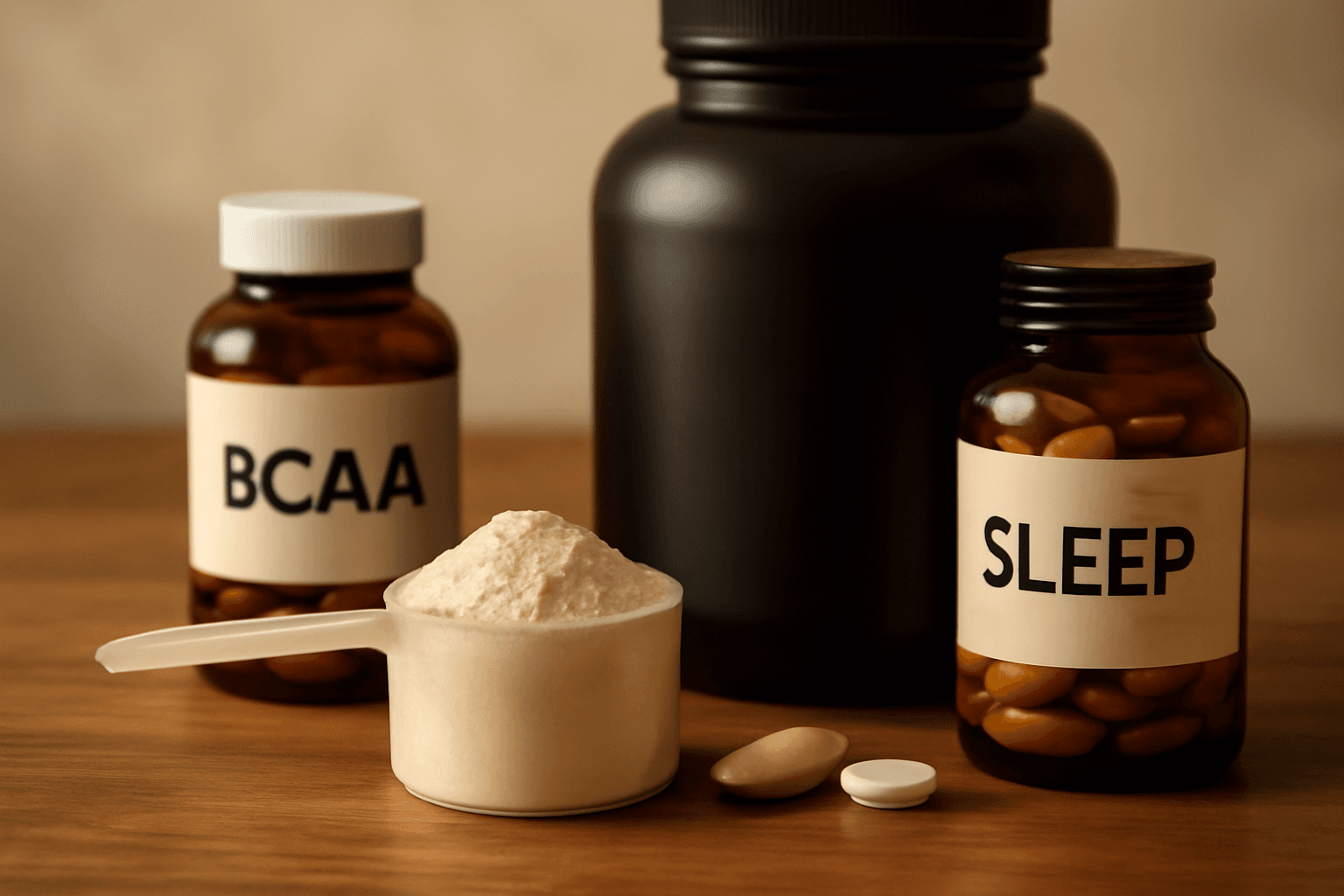
Muscle soreness after exercise is a common symptom experienced by many people. It tends to be especially severe when starting a new exercise routine or increasing intensity. Proper nutrition is essential to effectively relieve muscle soreness and promote recovery. From protein to essential minerals, various supplements play important roles in the muscle recovery process. In this article, we'll introduce supplements that are effective for relieving muscle soreness based on scientific evidence, and explain how to properly choose and use them.
Why Muscles Hurt After Exercise
Muscle soreness that occurs after exercise is called Delayed Onset Muscle Soreness (DOMS). This is an inflammatory and damage response in muscles that appears between 24 to 72 hours after exercise. It occurs especially severely after exercises that involve eccentric contractions, where muscles contract while lengthening.
The cause of muscle soreness is microscopic muscle damage during exercise. When lifting heavy weights or performing exercises with greater intensity than usual, structures called Z-disks in muscle tissue become damaged and trigger an inflammatory response. During this process, inflammatory substances like cytokines and prostaglandins are released, causing pain. Additionally, muscle glycogen decreases and metabolic byproducts accumulate, causing additional fatigue and soreness.
What's interesting is that muscle soreness itself is a signal that muscles are growing. Muscles only become stronger and larger by going through this damage process. However, without proper nutrition, this recovery process can be delayed and pain can intensify. Therefore, adequate nutrient intake immediately after exercise and during the following 48 hours is very important.
The Best Supplements for Muscle Soreness
Protein: The Foundation of Muscle Repair
Protein is the most critical nutrient for muscle recovery. Sufficient amino acid supply is essential to repair muscles damaged by exercise. According to research, consuming 20 to 40 grams of protein after exercise maximizes muscle protein synthesis. It's especially effective when protein is consumed within 30 minutes after exercise.
Whey Protein is suitable for consumption immediately after exercise due to its fast absorption rate. It's rich in BCAAs (branched-chain amino acids) and provides approximately 20 to 25 grams of protein per serving. Casein protein has a slower absorption rate, making it effective when consumed before bed, enabling continuous amino acid supply throughout the night.
BCAA: Preventing Muscle Loss and Promoting Recovery
BCAA (branched-chain amino acids) is a combination of three essential amino acids: leucine, isoleucine, and valine. They directly stimulate muscle protein synthesis and prevent muscle loss. In particular, leucine activates the mTOR signaling pathway to promote muscle growth.
Research shows that consuming 5 to 10 grams of BCAA daily accelerates muscle recovery after exercise and reduces muscle soreness by approximately 20%. For people doing strength training, consuming BCAA during or immediately after exercise can reduce muscle fatigue and increase recovery speed.
Magnesium: Muscle Relaxation and Cramp Prevention
Magnesium is a key mineral that regulates muscle contraction and relaxation. When magnesium is depleted during exercise, muscle cramps and pain increase. Adult males need 400 to 420mg of magnesium daily, while females need 310 to 320mg.
According to research, magnesium supplements reduce post-exercise muscle soreness by an average of 30% and lower the frequency of muscle cramps. In particular, magnesium in glycinate form has high absorption rates and fewer digestive side effects. Consuming 200 to 400mg in the evening after exercise promotes muscle recovery during sleep and reduces cramp occurrence.
Zinc: Inflammation Control and Immune Enhancement
Zinc is a mineral that regulates inflammatory responses and maintains immune system function. High-intensity exercise temporarily increases zinc loss. Adequate zinc intake quickly reduces inflammation from muscle damage and speeds up recovery.
Adults need 8 to 11mg of zinc daily, and athletes may need more. Zinc is also essential for protein synthesis, playing an important role in muscle rebuilding processes. While you can naturally obtain zinc from foods like oysters, beef, and pumpkin seeds, additionally consuming about 15mg through supplements makes exercise recovery more effective.
B-Complex Vitamins: Energy Production and Recovery
B-complex vitamins (B1, B2, B3, B5, B6, B12, and folate) are essential for energy metabolism and play important roles in rebuilding damaged muscles after exercise. People who do high-intensity exercise require 20 to 30% more B vitamins than average people.
In particular, vitamins B6 and B12 promote amino acid metabolism, while vitamin B3 is involved in DNA repair. B5 (pantothenic acid) regulates cortisol, a stress hormone, during the muscle recovery process. Research shows that consuming B-complex supplements immediately after exercise improves recovery speed by 15 to 25%.
Omega-3: Reducing Inflammation and Improving Circulation
Omega-3 fatty acids (EPA and DHA) are well-known for their anti-inflammatory effects. They suppress the inflammatory response that causes muscle soreness, relieving pain and shortening the recovery period. Research shows that consuming 2 to 3 grams of omega-3 reduces post-exercise muscle soreness by approximately 20%.
Omega-3 also improves blood flow, delivering more oxygen and nutrients to damaged muscles. This accelerates the recovery process and promotes strength gains. Daily consumption of fish oil supplements or algae-based omega-3 significantly improves the quality of exercise recovery.
Additional Tips for Relieving Muscle Soreness
The Importance of Adequate Sleep
Muscles grow during sleep, not during exercise. Growth hormone (GH) and testosterone are released during sleep, when muscle protein synthesis occurs most actively. Seven to nine hours of adequate sleep is the most effective intervention for muscle soreness recovery.
Sleep deprivation not only delays muscle recovery but also increases inflammatory markers. Research shows that a group that slept 8 hours or more daily for 3 days after exercise recovered strength 35% faster than a group that slept only 5 hours. Consuming magnesium and vitamin B6 immediately after exercise improves sleep quality and enhances recovery effects.
Hydration and Digestive Health
Significant amounts of fluid are lost during exercise. Since 15 to 20ml of fluid per kilogram of body weight is needed, a person weighing 70kg should consume at least 1 liter of fluid during the hour after exercise. Adequate fluid intake delivers nutrients to muscles and promotes recovery.
Digestive health is also important. To repair muscles damaged by exercise, consumed protein and nutrients must be properly absorbed. Probiotic or digestive enzyme supplements improve gut health and increase nutrient absorption rates. After intense exercise, digestive function can be temporarily reduced, making digestive aid supplements particularly effective.
Appropriate Recovery Exercise
Light recovery exercise is just as important as complete rest. Low-intensity aerobic exercise (walking, swimming, light cycling) increases blood flow to muscles and accelerates recovery. Five to ten minutes of static stretching after exercise alleviates muscle stiffness and maintains range of motion.
However, when muscle soreness is severe, avoid high-intensity exercise on the same area. After 48 hours of adequate recovery, it's safe to exercise the same muscle group again. This prevents excessive damage and allows for continuous strength gains.
How to Choose the Right Supplements
Verifying Product Quality and Certification
The first thing to check when selecting supplements is product quality and safety. Verify whether the product is manufactured by a trustworthy company and whether it has undergone third-party testing. Products with certification marks from agencies like NSF, IFBB, or Informed-Sport have higher credibility.
Carefully check ingredient labels and choose products verified to contain the actual amounts of active ingredients as stated. Some low-cost products contain significantly less active ingredients than listed. It's also preferable to choose products without unnecessary additives or artificial sweeteners.
Analyzing Personal Fitness Goals and Diet
Not everyone needs the same supplements. The required supplements vary depending on your current protein intake, exercise intensity, and desired degree of muscle gain. If your daily protein intake is already sufficient, it may be better to focus on BCAAs or magnesium instead of protein supplements.
Exercise frequency and intensity should also be considered. For people doing high-intensity exercise three or more times per week, a combination of protein, BCAA, and magnesium is effective. Meanwhile, for those exercising at moderate intensity about twice a week, magnesium and B-complex vitamins alone may be sufficient.
Budget and Cost-Effectiveness
Supplements are meant to complement basic nutritional intake. Therefore, the most expensive product isn't necessarily the best. Compare the actual amount of active ingredients per serving and price to evaluate cost-effectiveness.
It's also important to distinguish between essential and optional supplements. Protein, magnesium, and B-complex vitamins are essential for exercise recovery, but not everyone needs to take all supplements simultaneously. It's recommended to start gradually, observe how your body responds, and add more as needed.
Consulting with Medical Professionals
Especially if you have existing health conditions or are taking other medications, it's essential to consult with a doctor or nutrition specialist before taking supplements. Some supplements can interact with certain medications and may cause side effects depending on individual health status.
Additional caution is needed if you're pregnant or breastfeeding, have kidney or liver disease, or have blood clotting disorders. Professional advice helps you find the optimal supplement combination for your situation and prevents adverse effects from overconsumption.
Summary
Choosing supplements for relieving muscle soreness and promoting recovery should be based on scientific evidence. Here are the key points:
- Protein: Consume 20 to 40 grams within 30 minutes after exercise to promote muscle protein synthesis
- BCAA: 5 to 10 grams daily to prevent muscle loss and accelerate recovery
- Magnesium: Take 200 to 400mg in the evening to relieve muscle cramps and improve sleep
- Zinc: Additional daily intake of 15mg for inflammation control and immune enhancement
- B-Complex Vitamins: Essential for energy metabolism and muscle rebuilding
- Omega-3: 2 to 3 grams daily for anti-inflammatory effects and improved blood circulation
- Sleep: Seven to nine hours of adequate sleep is a more important recovery tool than any supplement
When selecting supplements, choose third-party tested products and consider your exercise intensity and current nutritional status before starting with what you need most. If you have existing conditions or are taking medications, it's recommended to consult with a healthcare professional before starting.
Muscle soreness is a signal of muscle growth, but with proper nutritional management, you can effectively relieve it and increase recovery speed. Remember that consistent exercise, proper nutrition, and adequate sleep together form the ultimate recovery strategy.
Medical Disclaimer: The information in this article is written for general health education purposes and cannot replace professional medical advice. Before starting to take any new supplements, be sure to consult with a doctor or registered dietitian. In particular, please seek professional guidance regarding existing health conditions, drug interactions, and allergies.