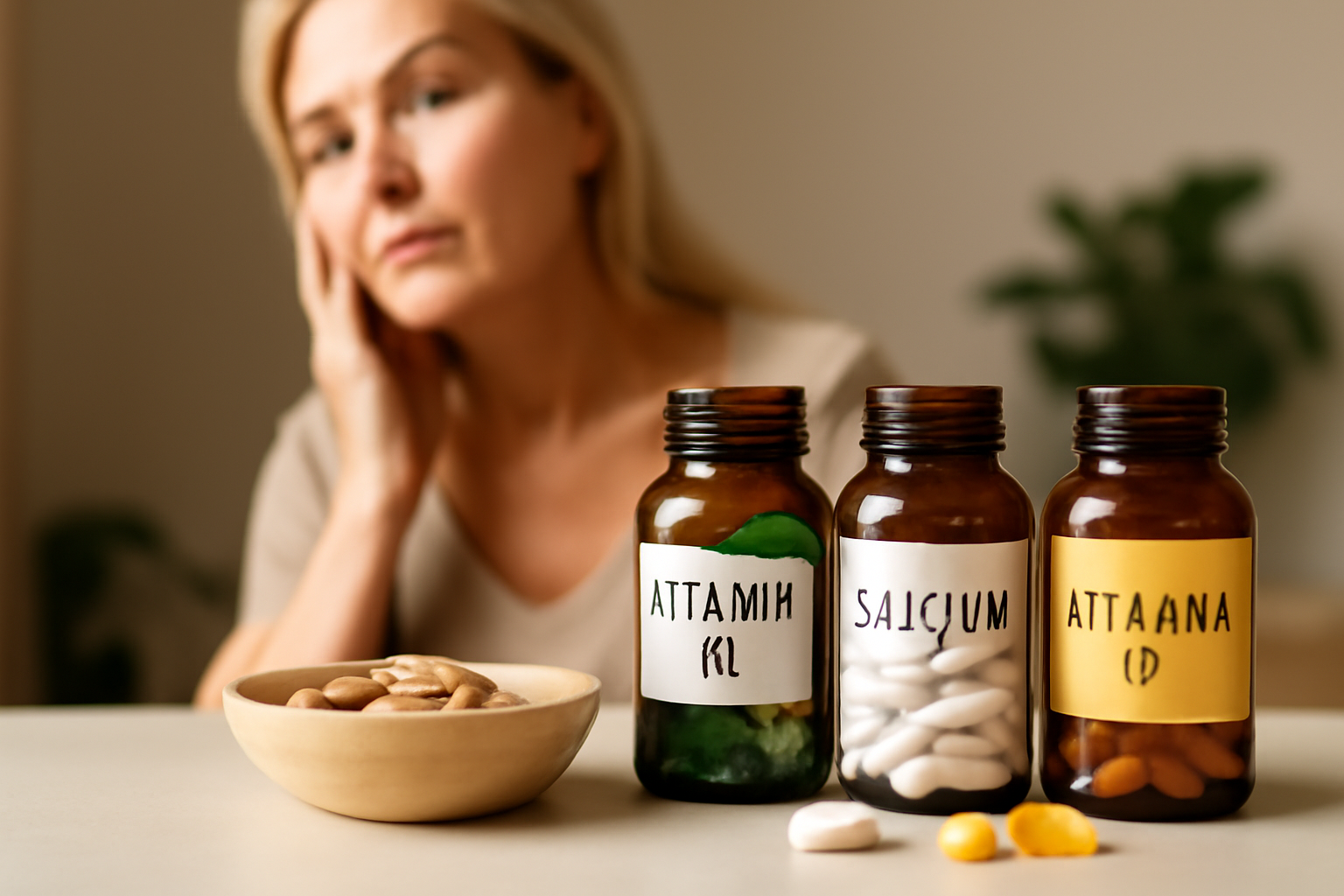
Menopause is a natural phase in a woman's life, but the physical and emotional changes that accompany it significantly impact quality of life. Various symptoms appear, including hot flashes, sleep disorders, mood changes, and increased risk of osteoporosis. Many women are seeking supplements and herbal remedies to manage these symptoms. This article introduces nine key supplements and natural remedies to help alleviate menopausal symptoms in detail, providing scientific evidence for each ingredient and practical methods of consumption.
Menopausal Symptoms
Women entering the menopausal transition experience a wide variety of physical symptoms. The most common symptom is hot flashes, experienced by approximately 75% of menopausal women, causing sudden warmth that reddens the face and neck and produces sweating. Night sweats are also common and can significantly reduce sleep quality, leading to chronic fatigue.
Emotional symptoms are also considerable. Hormonal changes cause depression, anxiety, irritability, and memory loss. Some women report cognitive decline that they describe as "brain fog." These emotional changes also affect work life and interpersonal relationships.
Skeletal symptoms include joint pain, muscle pain, and more seriously, a sharp increase in osteoporosis risk due to decreased bone density. Within 5-10 years after menopause, women lose bone mass three times faster than men. Additionally, vaginal dryness, decreased libido, incontinence, heart palpitations, headaches, and weight gain occur in combination, reducing overall quality of life.
What is Menopause?
Menopause is a physiological phenomenon in which a woman's ovarian function gradually decreases, ultimately causing menstruation to stop completely. Medically, menopause is diagnosed when there is an absence of menstruation for 12 or more months after the last period, typically occurring between ages 45-55. However, the menopausal process usually progresses over 5-10 years, referred to as perimenopause or the menopausal years.
During this time, the levels of estrogen and progesterone secreted by the ovaries drop irregularly and sharply, affecting many body systems. The role of hormones is not limited to reproductive function alone; they are responsible for a wide range of bodily functions including brain temperature regulation, bone density maintenance, blood vessel elasticity, and neurotransmitter synthesis. Therefore, dramatic changes in hormone levels have widespread effects throughout the body.
Menopause is not a disease but a natural physiological transition; however, the symptoms that appear are very real and can seriously reduce quality of life. Each woman's symptom severity and duration vary greatly depending on genetics, lifestyle, health status, and mental health.
Supplements for Managing Menopausal Symptoms
1. Calcium and Vitamin D
Calcium is one of the most important nutrients for menopausal women. The decrease in estrogen due to menopause directly accelerates bone loss, and 25-30% of women receive an osteoporosis diagnosis within 10 years after menopause. The recommended daily calcium intake for women 51 and older is 1,200mg.
Vitamin D is essential for calcium absorption. Vitamin D deficiency is directly related to decreased bone density, and many menopausal women are deficient in vitamin D. Supplementation is particularly important during winter or for people living in areas with limited sun exposure. The recommended daily amount is 600-800 IU, though 1,500-2,000 IU supplementation may be necessary if deficiency exists.
Taking calcium and vitamin D together creates a synergistic effect. Research shows that menopausal women taking these two ingredients together had 30-50% slower rates of bone density loss. Calcium is abundant in dairy products, green vegetables, and nuts, while vitamin D is found in fatty fish, egg yolks, and mushrooms.
2. Magnesium
Magnesium is a key mineral involved in over 300 enzymatic reactions. For menopausal women, magnesium is particularly important because it is effective in reducing hot flash intensity, improving sleep quality, and alleviating anxiety. Magnesium calms the nervous system, relieves muscle cramps, and plays a role in bone metabolism.
The recommended daily intake for adult women is 310-320mg, but menopausal women may benefit from higher levels of intake. Many healthcare professionals recommend supplementation of 400-500mg. Magnesium supplements are most effective for sleep improvement when taken in the evening. Natural food sources include sunflower seeds, walnuts, almonds, dark leafy vegetables, and black beans.
When supplementing magnesium, be aware that absorption rates and digestive effects vary depending on the form. Magnesium citrate and malate have high absorption rates, while magnesium oxide has a digestive soothing effect. Excessive supplementation can cause diarrhea, so dosage should be adjusted to individual circumstances.
3. Vitamin B6, B12, and Folate
B vitamin complex is essential for energy metabolism, nerve function, and emotional health. Vitamin B6 supports neurotransmitter production, helping with mood regulation and sleep improvement, while lowering homocysteine levels to protect cardiovascular health. The recommended intake for menopausal women is 1.5mg daily.
Vitamin B12 is important for nerve function and energy production, and deficiency causes symptoms similar to menopausal symptoms such as fatigue, forgetfulness, and depression. All women 51 and older are recommended 2.4mcg of B12 daily, and vegetarians or those with digestive disorders particularly need supplemental forms. Folate is important for homocysteine metabolism, with 400mcg daily intake recommended.
When choosing B vitamin complex, look for "methylated" forms (methylcobalamin, methylfolate) for greater effectiveness. These are better absorbed by people with certain genetic variations. Taking B vitamins, particularly in the morning, can provide an energy boost throughout the day.
4. Protein Supplements
Muscle loss accelerates during menopause. Due to hormonal changes and increased age, women lose approximately 3-8% of muscle mass annually, leading to decreased metabolic rate, weight gain, and weakened bone density. Adequate protein intake is essential for maintaining muscle.
The recommended daily protein intake for menopausal women is 1.2-1.6g per kilogram of body weight, higher than the general adult recommendation (0.8g/kg). For example, a 65kg woman needs 78-104g of protein daily. When meeting this through food alone is difficult, protein powder is a practical alternative.
Protein supplements help not only maintain muscle but also increase satiety, stabilize blood sugar, and increase basal metabolic rate. Various forms exist including whey protein, plant-based protein (pea, rice, soy), and casein. Consumption within 30 minutes after exercise maximizes protein synthesis effects.
5. Iron
Before menopause, women have higher iron requirements due to blood loss from menstruation (18mg daily). After menopause, the requirement decreases to 8mg, but some women experience iron deficiency anemia during the menopausal years due to excessive menstrual bleeding. This worsens menopausal symptoms such as fatigue, dizziness, and difficulty concentrating.
Whether iron supplementation is needed should be determined through blood tests (ferritin, serum iron, TIBC). Excessive iron intake can increase oxidative stress and raise the risk of chronic disease, so supplementation must be done under medical supervision. To increase iron absorption, take it with vitamin C and maintain a 2-hour interval between iron and caffeine or calcium supplements.
6. Vitamin C and Antioxidants
Vitamin C is a powerful antioxidant that alleviates increased oxidative stress from estrogen reduction. For menopausal women, 75mg of vitamin C daily is recommended, though higher supplementation (500-1,000mg) may be beneficial.
Vitamin C supports collagen synthesis, helping maintain skin elasticity, strengthens the immune system, and enhances iron absorption. It is abundantly found in fresh fruits and vegetables such as oranges, kiwis, peppers, and broccoli. Supplemental vitamin C in alkaline forms (not ascorbic acid) is less irritating to the stomach.
7. Vitamin K
Vitamin K is essential for bone protein synthesis and plays an important role in maintaining bone density. Low vitamin K levels are associated with increased osteoporosis risk, particularly important for menopausal women. The recommended daily intake for adult women is 90mcg.
Vitamin K comes in two forms: K1 (phylloquinone) and K2 (menaquinone). K1 is abundant in green leafy vegetables, while K2 is found in fermented foods and some animal products. Many menopausal women are deficient in K2, making supplementation helpful. Those taking blood clotting medications must consult a physician.
8. Omega-3 Fatty Acids
Omega-3 fatty acids (EPA and DHA) have powerful anti-inflammatory effects, alleviating the increased inflammation associated with menopause. Research shows that omega-3 reduces hot flash frequency by 20-30% and also benefits mood and cognitive function.
The recommended daily intake is 1,000-2,000mg combined EPA and DHA. Fish oil supplements are most common, but algae-based supplements are good alternatives for vegetarians and vegans. Omega-3 can thin the blood, so those taking anticoagulants should consult a doctor. Some women may experience fish burps; taking them while frozen or choosing enteric-coated products helps.
9. Immune Support Supplements (Zinc, Selenium)
Hormonal changes also affect immune system function. Menopausal women become more vulnerable to infections, and the risk of certain diseases increases. Zinc and selenium are essential minerals for normal immune response function.
The recommended daily zinc intake for women 51 and older is 8mg, though some experts suggest 10-15mg for menopausal women. The recommended selenium intake is 55mcg daily. These two minerals support thyroid function and alleviate metabolic slowdown that menopausal women may experience. Zinc supplements should be taken at least 2 hours apart from food intake for optimal absorption. Excessive supplementation can interfere with copper absorption, so recommended amounts should not be exceeded.
Herbal Remedies for Menopause
Black Cohosh
Black cohosh is a medicinal plant native to North America and is one of the most extensively studied herbs for alleviating menopausal symptoms. According to multiple clinical trials, black cohosh reduces hot flash frequency by 30-40% and improves night sweats and sleep disturbances.
The typical dosage is 40-80mg daily (based on standardized extract), taken over a minimum of 6 weeks to a maximum of 6 months. Black cohosh is generally safe but should be discussed with a doctor if there is liver disease or personal history of hormone-sensitive conditions. It may take 2-4 weeks to see effects, so patience is necessary.
Red Clover
Red clover contains isoflavones, plant-based estrogens. Isoflavones have weak estrogenic effects that can help alleviate menopausal symptoms. Some studies report it reduces hot flash symptoms by 25-30%.
The typical dosage is 40-80mg daily (based on isoflavone content). Red clover can interact with blood clotting medications and should be avoided if taking such drugs. Also, physician approval is needed if there is a personal history of breast, ovarian, or uterine cancer. It has an excellent safety profile, and most women tolerate it well, though individual differences may occur.
Ginger and Turmeric
Both ginger and turmeric are spices with powerful anti-inflammatory properties, helping alleviate joint pain, muscle pain, and chronic inflammatory conditions related to menopause. Ginger is also effective at relieving nausea and improving digestion.
Ginger can be consumed in various forms: fresh (in tea or food), dried (powder), or extract (supplements). The recommended daily amount is 1-2g (fresh ginger basis) or 300-1,000mg (standardized extract). Curcumin, the key active component of turmeric, significantly increases absorption when consumed with fat. The daily curcumin dose is 500-2,000mg, and taking it with black pepper (piperine) enhances bioavailability.
Soy Isoflavones
Soy is a major source of plant-based estrogens containing isoflavones genistein and daidzein. According to some research, soy isoflavone supplements reduce hot flashes and night sweats by 20-30%.
The daily dosage is typically 40-110mg (isoflavone content). The effects of soy isoflavones vary greatly between individuals, with dramatic improvement in some women and limited effects in others. For those with a history of breast cancer diagnosis or hormone-sensitive conditions, consult with an oncologist before taking high-dose supplemental forms. Soy products in food form (soy milk, tofu, miso) are generally considered safe.
Sage
Sage has long been used in traditional medicine to treat night sweats and hot flashes. Recent research shows that menopausal women taking sage extract experienced approximately 50% reduction in daily night sweat episodes.
The typical dosage is 300-600mg daily (standardized extract), and it can also be consumed as tea (steep 1-3g of fresh or dried sage in water). Sage is also known for liver health and antioxidant properties. It is generally safe with minimal side effects, though some individuals may rarely experience digestive discomfort or allergic reactions.
Mint and Lavender
Mint (particularly peppermint) and lavender have traditionally been used to alleviate anxiety, nervousness, and sleep problems. Rather than alleviating hot flashes themselves, they improve accompanying anxiety and sleep disturbances, enhancing overall quality of life.
Peppermint tea can be consumed 2-3 cups daily, while lavender is used in various forms including tea, essential oil aromatherapy, and supplements. Typical daily lavender supplement dosage is 160-1,280mg. These herbs have few side effects, but it is good to confirm with a healthcare professional the possibility of interactions with certain medications.
Summary
Key Points for Managing Menopausal Symptoms:
- Basic Supplements: Calcium (1,200mg) and vitamin D (600-800 IU) are essential baseline supplements for all menopausal women. They significantly reduce osteoporosis risk.
- Nervous System Support: Magnesium (400-500mg) is effective at alleviating hot flashes, improving sleep, and reducing anxiety, while B vitamin complex supports energy and emotional health.
- Muscle and Metabolic Health: Adequate protein intake (1.2-1.6g per kilogram of body weight) and exercise are essential for preventing muscle loss and maintaining healthy weight.
- Herbal Remedy Options: Black cohosh and red clover are evidence-based options for alleviating hot flashes, while sage is particularly effective for night sweats.
- Personalized Approach: Each woman's symptom profile, health history, and medication use is unique, making consultation with a healthcare professional before starting supplements important.
- Multi-layered Management: Supplements are most effective when combined with regular exercise, stress management, adequate sleep, and a balanced diet.