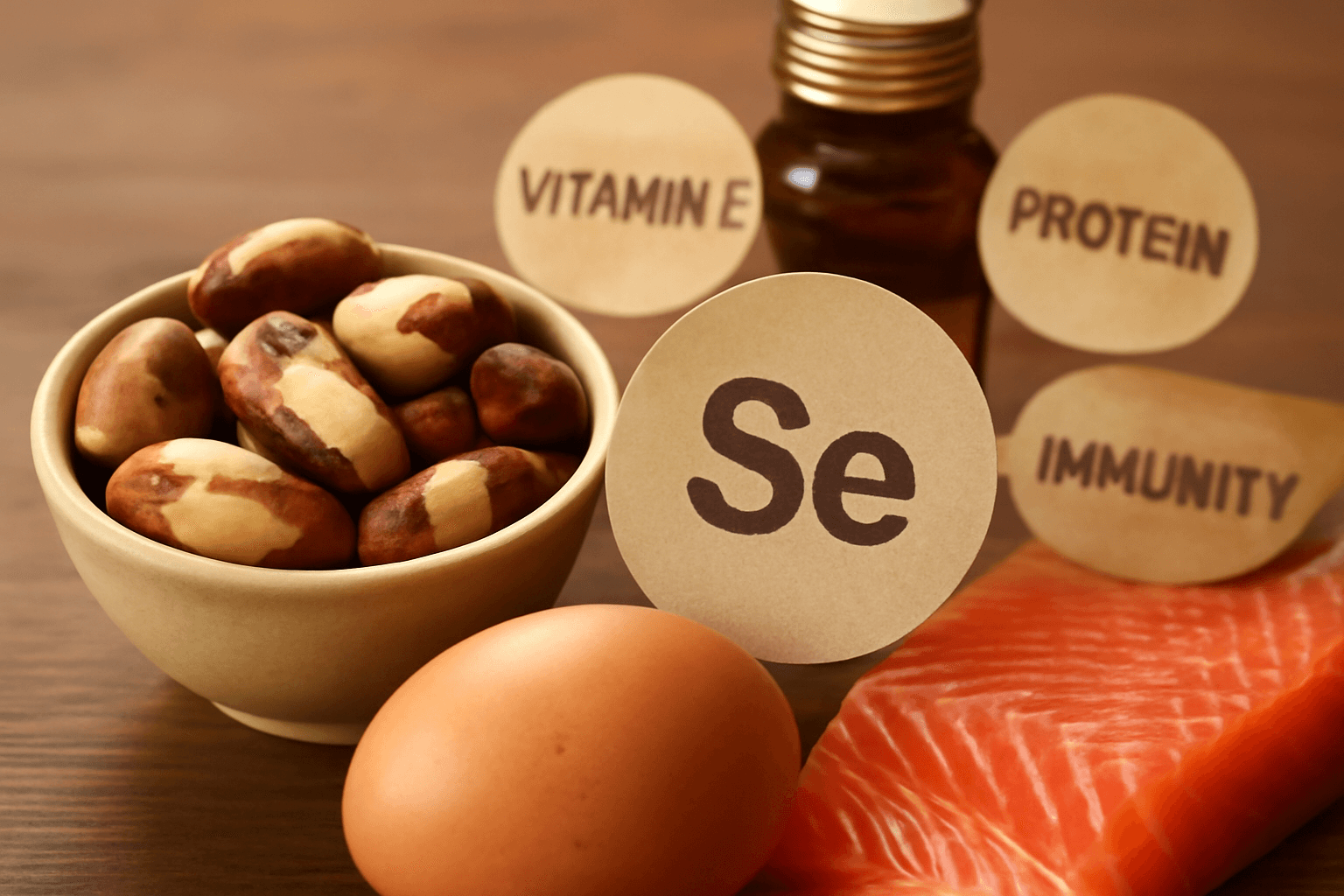
Selenium is a trace mineral that acts as a powerful antioxidant in our bodies and participates in essential physiological processes including thyroid hormone metabolism, immune function, and DNA synthesis. The daily recommended intake for adults is 55 micrograms, and it is found in a variety of foods including Brazil nuts, eggs, fish, and whole grains. In this guide, we will examine in detail how selenium contributes to various aspects of our health.
Antioxidant Effects
One of selenium's most important roles is its powerful antioxidant action. Selenium is an essential component of the antioxidant enzyme glutathione peroxidase, which neutralizes free radicals that cause cellular damage. Free radicals are produced during normal metabolic processes, but when they accumulate excessively, they lead to cellular aging, inflammation, and chronic diseases.
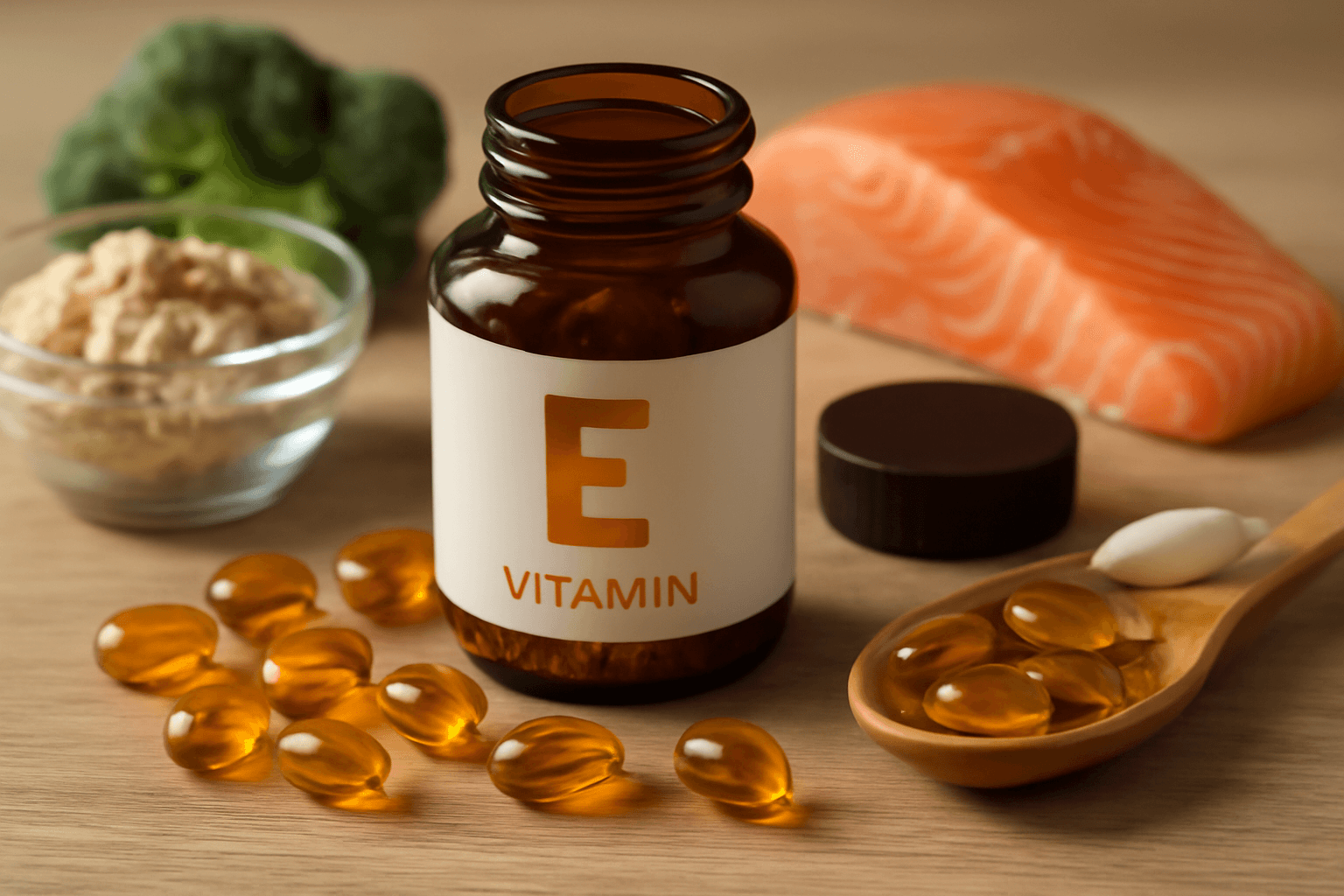
According to research, in selenium-deficient states, the antioxidant defense system weakens by 25-30%, increasing oxidative stress. When working together with vitamin E, the antioxidant effect is maximized, and the synergy between these two nutrients effectively prevents lipid peroxidation of cell membranes. Adequate selenium intake has positive effects on maintaining skin elasticity and preventing age-related diseases.
- Elimination of free radicals through activation of glutathione peroxidase
- Enhanced antioxidant effects through cooperation with vitamin E
- Prevention of cellular damage and suppression of inflammatory responses
- Reduced risk of premature aging and degenerative diseases
Cataract Prevention
The eye's lens is tissue with weak antioxidant defense, and the accumulation of free radicals causes protein degeneration leading to cataracts. Selenium-containing antioxidant enzymes effectively eliminate free radicals within the lens, delaying the progression of cataracts. According to research from the National Institutes of Health (NIH), people with low blood selenium levels have approximately 40% higher incidence of cataracts compared to those in the normal range.
Selenium particularly protects the eyes from oxidative stress caused by UV exposure, diabetes, and smoking. As age increases, the body's antioxidant capacity declines, making selenium intake increasingly important after middle age. When consumed together with other antioxidant components such as lutein, zeaxanthin, and zinc, the eye health benefits are multiplied.
Maintaining blood selenium levels in the normal range (110-150 nanograms/milliliter) is key to cataract prevention.
Heart Disease Prevention
Heart disease is a leading cause of death worldwide, and selenium serves as a multi-layered protector of cardiovascular health. First, selenium prevents vascular endothelial damage from oxidative stress, inhibiting the progression of atherosclerosis. Second, through anti-inflammatory action, it delays the formation of atherosclerotic plaques. Third, it regulates platelet aggregation, reducing the risk of blood clots.
In a 10-year follow-up study conducted in Finland, the mortality rate from heart disease in the group with high selenium intake was 30% lower than in the group with low intake. Additionally, selenium prevents oxidation of LDL cholesterol, inhibiting its deposition in arteries. For people with risk factors for heart disease such as high blood pressure, diabetes, and obesity, adequate selenium intake is particularly important.
- Improved vascular endothelial function and prevention of arterial stiffness
- Inhibition of atherosclerosis progression
- Reduced risk of blood clot formation
- Contributes to blood pressure stabilization
- Prevention of cardiac muscle damage
Immune Support
Selenium is essential for the efficient functioning of the immune system. Selenium is directly involved in maintaining the function of white blood cells, particularly T lymphocytes and natural killer (NK) cells. In selenium-deficient states, antibody production decreases and infection response capability decreases by 25-40%. Selenium regulates the synthesis of selenoproteins that promote the proliferation and differentiation of immune cells.
In studies examining the relationship between coronavirus infection severity and selenium levels, patients with adequate selenium intake had shorter hospital stays and higher recovery rates. Chronic stress weakens immunity, and selenium's antioxidant effects alleviate immune damage caused by stress. Particularly during winter colds and flu season, adequate selenium intake effectively reduces infection risk.
Practical Tips for Immunity: Consuming selenium-rich foods such as 2 Brazil nuts daily, 1 egg, or approximately 85 grams of tuna can fulfill most of the daily recommended amount. However, excessive intake (over 400 micrograms per day) can cause selenium toxicity, so caution is necessary.
Supporting Fetal Growth and Development
During pregnancy, selenium is essential for fetal nervous system development, bone formation, and immune system building. Selenium protects the placenta and fetus from increased oxidative stress during pregnancy and reduces the risk of miscarriage by 25-30%. Selenium deficiency during pregnancy increases the risk of congenital malformations, fetal growth retardation, and premature birth.
In a clinical study conducted in Austria, newborns of pregnant women who consumed adequate selenium had average birth weights 150 grams higher, and the incidence of newborn infections was significantly lower. The selenium content in breast milk is also directly affected by the mother's selenium status, so adequate selenium intake is important from the pregnancy planning stage. The daily recommended intake during pregnancy is 60 micrograms, higher than for non-pregnant women.
Selenium deficiency during pregnancy can increase the risk of congenital heart disease and neural tube defects. Be sure to consult with a healthcare professional to plan appropriate supplementation.
Improved Thyroid Function
The thyroid is the organ with the highest selenium content in the body, and selenium is essential for the activation and deactivation of thyroid hormones. Selenium is a component of selenoproteins, iodine-containing enzymes involved in thyroid hormone metabolism, and deficiency increases the risk of hypothyroidism. Additionally, selenium deficiency appears at much higher rates in patients with Hashimoto's disease, an autoimmune thyroiditis.
In an Italian clinical trial where patients with Hashimoto's disease were given 200 micrograms of selenium daily, thyroid antibody levels decreased by 25% after 3 months, and the dose of thyroid hormone replacement could be reduced. For patients with thyroid disease, selenium's immune-modulating action in inhibiting thyroid antibody formation is particularly important. Adequate selenium intake together with iodine forms the foundation of thyroid health.
- Essential component of thyroid hormone-activating enzymes
- Reduced autoimmune thyroiditis antibody levels
- Optimized thyroid hormone metabolism
- Antioxidant protection of thyroid tissue
- Prevention of hair loss (associated with thyroid health)
Summary
Although selenium is a trace mineral, it plays a key role in various areas of our health. Through antioxidant action, it prevents cellular damage, maintains normal function of the thyroid and immune system, and protects heart and eye health. Especially if you are pregnant or at risk for thyroid disease or heart disease, adequate selenium intake is an important disease prevention strategy.
How to Implement: The daily recommended amount of 55 micrograms for adults can be met with approximately 2 Brazil nuts, 2 eggs, 100 grams of raw oysters, or 100 grams of tuna or white fish. Maintaining a balanced diet through a variety of foods is the safest and most effective approach.
When Medical Professional Consultation Is Needed: If you are undergoing thyroid disease treatment, are pregnant or planning pregnancy, considering selenium supplements, or taking long-term medications for chronic diseases, be sure to consult with a doctor or nutrition specialist. Excessive selenium intake (over 400 micrograms per day) can cause selenium toxicity, and symptoms such as fatigue, nervous system damage, and nail deformation may occur.