The scalp is part of the skin but has one of the most complex environments on the body. With a dense concentration of hair follicles, sebaceous glands, and sweat glands, and direct exposure to external irritants, it requires special care. Many people are diligent about skincare for their face and body but tend to neglect their scalp. However, poor scalp health can lead to hair loss, infectious diseases, chronic inflammatory conditions, and in severe cases, even psychological stress. This article presents the importance of scalp care emphasized by dermatologists, practical management methods, and science-based strategies for maintaining scalp health.
Why Should You Pay Attention to Scalp Health?
The scalp is the area of the human body with the most active sebaceous secretion. The scalp contains an average of 100-150 hair follicles per square centimeter, and each follicle has a sebaceous gland attached to it. This is more than twice the density of the T-zone on the face. Excessive sebum secretion creates an environment where a fungus called Malassezia thrives, causing problems such as seborrheic dermatitis, scalp itching, and dandruff.
Deteriorating scalp health directly affects the hair growth cycle. Healthy hair goes through the growth phase, regression phase, and resting phase, but when there is chronic inflammation on the scalp, hair follicles enter the resting phase prematurely. This is telogen effluvium, one of the major causes of hair loss. In fact, people with poor scalp health experience an additional loss of 100-150 hairs per day compared to normal individuals.
Additionally, a weakened immune system in the scalp can lead to bacterial infections. When the normal bacterial flora of the scalp is disrupted, pathogenic bacteria proliferate more easily, leading to secondary conditions such as folliculitis and herpes infections. Long-term scalp problems also affect patients' mental health, often manifesting as avoidance of social activities and diminished self-esteem.
Scalp Care Methods
Proper shampooing technique is the foundation of scalp care. Use lukewarm water (95-104°F) to thoroughly wet the scalp for 2-3 minutes, then apply shampoo and lather with your fingertips on the scalp—it's important not to use your nails. Scratching with nails can damage the scalp's epidermis, causing irritant dermatitis. Shampooing should take 3-5 minutes, and finish with cool water to contract pores and reduce moisture loss from hair follicles.
Shampooing frequency depends on individual scalp type. Oily scalp requires daily washing, normal scalp every 2-3 days, and dry scalp every 3-4 days. Over-cleansing destroys the scalp's natural sebum barrier, actually triggering even more sebum production in a vicious cycle. Conditioner or treatment should be applied only to the mid to lower hair strands, not the scalp, to minimize scalp irritation.
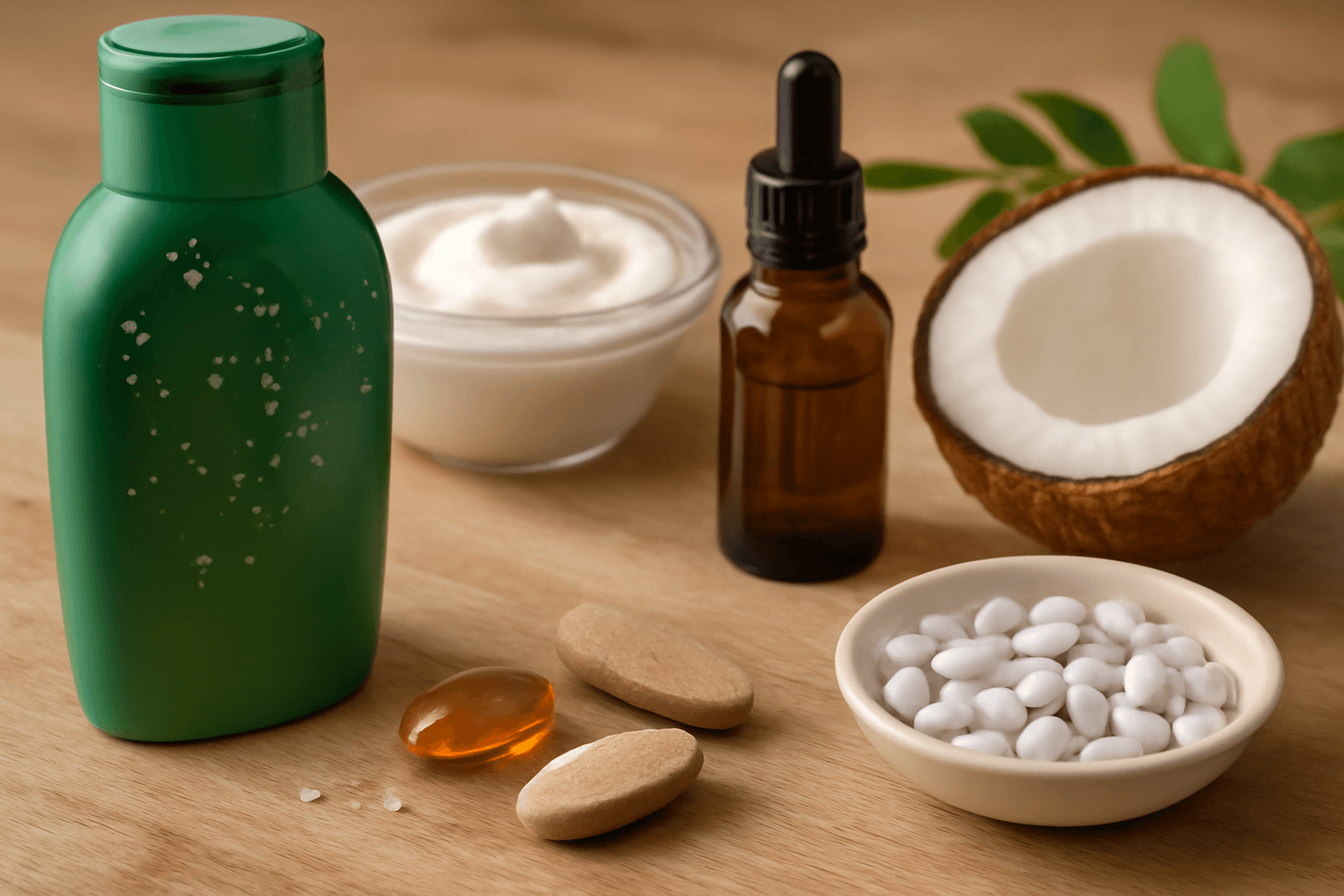
Coconut oil is an effective natural ingredient for scalp care. The lauric acid in coconut oil has antibacterial and antifungal properties, and it forms a moisture barrier on the scalp to alleviate dryness. Once or twice a week, you can apply warm coconut oil evenly across the scalp and rinse with warm water after 20-30 minutes. However, if there are wounds or infections on the scalp, consult a specialist before use.
Regular scalp scaling is also important. When dead skin and sebum accumulate together, they become a breeding ground for fungus and worsen inflammation. Having professional microdermabrasion or ultrasonic cleaning at a dermatology clinic once a month can promote normal scalp metabolism.
Treatment of Underlying Scalp Conditions
Seborrheic dermatitis is the most common scalp condition, characterized by oily dandruff, itching, and erythema. It is a condition where the immune system overreacts and becomes overly sensitive to fungus. For mild cases, it can be managed using shampoos containing antifungal ingredients (ketoconazole, selenium sulfide), while severe cases require prescription treatment from a dermatologist. Using steroid-containing tonics or antifungal creams for 4-6 weeks typically results in improvement.
Atopic dermatitis of the scalp, unlike seborrheic dermatitis, is characterized mainly by dry dandruff and itching. The causes include over-cleansing, low humidity, and hormonal changes. Treatment focuses on moisturization, recommending the use of mild cleansing shampoos, scalp essence or emulsion twice or more per week, and maintaining indoor humidity at 50-60%. If necessary, a dermatologist may prescribe moisturizing creams or mild steroid preparations.
Scalp acne (folliculitis) is a bacterial infection characterized by painful bumps on the scalp. Self-treatment carries a high risk of secondary infection, so professional medical consultation is essential. Treatment includes oral antibiotics, shampoos containing antibacterial ingredients, and topical antibiotic application, with most cases improving within 2-3 weeks.
Alopecia is a serious consequence of deteriorating scalp health. For early-stage alopecia areata, steroid injections and topical immunotherapy can be effective. Androgenetic alopecia can be slowed with medications such as finasteride and minoxidil, with early treatment being more effective. If hair loss persists for more than three months, professional consultation is essential.
How to Maintain Scalp Health?
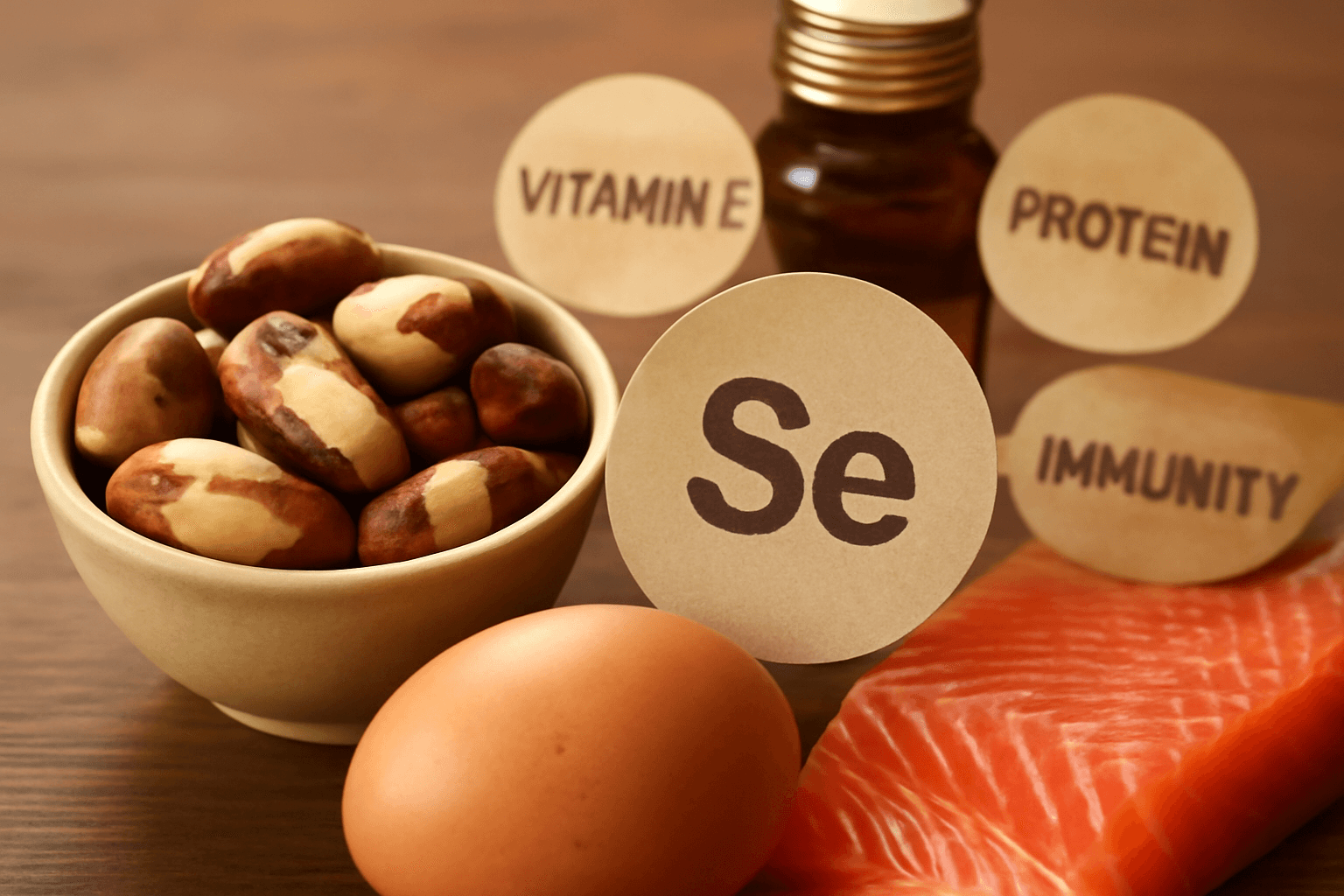
Proper nutrition is the foundation of scalp and hair health. Protein is essential for synthesizing keratin, the main component of hair, with a recommended daily intake of approximately 1.2g per kilogram of body weight. Consciously consume high-protein foods such as eggs, fish, tofu, and chicken breast. Protein deficiency accelerates hair follicle entry into the resting phase, leading to hair loss.
B-complex vitamins play an important role in hair follicle energy metabolism. In particular, biotin (vitamin B7) has been clinically proven to strengthen weak nails and hair. A daily supplement of 2.5mg of biotin improves hair thickness and strength after 12 weeks. Foods rich in B vitamins include brown rice, nuts, spinach, and oysters.
Vitamin E and antioxidant nutrients prevent scalp aging. UV exposure, stress, and environmental pollution generate free radicals in the scalp that damage hair follicle stem cells. Daily intake of antioxidants such as vitamin E, vitamin C, selenium, and zinc can prevent this. Blueberries, broccoli, sunflower oil, and almonds are good sources.
Stress management is an overlooked factor in scalp health. Chronic stress increases cortisol levels, disrupting immune balance and worsening scalp inflammation. Stress also reduces blood supply to hair follicles, cutting off nutrient delivery to hair. Managing stress through meditation, yoga, and regular exercise (3 times per week, 30 minutes per session) improves scalp health.
Immune system strengthening prevents scalp infections. Adequate sleep (7-9 hours per day), regular exercise, and probiotic intake strengthen the immune system. Since gut health accounts for 70% of immunity, daily consumption of fermented foods such as yogurt, kimchi, and miso increases overall immune function and reduces the incidence of scalp disease.
Sun protection prevents photoaging of the scalp. The scalp accelerates aging when directly exposed to UV rays, causing hair follicle dysfunction. When going outside, it's recommended to use hair essence with UV protection or wear a hat. Especially in summer, applying a sun protection product with SPF 30 or higher to the scalp can reduce hair follicle damage by over 40%.
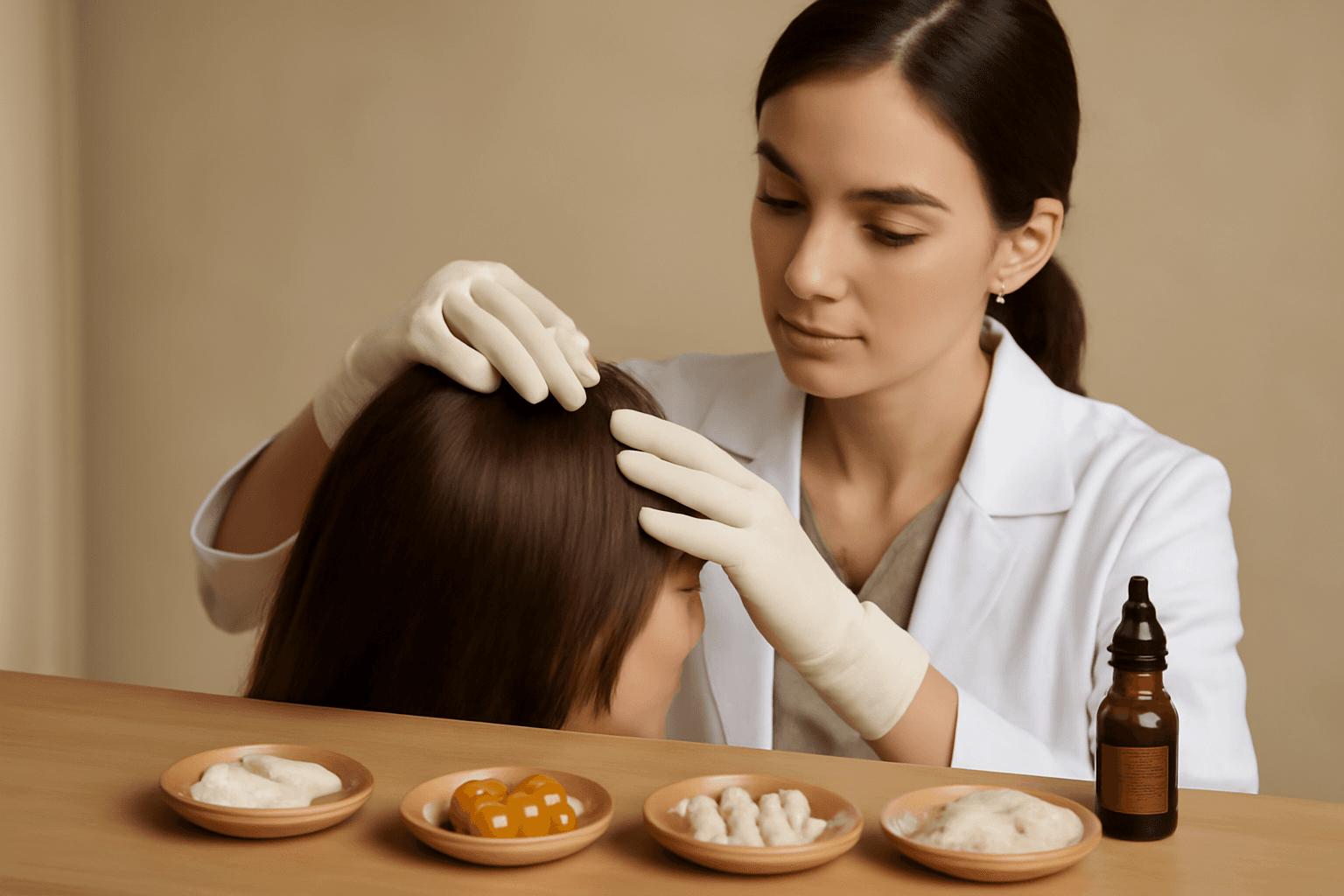
Regular professional consultation is also important. Even without symptoms, having your scalp checked by a dermatologist 1-2 times per year can detect early conditions and provide appropriate management methods. Especially if there are family members with hair loss or a history of scalp disease, more frequent checkups are necessary.
Summary
Key Points for Scalp Care:
- The scalp requires special care due to high sebum secretion and risk of fungal infection.
- Proper shampooing technique (lukewarm water, using fingertips, 3-5 minutes) and personalized frequency are fundamental.
- Scalp environment can be improved through natural ingredients like coconut oil and regular scaling.
- Underlying conditions such as seborrheic dermatitis, atopic dermatitis, and folliculitis require professional treatment.
- Adequate intake of protein, B vitamins, vitamin E, and antioxidant nutrients supports scalp health.
- Stress management, adequate sleep, and regular exercise strengthen immunity and prevent scalp disease.
- Sun protection and regular professional consultation prevent scalp aging and detect early conditions.
Scalp health is an area that requires lifelong management, not just temporary attention. What dermatologists emphasize is the importance of prevention and lifestyle improvement rather than symptom treatment alone. Small changes starting today—proper shampooing, balanced nutrition, and stress management—will accumulate to result in a healthy scalp and fuller hair. However, if you experience persistent scalp symptoms or are experiencing hair loss, be sure to consult a dermatologist for accurate diagnosis and customized treatment.