For your baby's growth and development, it is essential to go beyond simply meeting meal times—thorough, planned nutrition management is a must. This article provides practical guidance on how to construct a balanced diet for babies from 6 months to 36 months of age. We will systematically explain how to effectively provide key nutrients such as protein, iron, zinc, vitamin B, and omega-3, as well as how to select appropriate food textures and utensils according to your baby's developmental stage.
The Importance and Selection Criteria for Baby Snacks, Bars, and Finger Foods
Finger foods, which begin around 8-10 months of age, are a critical developmental stage that builds your baby's autonomous eating ability and develops digestive function. Through the process of self-feeding, fine motor skills develop and independent eating habits form. During this period, babies need 600-800 kcal of energy per day, with approximately 30-35% of this coming from snacks.
The most important criterion when selecting finger foods is choking hazard. Foods should be smaller than a coin size, not chewy, and should dissolve easily in the mouth. The following foods are nutritionally dense and safe:
- Egg-based foods: One egg contains 6.3g of high-quality protein and choline, which aids brain development. Egg rolls, egg pancakes, and scrambled eggs provide 7-8g of protein per serving.
- Cheese cubes: With 700mg of calcium per 100g, they support bone development, and casein protein maintains satiety for longer periods.
- Jerky and jerky bars: Products with minimized salt content provide 25-30g of protein per 100g and are rich in B12, which promotes iron absorption.
- Yogurt-based snacks: Greek yogurt containing probiotics promotes beneficial bacterial growth in the intestines, improving digestive health.
- Nut butter bars: After assessing allergy risk, these are recommended for children 3 years and older, providing omega-3 fatty acids and vitamin E.
A weekly finger food plan should include at least 3 protein sources (meat, eggs, dairy), 2 iron-fortified foods, and 1 omega-3 containing food. To identify food allergies, introduce new foods at 3-5 day intervals and observe for reactions.
Teething Biscuits: Nutritional Value and Selection Methods
When primary teeth begin to emerge around 4-6 months, babies experience gum discomfort. Teething biscuits provided during this period serve a function beyond simple soothing—they supplement nutrition. According to Korean statistics, 55% of infants over 6 months experience nutritional deficiency, and teething biscuits can fulfill this snacking role.
High-quality teething biscuits should have the following characteristics:
- Fortified nutrients: Products containing 4-5mg iron, 1.5-2mg zinc, and 0.3mcg vitamin B12 are effective in preventing infant anemia.
- Grain-based: Products with whole grain oatmeal, barley, and brown rice as main ingredients provide 1.2-1.5g of insoluble fiber, promoting regular bowel movements.
- Low-sugar formula: One teething biscuit (approximately 7-10g) should contain no more than 1g of sugar, so checking the nutrition label is essential.
- Solubility: They should dissolve easily in saliva without choking risk and have sufficient firmness to develop chewing muscles.
The optimal way to offer teething biscuits is to limit them to 1-2 per day during morning and afternoon snack times. When provided with milk or baby food, absorption rates increase by 30%. When chilled in the freezer before serving, the cold temperature relieves gum pain. However, follow WHO guidelines by not offering sugar-containing biscuits to babies under 12 months of age.
Warm Baby Cereals: Digestive Health Contribution and Recommended Foods
Warm cereal is recommended as the first stage of solid foods starting at 4 months of age and directly impacts infant digestive function development. Compared to cold foods, warm foods stimulate gastric juice secretion, increasing protein digestion efficiency by 20% and promoting intestinal motility.
Components of Nutritionally Fortified Cereals:
- Iron-containing cereals: Three tablespoons (approximately 15g) of baby rice cereal contains 6-8mg of fortified iron, meeting 60-70% of a 6-month-old baby's daily iron requirement of 11mg. Iron deficiency leads to developmental delays and decreased immunity, making it essential.
- Grain variety: Multi-grain cereals combining rice, barley, oats, and other grains improve intestinal health through beta-glucan and contain 0.8-1.2g of soluble fiber to prevent constipation.
- Probiotic content: Products containing 6 or more types of lactic acid bacteria such as Lactobacillus and Bifidobacterium normalize intestinal microbiota, reducing diarrhea incidence by 38%.
- Calcium fortification: Cereals containing 100-120mg of calcium per serving support bone density development in babies with limited dairy intake.
The optimal preparation method is to use breast milk, formula, or low-sodium broth. Mix at a ratio of 5ml of liquid per tablespoon of cereal to maintain appropriate consistency. Offering it daily at a consistent time regulates your baby's intestinal rhythm, making bowel movements predictable. Within 3 days of introducing a new cereal, observe for abdominal bloating, excessive gas, and skin reactions to check for allergies.
Pouch Foods: Balancing Convenience and Nutritional Value
Pouch foods are a modern solution for providing quick nutrition to babies on the go, recording an average annual growth rate of 15% or more in the Korean market since 2018. However, it is important to verify nutritional reliability as much as convenience.
Essential Elements for Selecting High-Quality Pouches:
- Protein content: A minimum of 2-3g of protein per 100g should be included; products made from meat, tofu, and eggs have superior amino acid profiles compared to plant-based protein-only products.
- Iron and zinc fortification: Vegetable-focused pouches with plant-based iron (non-heme iron) have absorption rates of only 2-8%, but combining them with meat-based pouches can increase absorption rates above 15%.
- Minimal additives: Choose products free of sugar, salt, and artificial flavoring, with sodium content of 150mg or less per 100g on the nutrition label.
- Vitamin B preservation: High-temperature pasteurization causes 15-30% vitamin B loss, so products using HPP (High Pressure Processing) technology are nutritionally superior.
When selecting pouches, be cautious of overuse. Cases of delayed chewing ability development and poor dental development have been reported when nutrition relies solely on pouches. It is recommended to limit pouch use to 3-4 times per week maximum, with other meals consisting of solid foods. Consume within 2 hours of opening, and if frozen, consume within 3 months.
Baby Tableware and Accessories: Selection by Developmental Stage
Your baby's autonomous eating ability develops dramatically every 12 months, and selecting appropriate tableware according to this development directly impacts nutrition intake and digestive efficiency. Inappropriate tableware results in food waste (20-40% of daily intake) and prolongs meal time for your baby by more than 30 minutes, increasing fatigue.
Tableware Selection Criteria by Developmental Stage:
- 4-8 months (Early spoon use): A soft silicone shallow spoon is needed, with parents feeding the baby until the lip reflex diminishes. A teaspoon size (approximately 5ml) provides the exact portion for one bite, preventing overeating.
- 8-12 months (Early autonomous eating): A fork and spoon with thick handles (15-20mm diameter) are needed, with slightly resistant material to promote tooth development. During this period, babies will autonomously pick up utensils about 8-10 times per day.
- 12-24 months (Independent eating): Asymmetrical handle designs accommodating both right and left-handed babies are effective and build the child's ability to self-feed. Select only zinc-plated, lead-free paint products.
- 24-36 months (Eating independence completion): Transition to child-sized adult tableware, during which babies independently consume 500-600 kcal daily. Ceramic or lightweight metal materials provide both durability and safety.
Essential Accessories and Their Nutritional Functions:
- Height-adjustable highchair: When table height aligns with the baby's elbows, food waste decreases by 25% and spine development is optimized.
- Food catcher tray (Weaning Tray): Recovering fallen food improves hygiene and reduces food waste by 40% or more.
- Meal bib: Waterproof material prevents baby clothing soiling, encouraging extended meal time and increasing autonomous eating practice time by an average of 15 minutes.
- Divided plate: Separating each food group when serving helps babies recognize portion sizes of each nutrient and develop balanced eating habits.
Tableware material selection is also important. Use BPA-free plastic, titanium, or food-grade ceramics, clean daily with mild detergent, and sterilize with UV or boiling water. Replace damaged tableware every 6 months due to the risk of microchemical leaching.
Nutrition Improvement Strategies for Picky Eaters
One out of three babies exhibits severe refusal of certain foods—a phenomenon called "selective eating." While this is normal during development, it can lead to nutritional imbalance, requiring systematic management. Picky eaters consume only 40-60% of the recommended iron intake and 50-70% of recommended zinc intake due to selective eating, negatively impacting cognitive development and immune function.
Step-by-Step Intervention Strategies:
- Familiarity Principle: Repeatedly presenting refused foods 3-4 times per week increases acceptance probability from 15% to 60-70%. Simply placing the food on the table without forcing consumption is effective.
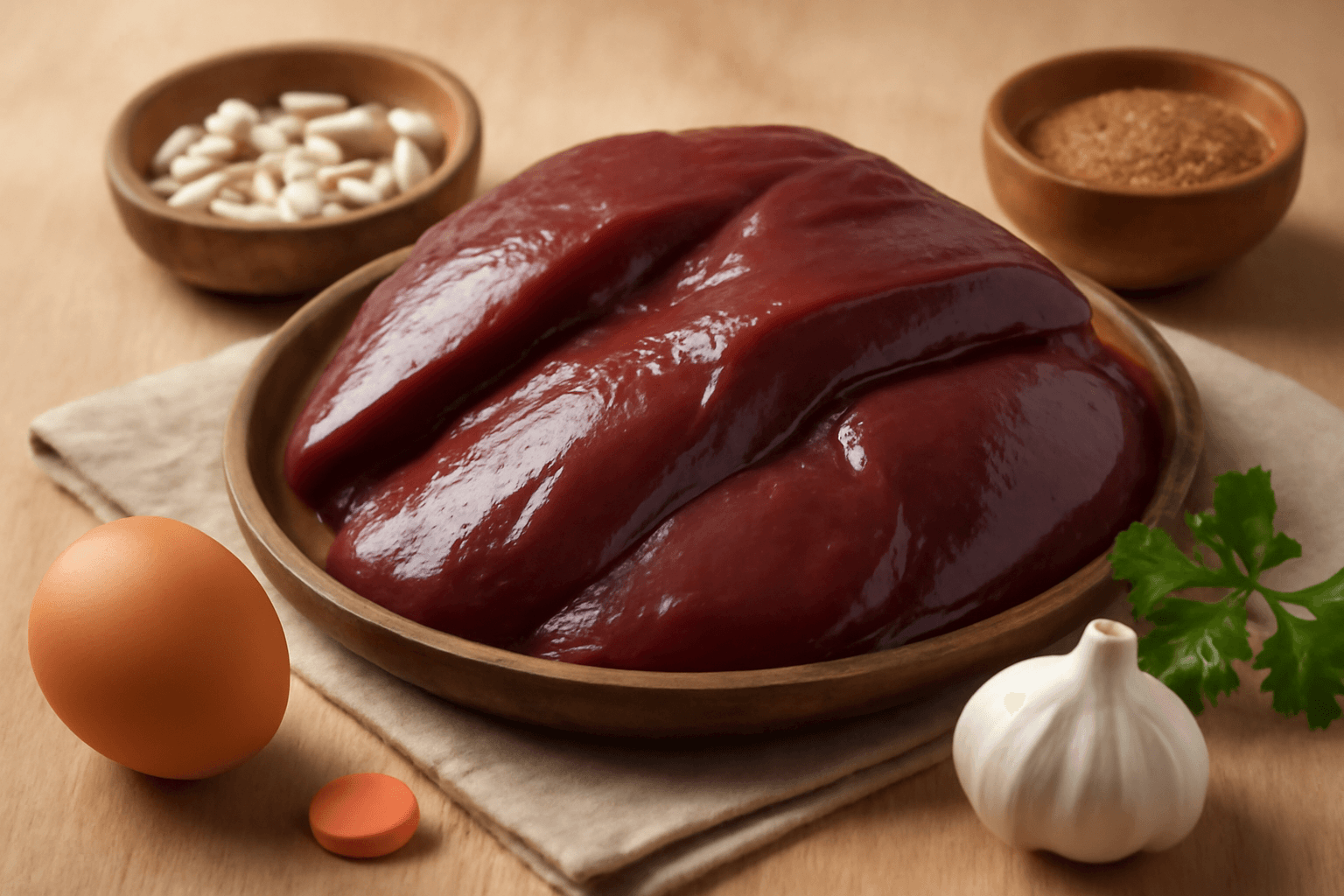
- Mixing with preferred foods: Mixing a refused food (e.g., 7g liver) with a preferred food (e.g., 30g rice) in a 3:1 ratio allows gradual adaptation to the new food's flavor.
- Multi-sensory exposure: Non-eating activities such as smelling, touching, and observing food before eating can reduce refusal by 50% or more.
- Meal modeling: Showing parents and family members enjoying the refused food stimulates the baby's social learning ability, improving food acceptance.
Nutrition Supplementation Strategies:
- Using micronutrient-fortified foods: Choose products fortified with iron, zinc, and vitamin B12 for basic foods that picky eaters accept (e.g., milk, rice) to reduce nutritional gaps.
- Varying cooking methods: Changing food forms (mashed, finely chopped, baked, stir-fried) increases acceptance by 25-40% of babies.
- Utilizing color preferences: Babies prefer red, yellow, and orange colors to green, so increase visual appeal by offering color-varied food combinations.
- Medical consultation: If severe deficiency in specific nutrients is suspected for 3 months or longer, consult with a pediatrician about using nutritional supplement drinks or vitamin supplements.
An important principle is never to force your baby. According to Ellyn Satter's "Division of Responsibility" theory, parents decide "what, when, and where" to eat, while babies decide "whether to eat and how much"—this approach is most effective for long-term eating habit formation. Also, understand that most babies' refusal behavior peaks at 18-24 months and gradually improves thereafter as a developmental characteristic, and practice patience.
Summary and Implementation Plan
The key to a balanced baby diet is ensuring adequate intake from diverse food groups. Primary nutrition targets that a 6-12 month old baby should meet daily are as follows:
- Protein: 9-11g (combination of 30-50g meat, half an egg, 120ml dairy)
- Iron: 7-11mg (3 tablespoons fortified cereal + one meat dish)
- Zinc: 3mg (25g meat + 50g grains)
- Omega-3: 500mg (15-20g fish twice weekly or 1 tablespoon flaxseed)
- Fiber: 5g (30-50g vegetables + 30g fruit)
Practical Example of Weekly Diet Plan:
- Monday: Egg roll + Teething biscuit + Cereal
- Tuesday: Beef meatball + Vegetable pouch
- Wednesday: Grilled fish + Finger foods (carrot, broccoli)
- Thursday: Chicken breast + Warm grain cereal
- Friday: Tofu scramble + Yogurt
- Saturday: Turkey jerky + Fruit
- Sunday: Broth-based udon + Egg and vegetables
When implementing this plan, do not overlook food allergy reaction monitoring. For 24-72 hours after introducing new foods, carefully observe for symptoms such as skin rashes, vomiting, diarrhea, and difficulty breathing, and seek immediate pediatric care if abnormal symptoms occur. Also, check your baby's growth curve (height, weight) every 3 months to objectively assess nutritional intake status.
Finally, recognize that each baby develops at a different pace and has different food preferences. The guidelines in this article are general standards and require adjustment according to your individual baby's characteristics and health status. Regular pediatric check-ups and nutritionist consultations will help establish a customized nutrition plan, ensuring optimal growth and development for your baby.