The Neti Pot is a nasal irrigation tool that has been used for thousands of years in yoga and Ayurvedic traditions. This method of naturally cleansing the nose and sinuses using warm saline solution is still used by many people today to improve nasal health, enhance sleep quality, and promote fatigue recovery. This guide provides detailed explanations of how the Neti Pot works, proper usage techniques, cleaning methods, potential side effects, and how to make effective saline solution.
What is a Neti Pot?
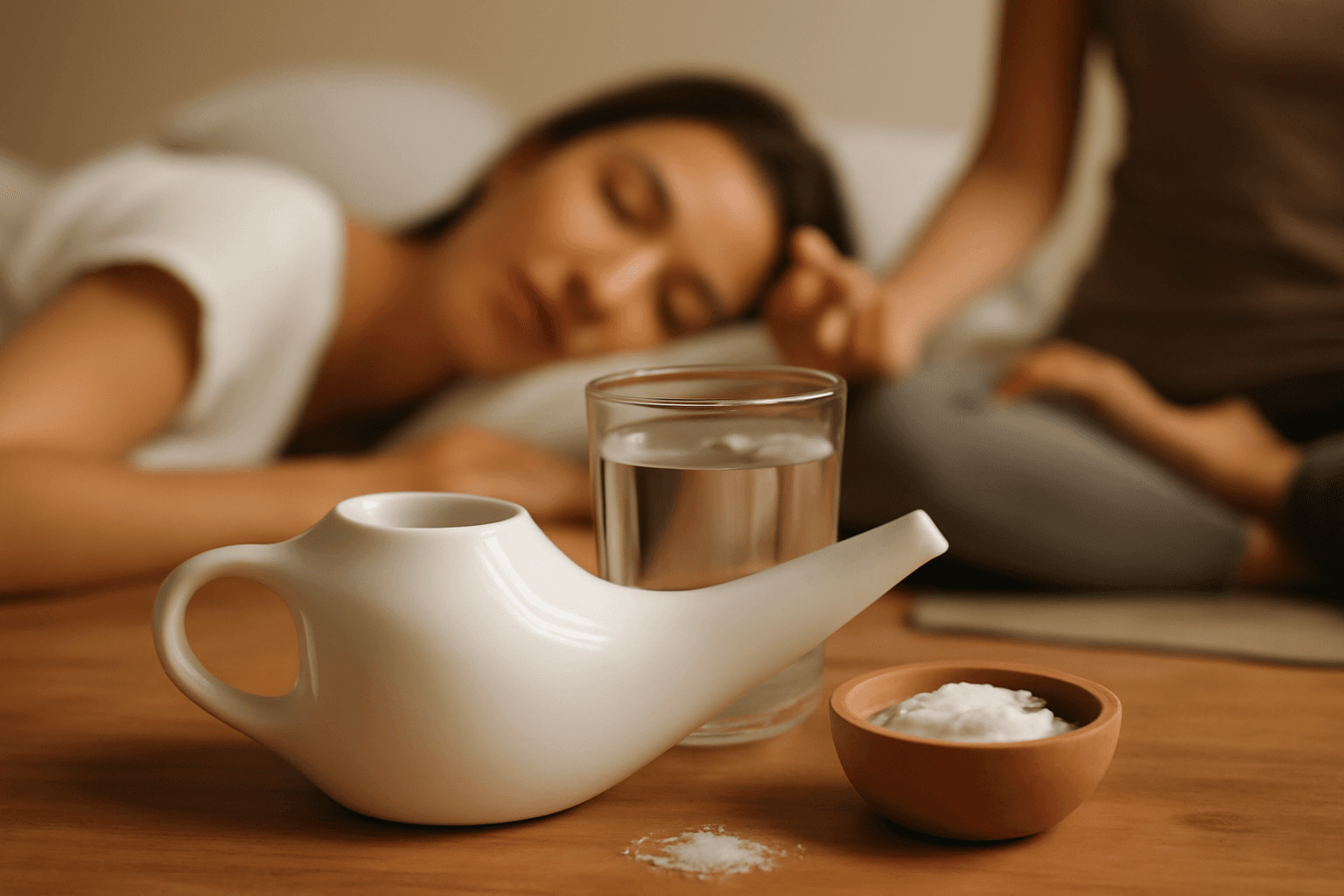
A Neti Pot is a small teapot-shaped container, typically made of ceramic, plastic, or metal. This tool uses the body's natural drainage system to cleanse the nose. When warm saline solution is poured into one nostril, gravity causes the liquid to flow through the nasal passages and exit through the opposite nostril.
In Ayurvedic medicine, the Neti Pot is called "Jala Neti" and is recommended as a method to remove mucous secretions from the nose and sinuses and improve respiratory function. Modern medicine also recognizes the validity of this method. Major medical institutions in the United States recommend Neti Pot use for patients with chronic rhinitis, sinusitis, and allergic rhinitis, and it is particularly effective when used in combination with medication.
Regular use of the Neti Pot leads to nasal congestion relief, which promotes deep sleep. People who get good sleep experience significantly reduced fatigue during daytime hours, and their body's recovery capacity improves. Additionally, when the nasal passages are clean, belly breathing during yoga or meditation becomes easier, enhancing the quality of yoga practice.
How to Use
When using a Neti Pot for the first time, you may feel somewhat unfamiliar, but after a few attempts it becomes comfortable. Following proper usage techniques can minimize discomfort.
Preparation: First, prepare warm saline solution. The ideal water temperature is around 37°C, similar to body temperature. If too hot, it can irritate the nasal mucosa, and if too cold, it causes discomfort. Pour approximately 300ml of saline solution into the Neti Pot.
Basic Usage:
- Stand in front of a bathroom sink and bend forward slightly
- Tilt your head to one side so that one nostril is higher than the other
- Gently insert the spout of the Neti Pot into the higher nostril
- Slowly tilt the pot so the saline solution flows naturally
- Breathe through your mouth and wait for the water to flow out through the opposite nostril
- Repeat the same process on the other side
- After cleansing both sides, remove any remaining water from the nasal passages
Frequency and Timing: If you are in good health, use 2-3 times per week is recommended. If you have rhinitis or sinusitis, you can use it daily until symptoms subside. Using it in the morning typically starts your day refreshed, and using it before bed allows for comfortable nasal breathing and better sleep.
How to Clean Your Neti Pot
As a medical device, the Neti Pot requires thorough hygiene management. Improper cleaning can encourage bacterial growth, so it should be cleaned thoroughly after each use.
Basic Cleaning Procedure:
- Rinse the interior thoroughly with warm water multiple times immediately after each use
- Clean once with a vinegar solution (100ml vinegar per 1 liter of water)
- Wipe the interior and exterior with neutral detergent and warm water
- Remove moisture with a clean towel and allow to dry completely
- It's best to dry it in a sunny location
Weekly Deep Cleaning: Perform more thorough cleaning once a week. You can soak the Neti Pot in boiled water for 5 minutes to sterilize it, or wash it in the dishwasher at the highest temperature setting (usually 70°C or higher). For ceramic products, avoid rapid temperature changes to prevent cracking.
Storage Method: Store the completely dried Neti Pot in a well-ventilated location. Storing it in an airtight container can trap moisture and cause mold growth. It's good practice to expose it to sunlight regularly (about once a month) for natural sterilization.
Side Effects
The Neti Pot is safe for most people, but side effects can occur with improper use or depending on individual health conditions. It's important to be aware of these potential side effects and take steps to prevent them.
Common Side Effects:
- Nasal Irritation: If the saline concentration is too high or too low, it can irritate the nasal mucosa. The normal range is 0.9% salt concentration
- Ear Discomfort: If water enters the middle ear, temporary ear congestion or pressure sensation may occur. Most cases resolve naturally within a few hours
- Nosebleed: Rarely, nosebleeds can occur if the inside of the nose is dry or sensitive
- Uncomfortable Sensation: First-time users may feel uncomfortable with the sensation of water flowing down the back of the throat
Precautions: People diagnosed with middle ear infection or eardrum perforation must consult a doctor before using a Neti Pot. If you have acute rhinitis or severe nasal congestion, it's more effective to first use a decongestant to relieve symptoms before using the Neti Pot.
Hygiene Warning: Do not use tap water directly. Tap water can contain microorganisms such as amoebas, and there have been extremely rare reports of these organisms penetrating the brain through the nasal passages. Always use boiled water, distilled water, or sterilized saline solution.
How to Make Saline Solution for Your Neti Pot
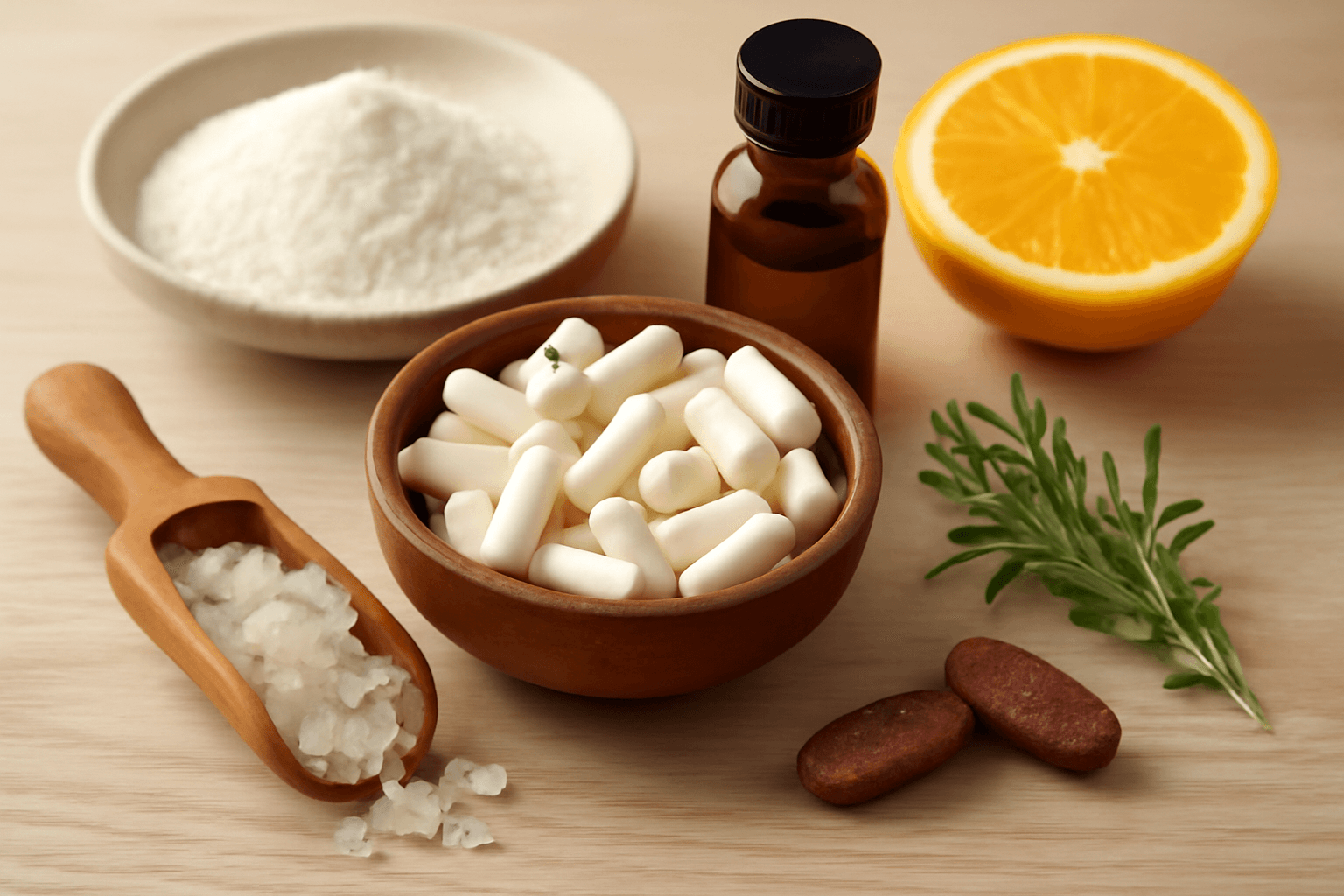
While saline solution purchased from a pharmacy is good, you can make it yourself to save costs and ensure freshness. Preparing saline solution with the correct concentration is essential for safe Neti Pot use.
Basic Saline Solution Preparation:
- Prepare 500ml of purified or distilled water
- Add 4.5g (about 1 teaspoon) of sea salt or refined salt
- Add 1.25g (about 1/4 teaspoon) of baking soda (sodium bicarbonate)
- Close the container and shake well until completely dissolved
Ingredient Explanation: The salt creates a 0.9% concentration that matches the osmotic pressure of the nasal passages. Baking soda balances pH to minimize mucous membrane irritation and provides antibacterial and anti-inflammatory properties. The ratio of the two ingredients is important, so measure accurately.
Preparation Before Use: Store the prepared saline solution in the refrigerator and use within 2 weeks. Before use, warm it by placing it in water around 37°C. Cold saline solution causes discomfort and reduces effectiveness.
Alternative Materials: Use non-iodized salt instead of iodized salt. Iodine can irritate the nasal mucosa. If using sea salt, filter it multiple times to remove impurities, or use refined salt from the beginning.
Storage and Hygiene: The container for storing saline solution must be sterilized. Use a glass container or high-temperature sterilizable plastic container, rinsed with boiled water before use. If the saline solution has an odor or appears cloudy after opening, discard it immediately and prepare a fresh batch.
Summary
The Neti Pot is a traditional yet scientifically validated tool for naturally cleansing the nasal passages and sinuses. When used correctly, it can help relieve nasal congestion, alleviate allergy symptoms, improve sleep quality, and promote fatigue recovery.
Key Points:
- Must use warm saline solution with normal salt concentration (0.9%)
- Use 2-3 times per week when healthy, daily when experiencing symptoms
- Thorough cleaning and drying after each use is essential for hygiene management
- Never use tap water; always use boiled or sterilized water
- If you have conditions such as middle ear infection or eardrum perforation, doctor consultation is essential
- Homemade saline solution should be used within 2 weeks and stored in the refrigerator
Medical Professional Consultation: When using a Neti Pot for the first time or if you have been diagnosed with chronic rhinitis, sinusitis, or similar conditions, it's advisable to consult with an otolaryngologist to develop a usage plan suited to your condition. People with cerebrospinal fluid leakage or immunocompromised symptoms especially should use it under clear medical guidance.
When used correctly, the Neti Pot allows you to naturally manage respiratory health without relying on medications, which ultimately leads to better sleep, reduced fatigue, and improved body recovery. For those practicing yoga in particular, it's an effective tool that can significantly enhance the quality of pranayama (breathing technique) practice.