Why Does Skin Elasticity Decrease?
Skin elasticity is one of the most important factors that make us look young and healthy. However, if you notice your skin sagging and wrinkles increasing every time you look in the mirror, it's not just a coincidence. The decline in our skin's elasticity has clear biological causes.
In the dermis layer of the skin, there are two key proteins: collagen and elastin. They act like the rebar in a building, maintaining the skin's structure and providing elasticity. However, as we age, our bodies lose about 1% of collagen each year. This loss begins after the age of 25, and by the time we reach our 50s, more than 50% of collagen is reduced.
Analysis of Major Causes
- Natural Aging: Decreased metabolic rate of cells leads to reduced collagen production.
- UV Damage: UVA and UVB rays destroy collagen structures and damage elastic fibers.
- Oxidative Stress: Accumulation of cell damage due to free radicals.
- Lack of Moisture: Decreased skin moisture content leads to reduced elasticity.
- Irregular Lifestyle: Lack of sleep, stress, and smoking hinder collagen production.
- Nutritional Deficiencies: Difficulty in collagen synthesis due to lack of protein, vitamin C, and iron.
In Your 20s: Focus on Preventative Collagen Care
Your 20s are still a time when skin elasticity is good, but prevention is the best investment. The habits you develop during this time will determine the state of your skin for the next 10 or 20 years.
What to Do in Your 20s
Think of skincare in your 20s as 'saving.' The investment you make in your skin now can be recovered later.
- Sun Protection is Priority: Use sunscreen with an SPF of 30 or higher every day. Damage from UV rays accumulates, and this is the biggest cause of decreased elasticity after your 30s.
- Use Vitamin C Serum: Using a vitamin C serum priced around 3,000 to 10,000 won in the morning can prevent collagen damage through its antioxidant effects.
- Stay Hydrated: Drinking more than 2 liters of water a day increases skin moisture content, helping to maintain elasticity.
- Proper Skincare Routine: Follow the order of cleansing → toner → essence → moisturizing cream with essential oils.
In Your 30s: Start Active Collagen Boosting
In your 30s, you will start to notice changes in skin elasticity. You may see fine lines around your eyes and feel that your facial contours are becoming a bit blurred. This is a sign that collagen production is starting to decrease.
Tailored Care for Your 30s
- Introduce Retinol Products: Topical retinol products (priced around 5,000 to 15,000 won) stimulate collagen production. Start using them 2 to 3 times a week, and once your skin adapts, you can use them daily.
- Products Containing Peptides: Peptides send signals to skin cells to promote collagen production. Use a peptide essence priced around 8,000 to 20,000 won daily.
- Utilize Niacinamide (Vitamin B3): Helps control sebum production and improves skin elasticity. You can use toners or serums priced around 5,000 to 12,000 won.
- Improve Your Diet: Consume protein-rich foods (eggs, beans, fish) and fruits high in vitamin C (kiwi, oranges, bell peppers) daily.
In Your 40s: Intensive Treatment Phase
As you enter your 40s, the decline in skin elasticity becomes noticeably apparent. At this stage, home care alone may have its limits, and combining it with professional treatments can be effective.
Multi-Layered Approach for Your 40s
- Laser Toning Treatments: CO2 lasers or fractional lasers performed in clinics stimulate skin regeneration. Each session costs about 200,000 to 500,000 won, and it's recommended to do it once a month.
- Hyaluronic Acid Plus Serum: High molecular weight hyaluronic acid (priced around 10,000 to 25,000 won) helps maintain skin moisture and improve elasticity.
- Enhanced Vitamin A: Use stronger retinoid products (priced around 15,000 to 35,000 won) than in your 30s. Products containing tranexamic acid or high-concentration retinol essences are effective.
- Protein Mask Treatment: Protein masks received at clinics or skincare centers provide immediate elasticity improvement, though temporary. They cost about 30,000 to 80,000 won.
- Antioxidant Foods: Ensure you consume plenty of berries (blueberries, black beans), dark leafy greens (kale, spinach), and various vegetables.
Over 50: Comprehensive Regenerative Care
In your 50s, hormonal changes (especially for women during menopause) lead to a sharp decline in collagen production. At this stage, a combination of various methods is necessary.
Effective Strategies for Your 50s
- Radiofrequency (RF) Treatments: Heating the dermis layer of the skin promotes collagen regeneration. Performed in clinics, each session costs about 300,000 to 800,000 won. It is recommended to have 5 to 6 sessions at intervals of 3 to 4 weeks.
- Ultrasound Treatment (HIFU): A treatment that stimulates deeper layers, costing about 800,000 to 2,000,000 won per session, but offers excellent long-term effects.
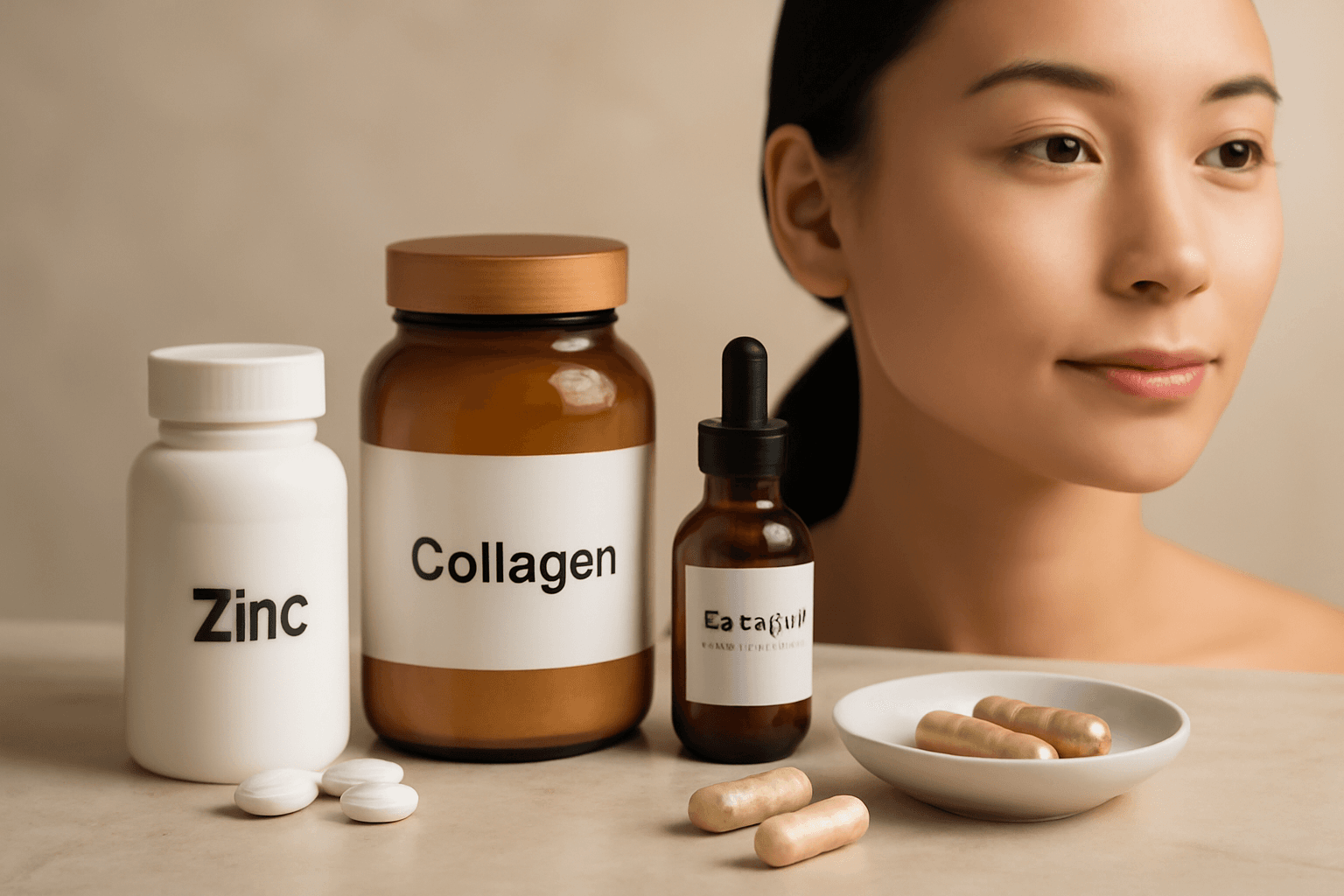
- Collagen Peptide Intake: Taking oral collagen products (priced around 20,000 to 50,000 won/month) daily can supplement collagen from within.
- Use High-Quality Creams: Use creams rich in nutrients (priced around 50,000 to 150,000 won) generously at night.
- Hormonal Management: Consult with a doctor if hormone therapy is needed. This can significantly impact skin elasticity improvement.
- Improve Lifestyle Habits: Managing stress, getting more than 7 hours of sleep, and avoiding alcohol and smoking are essential.
Boosting Collagen Through Food and Nutrition
While external treatments and products are important, internal nutrition must be the foundation. Certain nutrients directly help our bodies produce collagen.
Essential Nutrients for Collagen Production
- Vitamin C: Helps the action of enzymes essential for collagen synthesis. It is recommended to consume 100 to 200 mg daily. Rich sources include oranges (about 50 mg per orange), bell peppers (about 150 mg per 100g), and kiwis (about 100 mg per kiwi).
- Protein: Since collagen itself is a protein, adequate protein intake is essential. Consume 1.2 to 1.5g of protein per kg of body weight daily. For example, if you weigh 60 kg, that would be 72 to 90g per day.
- Iron: Necessary for stabilizing procollagen for collagen formation. Can be obtained from oysters, red meat, and spinach.
- Silicon: Strengthens the cross-linking of collagen and elastin. Found in whole grains, beans, and nuts.
- Sulfur: Important for maintaining collagen structure. Rich in cruciferous vegetables like garlic, onions, and broccoli.
Minimizing Collagen Loss Through Lifestyle Habits
While great skincare products and treatments are important, daily lifestyle habits play the most fundamental role. Eliminating factors that destroy collagen is as important as supplementing it.
Lifestyle Habits to Protect Collagen
- Optimize Sleep: Growth hormone is maximally secreted between 10 PM and 2 AM. Getting deep sleep during this time promotes skin regeneration. Aim for at least 7 hours of sleep.
- Manage Stress: The stress hormone cortisol promotes collagen breakdown. Spend 20 to 30 minutes a day relieving stress through yoga, meditation, or walking.
- Avoid Smoking and Limit Alcohol: Smoking constricts blood vessels, blocking oxygen supply to the skin, while alcohol dehydrates the skin.
- Regular Exercise: Engage in aerobic exercise for more than 30 minutes, 3 to 4 times a week, to improve blood circulation and nutrient supply.
- Sun Protection: UVA rays can penetrate through windows even indoors. Use sunscreen throughout the day.
Guide to Choosing Medical Treatments
There are many different skin elasticity improvement treatments available at clinics. It's important to choose options that suit your age and condition.
Effects and Costs of Treatments
- Laser Toning (full face, 1 session): Approximately 150,000 to 300,000 won / Recommended once a month
- Plasma Lifting (facial): Approximately 300,000 to 500,000 won / 3 to 5 sessions at 4-week intervals
- Radiofrequency (RF) Treatments: Approximately 300,000 to 800,000 won / 5 to 6 sessions at 3-week intervals
- Ultrasound (HIFU): Approximately 800,000 to 2,000,000 won / 1 session every 6 to 12 months
- Microneedling: Approximately 100,000 to 250,000 won / 4 to 6 sessions at 4-week intervals
- Peeling (chemical/physical): Approximately 80,000 to 200,000 won / 1 to 2 sessions per month
Tips for Choosing Treatments: Rather than opting for one or two treatments, combining several that suit your condition is more effective. Always receive treatments from certified medical institutions.
Conclusion
The decline in skin elasticity is a natural process, but proper management and early intervention can significantly improve it. The key is to develop tailored strategies for each age group.
In Your 20s: Focus on prevention and build a strong foundation. The skincare you do now will determine your skin's condition for the next 30 years.
In Your 30s: Actively incorporate home care and professional products while improving your lifestyle habits.
In Your 40s: You can experience faster improvements by combining home care with clinic treatments.
Over 50: Implement a multi-layered approach for comprehensive regenerative care.
Additionally, maintaining a balance between external and internal care is crucial. No matter how good the products and treatments are, deficiencies in nutrition, sleep, and excessive stress can diminish their effectiveness. Conversely, good basic lifestyle habits can yield significant results even with lower-cost products.
Finally, skincare is not a sprint but a marathon. Consistent care and patience will be your strongest anti-aging weapons. Start today, and in six months, your mirror will reflect the changes.