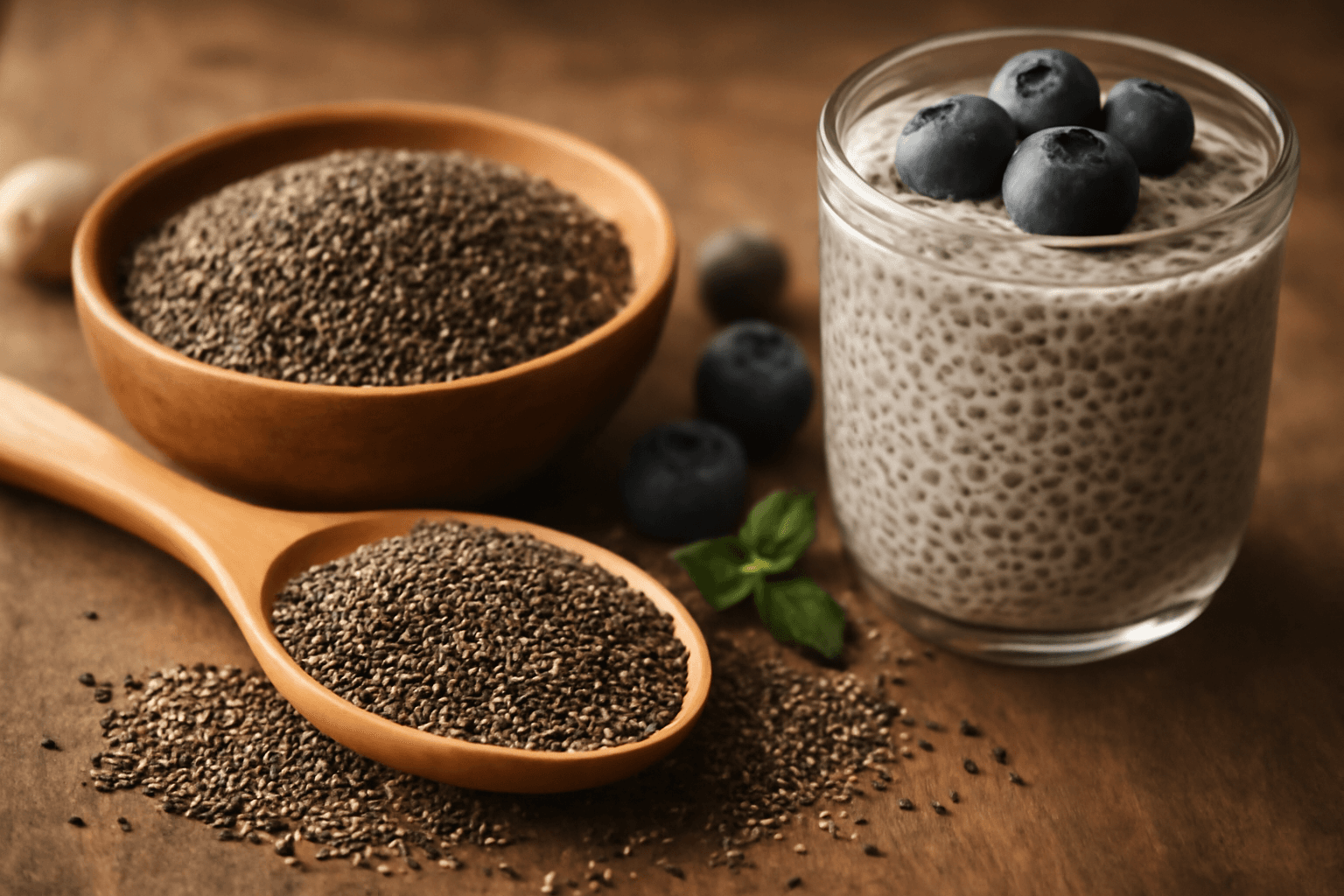
Chia seeds are small black seeds native to Central and South America that have recently gained attention worldwide as a superfood. One spoonful of these tiny seeds is packed with protein, dietary fiber, omega-3 fatty acids, and essential minerals like iron, zinc, and magnesium. Chia seeds help improve digestive health, strengthen immunity, and prevent cell damage through antioxidant action. This article introduces the nutritional information of chia seeds, 7 amazing health benefits, and an easy-to-make chia pudding recipe you can prepare at home.
What Are Chia Seeds?
Chia seeds come from a plant called Salvia hispanica, which is native to southern Mexico and Guatemala. Since the time of Aztec civilization, these seeds served as a major energy source for warriors, and "chia" means "strength" in Mayan. In modern times, they have become an essential ingredient for people pursuing a healthy diet.
The most distinctive characteristic of chia seeds is their ability to absorb water. When seeds are placed in liquid, they transform into a gel-like substance due to a dietary fiber called glucomannan. Because of this property, they easily blend into various beverages and desserts like yogurt, milk, and smoothies, creating a unique texture. Chia seeds are nearly tasteless and odorless, making them compatible with almost any food, and they're also low in calories (approximately 138 calories per 2 tablespoons), making them advantageous for weight management.
Nutritional Content of Chia Seeds
Based on 2 tablespoons of chia seeds (approximately 28g), they contain the following nutrients:
- Protein: Approximately 4.7g - a very high amount for a plant-based protein. In particular, it contains all 9 essential amino acids, making it close to a complete protein.
- Dietary Fiber: Approximately 9.8g - about 40% of the daily recommended intake can be consumed at once.
- Omega-3 Fatty Acids: Approximately 4.9g - higher than flaxseeds or nuts, making it very effective for maintaining cardiovascular health.
- Iron: Approximately 2.4mg - accounting for about 30% of women's daily recommended amount.
- Zinc: Approximately 1.3mg - essential for immune function and wound healing.
- Magnesium: Approximately 95mg - plays an important role in muscle relaxation and nerve stability.
- Calcium: Approximately 179mg - essential for maintaining bone health.
Chia seeds are also rich in powerful antioxidants such as polyphenols, phenolic acids, and flavonoids. These antioxidant components protect cells from free radicals and reduce the risk of chronic diseases.
Health Benefits of Chia Seeds
1. Improved Digestive Health
The most prominent benefit of chia seeds is improved digestive function. The high dietary fiber content serves as food for intestinal microorganisms, promoting the growth of beneficial bacteria and activating bowel movements to relieve constipation. Their ability to absorb water increases stool volume and promotes natural bowel movements. According to research, regular chia seed consumption can help improve colon health and alleviate symptoms of inflammatory bowel diseases.
2. Blood Sugar Control
When high dietary fiber content combines with polyphenols, it creates an ingredient with a very low glycemic index (GI). Consuming chia seeds slows digestion, preventing blood sugar from spiking rapidly, and insulin response remains stable. It is a useful food for blood sugar management in people with prediabetes or type 2 diabetes.
3. Cardiovascular Health
The omega-3 fatty acids abundant in chia seeds reduce inflammation and improve blood cholesterol levels. Multiple studies show that regular chia seed consumption lowers blood pressure and improves vascular function. Additionally, they prevent blood clotting, reducing the risk of heart disease and stroke.
4. Antioxidant and Anti-inflammatory Effects
The antioxidants in chia seeds neutralize free radicals, preventing cell damage. This delays skin aging and reduces the risk of developing chronic diseases like arthritis, heart disease, and cancer. Anti-inflammatory components alleviate inflammatory responses throughout the body, improving overall health.
5. Enhanced Bone Health
The combination of calcium, magnesium, phosphorus, and protein in chia seeds is optimal for maintaining bone density. It is particularly effective in preventing osteoporosis in postmenopausal women and the elderly. One hundred grams of chia seeds contain approximately 631mg of calcium, making them as effective a calcium source as milk.
6. Immune System Enhancement
Minerals like zinc, iron, and selenium, along with antioxidants, support the production and function of immune cells. Regular consumption increases resistance to infectious diseases like colds and flu and accelerates recovery speed.
7. Weight Management Support
Despite being low in calories, they provide high satiety. Rich in dietary fiber and protein, they prevent blood sugar spikes and maintain fullness for extended periods. They naturally reduce overeating urges, helping with weight loss.
Popular Foods That Benefit from Chia Seeds
Due to the diverse characteristics of chia seeds, they are being used in many dishes:
- Smoothies and Juices: Mixing them into fruit smoothies, vegetable juices, or green smoothies significantly increases nutritional value and adds a thick texture.
- Yogurt: Mix into plain or Greek yogurt or use as a topping to gain the synergistic effects of probiotics and prebiotics.
- Oatmeal: Mixing chia seeds into oatmeal for breakfast creates long-lasting fullness and rich nutrition.
- Baking: Can be mixed into bread, muffin, and cookie dough or used as an egg substitute. One tablespoon of chia seeds mixed with 3 tablespoons of water can replace one egg.
- Salads: Sprinkle over leafy green salads like spinach or kale to add nutrition and texture.
- Soups: Can be mixed into warm dishes like avocado soup or tomato soup at the end.
- Beverages: Mix into water, coconut water, or plant-based milk for a nutritious drink.
Chia Pudding Recipe
Ingredients (Serves 2):
- Chia seeds - 6 tablespoons (approximately 50g)
- Milk or plant-based milk (almond, coconut, or oat milk) - 1½ cups (approximately 360ml)
- Pure vanilla extract - ½ teaspoon
- Natural honey or maple syrup - 1 tablespoon (or adjust to personal preference)
- Salt - a pinch
Preparation Method:
- Place chia seeds in a large bowl or mason jar.
- Add milk, vanilla extract, honey, and salt.
- Stir well with a fork or spoon for about 1 minute to ensure chia seeds are evenly distributed.
- Refrigerate for at least 30 minutes, but overnight refrigeration (8 hours or more) yields the best results.
- When ready to serve, stir again and add a little more milk if needed to adjust to your desired consistency.
- Top with fresh fruit, nuts, granola, or your preferred toppings before serving.
Cooking Tips: Chia seeds absorb water quickly, so if previously prepared pudding becomes too thick, you can add extra milk to adjust to your desired consistency. You can add extra honey or sugar according to personal taste, or omit it if you prefer.
Ingredients to Add to Chia Pudding for Enhanced Flavor
Fruits: Top with fresh strawberries, blueberries, bananas, mangoes, or papayas to add natural sweetness and vitamins. Frozen fruit works well too.
Nuts and Seeds: Sprinkle chopped almonds, walnuts, cashews, or pecans to increase protein and healthy fats. Coconut flakes are also an excellent choice.
Spices: Adding cinnamon, nutmeg, cardamom, or ginger powder brings out warm and complex flavors. These also provide additional benefits in aiding digestion and controlling blood sugar.
Chocolate: Mixing unsweetened cocoa powder or dark chocolate chips makes it a healthy dessert. Cocoa is rich in antioxidants.
Grains: Using granola, muesli, or roasted oats as toppings adds texture richness.
Sweetness: Besides honey, you can use maple syrup, agave syrup, or stevia. Mashing banana and mixing it in provides natural sweetness.
Probiotics: Mixing plain or Greek yogurt from the beginning or adding it as a topping further enhances digestive health.
Superfoods: Adding superfood ingredients like cacao nibs, maca powder, or reishi mushroom powder maximizes nutritional value.
Precautions
Although chia seeds are very healthy ingredients, there are a few points to note. Due to their high dietary fiber content, excessive consumption can cause digestive discomfort such as bloating, gas, and diarrhea. It's best to start with about 1-2 tablespoons daily and gradually increase the amount while monitoring your body's adjustment. Be careful not to consume them excessively without adequate water intake, as they could get stuck in the esophagus or intestines.
If you are taking blood-thinning medications (such as warfarin), are pregnant, or have specific allergies, please consult with a healthcare professional before deciding to consume them. Additionally, the recommended daily intake may vary depending on individual health conditions, so it is safer to follow the advice of medical professionals.
Summary
Despite their small size, chia seeds are a true superfood with remarkable nutritional value. With their high protein, dietary fiber, and omega-3 fatty acid content, they provide seven key health benefits: improved digestive health, cardiovascular health, enhanced immunity, blood sugar control, and weight management support.
In particular, due to their unique water-absorbing properties, they can be easily incorporated into various foods like smoothies, yogurt, and pudding, and since they are nearly tasteless, they work well with almost any food. The basic chia pudding recipe introduced earlier is simple to prepare yet highly nutritious, making it perfect for a busy morning or healthy snack.
You can create your own customized pudding by adding various fruits, nuts, and spices, and enjoy different combinations daily without getting bored with the taste. However, due to their high dietary fiber content, it's important to start with small amounts when first consuming them and to drink plenty of water.
If you have specific health conditions or are taking medications, please consult with a healthcare professional to confirm safe consumption before including them in your diet. Adding chia seeds to your daily routine will mark the first step toward nutritious and healthy eating.