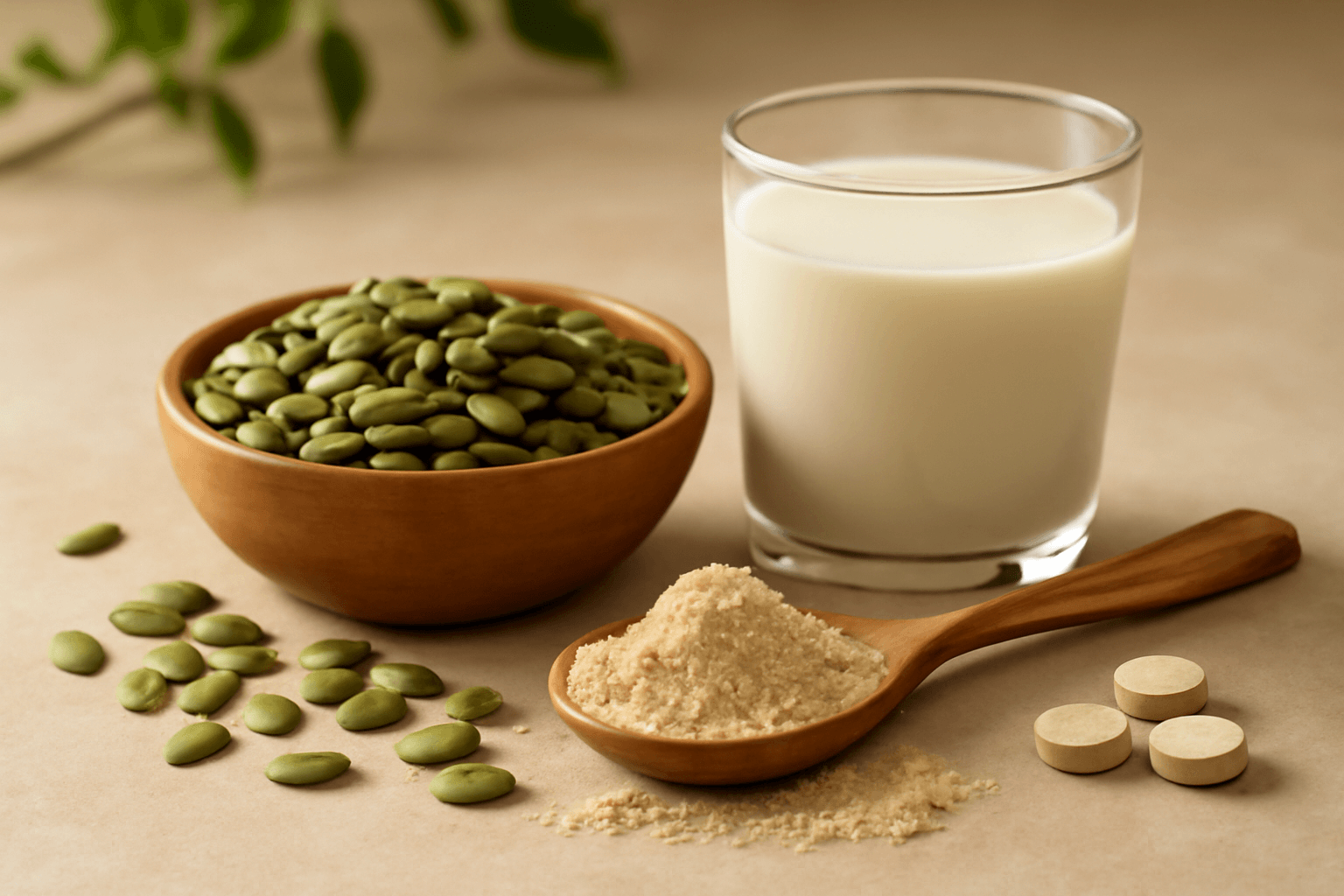
Cacao has emerged as a powerful functional food, far beyond being just a raw ingredient for chocolate. Rich in essential minerals like magnesium, iron, and potassium, along with antioxidant compounds, cacao offers diverse health benefits ranging from heart health and brain function to fatigue recovery. This article comprehensively explores cacao from its production process to scientifically proven health benefits.
How is Cacao Powder Made?
Cacao powder production begins with harvested cacao beans. First, beans are extracted from cacao pods and undergo natural drying or fermentation processes. During this phase, cacao develops its distinctive flavor and aroma, while chemical compounds within the beans transform. Once fermentation is complete, the beans proceed to the roasting stage, where temperature and time control determine the final product quality.
Roasted cacao beans are finely ground through a mill to become cocoa mass, which contains cocoa butter. Through additional processing, the butter can be separated, leaving cacao solids. These solids, when finely ground into powder, become the cacao powder we use. Depending on the manufacturing method, products are classified into alkali-treated (Dutch processing) and untreated varieties, with untreated products retaining more antioxidants.
Cacao vs. Cocoa: What's the Difference?
Cacao and cocoa come from the same plant but differ in processing methods. Cacao is minimally processed—cacao beans are dried at low temperatures and ground into powder. This processing preserves heat-sensitive antioxidants like polyphenols and flavonoids. In contrast, cocoa undergoes additional high-temperature roasting, achieving a darker flavor and aroma but potentially losing some nutrients.
From a nutritional perspective, untreated cacao powder contains approximately 10-15% more antioxidants. Cocoa, with its milder taste, is frequently used in beverage production, while cacao is characterized by its strong flavor. For health supplement purposes, cacao is the typical choice; for taste preference, cocoa is preferred. Both products benefit heart health and brain function, but cacao offers stronger antioxidant effects.
Cacao is Rich in Flavonoids
The most notable characteristic of cacao is its flavonoid content. Per 100g of cacao powder, up to 12-26mg of flavonoids are present, comparable to green tea and red wine. Flavonoids are powerful antioxidants that neutralize free radicals causing cellular damage. Epicatechin, a flavonoid abundant in cacao, directly improves vascular function and regulates blood pressure.
These flavonoids' antioxidant capacity has been shown in in vitro experiments to exceed vitamins E and C. Flavonoids in cacao improve endothelial cell function within blood vessels, promoting blood circulation and maintaining vascular elasticity. Additionally, they suppress inflammatory responses, contributing to chronic disease prevention. Since cacao flavonoids are only partially absorbed during digestion, regular consumption allows for body accumulation effects.
Health Benefits of Cacao
Blood Sugar Management and Insulin Sensitivity
Cacao contains several bioactive compounds that aid blood sugar management. Recent studies show that people consuming 20-30g of cacao powder daily experienced 8-12% reductions in fasting blood glucose levels. Cacao's flavonoids stimulate insulin secretion and improve insulin resistance, reducing type 2 diabetes risk. Additionally, polyphenols in cacao slow carbohydrate absorption in the small intestine, preventing rapid blood sugar spikes.
Fatigue Recovery and Energy Enhancement
Cacao serves as a natural energy drink. Per 100g of cacao powder, approximately 12-26mg of caffeine is present, providing sufficient stimulation though less than coffee (95mg/100ml). More importantly, cacao contains phenylethylamine and tryptophan, a serotonin precursor. These compounds improve mood and alleviate mental fatigue. Athletes consume cacao beverages before and after competition because they effectively support muscle recovery and energy replenishment.
Essential Mineral Supply
Cacao is an excellent source of essential minerals including magnesium, iron, potassium, zinc, and manganese. Per 100g of cacao powder, it contains 264mg magnesium, 12mg iron, and 1524mg potassium. Magnesium plays crucial roles in muscle relaxation, nerve transmission, and energy production; one tablespoon of cacao (approximately 15g) supplies about 65% of daily recommended magnesium. Iron enhances blood oxygen-carrying capacity, while potassium is essential for blood pressure regulation and heart rhythm maintenance.
Cacao's Heart Health Benefits
Cardiovascular disease is a leading cause of death worldwide, and cacao has scientifically proven effects in prevention. Cacao's flavonoids increase nitric oxide production in vascular endothelial cells, dilating blood vessels and reducing blood flow resistance. This leads to blood pressure reduction; meta-analysis results show that consuming 2-3g of cacao flavonoids daily reduced systolic blood pressure by an average of 4.7mmHg and diastolic pressure by 2.8mmHg.
Blood Cholesterol Improvement
Cacao inhibits LDL cholesterol (bad cholesterol) oxidation and increases HDL cholesterol (good cholesterol). Study participants consuming 30g of cacao powder daily for eight weeks experienced 11% reductions in LDL cholesterol and 14% increases in HDL cholesterol. Particularly, plant sterols in cacao directly interfere with cholesterol absorption in the intestines.
Inhibition of Blood Clot Formation
Cacao's antioxidants inhibit platelet aggregation, reducing thrombosis risk. This plays an important role in preventing myocardial infarction and stroke. Epicatechin in cacao blocks signaling pathways that activate platelets, improving blood fluidity. These effects resemble aspirin but without side effects, making long-term consumption more favorable.
Cacao's Brain Health Benefits
Cognitive Function and Focus Improvement
Cacao's flavonoids increase cerebral blood flow, improving cognitive function. In a study of 30 healthy adults, those consuming cacao beverages showed significant improvements in working memory, attention, and processing speed compared to placebo groups. Cacao's caffeine and theobromine stimulate the central nervous system, elevating alertness and enhancing concentration. Consuming cacao beverages in the morning particularly maintains mental focus throughout the morning.
Neurodegenerative Disease Prevention
Alzheimer's and Parkinson's diseases result from toxic protein accumulation in the brain (beta-amyloid and alpha-synuclein). Cacao's antioxidants inhibit protein aggregation and prevent neuronal damage. Animal model research shows cacao extract reduces neuroinflammation and improves neural damage markers. Additionally, cacao's magnesium regulates glutamate-NMDA receptors in the brain, preventing neuronal hyperexcitation and providing neuroprotective effects.
Mood Enhancement and Stress Relief
Precursors of phenylethylamine, serotonin, and dopamine in cacao improve mood and alleviate stress. Anandamide in cacao activates the brain's endocannabinoid system, enhancing pleasure signals. People consuming cacao over 12 weeks experienced average 30% reductions in depression scores, with improvements in anxiety and cortisol stress hormone levels. These effects explain why cacao is called the "happiness drink."
Cacao Consumption Methods and Precautions
Recommended Intake
The appropriate daily cacao intake for health benefits is 10-30g, equivalent to approximately 1-3 tablespoons. Excessive consumption may cause insomnia, anxiety, and heart palpitations in caffeine-sensitive individuals. For children, selecting low-caffeine cacao products or limiting intake to 5g or less is advisable.
Consumption Methods
Cacao powder can be mixed into warm water or milk as a beverage, or combined with yogurt, oatmeal, or smoothies. To minimize nutrient loss, using warm water at 60°C or below is recommended. Minimizing added sugar and using natural sweeteners (stevia, erythritol) enables healthier consumption. Since some find cacao's bitter flavor intense, starting with small amounts and gradually increasing intake is advisable.
Medical Precautions
While generally safe, cacao requires caution in specific situations. Those with caffeine sensitivity or diagnosed insomnia, anxiety disorders, or arrhythmias should consult physicians before consuming cacao. Cacao may interfere with iron absorption, so those with iron deficiency should consume it under medical guidance. Additionally, cacao can interact with certain medications (tricyclic antidepressants, MAOI inhibitors), so any current medications must be disclosed to pharmacists or doctors.
Summary
Cacao is a powerful functional food, far beyond a mere beverage:
- Rich Antioxidants: Cacao's flavonoids possess antioxidant capacity comparable to green tea and red wine, preventing cellular damage and inflammation.
- Improved Heart Health: Through blood pressure reduction, LDL cholesterol improvement, and inhibition of clot formation, it decreases cardiovascular disease risk.
- Enhanced Brain Function: Effective for improving cognitive function, concentration, mood, and preventing neurodegenerative diseases.
- Essential Mineral Supply: An excellent source of essential minerals including magnesium, iron, and potassium.
- Blood Sugar Management: Helps diabetes prevention through improved insulin sensitivity and prevention of rapid blood sugar spikes.
- Safe Consumption: Appropriate daily intake of 10-30g delivers health benefits without side effects.
Cacao's benefits are maximized through long-term, regular consumption. Choose pure cacao powder over sugar-added products, and whenever possible, purchase fair-trade certified products to support farmers. Those with specific health conditions or taking medications should consult healthcare professionals before consumption.