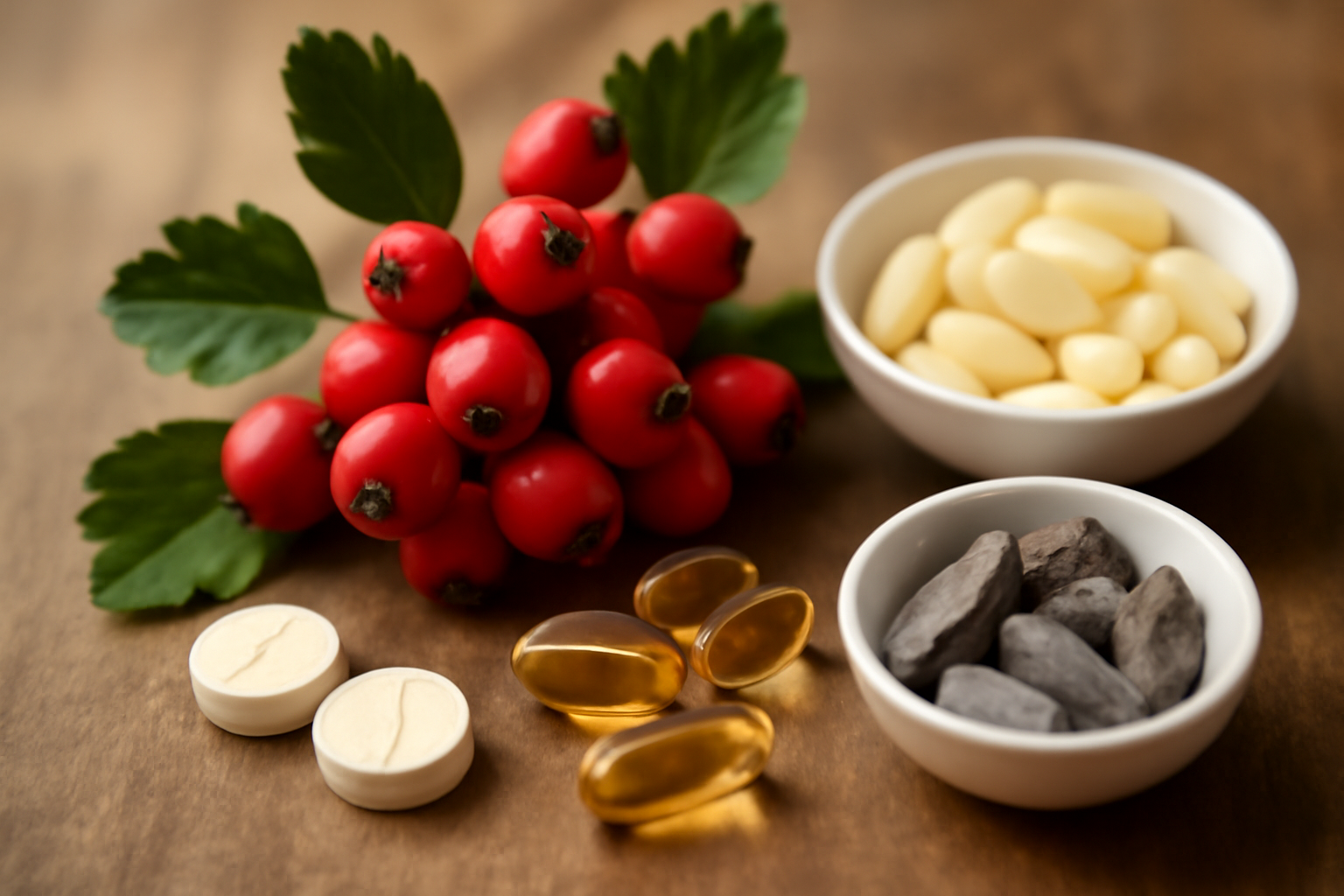
Our body's digestive system is far more than just a machine that processes food. The digestive tract is a complex ecosystem that influences nutrient absorption, immune function, and even mental health. Over 70% of modern adults experience digestive discomfort, caused by irregular eating habits, stress, and antibiotic overuse. This article starts with the physiological foundations of digestion and then presents evidence-based natural solutions step by step. Before relying on medication, discover how to restore digestive health through lifestyle improvements and nutritional optimization.
How Digestion Works
Digestion occurs through the digestive tract, which spans approximately 7 meters from mouth to anus. The moment food enters your mouth, both chemical and physical breakdown begins, a process that can take up to 72 hours. Amylase in saliva initiates carbohydrate breakdown, while hydrochloric acid and pepsin in the stomach break down proteins at the molecular level.
The small intestine is the central organ of digestion, where over 90% of nutrients are absorbed. Enzymes secreted by the pancreas and bile from the gallbladder work together to convert fats, proteins, and carbohydrates into forms that cells can use. What's particularly noteworthy is that approximately 100 trillion microorganisms inhabit the inner lining of the small intestine. These gut microbes do far more than aid digestion—they interact with GALT (Gut-Associated Lymphoid Tissue), which comprises 70% of our immune system, protecting our bodies from disease.
In the colon (large intestine), water absorption and final nutrient extraction occur, and microbial activity here transmits nerve signals to the brain. This is the basis for what's called the "second brain," or the Gut-Brain Axis. This explains why stress impairs digestive function and, conversely, why digestive health affects mental health.
Common Digestive Health Problems and Natural Solutions
Irritable Bowel Syndrome (IBS) and Chronic Inflammation
Irritable bowel syndrome affects 10-15% of the global population, causing abdominal pain, diarrhea, and constipation that alternate. The root causes are dysbiosis (gut microbiota imbalance) and increased intestinal permeability (Leaky Gut). The first step in naturally improving this is eliminating gluten and dairy. Even without gluten intolerance, gluten activates a protein called zonulin, which loosens the intestinal tight junctions. This allows undigested food particles to leak into the bloodstream, triggering immune responses.
Natural solutions include:
- Bone broth consumption: Daily intake of 200-300ml of bone broth provides collagen, glutamine, and gelatin that rebuild damaged intestinal lining. After 6 weeks of consistent intake, intestinal permeability improves significantly.
- Increased omega-3 fatty acids: Omega-3s found in cold-water fish (salmon, mackerel) or flaxseeds reduce intestinal inflammation through their anti-inflammatory action. Daily omega-3 intake of 2-3g is recommended.
- L-glutamine supplementation: This amino acid is the primary energy source for intestinal cells. At 5-10g daily, IBS symptoms can improve within 3-4 weeks.
Chronic Constipation
The most common causes of constipation are insufficient water intake (less than 30-35ml per kilogram of body weight daily) and magnesium deficiency. Magnesium is essential for over 300 enzyme reactions and promotes peristalsis through muscle relaxation. Approximately 75% of modern adults consume less than the recommended amount (400mg for men, 310mg for women).
Practical solutions:
- Magnesium-rich foods: pumpkin seeds (262mg per 100g), dark chocolate (228mg per 100g), cooked spinach (87mg per 100g)
- Magnesium supplements: Magnesium malate (200-400mg daily) has high absorption rates and stimulates intestinal activity.
- Gradual increase in dietary fiber: Aim for 25-35g daily, but increase by 5g per week to avoid worsening bloating from rapid increases.
- Regular exercise: Aerobic exercise for 30+ minutes at least three times weekly improves intestinal transit speed by 40%.
Poor Digestion and Inadequate Nutrient Absorption
Poor protein digestion occurs from reduced stomach acid secretion. Paradoxically, many people worsen the problem by taking acid-blocking medications. Stomach acid isn't simply harmful—it's essential for protein breakdown and calcium, iron, and vitamin B12 absorption. When stomach acid is low, undigested protein reaches the intestines, causing dysbiosis and inflammation.
Ways to restore stomach acid function:
- 15 minutes before eating, consume 1 tablespoon of organic acid (apple cider vinegar or lemon juice) in warm water
- Thoroughly chew food (at least 30 times): This strengthens the neurophysiological signals that stimulate stomach acid.
- Minimize water during meals: Water interferes with food and stomach acid contact, so drink water 20 minutes after eating.
- Try HCl (hydrochloric acid) supplements: Under medical supervision, begin with betaine HCl at 600-1200mg per meal.
Impaired Iron Absorption
Iron deficiency anemia is particularly common in women, but the real issue is iron absorption. Iron is efficiently absorbed only when consumed with vitamin C in food. Oxalates in spinach, tannins in tea, and calcium supplements can reduce iron absorption by up to 70%.
Optimize iron absorption:
- Consume iron-rich foods (oysters, red meat, lentils) with vitamin C-rich foods (oranges, peppers, broccoli)
- Take iron supplements on an empty stomach with 250mg of vitamin C
- Take iron and calcium supplements 2 hours apart
- Consume tea and coffee 2 hours after meals (polyphenols inhibit iron absorption)
Probiotics: The Most Effective Digestive Supplement
Probiotics are living microorganisms that increase beneficial bacteria in the gut. Thousands of studies have accumulated, but not all probiotics are equally effective. Strain specificity is critically important.
Proven Probiotic Strains
- Lactobacillus plantarum: Reduces IBS symptoms by 27% and is most effective at improving intestinal permeability. Dosage: 1-10 billion CFU daily
- Bifidobacterium longum: Regulates immune responses and reduces allergic reactions by 31%. Particularly effective for preventing diarrhea in children.
- Lactobacillus casei: Shows 68% effectiveness in preventing antibiotic-related diarrhea and reduces upper respiratory infection risk by 12%.
- Saccharomyces boulardii: A yeast-based rather than bacterial probiotic, specialized for treating traveler's diarrhea and Clostridium infections.
Probiotic Selection and Usage Guidelines
Effective probiotic products meet these criteria:
- CFU count clearly stated: Should be at least 10 billion CFU/g, with 50 billion or higher being ideal. Avoid products without CFU information.
- Multi-strain formulation: Complex formulas with 3-8 strains are more effective than single-strain products.
- Refrigeration required: Room-temperature products show a 30-50% survival rate decrease within 6 months.
- Include prebiotics: Prebiotics (inulin, oligosaccharides) serve as food for probiotics, amplifying their effectiveness.
Usage tips:
- Start with half the dose for the first 1-2 weeks to allow your digestive system to adjust.
- When taking antibiotics, space probiotics 2 hours apart.
- Require at least 3-4 weeks of use to assess effectiveness.
- Continue for an additional 4-8 weeks after symptom improvement to maintain results.
Lifestyle Factors Affecting Digestion
The Importance of Stress Management
Via the Gut-Brain Axis, stress directly impairs digestive function. When cortisol, the stress hormone, increases, blood flow to the intestinal lining decreases (abdominal blood flow drops by 30%), stomach acid secretion is suppressed, and harmful bacteria proliferate. People under chronic stress have 40% lower gut microbiota diversity compared to those with stress-management skills.
Practical stress-relief methods:
- Diaphragmatic breathing: Three times daily, 5-minute sessions of diaphragmatic breathing (4-second inhalation, 8-second exhalation) increase parasympathetic nervous system activity by 43%.
- Meditation: Groups practicing 10-minute daily mindfulness meditation for 8 weeks showed 26% improvement in IBS symptoms.
- Regular exercise: Exercising three or more times weekly reduces cortisol levels by 30% while promoting beneficial bacteria growth.
Eating Patterns and Eating Speed
Modern fast eating overloads the digestive system. Insufficiently chewed food is less broken down in the stomach, impeding nutrient absorption in the small intestine and causing dysbiosis. One study found that groups chewing food at least 30 times experienced twice the satiety duration and 40% less digestive burden compared to those chewing only 12 times.
Optimized eating patterns:
- Slow, mindful eating lasting at least 20-30 minutes
- Prevent overeating: Since satiety signals take 15-20 minutes to reach the brain, eating until you feel full means you've already overeaten.
- Sleep 2-3 hours after evening meals: Digestion efficiency decreases by 50% while lying down.
- Regular meal times: Eating at consistent times like 7am, noon, and 6pm aligns with your circadian rhythm, optimizing digestive efficiency.
Hydration and Promoting Intestinal Movement
Water is not merely a lubricant but essential for activating digestive enzymes, dissolving nutrients, and forming stool. Most digestive problems are related to chronic dehydration. Optimal daily fluid intake is body weight (kg) × 30-35ml. A 70kg adult should aim for 2.1-2.45 liters daily.
Methods to promote intestinal movement:
- Drink 500ml of warm water immediately upon waking (this triggers the gastrocolic reflex, stimulating intestinal movement)
- Castor oil therapy: 15ml of castor oil at night 1-2 times weekly is a quick constipation solution (but avoid frequent use)
- Walking: A 15-20 minute post-meal walk increases peristalsis by 20%.
Minimizing Antibiotic and Medication Use
Antibiotics eliminate beneficial bacteria along with harmful ones. Just 7 days of antibiotic use completely disrupts the gut microbiota ecosystem, requiring 6-12 months for full recovery. As unnecessary antibiotic prescriptions increase, antibiotic-resistant bacteria proliferate.
Ways to improve digestion independent of medication:
- When taking antibiotics (only when necessary), take probiotics simultaneously, spaced 2 hours apart
- For 4 weeks after antibiotics, use enhanced prebiotic and probiotic therapy
- Increase consumption of antioxidant-rich foods (berries, green tea) to mitigate antibiotic side effects
The Importance of Sleep Quality
Sleep deprivation directly worsens digestive health. During sleep, your body repairs damaged intestinal lining and regulates the daily circadian rhythm of gut microbes. People sleeping less than 7 hours daily have 18% lower gut microbiota diversity and twice the IBS incidence rate.
Strengthen digestive health through improved sleep:
- Sleep at consistent times daily (including weekends) to stabilize your circadian rhythm
- Avoid screens 2 hours before bed to normalize melatonin secretion
- Avoid caffeine after 6pm to extend sleep duration
- Maintain bedroom temperature at 16-19°C to enhance sleep efficiency
Summary
Digestive health is the foundation of overall wellness. The key points from this article summarize as follows:
1. Understand the Root Cause
Before medication, identify the problem's underlying cause. Solutions differ depending on whether IBS is caused by gluten, low stomach acid, or stress. 2. Apply Priorities
Lifestyle improvements (sleep, stress, hydration, exercise) → eating habit improvements (slow eating, thorough chewing) → nutritional optimization (magnesium, omega-3) → supplementation if needed (probiotics, glutamine) 3. Personalized Approach
No single solution works for everyone. Evaluate changes at 2-4 week intervals and adjust ineffective methods. 4. Patience and Consistency
Damaged intestinal lining recovery requires minimum 6-8 weeks, and gut microbiota reconstruction requires 3-6 months. Focus on long-term improvement over short-term results. 5. Importance of Professional Consultation
If you experience chronic diarrhea, severe abdominal pain, blood in stool, or sudden weight loss, consult a healthcare professional. These may indicate conditions requiring medical intervention such as inflammatory bowel disease (IBD), celiac disease, or serious infections.
Improving digestive health is an experimental process. Carefully observe your body's signals and implement the natural methods presented above gradually. What many people overlook when relying solely on medication is that the human body possesses remarkable self-healing capabilities. Through proper environmental support and nutritional supply, your digestive system can fully recover.