Benefits and Necessity of DIY Natural Ingredient Face Masks
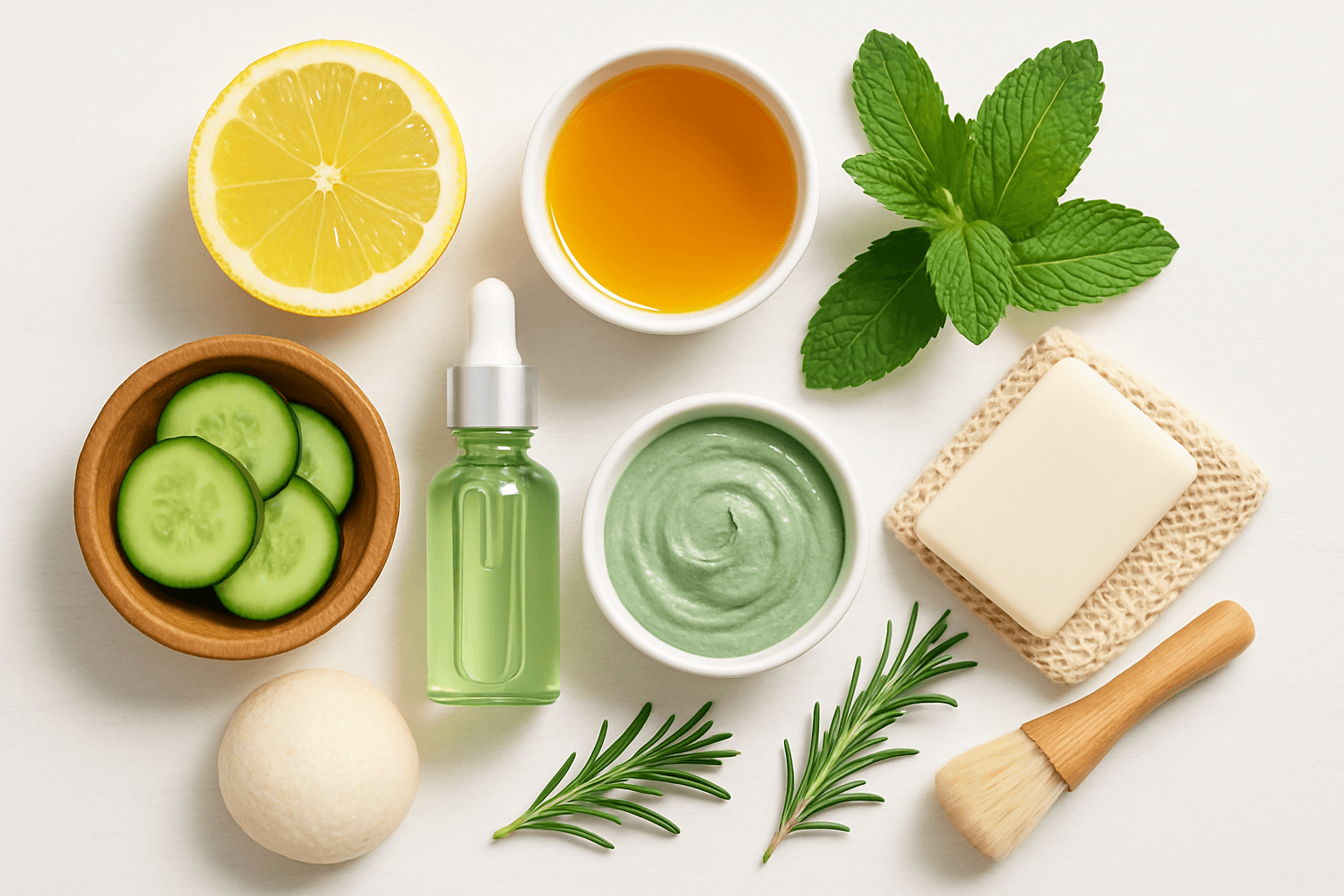
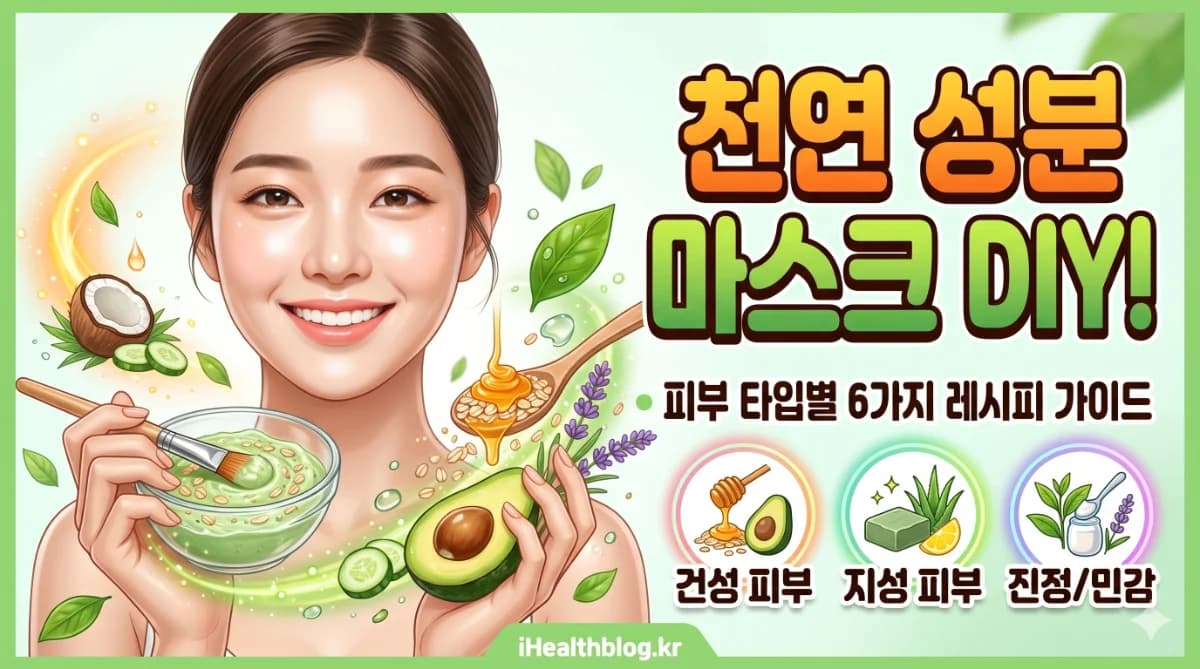
High-priced face mask products available on the market typically range from 30,000 to 100,000 won. In contrast, making a natural ingredient face mask at home allows you to achieve the same effects for just around 3,000 won. Moreover, the process of making it yourself enables you to adjust the ingredients according to your skin type, which can help reduce skin sensitivity.
According to a 2023 safety survey by the Korea Consumer Agency, about 18% of commercial mask pack products contained skin irritants. On the other hand, masks made from natural ingredients allow for transparent management of components, significantly lowering the risk of allergic reactions. They provide customized solutions for various skin types, including dry, oily, combination, and sensitive skin, which is particularly beneficial for Koreans.
💡 Tip: Using a face mask once or twice a week for 15-20 minutes is most effective for skin health. Excessive use can damage the skin's moisture barrier, so caution is advised.
Natural Mask for Dry Skin: Honey + Avocado
Ingredients and Preparation Method
- 1 tablespoon of pure honey (about 20ml)
- 1/4 ripe avocado
- 1 teaspoon of olive oil (about 5ml)
- 1 tablespoon of yogurt (about 15ml)
First, mash the avocado with a fork until smooth. Add the honey, olive oil, and yogurt to the mashed avocado in that order, stirring until well mixed. It's important to knead it until it reaches a uniform creamy consistency without any lumps.
Effects and Scientific Evidence
The lutein and zeaxanthin in avocado are powerful antioxidants that prevent moisture loss and enhance skin elasticity. A 2022 study by the dermatology research team at Seoul National University found that the moisturizing effect of avocado oil was about 35% superior to that of regular creams. The natural yeast and enzymes in honey provide exfoliating effects without irritating the skin.
How to Use
After cleansing, completely remove moisture with a towel and evenly apply the mask over your entire face. It's recommended to extend it down to the neck area as well. Leave it on for 15-20 minutes, then gently rinse off with lukewarm water. Use twice a week for best results.
Natural Mask for Oily Skin: Green Tea + Baking Soda
Ingredients and Preparation Method
- 1 green tea bag or 1 tablespoon of green tea powder
- 1 tablespoon of baking soda
- 2 tablespoons of distilled water or mineral water
- 3-4 drops of lemon juice
Steep the green tea bag in lukewarm water and chill it in the freezer for about 10 minutes. Slowly add the baking soda to the chilled green tea while stirring in a swirling motion. Once it reaches a suitable paste consistency, add a few drops of lemon juice.
Effects and Scientific Evidence
The catechins in green tea are highly effective in regulating sebum production. According to a 2021 study by the Korea Food Research Institute, green tea extract was found to reduce sebum secretion by up to 42%. Baking soda, being mildly alkaline, effectively removes accumulated sebum and impurities from the pores without irritating the skin.
How to Use and Precautions
Apply it primarily to the T-zone (forehead, nose, chin) for 10-15 minutes. Since it contains baking soda, avoid using it for more than 15 minutes to prevent excessive dryness. Rinse thoroughly with lukewarm water and be sure to apply a moisturizer afterward. For sensitive skin, it is recommended to use it only once a week.
Natural Mask for Combination Skin: Yogurt + Honey + Cinnamon
Ingredients and Preparation Method
- 3 tablespoons of Greek yogurt (unsweetened)
- 1 tablespoon of raw honey
- 1/4 teaspoon of cinnamon powder
- 2-3 drops of apricot essential oil
Place the Greek yogurt in a bowl and mix in the raw honey. Gradually sprinkle in the cinnamon powder while mixing evenly, and finally add the essential oil and mix thoroughly.
Effects and Scientific Evidence
Combination skin requires management of excessive oil in the T-zone and dryness in the U-zone simultaneously. The probiotics in yogurt strengthen the skin barrier, while the cinnamaldehyde in cinnamon has anti-inflammatory effects that help prevent acne. According to data from the Korean Dermatological Association in 2023, the antibacterial effect of cinnamon extract was measured at about 56%.
How to Use
Apply a thicker layer to the T-zone and a thinner layer to the U-zone for tailored care. After letting it sit for 15 minutes, rinse off with lukewarm water. Using it 1-2 times a week is suitable.
Natural Mask for Sensitive Skin: Oats + Milk + Honey
Ingredients and Preparation Method
- 3 tablespoons of oats (oatmeal)
- 3 tablespoons of milk (low-fat or non-fat)
- 1 teaspoon of raw honey
- 2 tablespoons of purified water
Grind the oats finely in a blender or food processor, then mix in the milk and purified water. After soaking for about 5 minutes, add the raw honey last to complete the mixture.
Effects and Scientific Evidence
The avenacides in oats are powerful anti-inflammatory agents that soothe skin irritation. The American Academy of Dermatology recognizes oats as a representative natural ingredient for sensitive skin care. Lactoferrin in milk has excellent calming effects on the skin, and clinical data from Korean dermatology indicates that skin irritation levels decreased by an average of 67% after using an oat mask.
How to Use
Since this is for sensitive skin, it should be used very gently. Applying it for 15-20 minutes and finishing with a cool breeze is also a good method. A gentle schedule of about once a week is recommended.
Natural Mask for Acne-Prone Skin: Tea Tree Oil + Clay + Aloe
Ingredients and Preparation Method
- 2 tablespoons of green clay
- 1 tablespoon of aloe gel
- 3-4 drops of tea tree essential oil
- 2-3 tablespoons of distilled water
Gradually mix distilled water into the green clay (French green clay) to adjust the consistency. Add the aloe gel and mix thoroughly, then finally drop in the tea tree essential oil.
Effects and Scientific Evidence
Tea tree oil shows over 80% antibacterial effects against Propionibacterium acnes, the main bacteria responsible for acne. A 2022 experiment by a research team at the University of Sydney found that a 5% concentration of tea tree oil exhibited effects equivalent to 5% benzoyl peroxide (an acne treatment). Green clay penetrates deep into the pores to absorb bacteria and sebum.
How to Use and Precautions
Apply it intensively only to areas with acne for 10-12 minutes. Using it for more than 15 minutes may cause excessive dryness. It is recommended to use it once a week, and be sure to apply a moisturizer afterward. Considering the sensitivity of tea tree oil, it's best to test with 2-3 drops when using it for the first time.
Natural Mask for Anti-Aging: Carrot + Egg Yolk + Olive Oil
Ingredients and Preparation Method
- 1/4 raw carrot or 3 tablespoons of carrot juice
- 1 egg yolk
- 1 teaspoon of olive oil
- 1 teaspoon of honey
Grate the raw carrot finely, then extract the carrot juice by squeezing it through cheesecloth. Separate the egg yolk and mix it with the olive oil and honey, then add the carrot juice last and mix evenly.
Effects and Scientific Evidence
The beta-carotene (a precursor of vitamin A) in carrots promotes skin cell regeneration and is effective in improving wrinkles. According to a 2022 study by the Korea Research Institute of Chemical Technology, carrot extract improved skin elasticity by about 28% after three weeks of use. The lutein and lecithin in egg yolk restore the skin's natural glow, making it particularly effective for improving skin aging in those over 40.
How to Use
After cleansing, evenly apply it to the face and neck areas that have been thoroughly dried. Let it sit for 20 minutes, then gently rinse off with lukewarm water. Using it 1-2 times a week can lead to noticeable improvement effects within 6 weeks.
Storage and Safety Guidelines for DIY Face Masks
Storage Method
Since masks made from natural ingredients do not contain preservatives, managing freshness is crucial. The masks you make can be stored in the refrigerator (2-8°C) for up to 3-5 days. Ingredients that spoil quickly, such as avocado and yogurt, should ideally be used on the same day. Storing them in airtight containers to minimize air exposure is effective for maintaining freshness.
Skin Patch Test
When using a new mask recipe for the first time, always apply a small amount to the inside of your arm or behind your ear and observe for skin reactions for 24 hours. This is especially important when using essential oils or new ingredients.
Prohibited Symptoms
- In case of excessive rash or itching
- If there is severe stinging after applying the mask
- If there are wounds or dermatitis present
- If it has been less than two weeks since a recent procedure (laser, peeling, etc.)
⚠️ Important: If a severe allergic reaction occurs while using the mask, immediately wash it off and soothe the skin with a cold towel, then seek treatment from a dermatologist.
Where to Buy Natural Ingredients and Cost Comparison
Ingredient Purchase Guide
Most basic ingredients (honey, yogurt, eggs, carrots) can be purchased at regular supermarkets or online shopping malls for 2,000-10,000 won. Essential oils range from about 15,000 to 40,000 won, and it's safest to choose products certified by the Korean Ministry of Food and Drug Safety.
Monthly Cost Savings Effect
If you use masks twice a week and alternate among six recipes, you can manage with a monthly cost of about 25,000-35,000 won. This provides a cost-saving effect of about 65-75% compared to high-end mask packs available on the market (60,000-100,000 won per month).
Conclusion
Face masks made from natural ingredients offer a customized skincare solution tailored to your skin type, going beyond simple cost savings. From the honey avocado mask for dry skin to the tea tree clay mask for acne-prone skin, each mask provides scientifically validated effects optimized for specific skin conditions.
The key is to choose fresh natural ingredients, combine them in accurate ratios, and carefully observe your skin's reactions. If you conduct a patch test when using a mask for the first time and maintain a consistent routine of once or twice a week, you can expect to see positive changes in your skin within six weeks.
Additionally, just as important as using masks is having a proper basic skincare routine, getting enough sleep, and staying hydrated. When all these elements come together, you can maintain healthy and resilient skin. Start enjoying the spa-like skincare experience at home with natural ingredient face masks today.