Understanding the Reasons and Types of Acne Scars
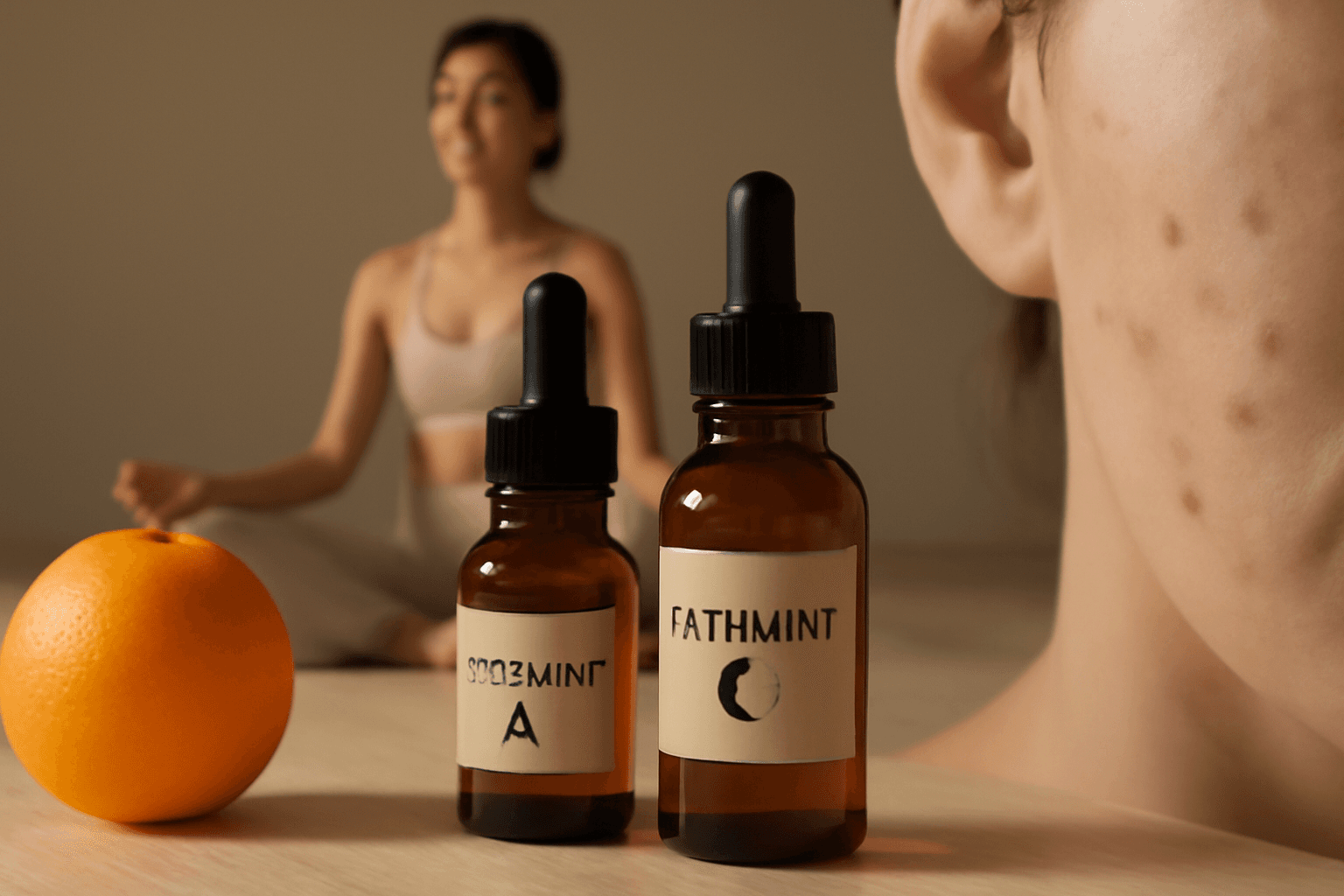
Acne scars are not just a surface issue of the skin. They occur when severe acne damages the dermis (the deeper layer of the skin), leading to abnormal collagen regeneration. According to data from the Korean Dermatological Association, about 40-50% of acne patients experience some degree of scarring, with over 30% of these individuals struggling with severe scars.
Acne scars can be broadly classified into three types:
- Atrophic Scars: These are indented scars that account for about 80% of all acne scars.
- Hypertrophic Scars: These are raised scars that primarily appear on the chest or back.
- Post-inflammatory Hyperpigmentation: Rather than a scar, this is a pigment change following inflammation, which is likely to improve naturally over time.
The severity of scars is determined by the severity of acne, the timing of treatment, and an individual's skin regeneration ability. Therefore, prompt treatment during severe acne is key to preventing scars.
Step-by-Step Home Care: The First Step in Self-Care
Step 1: Proper Cleansing and Moisturizing
The first step in improving scars is to strengthen the skin barrier. Damaged skin tends to lose moisture, so adequate hydration promotes skin regeneration.
- Low-irritation Cleansing: Use a mildly acidic cleansing product to wash your face twice a day (morning and evening). Avoid excessive cleansing, as it can increase skin irritation.
- Add a Toner Step: After cleansing, use a toner to soothe the skin and help with the absorption of subsequent products.
- Moisturizing Essence: Products containing niacinamide (Vitamin B3) are effective for strengthening the skin barrier and controlling sebum.
- Finish with Cream: Use a cream containing ceramides and glycerin to lock moisture into the skin.
To expect skin improvement, the skincare routine should be maintained for at least three months.
Step 2: Utilizing Vitamin A (Retinoids)
Vitamin A derivatives are the most effective ingredients for home care in improving acne scars. They promote cell regeneration and increase collagen production.
- Start with Retinol: For sensitive skin, begin with low-concentration retinol (0.25-0.3%) and use it 2-3 times a week.
- Gradual Increase: After two weeks, increase to 3-4 times a week, and after four weeks, use daily.
- Essential Sunscreen: Using sunscreen is crucial while on retinoids. Apply an SPF 50+ product daily.
- Recommended Product Price Range: Retinol toner approximately 30,000-50,000 won, retinol essence approximately 40,000-70,000 won.
Improvement effects are usually noticeable after 8-12 weeks.
Step 3: Vitamin C and Peptide Serums
Vitamin C (ascorbic acid) improves skin elasticity through its antioxidant effects and by promoting collagen production.
- Use a pure Vitamin C serum with a concentration of 10-20% in the morning.
- Products containing peptides help improve scars by promoting skin protein synthesis.
- Vitamin C serums are available for approximately 35,000-60,000 won.
Step 4: Regular Scrubs and Peels
Use chemical peels (AHA, BHA) 1-2 times a week to remove dead skin cells.
- Glycolic acid (AHA) toner: approximately 20,000-40,000 won.
- Salicylic acid (BHA) toner: approximately 25,000-45,000 won.
- Start with once a week and increase based on skin condition.
Expert Tip: Deep, indented scars that do not improve with home care should be treated with professional procedures. It is difficult to sufficiently improve the collagen structure in the dermis with home care alone.
Professional Treatment Options: Current Status of Dermatological Treatments
1. Microneedling
This procedure involves using fine needles to create tiny holes in the skin, inducing a natural healing response. It stimulates controlled damage to promote collagen regeneration.
- Procedure Cost: Approximately 100,000-200,000 won per session (varies based on treatment area).
- Number of Sessions: Typically 4-6 sessions at intervals of 4-6 weeks.
- Recovery Period: Mild redness may occur for 3-7 days post-procedure.
- Effectiveness: Gradual improvement over 6 months to 1 year, particularly effective for atrophic scars.
Microneedling can be combined with other treatments and is a purely cosmetic procedure not covered by national health insurance.
2. Laser Treatment
Various types of lasers are used to treat acne scars:
- Fractional CO2 Laser: Vaporizes and removes damaged skin layers.
- Cost: Approximately 300,000-500,000 won per session.
- Recovery Period: 7-14 days (until crusting falls off).
- Session Interval: 3-5 sessions every 4-6 weeks.
- Non-fractional Laser (Eral): Faster recovery than CO2 laser.
- Cost: Approximately 150,000-300,000 won per session.
- Recovery Period: 2-3 days.
- Effects are relatively mild.
- Pico Laser: Effective for improving pigmentation with ultra-short pulses.
- Cost: Approximately 200,000-350,000 won per session.
3. Dermapen (Automated Microneedling)
This is an automated microneedling procedure that allows for more precise depth control.
- Cost: Approximately 120,000-250,000 won per session.
- Number of Sessions: Similar to regular microneedling, typically 4-6 sessions.
- Advantages: More uniform stimulation and faster procedure time.
- Pain: Minimized with the use of numbing cream.
4. Filler Treatment
Injecting fillers into indented scar areas raises them immediately. While a temporary solution, it is effective when quick improvement is needed.
- Hyaluronic Acid Filler: Approximately 200,000-400,000 won (per 1cc).
- Duration: 6-12 months (varies by filler type).
- Advantages: Immediate effect, no recovery time.
- Disadvantages: Not a fundamental improvement, requiring periodic treatments.
5. Subcision
This technique involves cutting the connective tissue beneath indented scars with a needle to lift the skin.
- Cost: Approximately 200,000-400,000 won, depending on the treatment area.
- Effectiveness: Very effective for deep indented scars.
- Recovery: Swelling may last for about 3-7 days.
- Combination Treatment: Better results can be achieved when combined with microneedling or laser treatments.
Combination Treatment Strategies and Recommended Order
Treating acne scars requires a customized plan based on the type and depth of the scars, as well as the individual's skin condition.
Mild Scars (3-month treatment)
Recommended Order: Strengthen home care → 2-3 sessions of laser peeling or microneedling.
- Total Estimated Cost: Home care 100,000 won/month × 3 months + treatment 300,000-600,000 won = approximately 600,000-900,000 won.
Moderate Scars (6-month treatment)
Recommended Order: 1 session of subcision → 4 sessions of microneedling (once a month) → continue home care.
- Total Estimated Cost: Approximately 1,000,000-1,500,000 won.
Severe Scars (9-12 month treatment)
Recommended Order: 1-2 sessions of subcision → 2-3 sessions of fractional CO2 laser → 4 sessions of microneedling → filler maintenance.
- Total Estimated Cost: Approximately 2,000,000-3,000,000 won.
Important: All procedures are not covered by national health insurance and are fully out-of-pocket. Consult with a trusted dermatology clinic before proceeding.
Precautions During Treatment and Skin Care
Home care remains very important even while undergoing professional treatments. Management methods should be adjusted based on the skin condition after treatment.
- Immediately After Treatment (0-3 days): Low-irritation cleansing, avoid excessive stimulation, use calming essences for redness.
- 1 Week Post-Treatment: Sunscreen is essential, temporarily halt chemical peels.
- 2 Weeks Post-Treatment and Beyond: Gradually resume home care products, start chemical peels as directed by a doctor.
- Sunscreen: Use SPF 50+ products daily for at least 4 weeks before and after treatment.
- Avoid Alcohol and Caffeine: It is advisable to avoid these for 48 hours post-treatment.
- Exercise: Limit sweating exercises for 3-7 days post-treatment.
FDA Approved Products and Trusted Choices
When selecting products for improving acne scars, check for FDA approval. Products registered as quasi-drugs have some degree of safety and efficacy verified.
- Quasi-drug Toners/Essences: Approximately 20,000-50,000 won, check for key ingredient labeling.
- Prescription Retinoids: May be covered by insurance when prescribed by a dermatologist (for detailed costs, inquire at the medical institution).
- Vitamin C Serums: Choose stabilized Vitamin C products, use within 3 months after opening.
When purchasing products from online shopping malls, be sure to check the seller and expiration date, and it is safer to use large platforms with product authenticity verification (like Coupang, Naver, etc.).
Realistic Expectations and Time Investment
Improving acne scars does not happen overnight. Setting realistic expectations enhances treatment satisfaction.
- Post-inflammatory Hyperpigmentation: 3-6 months (fastest improvement).
- Shallow Scars: 6-12 months.
- Deep Indented Scars: 12-24 months or more.
- Overall Improvement Rate: Expecting an average improvement of 50-70% is realistic.
Even if they do not completely disappear, it typically takes 6-12 months to reach a visibly improved level.
Conclusion
Once acne scars form, they are difficult to completely eliminate naturally, but with the right treatment plan, over 80% improvement can be achieved. The first step is to strengthen home care by gradually applying retinoids, Vitamin C, and peeling products.
If home care alone is insufficient, consult a dermatologist to choose treatments suitable for your scar type. Various options are available, such as microneedling (approximately 100,000-200,000 won/session), laser treatments (approximately 150,000-500,000 won/session), and subcision (approximately 200,000-400,000 won), which can be performed alone or in combination depending on the severity of the scars.
The most important principle is early treatment. The sooner severe acne is treated, the less likely scars will form, and the earlier management begins for already formed scars, the better the improvement effects will be. After sufficient consultation with a specialist, it is recommended to establish a treatment plan that fits your skin condition and budget, and to gradually work towards improvement.