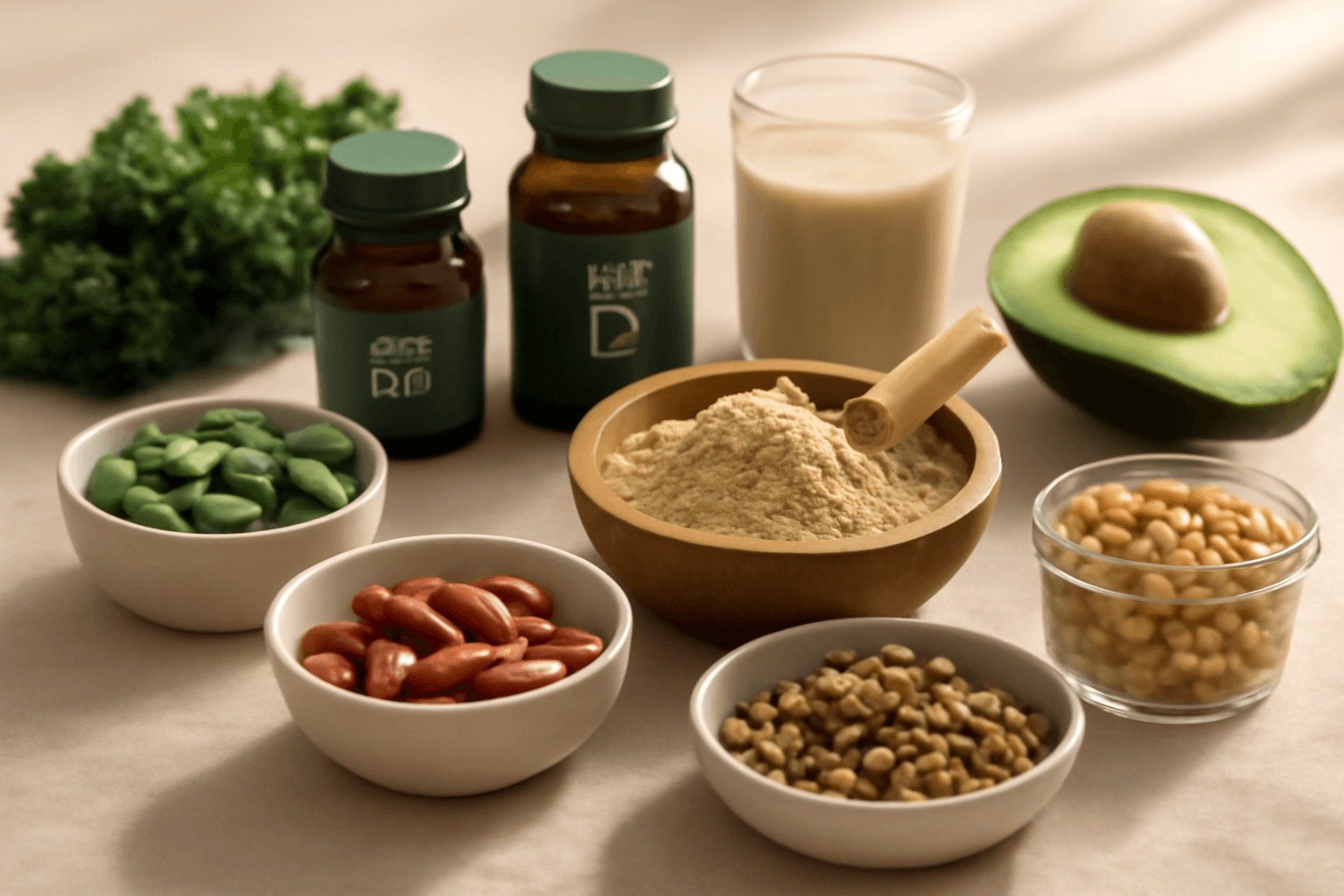
Omega-3 is an essential nutrient for heart health, brain function, and immune system enhancement in our bodies. However, as most omega-3 sources come from marine organisms, problems of overfishing and marine ecosystem destruction have become increasingly serious. This article presents sustainable methods of omega-3 consumption that protect both personal health and our planet's environment. From plant-based omega-3 sources to responsible fishing practices, we'll introduce specific, science-based practical alternatives.
Why Omega-3 Matters
Omega-3 fatty acids consist of two essential components: EPA (eicosapentaenoic acid) and DHA (docosahexaenoic acid), which are responsible for anti-inflammatory actions in the body. According to American Heart Association research, people who consume fish at least twice per week have a 36% lower incidence of heart disease. DHA comprises approximately 8% of brain gray matter and directly impacts cognitive function and memory improvement.
Omega-3 also plays an important role in blood sugar regulation. In studies of diabetic patients, consuming 1,500mg of omega-3 daily reduced fasting blood glucose by an average of 5.7mg/dL. In the immune system, omega-3 metabolites protectin and resolvin maintain immune response balance and inhibit autoimmune disease development. For women's hormone regulation, consuming at least 500mg of omega-3 monthly is effective in alleviating menopausal symptoms and reducing menstrual cramps.
Iron and zinc absorption are also enhanced by omega-3. A healthy lipid environment increases the bioavailability of these minerals by over 30%. This is particularly important for people following a vegetarian diet, and the choice of plant-based omega-3 sources positively impacts the absorption of these nutrients.
Why We Must Consider Sustainability
Approximately 85% of omega-3 worldwide comes from marine organisms. According to the latest FAO (Food and Agriculture Organization) report, roughly 35% of commercial fish stocks are in an overfished state, and approximately 87 million tons of marine life are discarded annually as bycatch. In particular, warnings have been raised that omega-3-rich species such as salmon, sardines, and anchovies could lose commercial viability within approximately 30 years.
Excessive fishing collapses the marine food chain beginning with phytoplankton. Plankton generates approximately 70% of Earth's oxygen, and its decline accelerates climate change. Additionally, aquaculture uses enormous quantities of antibiotics annually (approximately 7,700 tons per year), fostering the spread of antibiotic-resistant bacteria. For these reasons, awareness that individual omega-3 consumption impacts ecosystems and future food security is essential.
Choosing sustainable omega-3 is not merely an ethical choice. The collapse of marine ecosystems ultimately threatens marine resources that provide 40% of humanity's protein supply, which represents an enormous economic loss. In a situation where current consumption behavior determines food availability over the next 10 years, sustainable choice is an unavoidable responsibility.
Building a Diet with Sustainability in Mind
The key to building a sustainable omega-3 diet is diversity. Rather than depending on a single source, obtaining omega-3 from multiple sources disperses demand pressure on specific fish species. The foundation should be consuming fish 2-3 times per week, with at least one instance being from a sustainable source certified by MSC (Marine Stewardship Council) or ASC (Aquaculture Stewardship Council).
Actively utilizing plant-based omega-3 sources is also an effective strategy. Plant-based omega-3 in ALA (alpha-linolenic acid) form partially converts to EPA and DHA within the body, with conversion efficiency at approximately 5-10%. Therefore, consuming 30g of flaxseed, 28g of walnuts, or 1 tablespoon of flaxseed oil daily while supplementing marine-sourced omega-3 only 1-2 times monthly is efficient. This meets individual omega-3 requirements (approximately 1,100-1,600mg daily recommended amount) while significantly reducing pressure on marine resources.
Crustacean farming, particularly oyster and mussel cultivation, has high sustainability as it requires no additional feed. They filter-feed on microscopic phytoplankton in the water, and in just 100g they provide 15mg of zinc (100% of daily recommended amount) and 24mg of iron (133% of daily recommended amount), in addition to omega-3. Consuming oysters 2-3 times weekly supports hormone health and immune system enhancement.
Sustainable Omega-3 Sources
Sardines and anchovies are currently the most sustainable fatty fish due to rapid reproduction cycles and abundant resources. Containing 1,500mg of EPA and 1,000mg of DHA per 100g, their populations recover 5 times faster than tuna or salmon. Regions like Cantabria in Spain and specific waters in Japan strictly manage sustainable fishing standards.
Farmed trout is raised in land-based tanks, minimizing impact on marine resources. However, selecting quality farmed trout is important; products from facilities using MSC-certified feed provide nearly identical nutritional value (1,600mg DHA/100g) to wild trout. You should verify and purchase products from certified facilities with no antibiotic use.
Seaweed and algae are recently gaining attention as plant-based omega-3 alternatives. In particular, chlorella and spirulina are produced through hydroponics with almost no environmental burden while providing 200mg ALA/5g and 3g of protein. They also contain 80mg iron (444% of daily recommended amount) and 400mcg zinc, making them particularly suitable for vegetarians.
Nuts and seeds are cultivated in soil with no impact on marine ecosystems. 28g of walnuts (2.5g ALA), 28g of chia seeds (5.1g ALA), and 28g of flaxseed (2.3g ALA) all substantially exceed daily ALA requirements (1.1g for women, 1.6g for men). Consuming these daily can supply 60-70% of monthly EPA/DHA needs through body conversion.
Fish Oil and Other Omega-3 Supplements
Fish oil supplements require careful selection due to the risk of heavy metal contamination during refining and concentration processes. Products holding IFOS (International Fish Oil Standards) 5-star certification have demonstrated safety in toxicity testing, and the recommended daily dose of 1,000mg provides approximately 300mg EPA and 200mg DHA. However, fish oil still depends on marine resource harvesting, so verifying that the source is from MSC-certified fisheries before use is essential.
A recently notable alternative is algae-based omega-3 supplements. DHA 200mg and EPA 100mg supplements extracted directly from microalgae such as nanochlorella provide identical efficacy to marine omega-3 without ecosystem impact. These are particularly preferred by vegans and vegetarians, and some research has shown superior or equivalent absorption rates compared to animal-derived fish oil.
Krill oil supplements are not recommended due to concerns about overharvesting Antarctic krill. The Antarctic ecosystem depends entirely on food chains based on krill, and approximately 500,000 tons of krill are currently harvested annually. This could lead to food shortages for large marine mammals such as whales, penguins, and seals in the future.
When selecting supplements, daily omega-3 consumption of 1,000-2,000mg becomes the standard for showing therapeutic effect. Those taking blood thinners (such as warfarin) must consult with a healthcare provider before use, and those scheduled for surgery should discontinue high-dose supplements two weeks prior. Pregnant women need special care when selecting fish oil products due to mercury contamination concerns.
Summary
Sustainable omega-3 consumption is a practical approach to achieving both personal health and planetary protection simultaneously. The key consists of three points:
- Plant-based priority: Consume one of walnuts, flaxseed, or chia seeds daily and add 1-2 servings of sustainable fish species like sardines or anchovies per week
- Verify certifications: When purchasing marine organisms, always check for MSC or ASC certification, and for supplements, choose IFOS 5-star or algae-based products
- Maintain diversity: Avoid depending on a single source and consume oysters, mussels, seaweed, nuts, and farmed fish in balanced proportion
With this approach, you can meet daily recommended omega-3 intake (EPA+DHA 250-500mg, ALA 1,100-1,600mg) while contributing to marine ecosystem restoration. If supplements are necessary depending on your health status, please consult with a healthcare professional to determine the appropriate dosage and product.