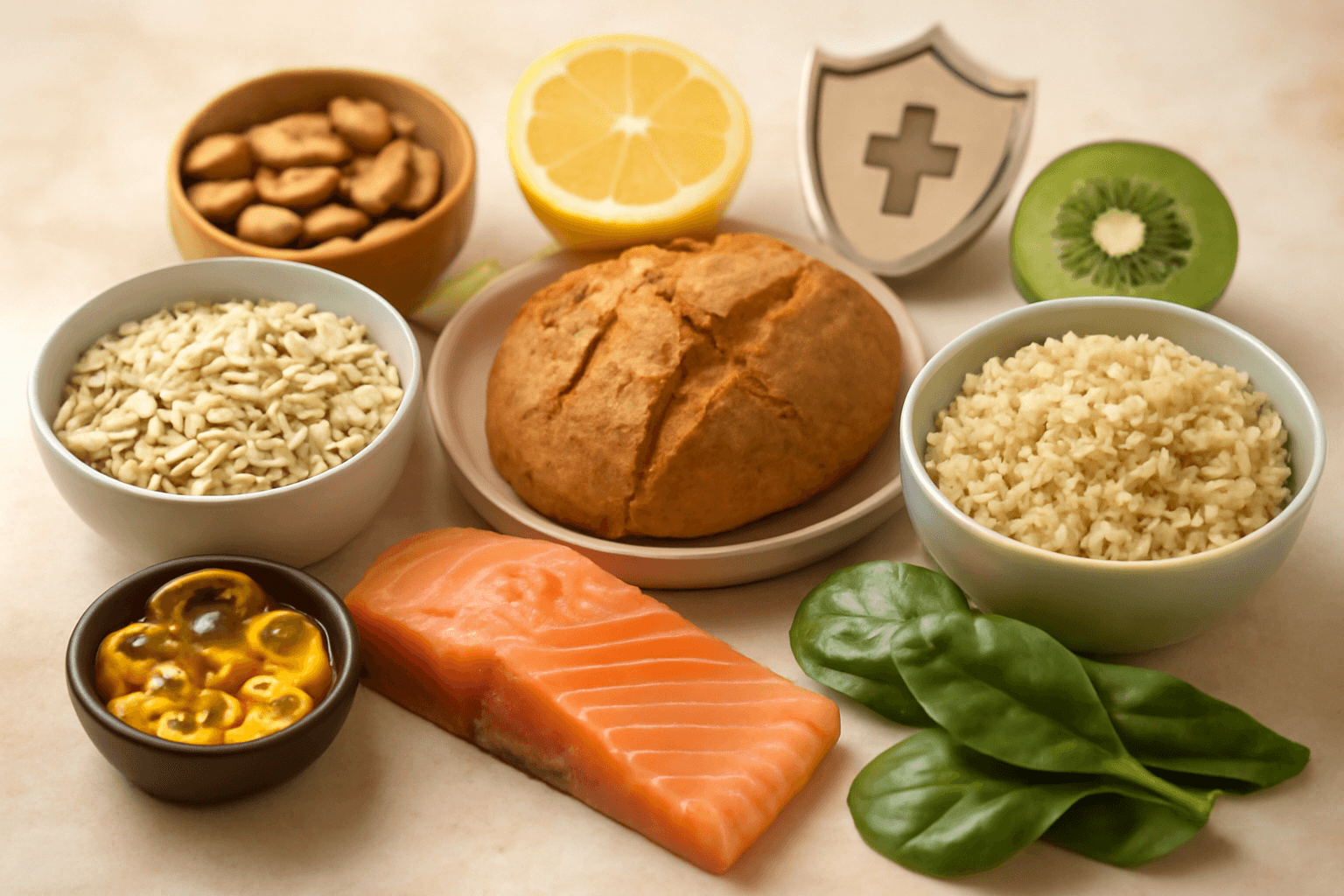
Gluten-free diets have evolved beyond a passing trend to become a legitimate health improvement strategy for many people. Not only celiac disease patients, but also individuals experiencing digestive discomfort, fatigue, and joint pain are finding symptom relief through gluten elimination. This article will explore the practical effects of gluten-free diets, foods to avoid, the importance of testing, and proper implementation methods.
Why People Follow Gluten-Free Diets
The rising popularity of gluten-free diets stems from medical necessity and documented cases of genuine health improvements. While celiac disease affects approximately 1% of the population, many cases remain undiagnosed. What's more significant is that the population with non-celiac gluten sensitivity is considerably larger than those with celiac disease.
Symptoms following gluten consumption vary widely. Digestive symptoms include abdominal bloating, diarrhea, and constipation, while systemic symptoms include chronic fatigue, headaches, and brain fog. According to some research, gluten can increase intestinal permeability (leaky gut syndrome) and stimulate the immune system. This can exacerbate autoimmune responses and worsen conditions such as thyroid disease and rheumatoid arthritis.
Additionally, gluten can trigger neuroinflammation, affecting brain health. In some sensitive individuals, gluten acts like a neurotoxic protein, leading to cognitive decline and mood changes. This is why people with chronic fatigue, joint pain, and skin problems are trying gluten-free diets.
Foods to Eliminate on a Gluten-Free Diet
The most fundamental principle of a gluten-free diet is to completely avoid three grains: wheat, barley, and rye. However, hidden sources of gluten require even greater care.
Foods to watch out for:
- Wheat-based products such as bread, pasta, and cereals
- Beer and some whiskeys (made with barley/wheat)
- Soy sauce (contains wheat; choose gluten-free soy sauce)
- Sausages and processed meats (may contain gluten as a binder)
- Some curry powders and spice blends
- Chocolate and candy (may contain trace amounts of gluten)
- Some medications and vitamin supplements (gluten used as an excipient)
- Fried chicken and fried foods (wheat flour coating)
Cross-contamination is also important. Sharing knives, cutting boards, and toasters used for gluten-containing foods can transfer trace amounts of gluten. For celiac patients, even gluten levels below 20ppm (parts per million) can damage the small intestine, so caution is necessary.
Common Problems Caused by Gluten-Containing Foods
The body's reaction to gluten begins with an immune system attack. Gluten alters the composition of the gut microbiome, reducing beneficial bacteria. This leads to impaired digestive function, poor nutrient absorption, and deteriorating intestinal health.
Major gluten-related issues:
- Digestive problems: Nutrient absorption disorders due to intestinal wall damage. In particular, iron, vitamin B12, and calcium absorption decreases.
- Chronic inflammation: Gluten increases zonulin protein production, raising intestinal permeability. This triggers systemic inflammatory responses.
- Fatigue: Incomplete nutrient absorption reduces energy production, and chronic inflammation also accelerates energy depletion.
- Cognitive decline: Some research reports that gluten induces antibody formation in the brain, affecting cognitive function.
- Thyroid disease: Gluten's amino acid structure resembles thyroid peroxidase, potentially triggering autoimmune responses.
- Joint pain: Systemic inflammation caused by gluten worsens joint inflammation.
- Skin problems: Eczema, acne, and psoriasis may be associated with gluten sensitivity.
Particularly noteworthy is that many people don't recognize their symptoms. Intestinal damage may be progressing silently even without digestive symptoms.
Why Testing for Celiac Disease and Non-Celiac Gluten Sensitivity Is Important
It's crucial to get tested before starting a gluten-free diet. Removing gluten without testing can make accurate diagnosis impossible later on.
Celiac disease testing: Blood tests measure tissue transglutaminase (tTG-IgA) antibodies and total IgA levels. If positive, diagnosis is confirmed by small intestine biopsy. Celiac disease requires genetic predisposition (HLA-DQ2, HLA-DQ8) to develop.
Non-celiac gluten sensitivity: Currently, there's no precise blood test or biopsy method for diagnosis. If suspected, track symptom changes after gluten elimination. If symptoms improve by 50% or more after six weeks without gluten, a gluten reintroduction test is performed to confirm.
IgG antibody testing: Some laboratories measure gluten IgG antibodies, but this has limited scientific support and isn't recognized as an official diagnostic tool.
Regardless of test results, if real symptom improvement occurs after gluten elimination, a gluten-free diet is necessary for that individual. However, accurate diagnosis is important for future health management and family screening, making professional consultation essential.
How Quickly Do Gluten-Free Diet Benefits Appear?
Improvement timeline after switching to a gluten-free diet varies considerably among individuals. This depends on the extent of damage and individual metabolic rates.
Short-term improvements (1-2 weeks): The fastest-appearing symptoms to improve are abdominal bloating and digestive discomfort. Many people report reduced bloating within 2-3 days. Headaches and brain fog often improve within 1-2 weeks.
Medium-term improvements (3-6 weeks): Significant improvement in fatigue levels begins to emerge. This occurs as intestinal nutrient absorption function recovers and energy production improves. Skin conditions (acne, eczema) may also show improvement during this period.
Long-term improvements (3-6 months): Reduction in joint pain, stabilization of thyroid function, and overall improvement in inflammation markers can be confirmed by blood tests. Complete healing of the damaged small intestinal wall may take 3-6 months.
An important point is that symptoms may worsen initially when switching to a gluten-free diet. This is a "die-off reaction" where bad bacteria in the gut die and release toxins. Headaches, fatigue, and muscle pain may worsen for 1-2 weeks, but can be overcome with adequate hydration and patience.
Benefits of Digestive Enzyme Supplements
During the transition to a gluten-free diet, digestive enzyme supplements can help accelerate intestinal healing. Gluten-damaged intestines have reduced nutrient absorption capacity.
Helpful digestive enzymes:
- Protease: Aids protein breakdown and improves protein absorption, supporting muscle recovery and immune function. Adequate protein intake is important on a gluten-free diet, and protease helps absorb it efficiently.
- Amylase: Helps break down carbohydrates (especially gluten-free grains) and supports blood sugar stabilization.
- Lipase: Promotes fat breakdown and improves absorption of essential fatty acids like omega-3s.
- Lactase: Helpful for those with dairy intolerance. Dairy can remain problematic even after switching to a gluten-free diet.
Additional supplementation considerations: Gluten-induced intestinal damage leads to poor nutrient absorption. HCl (hydrochloric acid) supplements and vitamin B12, iron, and calcium supplementation may help. This is especially important if there has been long-term deficiency from gluten exposure.
Caution: Supplements should be used under professional guidance. Personalized recommendations are necessary, taking into account individual gut condition, digestive capacity, and other health conditions.
Practical Tips for a Gluten-Free Diet
Basic gluten-free principles: Whole foods (meat, fish, eggs, vegetables, fruits, rice, corn, potatoes, nuts, and seeds) are fundamentally gluten-free. Processed foods always require checking ingredient labels.
Maintaining nutritional balance: Switching to gluten-free may cause nutritional deficiencies. You should intentionally consume adequate protein (eggs, fish, chicken, lentils), omega-3s (salmon, sardines, flaxseed), and dietary fiber (vegetables, fruits).
The gluten-free processed food trap: Gluten-free bread, pasta, and snacks may contain more sugar and saturated fat than conventional products. Choose whole foods whenever possible for blood sugar management and reduced inflammation.
Summary: Key Points of Gluten-Free Diets
Gluten-free diets are not merely a trend but a nutrition strategy with medical necessity for certain individuals. Those with celiac disease, non-celiac gluten sensitivity, and chronic inflammatory conditions can experience concrete benefits.
Key takeaways:
- Gluten-free diets can help improve digestion, recover from fatigue, reduce joint pain, and enhance immune function.
- Celiac disease testing is essential before starting, as accurate diagnosis becomes impossible after switching to a gluten-free diet.
- While symptom improvement varies individually, most people experience initial improvements within 1-2 weeks.
- Attention must be paid not only to gluten-containing foods (wheat, barley, rye) but also hidden sources of gluten (soy sauce, processed foods).
- Recovery speed can be increased by maintaining nutritional balance and using digestive enzyme supplements and nutrient deficiency supplementation when necessary.
- A diet centered on whole foods rather than gluten-free processed foods provides optimal results.
- Since individual differences are significant, personalized consultation with a nutritionist or healthcare professional is recommended.
When properly implemented, gluten-free diets can bring chronic disease management, improved digestive health, and enhanced overall wellness. However, this should be determined based on medical evidence and individual necessity.