What is Sensitive Skin: Starting with a Proper Understanding
Sensitive skin is not just a simple skin type but rather indicates a weakened skin barrier function. According to research by the Korean Dermatological Association, about 30-40% of the adult population in South Korea experiences symptoms of sensitive skin, with a particularly high prevalence among women in their 20s to 40s.
The main characteristics of sensitive skin are as follows:
- Damaged skin barrier: The ceramide content in the stratum corneum is 30-50% lower than that of normal skin.
- Hyperreactivity: Easily reacts to irritants, causing itching, tingling, and redness.
- Increased moisture loss: TEWL (transepidermal water loss) is 2-3 times higher than that of normal skin.
- Low pH buffering capacity: Weakened resistance to external irritants.
In particular, sensitive skin tends to worsen in South Korea's climate, which experiences significant seasonal changes. The dryness of winter, pollen in spring, UV rays in summer, and sudden humidity changes in autumn can all irritate sensitive skin.
The Importance of Gentle Cleansing: Why Cleansing is Key
Many people seek expensive essences or creams to resolve skin troubles, but in reality, proper cleansing is the most fundamental and crucial step. Cleansing goes beyond simply removing makeup and sebum; it is a decisive factor that affects the condition of the skin.
Side effects of using strong cleansing products:
- Removal of essential skin oils leading to increased dryness.
- Disruption of skin pH balance, resulting in increased proliferation of harmful microorganisms.
- Damage to the stratum corneum worsening sensitivity.
- Excessive sebum production (causing dry + oily combination skin).
On the other hand, consistent practice of gentle cleansing can improve skin barrier function by about 25-30% within approximately 4 weeks, according to research confirmed by several dermatological clinical studies approved by the Ministry of Food and Drug Safety.
Correct Cleansing Steps for Sensitive Skin: A Step-by-Step Perfect Guide
Step 1: Choose a Makeup Remover (Gentle Oil Cleansing)
When removing makeup, using a gentle oil cleanser is the most effective. Oils mix easily with oil-based makeup ingredients while minimizing irritation to the skin.
Recommended product characteristics:
- Contains refined mineral oil and plant oils (camellia oil, sunflower oil).
- Surfactant content of less than 5%.
- Fragrance-free and alcohol-free products.
- Price range: approximately 12,000 won to 35,000 won.
How to use: Dispense an amount of oil the size of a 500 won coin onto dry hands and gently massage for 1-2 minutes. Gradually add water to emulsify, then rinse with lukewarm water. It is crucial during this process to never rub or scrub harshly.
Step 2: Use a Mildly Acidic Wash (Cleansing Foam)
After removing most of the makeup with the makeup remover, use a mildly acidic cleansing foam to balance the skin's pH while removing fine impurities.
Conditions for a cleansing foam suitable for sensitive skin:
- pH 4.5-5.5: Similar to the pH of normal skin.
- Cleansing ingredients: Amino acid-derived surfactants, coconut-derived surfactants.
- Soothing ingredients: Aloe extract, panthenol, Centella Asiatica.
- Moisturizing ingredients: Glycerin, sodium hyaluronate.
- Price range: approximately 8,000 won to 25,000 won.
Expert Tip: The key is to choose a cleansing foam that does not produce a lot of bubbles. Abundant bubbles indicate strong cleansing power, so for sensitive skin, opt for products that create less foam while still cleansing the skin.
Step 3: Rinse Thoroughly with Lukewarm Water
Residue from the cleansing foam can cause skin troubles, so it is recommended to rinse 15-20 times with lukewarm water (36-38℃). Both cold and hot water can irritate the skin, so they should be avoided.
Many people overlook the importance of rinsing. Insufficient rinsing can leave cleansing ingredients on the skin, which may cause irritation over time.
Step 4: Proper Towel Drying Method
Be cautious when drying your face with a towel after cleansing:
- Gently pat to remove moisture to minimize friction.
- Also care for the neck and décolletage area (which is more sensitive than the face).
- Use freshly laundered cotton towels (to minimize detergent residue).
It is ideal to keep the skin slightly moist after cleansing. Research shows that if the skin is completely dry, the absorption of moisturizing products decreases by over 30%.
Product Selection Guide for Sensitive Skin
Ingredients to Avoid
- Strong surfactants: SLS (sodium lauryl sulfate), SLES - damages the skin barrier.
- Fragrances and essential oils: Lavender oil, lemon essential oil, etc. - can irritate the skin.
- Alcohol: Ethanol, isopropyl alcohol - can cause dryness.
- High concentrations of AHA/BHA: Glycolic acid, high concentrations of salicylic acid - can damage the stratum corneum.
- Synthetic dyes: Dyes with CI numbers - may cause allergies.
- Benzoil peroxide: An acne treatment ingredient but can be irritating for sensitive skin.
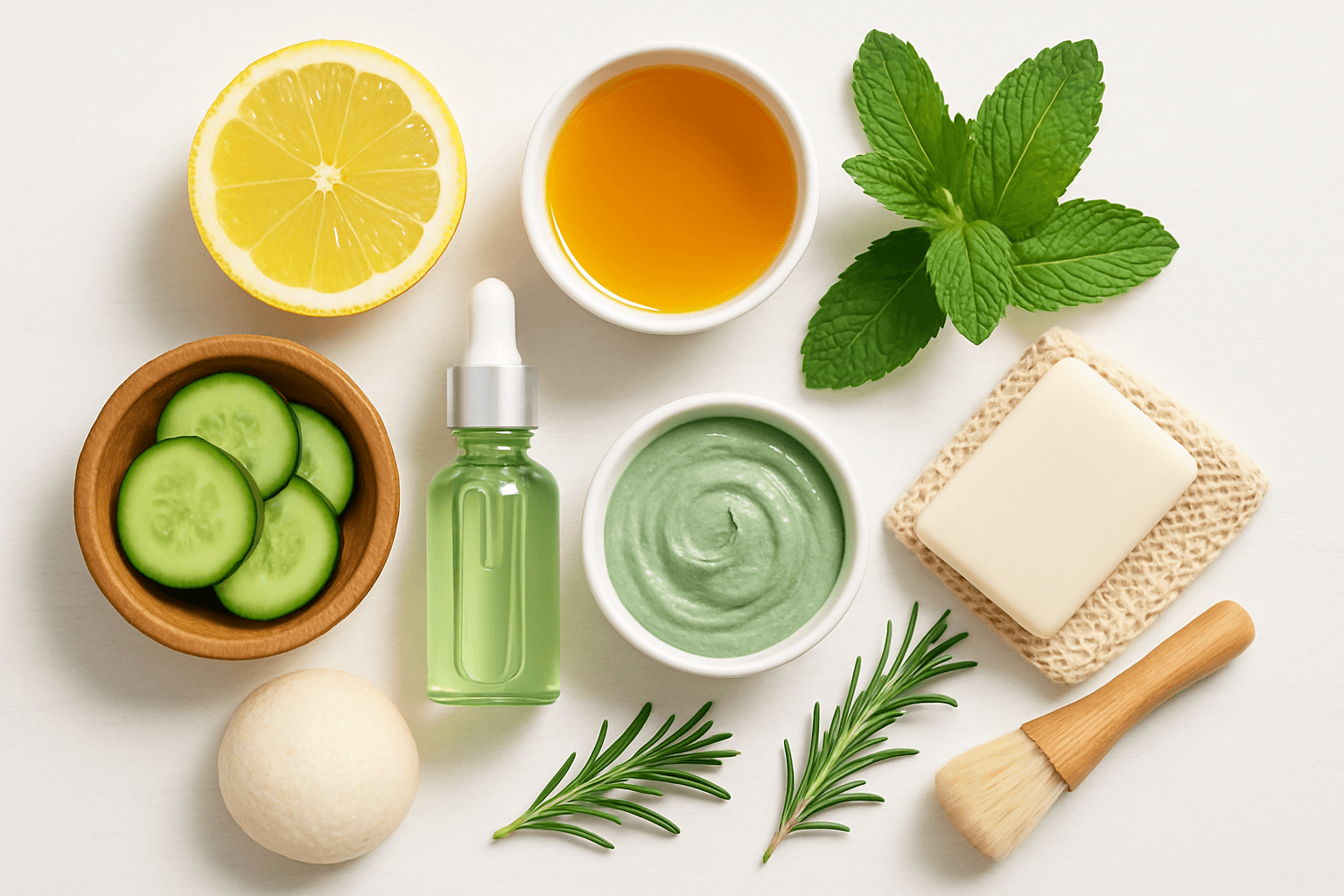
Safe Ingredients
- Moisturizing ingredients: Glycerin, hyaluronic acid, propanediol.
- Soothing ingredients: Centella Asiatica, betaine, panthenol.
- Mild surfactants: Amino acid-derived surfactants, cocoglucoside.
- Strengthening the skin barrier: Ceramides, cholesterol, fatty acids.
- Anti-inflammatory ingredients: Niacinamide, alpha-bisabolol.
Products that meet the low-irritation standards approved by the Ministry of Food and Drug Safety can be found on their official website. It is essential to develop the habit of checking the ingredient list even among products labeled specifically for sensitive skin.
Seasonal Care for Sensitive Skin
Winter (December to February) Gentle Cleansing
Winter is a time when humidity drops below 30%, leading to a rapid loss of moisture in the skin. During this period:
- Increase the amount of oil cleanser used by 20% compared to usual.
- Provide moisture with toner and cream within 3 minutes after cleansing.
- It is possible to reduce the frequency of cleansing to 2-3 times a week.
Spring (March to May) Gentle Cleansing
The yellow dust and pollen of spring can irritate sensitive skin, so:
- Cleanse immediately after returning home.
- Thoroughly cleanse with a gentle cleanser.
- Add antioxidant ingredients (vitamin E, polyphenols) to moisturizing products.
Summer (June to August) Gentle Cleansing
Management in high temperatures and humidity:
- Choose water-based cleansers or gel types instead of oil cleansers.
- Cleanse twice a day in the morning and evening to remove sebum.
- When using sunscreen, a gentle remover is essential.
Autumn (September to November) Gentle Cleansing
Responding to rapid climate changes:
- Maintain summer cleansing methods until September.
- Gradually increase moisturizing from October.
- Change cleansing products according to temperature changes.
Common Mistakes to Avoid in Sensitive Skin Care
Many people inadvertently worsen their sensitive skin with well-intentioned care methods:
- Excessive cleansing: Cleansing more than three times a day can further damage the skin barrier.
- Strong massages: The goal is gentle contact, not deep massage.
- Using hot water: Water above 45℃ can cause skin damage.
- Using multiple products simultaneously: Introduce new products one at a time with a two-week interval.
- Indiscriminate use of low-cost products: Prioritize checking the ingredient list over price.
- Overtrusting direct sales products: Always check the ingredients rather than relying solely on sales recommendations.
Important Advice: If you experience increased itching, redness, or tingling within three days of using a new cleansing product, stop using it immediately and consult a dermatologist. This is likely a skin irritation response.
Expert-Recommended Cleansing Routine for Sensitive Skin
The Korean Dermatological Association recommends the following cleansing routine for sensitive skin:
Evening Cleansing (When Wearing Makeup)
- Step 1: Gently massage with a low-irritation oil cleanser for 1-2 minutes.
- Step 2: Rinse thoroughly with lukewarm water.
- Step 3: Cleanse for 10-15 seconds with a low-irritation mildly acidic cleanser.
- Step 4: Rinse 15-20 times with lukewarm water.
- Step 5: Pat dry with a towel to remove moisture.
- Step 6: Apply toner → essence → cream within 3 minutes.
Morning Cleansing (Light Cleansing)
- Step 1: Lightly rinse with lukewarm water or use a low-irritation cleanser.
- Step 2: Rinse with lukewarm water.
- Step 3: Pat dry with a towel.
- Step 4: Apply essence → cream → sunscreen.
By consistently following this routine, you can expect improvements in skin condition within approximately 6 weeks. According to data from the Health Insurance Review and Assessment Service of Korea, the need for medical consultations related to skin issues decreases by about 35% with proper cleansing habits alone.
Conclusion
The key to managing sensitive skin is not expensive products, but the right methods. The three principles of gentle cleansing are as follows:
First, the correct order: Oil cleanser → mildly acidic cleanser → thorough rinsing → prompt moisturizing.
Second, choose gentle products: Avoid ingredients to be wary of in the ingredient list and select products rich in moisturizing and soothing ingredients.
Third, consistent practice: Adjust flexibly according to seasonal changes, but always maintain the basic principles.
Sensitive skin is not a condition to be treated but one to be managed. By creating a non-irritating environment and consistently practicing gentle cleansing to strengthen the skin barrier, you can experience noticeable improvements within 6 weeks to 3 months. The skin is the largest and most sensitive organ in our body. A little attention and care can lead to healthy and beautiful skin. Start protecting your skin barrier with proper gentle cleansing today.