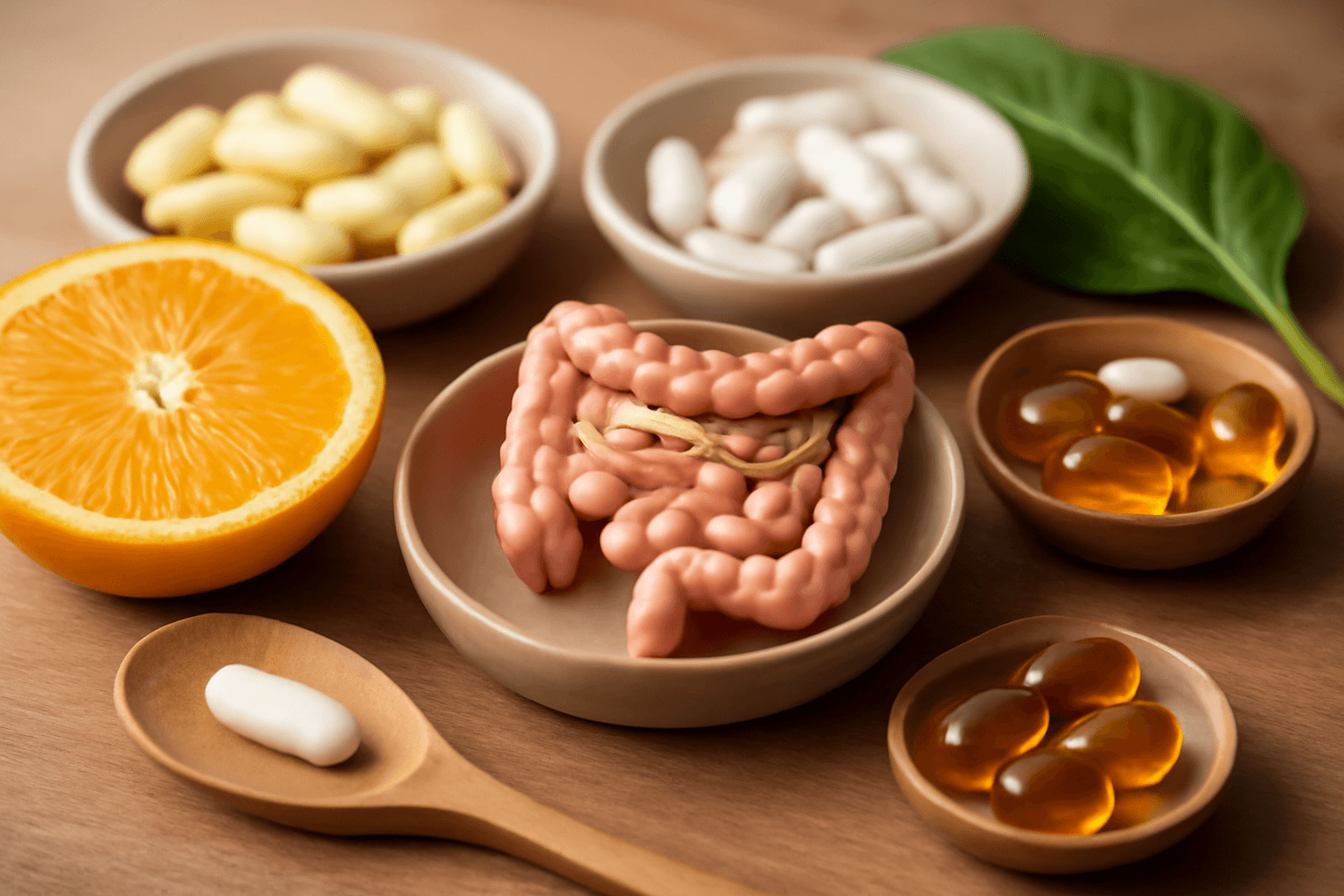
Gut health and immune function are deeply interconnected. Approximately 70% of our immune system is concentrated in the gut, and the balance of gut microbiota has a direct impact on your body's overall defense system. This article will present specific methods to enhance gut health and strengthen your immune system through essential nutrients like collagen, probiotics, zinc, omega-3, vitamin C, and magnesium, as well as practical lifestyle habit improvements.
Gut Health: Critical for Immune System Health
The gut is more than just a digestive organ. The intestinal lining is home to over one trillion microorganisms, which serve as your body's first line of defense. Beneficial gut bacteria prevent pathogenic microorganisms from invading, promote the development of immune cells, and regulate inflammatory responses.
The gut mucosa layer is only about 0.1mm thick, yet a significant portion of your body's immune response occurs here. The epithelial cells in the intestinal lining are connected by structures called "tight junctions" that block harmful substances from entering. When this barrier is damaged, "leaky gut syndrome" develops, increasing inflammation and reducing immune function.
Probiotics directly improve gut health. Beneficial bacteria found in fermented foods like kimchi, yogurt, and miso lower the gut pH to inhibit harmful bacteria growth and promote the production of short-chain fatty acids (butyrate), maintaining the health of intestinal epithelial cells.
Maintaining Healthy Collagen Levels
Collagen is the most abundant protein in all connective tissues of the human body and is essential for maintaining intestinal mucosal integrity. When there is sufficient collagen in the intestinal lining, the gut barrier is strengthened, but when it's deficient, intestinal permeability increases and immune responses become hyperactive.
To increase collagen intake, consuming bone broth is effective. Bone broth must be simmered for at least 12-24 hours to extract abundant collagen and amino acids like glycine and glutamine. Additionally, vitamin C is an essential nutrient for collagen synthesis, with a daily intake of 75-90mg recommended. You can easily obtain it from oranges, bell peppers, and kiwis.
Magnesium also plays an important role. Magnesium regulates the peristaltic movement of intestinal muscles and alleviates stress responses in the nervous system. The recommended daily intake for adults is 400-420mg for men and 310-320mg for women. It is abundant in nuts, leafy green vegetables, and seeds.
Using Healthy Alternatives to Satisfy Sugar Cravings
Excessive sugar intake promotes the growth of harmful gut bacteria and increases inflammation, weakening immune function. According to research from the American Heart Association, consuming more than 25-36g of added sugar daily significantly increases the risk of inflammatory diseases.
To reduce sugar cravings, you should increase protein intake. Protein maintains satiety longer and moderates blood sugar spikes. Consume adequate protein from eggs, fish, and legumes. Additionally, zinc-rich foods can help. Zinc regulates taste receptors to decrease cravings for sweet foods while being essential for immune cell activation. It's good to consume 8-11mg of zinc daily from oysters, beef, and pumpkin seeds.
Instead, you can use fruits with natural sweetness or low-calorie sweeteners like stevia and erythritol. Berries in particular are rich in antioxidants and effective for boosting immunity.
Apple and Pear Stew Recipe
Main ingredients: 2 apples, 2 pears, 1 teaspoon cinnamon, 1/2 teaspoon ginger, 2-3 cloves, 1 cup water
Preparation method:
- Dice the apples and pears and prepare them
- Add water to a pot and bring ginger and cloves to a boil first
- Add the fruit and simmer over medium-low heat for 15-20 minutes
- Finish by sprinkling cinnamon on top
Health benefits: This recipe is rich in dietary fiber, making it a prebiotic food that serves as nourishment for beneficial gut bacteria. Pectin in apples lowers intestinal pH to inhibit harmful bacteria growth, while pears are rich in digestive-promoting compounds. Ginger and cloves protect gut health through anti-inflammatory action, and cinnamon helps regulate blood sugar. You can consume it cooled as a tea or served over yogurt.
Returning to a Regular Routine
Gut health and immune function are deeply connected to lifestyle habits. Irregular sleep disrupts the circadian rhythm of gut microbiota, and sleeping less than 7 hours reduces immune function by more than 30%. Simply sleeping and waking at the same time every day increases gut microbial diversity.
Regular meal times are also important. Eating at consistent times regularizes intestinal peristalsis, improving digestive efficiency. Skipping breakfast in particular disrupts gut microbial balance.
Stress management is essential. Chronic stress leads to increased cortisol levels, raising intestinal permeability and promoting inflammation. Set aside 20-30 minutes daily for stress relief through activities like meditation, yoga, and walking. Additionally, omega-3 fatty acids are effective for stabilizing the nervous system. It's recommended to consume 1.1-1.6g of omega-3 daily from salmon, mackerel, and flaxseed.
Enhancing Immune Health with Elderberry
Elderberry has been used in European traditional medicine to boost immunity. Recent research confirms that anthocyanins and phenolic acids found in elderberry increase resistance to viral infections.
Elderberry extract has been shown to reduce the severity of influenza symptoms and shorten recovery time. In one study, the group that consumed elderberry at the onset of illness experienced an average 4-day reduction in symptom duration. Additionally, elderberry contains prebiotic components that promote the proliferation of beneficial gut bacteria.
How to make elderberry syrup at home: Add 1/2 cup of dried elderberries to 2 cups of water and simmer over low heat for 45 minutes, then mix with 1/4 cup of honey and store in the refrigerator. Consume 1-2 tablespoons daily. However, if you are pregnant or taking certain medications, consult a healthcare professional before consumption.
Summary
Key points for enhancing gut health to improve immunity:
- Probiotics and prebiotics: Maintain gut microbial balance through fermented foods and fiber-rich foods
- Protein and micronutrients: Consume 50-60g daily protein, 8-11mg zinc, and 310-420mg magnesium
- Collagen and vitamin C: Strengthen intestinal barrier integrity with bone broth and fresh fruits
- Reduce sugar: Limit excessive sugar as it promotes harmful bacteria growth
- Lifestyle habits: Regular sleep (7+ hours), consistent meal times, stress management
- Omega-3 and elderberry: Effective for reducing inflammation and enhancing immunity
Medical notice: Before beginning dietary changes to improve gut health, especially if you have chronic digestive or immune disorders, consult with a healthcare professional. Probiotic supplements can cause adverse effects in people with weakened immune systems and should be used under professional guidance.