Boron is a trace mineral involved in bone health, hormone balance, and cognitive function improvement. It plays an essential role in helping your body effectively absorb and utilize calcium, magnesium, and vitamin D, and shows notable effects in preventing osteoporosis, particularly in postmenopausal women. This article comprehensively covers the scientific benefits of boron supplements, appropriate dosage, natural sources, and side effects to help you make informed decisions.
Boron Basics
Boron is an essential trace mineral naturally found in plant-based foods and plays an important role in strengthening bones and connective tissues in the human body. According to the National Institutes of Health (NIH), there is no established recommended daily allowance for boron in adults, but the safe upper intake level is set at 20mg per day. In maintaining your body's bone mineral density, boron works together with magnesium, calcium, and vitamin D, and helps increase the absorption rate of these nutrients.
While boron deficiency is rare, it can occur due to soil deficiency in certain regions or extremely restrictive diets. Postmenopausal women and older adults face higher risks of bone loss from insufficient boron intake, so adequate intake is recommended. Boron also supports hormone balance by contributing to the maintenance of normal levels of testosterone, the male hormone, and estrogen, the female hormone.
Benefits of Boron Supplements
Strengthening bone health is the most important benefit of boron supplements. According to a study published in the journal Nutritional Reviews in 2015, supplementing with 3mg of boron per day increased bone mineral density in postmenopausal women by up to 3%, a clinically significant figure for osteoporosis prevention. Boron helps calcium and magnesium become fixed in bones, improving bone density and reducing fracture risk.
Hormone balance regulation is also a notable benefit. Multiple studies showed that boron supplements increased estrogen levels in postmenopausal women by 17-19%, while simultaneously maintaining stable testosterone levels. This helps alleviate menopausal symptoms and prevent hormone-related bone density loss.
Improved cognitive function is another key benefit. Boron supports the production of neurotransmitters necessary for brain activity and contributes to improved concentration, attention, and short-term memory. A 2013 study reported that participants in a boron-deficient state showed improvements in reaction time and working memory ability after boron supplementation.
Additionally, boron affects joint health maintenance. In a study of arthritis patients, boron supplementation of 6mg per day for six weeks resulted in reduced joint swelling and pain, suggesting that boron has anti-inflammatory properties. Furthermore, boron can support improvements in the gut microbiota environment, similar to prebiotics, and help maximize the effects of probiotics.
Uses of Boron
Boron supplements are most widely used for preventing and treating osteoporosis as a supplement. They are recommended for postmenopausal women at risk of decreased bone density, older adults, and patients taking long-term steroid medications. Healthcare professionals often recommend using boron supplements together with calcium, vitamin D, and magnesium, and this multi-nutrient combination has a synergistic effect on bone health improvement.
Relief from hormone imbalance is a major concern for postmenopausal women. Women experiencing menopausal symptoms such as hot flashes, night sweats, and mood changes use boron supplements as an alternative or complementary method to hormone therapy. Cases have been reported where these symptoms improve within 4-6 weeks with daily boron supplementation of 3-6mg.
Athletes and active populations are also key users of boron. Boron contributes to increased strength and muscle mass and promotes post-exercise recovery, particularly useful for those performing resistance training. When taken together with B vitamins, energy production and muscle protein synthesis become more efficient.
Adjunctive treatment for arthritis and connective tissue diseases is also an important application. Patients with rheumatoid arthritis or osteoarthritis, in particular, use boron supplements to reduce joint inflammation, delay cartilage degeneration, and prevent further deterioration. Animal studies have shown that boron promotes the production of cartilage-protective proteins.
Side Effects of Boron Supplements
While boron is generally a safe mineral, toxicity can occur with excessive intake. Long-term intake exceeding 20mg per day can cause digestive symptoms including nausea, vomiting, diarrhea, and abdominal cramps. Exposure to extremely high doses (100mg or more daily) has been reported to cause serious side effects including nervous system toxicity, reduced fertility, and fetal developmental abnormalities.
Interactions with specific medications should also be considered. Boron can affect the absorption and effectiveness of bisphosphonate osteoporosis medications, hormone therapies, and certain antibiotics. Additionally, patients with kidney disease may experience difficulty excreting boron, leading to bodily accumulation, so supplementation should only occur under medical supervision.
High-dose intake during pregnancy should be avoided. Daily boron intake of 20mg or more can increase the risk of fetal neural tube defects, and women who are breastfeeding should also avoid using high-dose supplements. Boron is secreted in breast milk and can be transferred to newborns.
Allergic reactions are rare but possible. Sensitivity to additives or binding agents included in boron supplements can cause symptoms such as hives, itching, and shortness of breath. If these symptoms occur, immediately discontinue use and consult with a healthcare professional.
Natural Sources of Boron
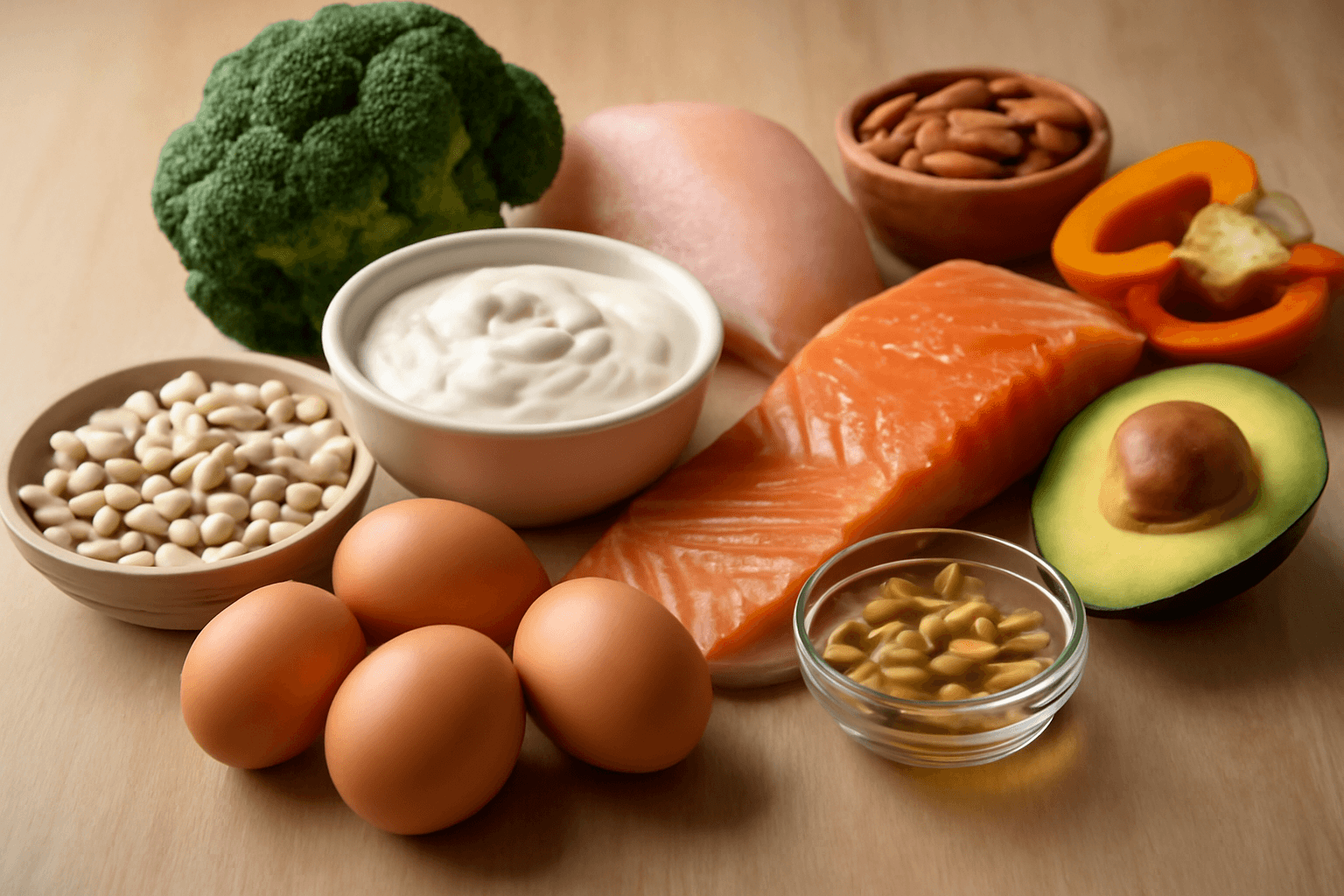
Boron is abundant in plant-based foods, with fruits and vegetables being primary sources. Raisins and prunes contain 2-3mg of boron per 100g, making them highly efficient sources, while apples, pears, and peaches also provide significant amounts of boron. Kiwis, grapes, and bananas are good choices, and among berries, blackberries and blueberries boast relatively high boron content.
Leafy greens and cruciferous vegetables are also important boron sources. Kale, spinach, broccoli, and cabbage contain 0.5-1.5mg of boron per 100g in fresh form. These vegetables are also rich in calcium and magnesium, forming a perfect combination with boron for bone health. Kale in particular is rich in vitamin K, which additionally helps activate bone proteins.
Nuts, seeds, and legumes provide both protein and boron simultaneously. Almonds, walnuts, and sunflower seeds contain 1-2mg of boron per 100g, and lentils and black beans are also excellent sources. These foods are also rich in magnesium and zinc, offering high overall nutritional value. Tahini (sesame butter) is also worth recommending, providing approximately 0.7mg of boron per 2 tablespoons (32g).
Grains are also sources not to be overlooked. Oats, barley, and whole wheat flour contain 1-2mg of boron per 100g, and regular consumption of these can naturally meet your daily boron needs. However, you should consider that boron content in foods can vary greatly depending on boron content in the soil. Foods grown in geologically boron-rich regions boast higher boron content.
Should You Take Boron Supplements?
Determining whether diet alone is sufficient is the first step. People who regularly consume fruits, vegetables, and nuts naturally consume about 1-3mg of boron daily, which is sufficient to meet current recommendations. Vegetarians and vegans, consuming more plant-based foods, have very low risk of boron deficiency. Therefore, additional supplements may not be necessary for healthy adults maintaining a typical diet.
However, supplements are recommended in certain situations. If you are a postmenopausal woman experiencing bone loss due to hormone decline or have already been diagnosed with osteoporosis, a daily boron supplement of 3mg may be beneficial after consulting with your doctor. The same applies to older adults with a history of fractures or those showing low readings on bone density tests. People suffering from arthritis may also consider using supplements to reduce inflammation and improve joint health.
Athletes and those living active lifestyles may find that boron supplements support increased strength and improved athletic performance. When taken together with protein, B vitamins, and magnesium, muscle development and recovery are optimized. However, professional athletes should check international sports regulations for boron-restricted substances.
Considerations when selecting supplements are as follows. Choose products from reputable manufacturers and verify that they have third-party certifications (NSF, USP, ConsumerLab, etc.). Ensure that the daily dose does not exceed 3-6mg and review potential interactions with other mineral supplements. Consult with a healthcare professional before beginning supplementation. This is especially important if you have existing conditions or are taking medications.
Summary
Boron is a trace mineral important for bone health, hormone balance, and cognitive function. Key benefits include increased bone density for osteoporosis prevention, menopausal symptom relief, reduced joint inflammation, and improved athletic performance.
Natural sources provide sufficient boron through fruits, vegetables, nuts, and grains. Raisins, prunes, almonds, broccoli, and spinach are excellent sources.
Supplements are recommended only in specific situations. Primary candidates include postmenopausal women, osteoporosis patients, arthritis patients, and active athletes.
Safe intake is in the range of 3-6mg daily, and caution should be taken not to exceed 20mg. If pregnant or having kidney disease, avoid high-dose intake.
Always consult with a healthcare professional before taking supplements to determine appropriate dosage and form suited to your individual health status. By considering combinations with other nutrients such as calcium, magnesium, vitamin D, and prebiotics, you can achieve maximum health benefits.