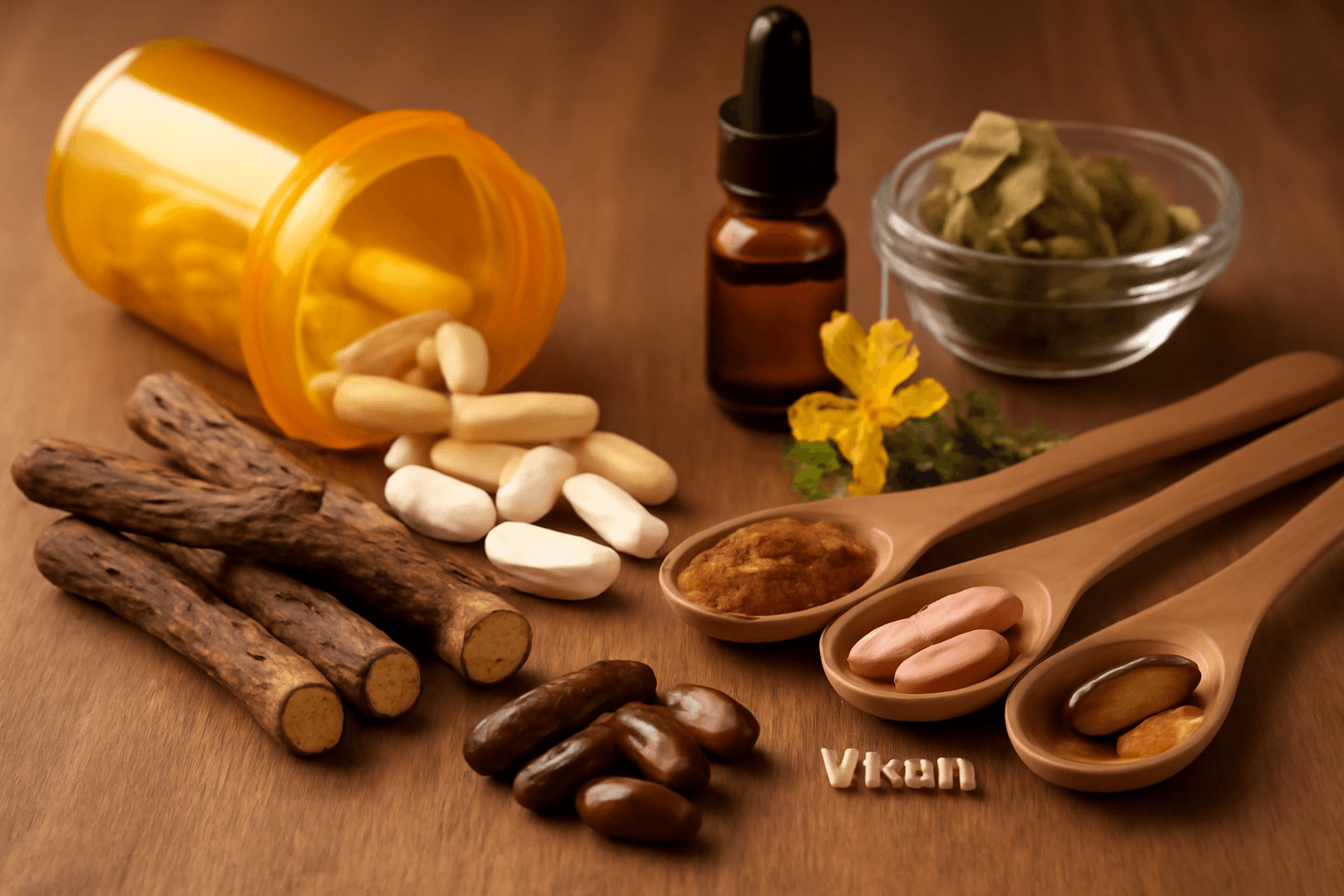
Many people take herbs and natural supplements for health management. However, it's often overlooked that these herbs can cause serious side effects when they interact with prescription medications. Even herbs commonly known to be safe—such as licorice root, St. John's Wort, ginkgo biloba, and senna—can diminish drug efficacy or increase toxicity when taken alongside certain medications. In this post, we'll examine specific herbs that conflict with major prescription drugs and provide safe usage guidelines.
1. Licorice Root and Heart Medications
Licorice is an herb that has been used in traditional medicine for thousands of years, known for aiding digestion and boosting immunity. However, the glycyrrhizin compound found in licorice lowers potassium levels in the body and increases sodium. Taking more than 2-3 grams of licorice daily for three or more weeks can raise blood pressure, which conflicts with hypertension medications.
Patients taking digoxin, used to treat cardiac arrhythmias, require particular caution. When licorice lowers potassium levels, digoxin toxicity can increase, potentially causing cardiac toxicity. For patients taking ACE inhibitors or potassium-sparing diuretics, the electrolyte imbalance caused by licorice can lead to serious hyperkalemia.
- Recommendation: If taking heart-related medications, consult a doctor before using licorice-containing products (licorice candy, tea, supplements)
- If licorice must be used, choose products containing 100mg or less of glycyrrhizin daily
- Monitor blood pressure and electrolyte levels regularly
2. St. John's Wort and Antidepressants
St. John's Wort is an effective natural herb for mild depression relief and is prescribed at levels comparable to antidepressants in Europe. However, this herb causes potent drug interactions. The active compounds hyperforin and hypericin in St. John's Wort activate cytochrome P450 enzymes in the liver (particularly CYP3A4).
When taken with SSRI-class antidepressants such as sertraline, paroxetine, and fluoxetine, there is risk of serotonin syndrome. This causes serious neurological symptoms (excessive agitation, muscle rigidity, fever). Additionally, St. John's Wort reduces blood levels of oral contraceptives, anticoagulants (warfarin), and immunosuppressants, significantly reducing their effectiveness.
- Contraindication: Do not take St. John's Wort simultaneously with SSRIs, SNRIs, or MAO inhibitors
- If using hormonal contraceptives, add alternative contraceptive methods
- Patients taking anticoagulants like warfarin cannot use this herb
- Allow a minimum 2-week washout period when switching from St. John's Wort to other medications
3. Ginkgo Biloba and Aspirin
Ginkgo biloba is widely recognized for improving cerebral blood flow and enhancing cognitive function. It is particularly used extensively in elderly populations for memory improvement. However, ginkgolide and bilobalide compounds found in ginkgo extract inhibit platelet aggregation, demonstrating anticoagulant effects.
When taken with anticoagulants or antiplatelet agents such as aspirin, warfarin, and clopidogrel, bleeding risk increases significantly. Medical literature documents serious cases of intracranial hemorrhage resulting from ginkgo and warfarin combination therapy. These risks are particularly elevated in elderly patients or those with impaired kidney function.
- Combinations to avoid: Aspirin, warfarin, heparin, and clopidogrel
- Consult a doctor before using ginkgo if taking anticoagulation medications
- If concurrent use is unavoidable, monitor PT/INR levels at least monthly
- Seek emergency care immediately if experiencing trauma or bleeding symptoms (black stools, hematuria)
4. Natural Laxatives: Senna and Cascara
Senna and cascara are herbs long used as natural laxatives for treating constipation. The anthraquinone compounds in these plants stimulate intestinal peristalsis to promote bowel movements. However, these compounds exert potent osmotic effects, drawing large amounts of water and electrolytes into the intestinal lumen.
Prolonged use of senna or cascara causes severe depletion of essential electrolytes such as potassium, magnesium, and sodium. This is particularly dangerous for patients taking cardiac glycosides (digoxin), diuretics, or steroids. Hypokalemia can cause cardiac arrhythmias, muscle weakness, and renal dysfunction. Additionally, long-term senna use can cause cathartic colon, permanently damaging normal colonic function.
- Duration of use: Limit to one week maximum; avoid long-term use
- If taking cardiac or diuretic medications, perform electrolyte testing before use
- For constipation relief, first try increasing dietary fiber, hydration, and exercise
- For chronic constipation, seek doctor's diagnosis and use refined laxatives or probiotics
5. Central Nervous System Sedating Herbs
Sedating herbs such as valerian root, passionflower, and kava are used to treat anxiety and sleep disorders. While relatively safe individually, when taken with benzodiazepines (diazepam, lorazepam), barbiturates, or sedating antihistamines, central nervous system depression becomes excessively amplified.
Combining valerian with alprazolam (Xanax) can cause excessive drowsiness, mental dullness, and motor coordination impairment, making driving or machinery operation hazardous. Kava can cause hepatotoxicity, making it contraindicated in patients with liver disease or those taking hepatotoxic medications (acetaminophen, statins). Passionflower can worsen sleep apnea when combined with other sedatives.
- If taking benzodiazepines, obtain doctor's approval before using sedating herbs
- If concurrent use is necessary, reduce daily dosing to half or less of normal amounts
- Use kava only after liver function testing (ALT, AST)
- Avoid driving or high-risk tasks for at least 8 hours after taking sedating herbs
6. Hepatotoxic Herbs
Several herbs including red ginseng, black cohosh, schisandra, and kava can cause hepatocyte damage during metabolism in the liver. This is particularly high-risk for patients already taking hepatotoxic medications. If taking acetaminophen (paracetamol), statins, antituberculous drugs (isoniazid), or anticancer agents, these herbs can rapidly worsen liver damage.
Red ginseng has blood glucose-lowering effects and can enhance the effects of diabetes medications (metformin, insulin), potentially causing hypoglycemia. Black cohosh is used for menopausal symptom relief but has been reported to cause acute hepatotoxicity in hepatitis patients. Long-term use of these herbs without knowing liver health status can progress from elevated liver enzymes (ALT, AST) and jaundice to acute liver failure in severe cases.
- Essential testing: Perform liver function tests (AST, ALT, ALP, bilirubin) before herb use
- Avoid these herbs if taking hepatotoxic medications
- Patients with chronic liver disease (cirrhosis, chronic hepatitis B) must avoid all unproven herbs
- Seek immediate medical care if experiencing fatigue, right upper abdominal pain, or jaundice (skin/eye discoloration) during herb use
- Patients taking diabetes medications while using red ginseng should monitor blood glucose more frequently
Summary
Natural herbs are not necessarily safe. Licorice root, St. John's Wort, ginkgo biloba, senna, sedating herbs, and hepatotoxic herbs can all cause serious adverse effects when they interact with specific medications. The most important principle is that if you are taking prescription medications, you must consult a doctor or pharmacist before starting any new herbs or supplements.
Extra caution is warranted in the following situations:
- Taking cardiac medications, anticoagulants, or antidepressants
- Having chronic liver or kidney disease
- Taking hormones or immunosuppressants
- Age 65 and older
- Taking multiple medications simultaneously (polypharmacy)
All pharmacies and healthcare institutions review patients' complete lists of medications and supplements. Honest and complete information disclosure is the most effective way to prevent serious complications from drug interactions. The choice of natural products for a healthy lifestyle should be made under professional guidance.