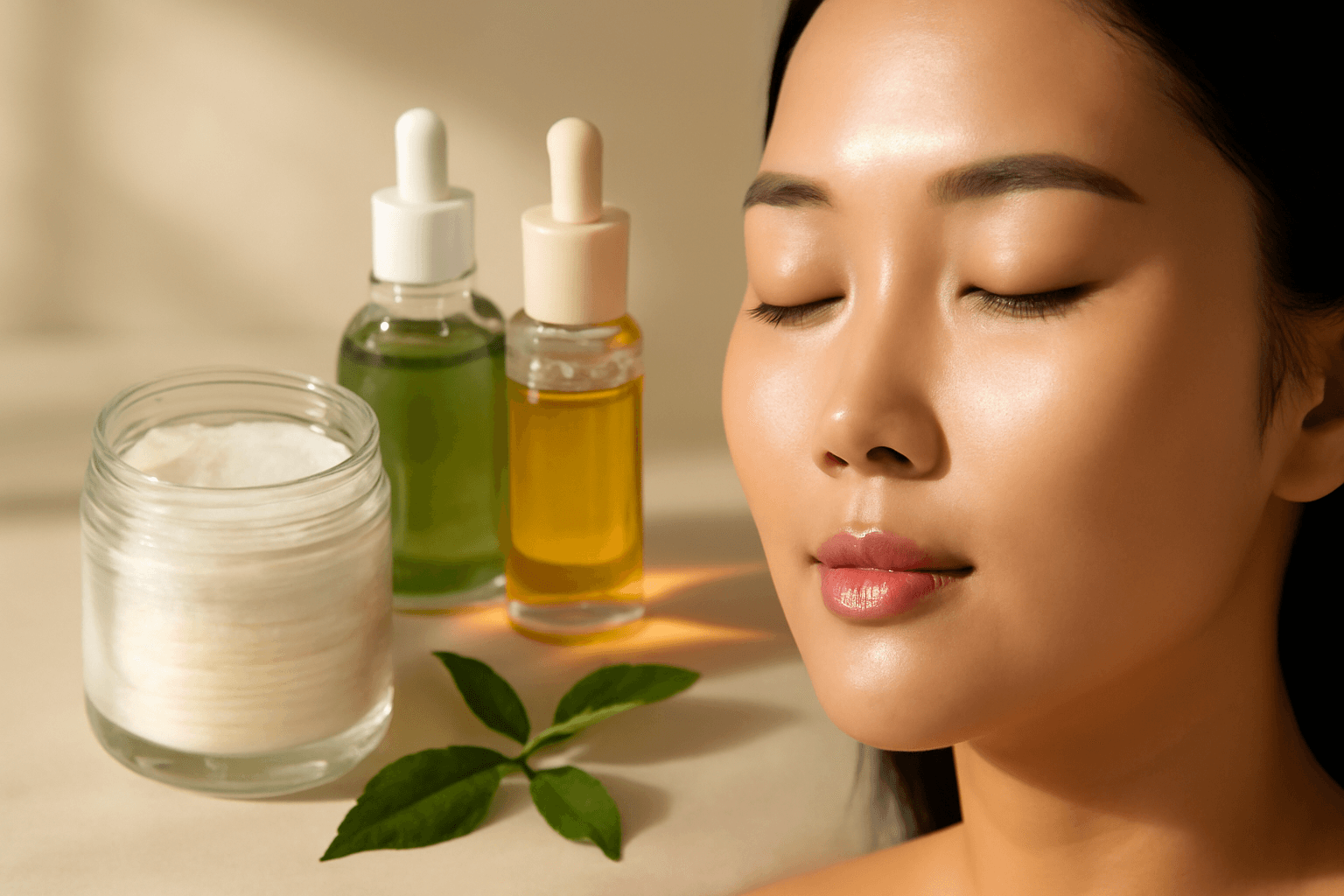
Glass skin is a beauty trend that showcases transparent and smooth skin texture, referring to a skin condition that reflects light like glass. To create this type of skin, a step-by-step, science-based skincare routine is essential. From moisture packs to exfoliating toners, serums, and finishing creams, the correct product selection and usage method is important at each stage. In particular, active ingredients such as green tea and niacinamide, as well as sun protection, are key to achieving glass skin.
Building a Foundation with Moisture Pads
Moisture pads serve as the first step in a glass skin routine, providing immediate hydration to the skin. Pad-type products contain a higher concentration of active ingredients than liquid toners, and generally maintain a moisture content of 60-70%. In particular, moisture pads containing green tea extract have a strong antioxidant effect that suppresses skin inflammation and brightens skin tone.
Green tea is rich in catechin components, which are approximately 40% more effective at eliminating free radicals in the skin compared to products without green tea extract. When using moisture pads, it's important to apply them morning and evening after cleansing by saturating a cotton pad and gently tapping the entire face to absorb the product.
Usage Tip: Using moisture pads stored in the refrigerator can constrict skin blood vessels to quickly reduce puffiness and brighten skin tone. However, if you have sensitive skin, it's better to use them at room temperature.
When using moisture pads, avoid excessive rubbing, and especially for the delicate eye area, use a light tapping method. Using them 3-4 times a week is sufficient, and daily use may cause skin irritation.
The Accurate Role of Exfoliating Toners
Exfoliating toner is a product that removes dead skin cells through chemical exfoliation and smooths the skin surface. For glass skin, chemical exfoliating toners are recommended over physical scrubs, as they are less irritating while being more effective. Typically, AHA (alpha hydroxy acids) and BHA (beta hydroxy acids) are the main ingredients used.
AHA in the form of glycolic acid or lactic acid dissolves the dead cell layer on the skin's surface, while BHA in the form of salicylic acid penetrates deep into pores to remove sebum and dead skin cells. According to research, consistent use of a BHA-containing toner for 4 weeks resulted in a 23% improvement in skin texture smoothness.
- AHA Toner: Suitable for dry and sensitive skin, use 2-3 times per week
- BHA Toner: Suitable for oily and acne-prone skin, use 3-4 times per week
- Combination AHA/BHA: Suitable for normal skin, use 2 times per week
The most important rule when using exfoliating toner is gradual application. For the first 2 weeks, use once a week, then increase to twice a week after 2 weeks to allow your skin to adapt. Abrupt use can cause skin irritation, dryness, and peeling.
Medical Caution: If you have sensitive skin, eczema, or rosacea, consult a dermatologist before using exfoliating toner. Additionally, avoid simultaneous use with vitamin A products.
Strengthening Skin with Serum
Serum is a concentrated essence containing high concentrations of active ingredients and is key to completing glass skin. The molecular structure of serum is smaller than moisturizing cream, allowing it to penetrate deep into the skin, boasting a concentration 30-50 times higher than regular toners. Serums containing niacinamide (vitamin B3) are particularly effective for achieving glass skin.
Niacinamide provides various benefits including improved skin barrier, sebum control, improved hyperpigmentation, and pore reduction. In clinical research, subjects who used a serum containing 4% niacinamide for 8 weeks experienced an average 26% reduction in pore size and a 40% improvement in skin tone.
Effective Serum Ingredient Combinations:
- Niacinamide + Cuckoo Flower: Skin soothing and hydration, sensitivity relief
- Niacinamide + Hyaluronic Acid: Enhanced water retention, improved skin elasticity
- Vitamin C + Niacinamide: Antioxidant, improved skin tone, anti-inflammatory
The correct way to use serum is to prepare the skin with moisture pads and exfoliating toner, then dispense 3-4 drops onto your fingertips and gently tap to absorb. When applying other products over serum, wait about 30 seconds to allow it to absorb sufficiently.
Shopping Tip: Since serums contain ingredients that oxidize easily, choose products in dark containers and use within 6 months of opening. Refrigerated storage is recommended after opening.
Finishing with BB Cream and Moisturizers
The final step in completing glass skin is the harmonious use of appropriate moisturizer and BB cream. Moisturizers lock in the hydration from serum and protect the skin barrier, with key ingredients typically including glycerol, hyaluronic acid, and ceramides.
When selecting a moisturizer, consider your skin type. Dry skin benefits from rich creams, oily skin from gel-type creams, and combination skin from lightweight texture creams. Moisturizers containing niacinamide are recommended for all skin types as they regulate sebum production while providing hydration.
BB cream is the final finishing step of glass skin, serving to cover skin imperfections while adding a natural glow. High-quality BB creams include sun protection ingredients (SPF 30 or higher), making them effective for daytime UV protection.
BB Cream Selection Criteria:
- SPF 30 or higher sun protection index
- Color selection matching your skin tone (essential to test by applying on actual skin)
- Waterproof formula for all-day durability
- Balance between coverage and lightweight feel
A common important point when using cream and BB cream is using the appropriate amount. Apply a bean-sized amount of moisturizer and a pearl-sized amount of BB cream with your fingertips, spreading thinly across the entire face. Overuse can make skin feel heavy and clog pores.
Evening Care Tip: At night, use a night cream instead of BB cream, and since sun protection is not necessary, you can use a richer nourishing cream to support skin regeneration.
The Necessity of Sun Protection
The greatest threat that can nullify all efforts toward glass skin is sun exposure. UV rays are a major cause of skin aging, hyperpigmentation, and skin damage, making daily use of appropriate sunscreen essential. UV rays are divided into two types—UVA and UVB—and broad spectrum sunscreen blocks both.
For everyday indoor activities, use sunscreen with SPF 30 or higher, and for outdoor activities, SPF 50 or higher is recommended. Sunscreen should be applied generously to the entire face 15 minutes before going out to be effective, and reapplication every 2 hours is ideal.
Characteristics by Sunscreen Type:
- Chemical Sunscreen: Absorbs UV rays and converts to heat, lightweight texture, recommended for use under base products
- Physical Sunscreen: Reflects UV rays, suitable for sensitive skin, may leave white cast
- Hybrid: Combines both components, provides stable protection and lightweight feel
Medical Caution: If you have very sensitive skin or UV allergies, consult a dermatologist before using sunscreen to select a product suitable for your skin.
Summary: Key Points for Completing Glass Skin
Glass skin is not merely a beauty trend but represents the optimal state of skin health. To achieve this, remember the following key points:
- Moisture Pads: Products containing green tea to maximize antioxidant effects, use 3-4 times per week
- Exfoliating Toner: Chemical exfoliation with AHA/BHA ingredients to improve skin texture, gradual use to encourage skin adaptation
- Serum: Products containing niacinamide to strengthen skin barrier and reduce pores
- Moisturizer and BB Cream: Appropriate product selection by skin type for hydration and finishing
- Sun Protection: Daily use of products with SPF 30 or higher to protect all efforts
Maintaining a consistent routine is most important for completing glass skin. Results from products typically appear noticeably after 4-8 weeks of use, so avoid changing products too quickly. Additionally, since product effectiveness varies depending on individual skin conditions, stop use immediately and consult a professional if you experience no results or adverse reactions.