Protecting your skin from ultraviolet rays goes beyond preventing skin cancer—it also impacts immune function and hormonal balance. However, chemical ingredients found in conventional sunscreens can be absorbed into the bloodstream and cause hormonal disruption, while also threatening ecosystems through coral reef destruction. Choosing eco-friendly sunscreen is an important decision that affects not only personal health but also the survival of marine life. In this article, we'll provide specific criteria for selecting sunscreen that's safe for both the ocean and the human body, and explore the importance of related nutrient intake.
Choosing Ocean-Safe Sunscreen
According to research from the Oasis Coral Reef Protection Authority, approximately 6,000 to 14,000 tons of sunscreen enter the ocean annually. Among these, chemical UV filters like oxybenzone and octinoxate trigger coral bleaching. These ingredients penetrate coral cells, killing symbiotic algae and damaging the coral's DNA.
To choose ocean-friendly sunscreen, check the ingredient list for the following:
- Choose products containing Zinc Oxide and Titanium Dioxide: These two substances are mineral UV filters that reflect ultraviolet rays at the skin's surface without causing toxicity to marine life. Selecting products with SPF 30 or higher provides effective protection against both UVA and UVB rays.
- Avoid oxybenzone and octinoxate: These chemical ingredients are detected at depths of 20 meters or more and affect the hormonal systems of marine organisms.
- Check for 'Reef Safe' certification: Verify that the product meets standards established in various regions, including Hawaii and Palau in the United States.
Protecting coral reef ecosystems ultimately connects to human food security. Coral reefs are home to 25% of all marine life globally, and their collapse threatens fishing resources that millions of people depend on.
Sunscreen Ingredients Safe for Humans
A 2019 study by the EPA and NIH confirmed that chemical UV filters such as oxybenzone and avobenzone are absorbed through the skin into the bloodstream and act as endocrine-disrupting chemicals (EDCs). They can particularly affect women's menstrual cycles and reproductive hormones.
Benefits of mineral UV filters:
- Surface-level action: Because zinc oxide and titanium dioxide particles are large, they don't penetrate deep into the skin and only work at the epidermal layer. Recent research shows that when particle size is 100nm or larger, blood absorption is negligible (<0.1%).
- Hormonal safety: You can use these with confidence during hormone-sensitive menstrual cycles, with no risk of endocrine disruption.
- Broad-spectrum antioxidant effects: Zinc oxide not only blocks UV rays but also removes reactive oxygen species (ROS), providing dual protection against skin damage.
Chemical UV filters (like avobenzone and octocrylene) must be absorbed into the skin within 15-30 minutes after application to be effective. It's recommended to conduct a skin reaction test beforehand. If you have sensitive skin, eczema, or rosacea, start with mineral-based products.
Sunscreen Not Tested on Animals
Unnecessary animal testing is still widely conducted during the safety verification process for sunscreen products. According to a 2022 report from the International Fund for Animal Welfare (IFAW), approximately 30% of sunscreen products worldwide still undergo animal testing.
How to verify cruelty-free products:
- Check for 'Cruelty-Free' certification marks: Choose products approved by international certification organizations such as PETA (People for Ethical Treatment of Animals), Leaping Bunny, or Choose Cruelty-Free. These organizations strictly verify whether raw materials and finished products have been tested on animals.
- Clear manufacturer statements: Check the official website for an explicit statement such as "We do not test on animals." Avoid vague language.
- Research parent company information: Some brands claim to be cruelty-free, but their parent companies may conduct animal testing. For example, they may perform animal testing when entering the Chinese market, as required by local regulations.
Rejecting animal testing goes beyond ethical considerations—it's also a matter of scientific validity. Superior alternative methods already exist, such as 3D culture technology using human skin models and reconstructed human epidermis. Products using these methods are more trustworthy.
Fragrance-Free Products
Synthetic fragrances are a hidden threat in sunscreen. Many of the chemicals used as fragrances can cause skin irritation, allergic reactions, and hormonal disruption. In particular, products labeled only as "fragrance" don't require manufacturers to disclose all 3,000+ chemicals they contain, as they protect trade secrets.
Benefits of fragrance-free sunscreen:
- Hormonal health: Synthetic musk fragrances (such as diethyl phthalate) are endocrine-disrupting chemicals linked to irregular menstruation and changes in reproductive hormone levels. Fragrance-free products are especially recommended for women planning pregnancy.
- Immune system protection: One of the skin's immune responses is detecting external chemicals. Unnecessary fragrances can trigger excessive inflammatory responses in this process, damaging the skin barrier.
- Safety for sensitive skin: Fragrances are among the top allergens, with 26% of skin irritation reactions linked to fragrance ingredients.
Distinguish between 'Fragrance Free' and 'Unscented' on ingredient labels. 'Fragrance Free' means no fragrance is included at all, while 'Unscented' means fragrance is included but masked so you can't smell it. For a definitive choice, check the complete ingredient list in the EWG (Environmental Working Group) database.
Important Things to Remember
Sunscreen application amount and reapplication importance: For effective UV protection, 2mg of sunscreen per square centimeter of exposed skin is needed. Generally, about 0.5ml (1/4 teaspoon) for the entire face and 30ml (1 shot glass) for the entire body is the appropriate amount. Reapply every 2 hours or immediately after swimming.
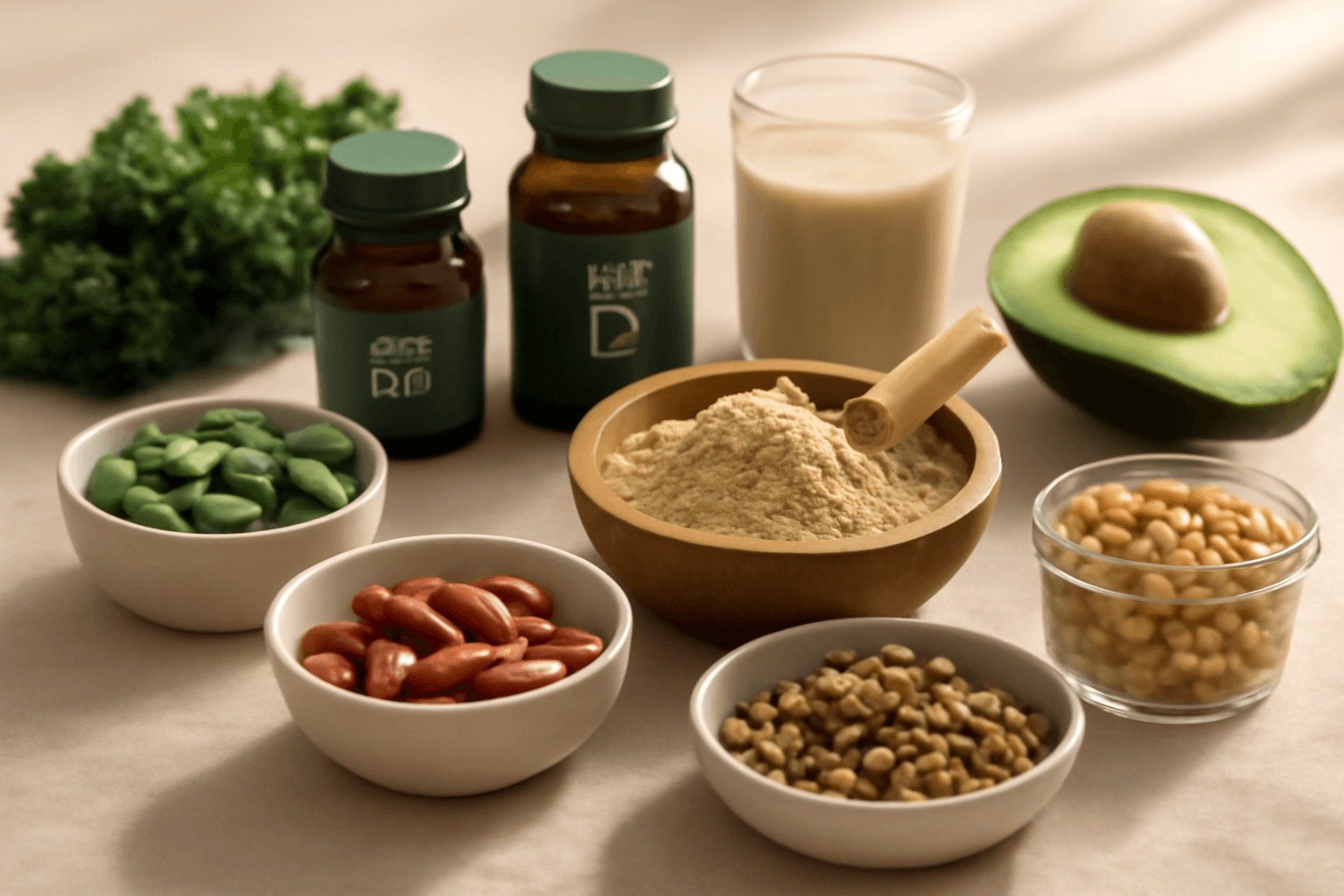
Complementary effects of oral nutrient intake: In addition to external UV protection, internal antioxidant defense is essential:
- Omega-3 fatty acids: Daily intake of 1,000-2,000mg of EPA/DHA reduces UV-induced skin inflammation by 40%. Salmon, mackerel, and flaxseed are rich sources.
- Vitamin D: UV avoidance can lead to vitamin D deficiency. Daily supplementation of 1,000-2,000 IU is recommended to maintain serum 25(OH)D levels between 30-50 ng/mL. This is essential for immune enhancement and bone health.
- Zinc and iron: Essential for immune system activation and skin wound healing. Women who menstruate need 8-18mg of iron daily to replenish iron loss after menstruation. The recommended amount of zinc is 8-11mg.
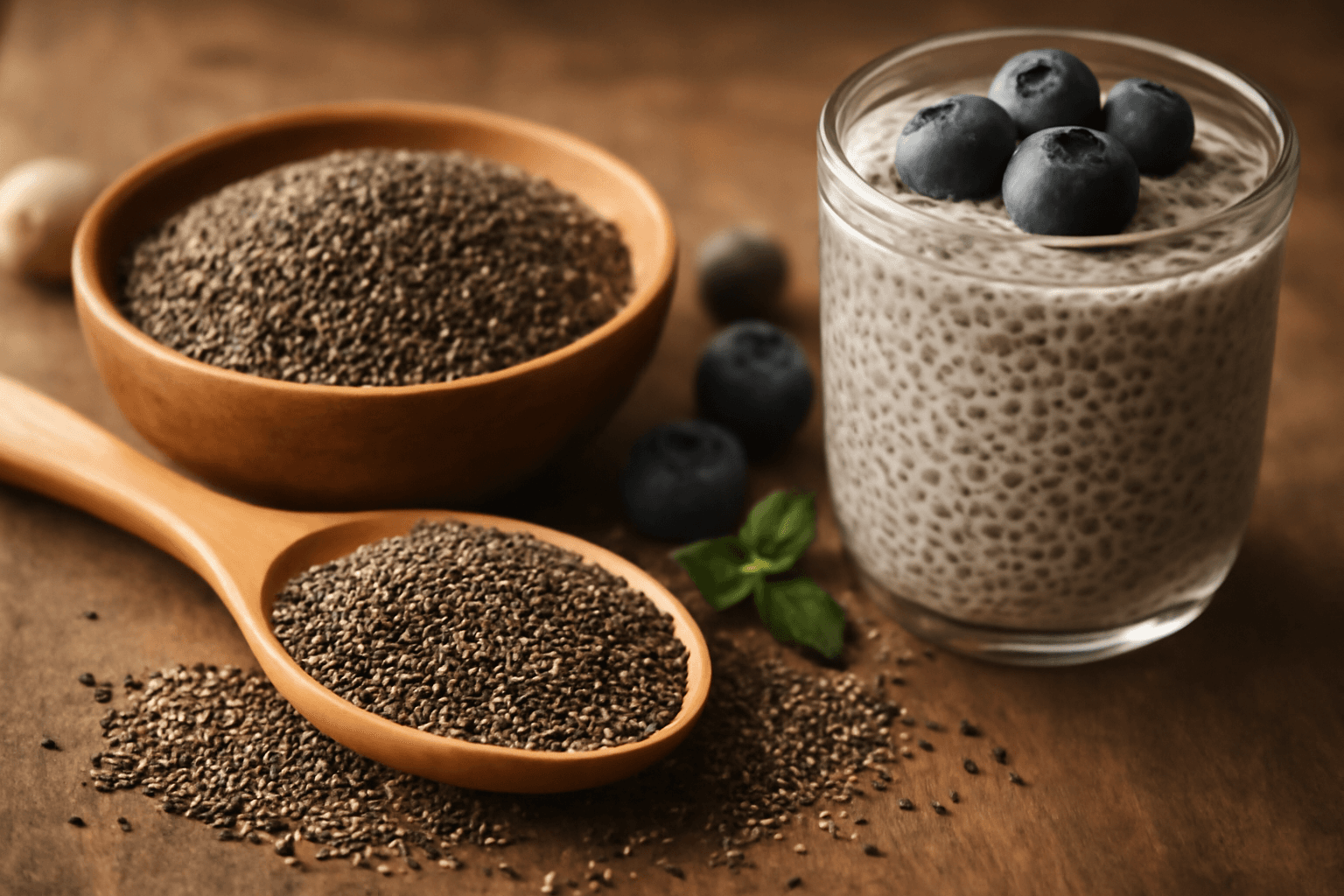
- Antioxidants: Green tea EGCG, grape resveratrol, and anthocyanins from berries protect cells from UV damage. Research shows that consuming 2 cups of green tea daily reduces skin damage from UV stress by 35%.
Consult a medical professional: If you have skin conditions, hormonal imbalances, immune disorders, or are pregnant, consult a dermatologist or endocrinologist before choosing sunscreen. Even mineral sunscreen can cause irritation from titanium dioxide particles in sensitive skin, so testing is necessary.
Check expiration dates: Sunscreen's UV protection is valid for 12 months after opening and 3 years when unopened. Do not use products that have expired or changed color.
Summary
The key to choosing eco-friendly sunscreen comes down to three things: First, protect both marine ecosystems and personal hormonal health by using mineral-based products containing zinc oxide or titanium dioxide. Second, practice ethical consumption by verifying Reef Safe and Cruelty-Free certifications. Third, choose fragrance-free products and apply sufficient amounts regularly, while strengthening internal defense by supplementing oral antioxidant nutrients (omega-3, vitamin D, zinc, and iron). This is not merely a cosmetic choice—it's a responsible decision that protects both personal health and planetary health.