Scalp itching and dandruff are common skin conditions that go beyond mere cosmetic concerns and diminish quality of life. According to data from the Korean Dermatological Association, approximately 40-50% of adults experience discomfort from dandruff. However, many people rely solely on external treatments, when the true solution lies in improving internal nutritional status and changing lifestyle habits. This article introduces a science-based, comprehensive approach to scalp health.
Common Causes of Sensitive Scalp and Flaking
The flaking process on the scalp is a normal metabolic process. A healthy scalp replaces epidermal cells on approximately a 28-day cycle, naturally shedding about 1-1.5g of skin cells per month. However, when this amount increases more than fivefold, it is diagnosed as dandruff.
The primary cause of dandruff is the overgrowth of Malassezia fungi. While this fungus naturally resides on the scalp, its proliferation accelerates when immune function is compromised or when sebum levels are imbalanced. A high-sebum environment is an optimal habitat for Malassezia, and the oleic acid they secrete triggers scalp irritation.
Scalp sensitivity is related to various factors:
- Chronic inflammation: Rapid blood sugar spikes and insulin resistance intensify systemic inflammation, elevating inflammatory cytokine levels in the scalp
- Nutritional deficiency: Zinc deficiency leads to decreased protein synthesis and delayed epithelial cell regeneration
- Collapse of antioxidant systems: Reduced capacity to eliminate free radicals allows oxidative stress to accumulate in the scalp
- Gut microbiota imbalance: Reduced beneficial bacteria increase intestinal wall permeability (leaky gut), triggering immune hypersensitivity
- Hormonal changes: Elevated androgen levels promote sebaceous gland activity
External irritants also play a significant role. Excessive heat drying, frequent chemical treatments, and harsh shampoos damage the scalp's protective lipid layer and increase sensitivity.
Consulting with Professionals
Severe scalp symptoms may not be resolved through self-care alone. If you experience itching, inflammation, oozing, or accelerated hair loss lasting more than two weeks, you must seek consultation with a dermatologist.
Cases requiring medical diagnosis include:
- Seborrheic dermatitis: A progression beyond simple dandruff into an inflammatory condition requiring specialized medical treatment
- Scalp psoriasis: An autoimmune condition characterized by thick white scales appearing as plaques
- Scalp infection: Purulent lesions resulting from bacterial or fungal infection
- Hair loss concurrent with dandruff: If abnormal hair loss is occurring alongside dandruff, hormone testing or nutritional evaluation is necessary
Medical professionals use KOH testing (microscopic pathogen examination) to determine Malassezia infection and prescribe antifungal medications or steroid creams when necessary. Simultaneously, blood tests evaluating nutritional markers such as vitamin D, zinc, and iron levels are recommended.
Root Solutions for Sensitive Scalp and Dandruff
The fundamental solution to scalp health is balancing the body's immune system and inflammatory response. While external care helps alleviate symptoms, systemic health improvement is essential to prevent recurrence.
Restoring gut microbiota is the first step. The gut governs 70% of the body's immune system. When beneficial bacteria (lactobacillus and bifidobacterium) decline, the tight junctions of the intestinal barrier are damaged, allowing endotoxins (LPS) to enter the bloodstream. This intensifies systemic inflammation and exacerbates scalp inflammation. Probiotic intake is not merely a trend but a scientific necessity. Select products containing at least 10 billion CFU (colony-forming units), and simultaneously consume prebiotics (dietary fiber, inulin) to promote beneficial bacteria proliferation.
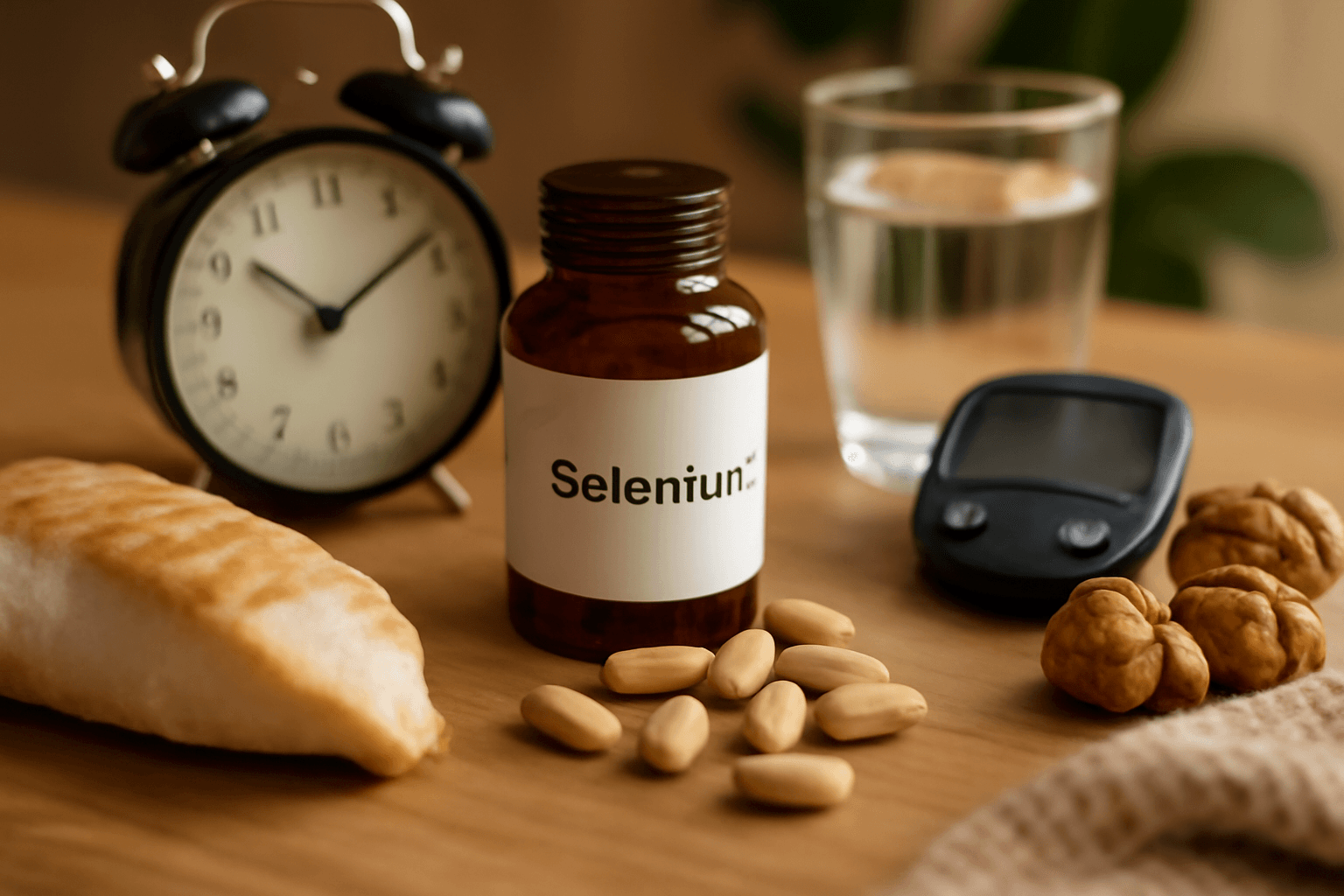
Enhancing the antioxidant system is the second element. Free radicals oxidize scalp lipids and damage keratin proteins. To increase the activity of endogenous antioxidant enzymes like glutathione and superoxide dismutase (SOD), dietary intake of vitamin E (approximately 7.3mg per 30g of almonds), selenium (approximately 96mcg per 3 Brazil nuts), and polyphenols (green tea, berries) is important.
Blood sugar stabilization is also a key strategy. High blood sugar promotes glycation reactions where glucose binds to proteins, damaging keratin structure. Additionally, insulin resistance elevates androgen levels, increasing sebum secretion. By choosing low glycemic index (GI) foods (oats, whole grains, legumes) instead of refined carbohydrates and consuming protein and healthy fats with each meal, you can moderate blood sugar fluctuations.
Anti-inflammatory Diet
A scalp health diet goes beyond simple nutrient supply to aim for immune regulation and inflammation suppression. Research shows that 70% of participants who maintained an anti-inflammatory diet for three months experienced significant improvement in dandruff symptoms.
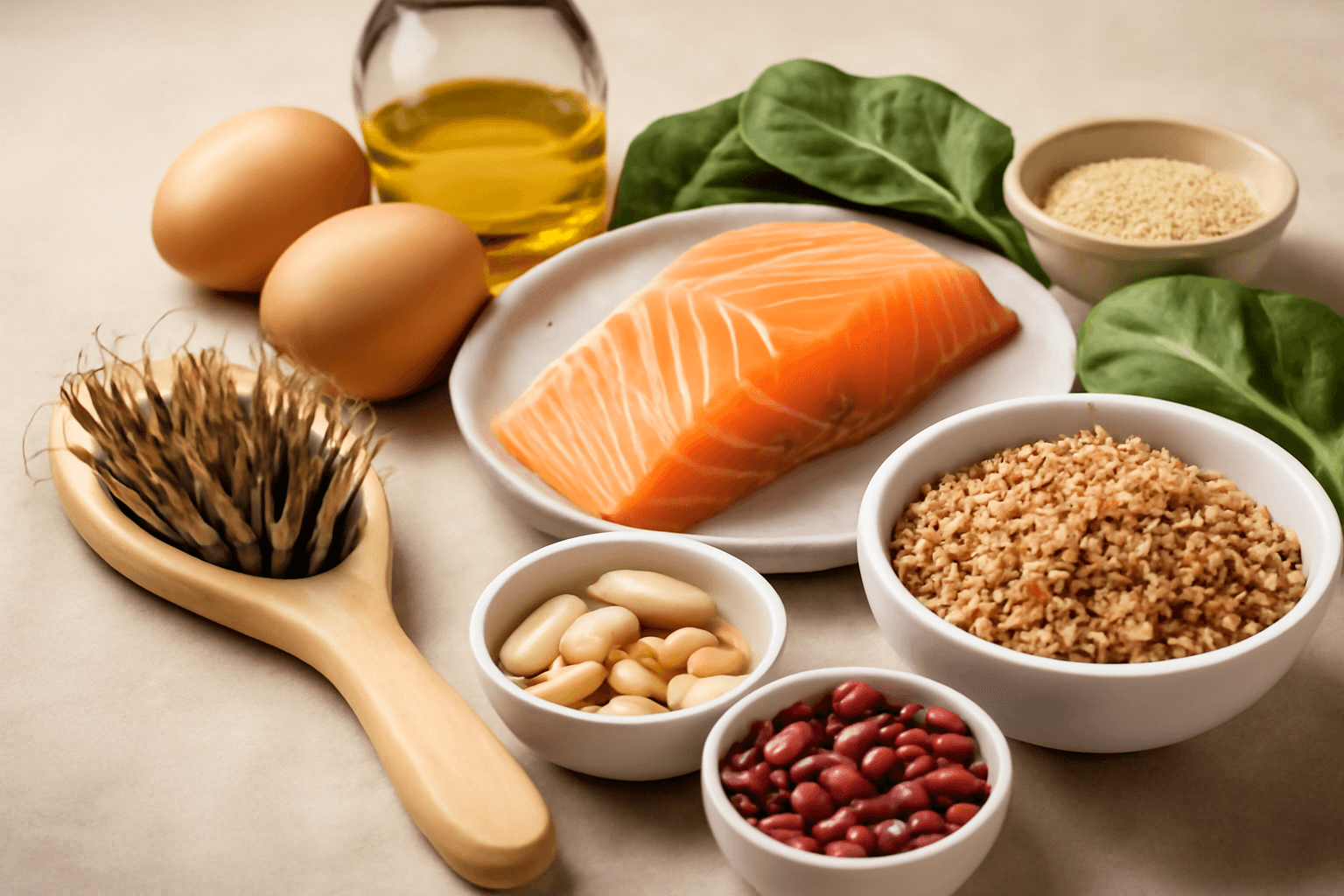
Omega-3 fatty acids: These essential fatty acids promote prostaglandin E1 production, suppressing inflammatory cytokine activity. Oily fish (salmon, mackerel, sardines) are recommended 2-3 times per week, with each serving (approximately 100g) containing 1.5-2g of omega-3. For plant-based sources, one tablespoon of flax seeds (approximately 15g) provides about 2.3g of alpha-linolenic acid.
Protein's role: Protein is a component of immune antibodies, enzymes, and keratin in hair. Daily protein intake of 1.2-1.6g per kilogram of body weight supports scalp cell regeneration (for 70kg body weight, 84-112g daily). Choose diverse high-quality protein sources such as one egg (approximately 6g), 150ml Greek yogurt (approximately 15g), and 100g chicken breast (approximately 31g). Protein also enhances zinc absorption, indirectly strengthening scalp health.
Zinc-rich foods: Zinc is an essential trace mineral for cell division, protein synthesis, and immune function. Zinc deficiency causes delayed scalp cell turnover and reduced T-cell function. Regular consumption of oysters (approximately 16mg per 100g), beef (approximately 6mg per 100g), pumpkin seeds (approximately 4.2mg per 28g), and lentils (approximately 3.3mg per cooked cup) can meet the recommended daily intake (8-11mg for adults).
Antioxidant polyphenols: Anthocyanins in berries (blueberries, black raspberries, cranberries), ellagic acid in pomegranate, and epigallocatechin gallate (EGCG) in green tea possess antifungal properties that inhibit Malassezia growth. Daily consumption of approximately one cup of berries or 2-3 cups of green tea increases antioxidant load.
Vitamin D foods: Vitamin D promotes differentiation of regulatory T cells (Treg), suppressing excessive inflammatory responses. Consume salmon (approximately 447 IU per 100g), egg yolks (approximately 37 IU per yolk), and fortified milk (approximately 115-124 IU per cup). To maintain optimal blood levels (30ng/ml or higher), 15-20 minutes of sun exposure without sunscreen is also important.
Foods to avoid: Refined sugar and refined carbohydrates cause rapid blood sugar spikes, dramatically increasing inflammatory markers (C-reactive protein). Additionally, trans fats in high-fat processed foods compromise the phospholipid composition of cell membranes, weakening scalp barrier function.
Anti-dandruff Shampoo
Proper shampoo selection and application method form the foundation of external symptom relief. Understanding product selection criteria and correct usage methods is important.
Antifungal ingredient comparison:
- Ketoconazole: Shows strong inhibitory effects against Malassezia, with 2% concentration classified as medication. Use 1-2 times per week is recommended, with effects evaluated after 3-4 weeks
- Zinc Pyrithione: Possesses antifungal and antibacterial effects, with 1-2% concentration sold as a general cosmetic. Daily use is possible, though resistance may develop with prolonged use
- Salicylic Acid: Promotes exfoliation through keratin-breaking ability, with 3-6% concentration used. Can make dry scalps even drier, so should be used with hydrating treatments
- Sulfur: A traditional antifungal ingredient suitable for sensitive scalps due to its gentle action. However, an unpleasant odor is a drawback
- Tea tree oil: A natural antifungal and anti-inflammatory ingredient effective at concentrations of 5% or higher. Pure essential oil is highly irritating, so pre-diluted shampoo formulations are safer
Correct shampooing method: Shampoo effectiveness depends on application method as much as product choice. First, do a preliminary rinse with warm water (38-40°C) for one minute to remove dirt and dead cells. Lather the shampoo in your hands, then massage it into the scalp while maintaining contact for 3-5 minutes. Sufficient exposure time is essential for antifungal ingredients to work. During rinsing, using cool water (20-25°C) better preserves the scalp's protective lipid layer.
Avoiding excessive cleansing: Daily over-shampooing excessively removes the scalp's natural sebum layer, triggering a rebound effect that increases sebum secretion to compensate. Recommended shampooing frequency is 3-4 times per week, with cool-air drying for styling between washes. Additionally, washing with very hot water dilates scalp blood vessels, potentially worsening inflammation.
Adjustment period when switching products: Allow a 2-3 week adjustment period when switching to a new shampoo. During this time, temporary symptom worsening called "purging" may occur, but this is part of the scalp's return to normal.
Hydrating Hair Masks
External hydration is an important step in repairing damaged scalp barriers and alleviating itching. Since masks contact the scalp longer than shampoo, ingredient selection is particularly important.
Key hydrating ingredients:
- Hyaluronic acid: Efficacy varies by molecular weight. Low molecular weight hyaluronic acid (3,000-50,000 Da) penetrates the dermis to increase intercellular moisture, while high molecular weight (1,000,000 Da or higher) forms a moisture-protective barrier on the epidermis. Products containing both sizes deliver optimal hydration
- Glycerol: An occlusive that locks existing moisture into skin, reducing transepidermal water loss (TEWL) by approximately 40% at 3-5% concentration
- Panthenol: A pantothenic acid derivative that repairs damaged keratin bonds and provides anti-inflammatory function. Shows meaningful effects at concentrations of 5% or higher
- Ceramide: A key component of the scalp's lipid barrier. Ceramides 1, 3, and 6 II are particularly important in rebuilding damaged scalp barriers
- Colloidal oatmeal: Contains beta-glucan and avenanthramide, possessing anti-inflammatory and anti-itch properties. Products at 10-20% concentration are effective
Mask application method: After shampooing, apply the mask evenly across the entire scalp with excess moisture removed using a cool towel. Apply generously to itchy areas in particular, then gently comb through with a fine-tooth comb to ensure the product penetrates the scalp layer. Maintain contact for 15-20 minutes, then rinse thoroughly with lukewarm water. Use 1-2 times per week.
DIY mask recipe: If commercial products don't suit you, simple natural masks are also effective. Mix two tablespoons of honey (hydration and antifungal), one tablespoon of olive oil (lipid supply), and two tablespoons of Greek yogurt (probiotics and protein) and apply once weekly for cost-effective scalp health improvement. However, use organic, cold-pressed honey to ensure active components aren't destroyed.
Multi-masking: You can also apply different masks simultaneously to address various scalp conditions (dry areas versus oily areas). Apply a sebum-control mask to the central scalp (T-zone) and deep hydration masks to the temporal and occipital regions to achieve optimal balance for each area.
Summary
Sensitive scalp and dandruff are merely external symptoms; the root causes lie in systemic immune imbalance, nutritional deficiency, and inflammatory states. A multi-layered approach is essential for effective resolution.
Key execution strategies:
- Internal improvement: Restore gut microbiota with probiotics, suppress systemic inflammation through antioxidant foods and omega-3 intake, normalize zinc and vitamin D levels
- Blood sugar management: Eliminate refined carbohydrates, maintain stable blood sugar by combining low glycemic index foods with protein
- External care: Select antifungal shampoo suited to individual scalp type and symptoms, follow correct application methods, apply hydrating masks 1-2 times weekly
- Medical consultation: If symptoms persist beyond two weeks, consult a dermatologist to rule out underlying conditions
Maintaining this integrated approach for 4-8 weeks restores normal scalp metabolism and produces significantly improved symptoms. Rather than expecting short-term changes, it is important to maintain a long-term perspective that supports the body's natural healing capacity.
Medical disclaimer: The information in this article is for educational purposes and cannot replace medical advice. If you experience severe scalp symptoms or allergic reactions, you must consult a dermatologist.