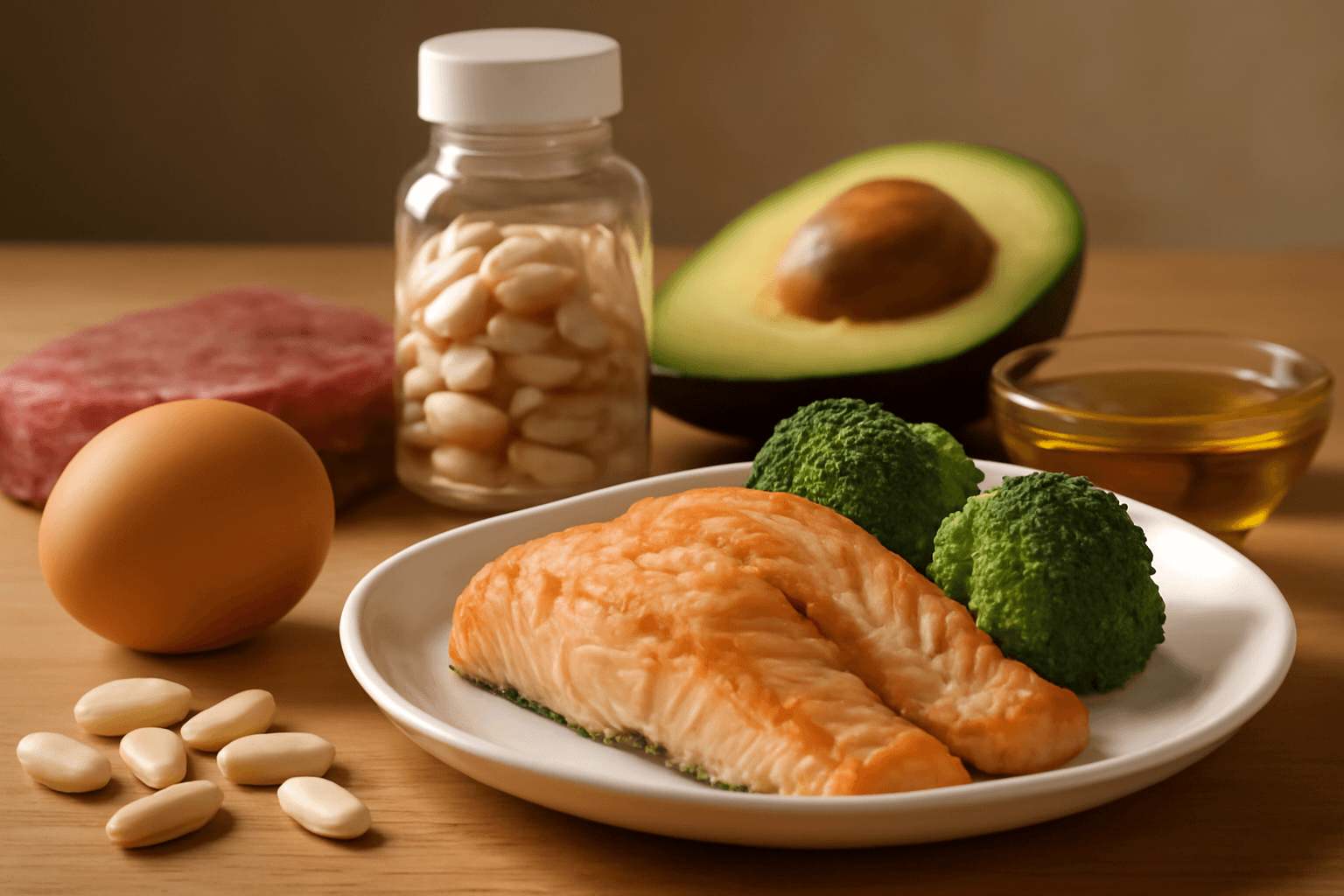
The ketogenic diet is a nutritional strategy that consists of low carbohydrates and high fat, designed to bring your body into a state of ketosis. In this diet, MCT oil has gained attention as a key supplemental product that helps provide rapid energy and maintain ketosis. Unlike regular fats, the medium-chain fatty acids in MCT oil are metabolized directly in the liver and converted into immediate energy sources, providing practical benefits for fatigue recovery and weight management for those following a ketogenic diet. This post will provide practical information from the scientific mechanisms of MCT oil to proper consumption methods.
What is MCT Oil?
MCT stands for Medium-Chain Triglyceride, referring to medium-chain fatty acids. While typical long-chain fatty acids (LCT) contain 12 or more carbons, MCTs are composed of 6 to 12 carbons. They are naturally found in coconut oil, palm oil, and dairy products, and MCT oil is a product extracted and refined from these sources.
The greatest characteristic of MCT oil is its digestion and absorption speed. While regular cooking oils take over 12 hours to digest, MCT oil travels directly to the liver and breaks down within 2 to 3 hours. During this process, ketone bodies are generated, which become an efficient energy source for the brain and muscles.
Key composition of MCT oil:
- Capric acid (C10): Approximately 50% of the total, efficient in ketone production
- Caproic acid (C8): Fastest ketone generation, highly concentrated in premium MCT oils
- Lauric acid (C12): Slowly digested to maintain satiety
What is the Ketogenic Diet?
The ketogenic diet is a low-carbohydrate diet that adjusts macronutrient ratios to 70-75% fat, 20-25% protein, and 5-10% carbohydrates. When carbohydrate intake is restricted to 50g or less per day, your body's glycogen stores become depleted, and it begins to use fat as its primary energy source.
This state is called ketosis, in which the liver converts fat into ketone bodies. These ketone bodies are supplied to the brain and muscles through the bloodstream, where they serve as energy sources instead of glucose. According to research, the brain in ketosis operates more efficiently than when using glucose, and some users experience improved focus and mental clarity.
Practical effects of the ketogenic diet:
- Rapid weight loss: Possible to lose 3-5kg in the first 2 weeks (mainly water loss)
- Blood sugar stabilization: Improved insulin sensitivity helps improve prediabetes
- Thyroid function: Some research has observed changes in thyroid hormone levels
- Energy levels: Reports of increased energy after an adaptation period (2-4 weeks)
MCT Oil Supporting Ketosis
The reason MCT oil plays a special role in the ketogenic diet is due to its ketone-generating efficiency. While regular fats require bile acids and lipoproteins during digestion, MCT bypasses this process and travels directly to the mitochondria of the liver.
In one study, blood ketone concentrations were 3 times higher within 30 minutes after MCT oil administration compared to regular fat consumption. This means that MCT oil accelerates the maintenance and initial entry into ketosis. In particular, consuming MCT oil before exercise can minimize muscle glycogen usage while maximizing ketone body energy supply.
Energy efficiency of MCT oil:
- ATP generation per calorie: 23% more efficient than regular fat
- Thermogenesis: Approximately 3 times the energy expenditure of regular fat
- Sustained satiety: Increased cholecystokinin (CCK) hormone suppresses appetite
- Fatigue recovery: Shortened recovery time after exercise through rapid energy supply
Particularly during the initial adaptation phase of keto, MCT oil can alleviate symptoms of "keto flu"—such as fatigue, headaches, and reduced concentration—through rapid ketone supply.
What is the Best MCT Oil?
Important criteria when choosing an MCT oil product are caproic acid (C8) content and purity. Commercially available MCT oils are classified into three main categories.
Stage 1: Full Spectrum MCT Oil Composed of approximately 40% caproic acid, 50% capric acid, and 10% lauric acid, this is the most common type. It is affordable and has gentle digestion, but ketone generation speed is relatively slower.
Stage 2: C8/C10 Blend Products containing over 90% caproic and capric acids offer faster and more effective ketone generation. However, digestive intolerance may occur, so it should be started in small amounts.
Stage 3: Pure C8 Oil Offers the fastest ketone generation with immediate energy boost. However, the price is 2-3 times that of regular MCT oil, and excessive consumption may cause diarrhea or abdominal discomfort.
Things to check when selecting a product:
- Ingredient disclosure: Products with clearly stated caproic and capric acid content
- Source of ingredients: Coconut-derived (avoid palm oil for environmental reasons)
- Organic certification: USDA organic, Non-GMO Project verification
- Taste and smell: Flavorless and odorless products offer higher consumption convenience
- Digestibility: First-time users are recommended to start with full spectrum
How to Consume MCT Oil on a Ketogenic Diet
To maximize the effects of MCT oil, consumption method and timing are important. The most effective approach is consumption in a fasted state or before exercise. Taking it mixed into morning coffee or tea produces immediate energy and ketone generation, which increases morning focus and metabolism.
Pre-exercise consumption (30 minutes before exercise) MCT oil is effective for improving exercise performance. During exercise, it reduces glucose dependency and allows ketone bodies to serve as an energy source, improving muscular endurance and helping prevent muscle loss. In particular, research shows that groups consuming MCT oil before high-intensity resistance training demonstrated superior strength maintenance.
Meal replacement or addition "Bulletproof coffee," a beverage made by mixing MCT oil and butter into coffee, can replace breakfast. This drink provides approximately 400kcal and 40g of fat, with satiety lasting 4-6 hours. However, since it's not a complete meal, you should consume sufficient protein and micronutrients at lunch.
Gradual increase strategy Since MCT oil is rapidly metabolized in the body, initial consumption may cause digestive discomfort. It is recommended to start with 1 teaspoon (5ml) the first week and increase by 1 teaspoon every 3-4 days. This allows the gut microbiota to adapt while minimizing side effects.
Practical consumption methods:
- Bulletproof coffee: Warm coffee + 1 tablespoon MCT oil + 1 tablespoon unsalted butter
- Smoothie: Unsweetened milk + nuts + egg + 1 teaspoon MCT oil
- Added to soup: Add to low-carb vegetable soup just before consumption
- Salad dressing: Use MCT oil instead of olive oil
- Avoid: Heated cooking (low smoke point), excessive consumption on an empty stomach
What is the Recommended MCT Oil Intake?
The appropriate amount of MCT oil varies depending on individual adaptation, body weight, and activity level. The generally recommended range is 7-15ml per day (1.5-3 teaspoons).
Initial users (0-2 weeks) Start with 5ml or less per day during the adaptation period. At this stage, the digestive system learns MCT metabolism, and increasing too rapidly can cause abdominal bloating, mild diarrhea, and nausea.
Intermediate stage (2-8 weeks) Once adapted, you can increase to 5-10ml per day. Most users experience optimal energy and ketone generation within this range.
Long-term users (after 8 weeks) Depending on individual differences, up to 10-15ml can be consumed, with some using up to 20ml. However, since MCT oil has high caloric density (8.3kcal/g), intake should be adjusted if your goal is weight loss.
Calorie comparison by intake:
- 1 teaspoon (5ml) = approximately 43kcal
- 1 tablespoon (15ml) = approximately 130kcal
- 1 tablespoon of regular olive oil = approximately 120kcal
Considerations during weight loss plans Excessive MCT oil consumption can lead to unintended calorie excess. For example, consuming 20ml daily results in an additional 2,580kcal per month. Therefore, it is more efficient to reduce other dietary fats while consuming MCT oil.
Relationship with thyroid function Some research suggests that high-dose MCT oil consumption may affect thyroid hormone (T3, T4) metabolism. For those with thyroid conditions (Hashimoto's disease, Graves' disease) or taking thyroid medications, you should consult with a healthcare professional beforehand to determine a safe intake amount.
Conclusion
Key summary: MCT oil is a supplemental product that maximizes the effects of the ketogenic diet, enabling rapid ketone generation and energy supply through the fast liver metabolism of medium-chain fatty acids. Choose products with high caproic and capric acid content, and start with 5ml daily in the initial phase, gradually increasing for optimal results.
Recommended consumption guidelines by user type:
- Keto beginners: Start with 1 tablespoon (15ml) in morning bulletproof coffee, adapt with small amounts for the first 2 weeks
- Exercise enthusiasts: Consume 1 teaspoon (5ml) 30 minutes before exercise to maximize energy and muscle strength maintenance
- Weight loss goal: Reduce other fat intake and maintain within 7-10ml range
- Those with thyroid conditions: Decide after consulting a specialist, approach conservatively
Precautions: MCT oil is a supplement, not a medication, and cannot be a "standalone solution" for the ketogenic diet. Adequate protein intake (1.6-2.2g per body weight daily), micronutrients (magnesium, potassium, electrolytes), and dietary fiber must accompany its use. In particular, those with gastrointestinal disorders, liver disease, or taking certain medications should consult a healthcare professional before use.
The combination of the ketogenic diet and MCT oil can provide practical benefits for weight management, energy enhancement, and fatigue recovery when executed correctly. However, personalized approaches considering individual health status, health goals, and underlying conditions are key to success.