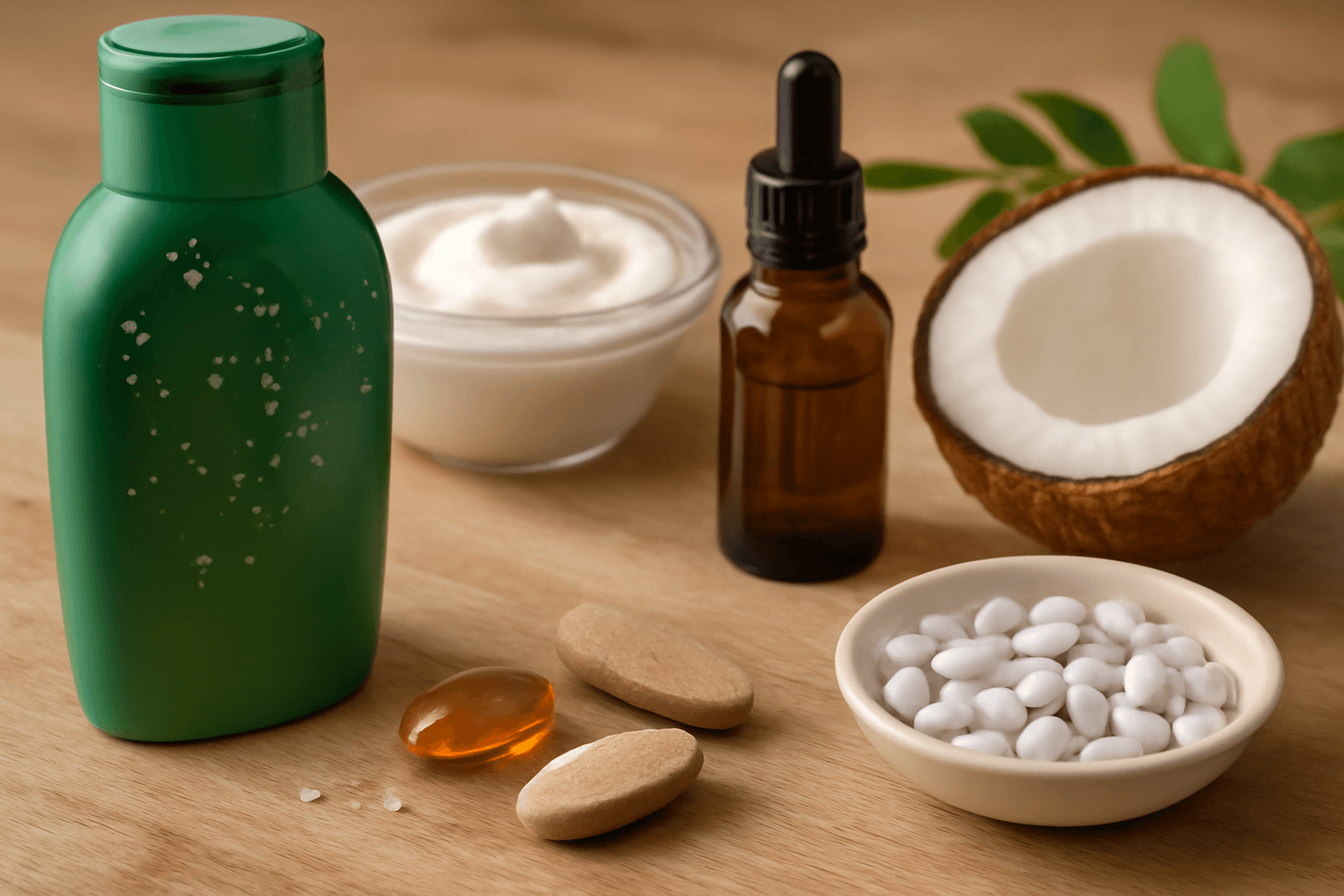
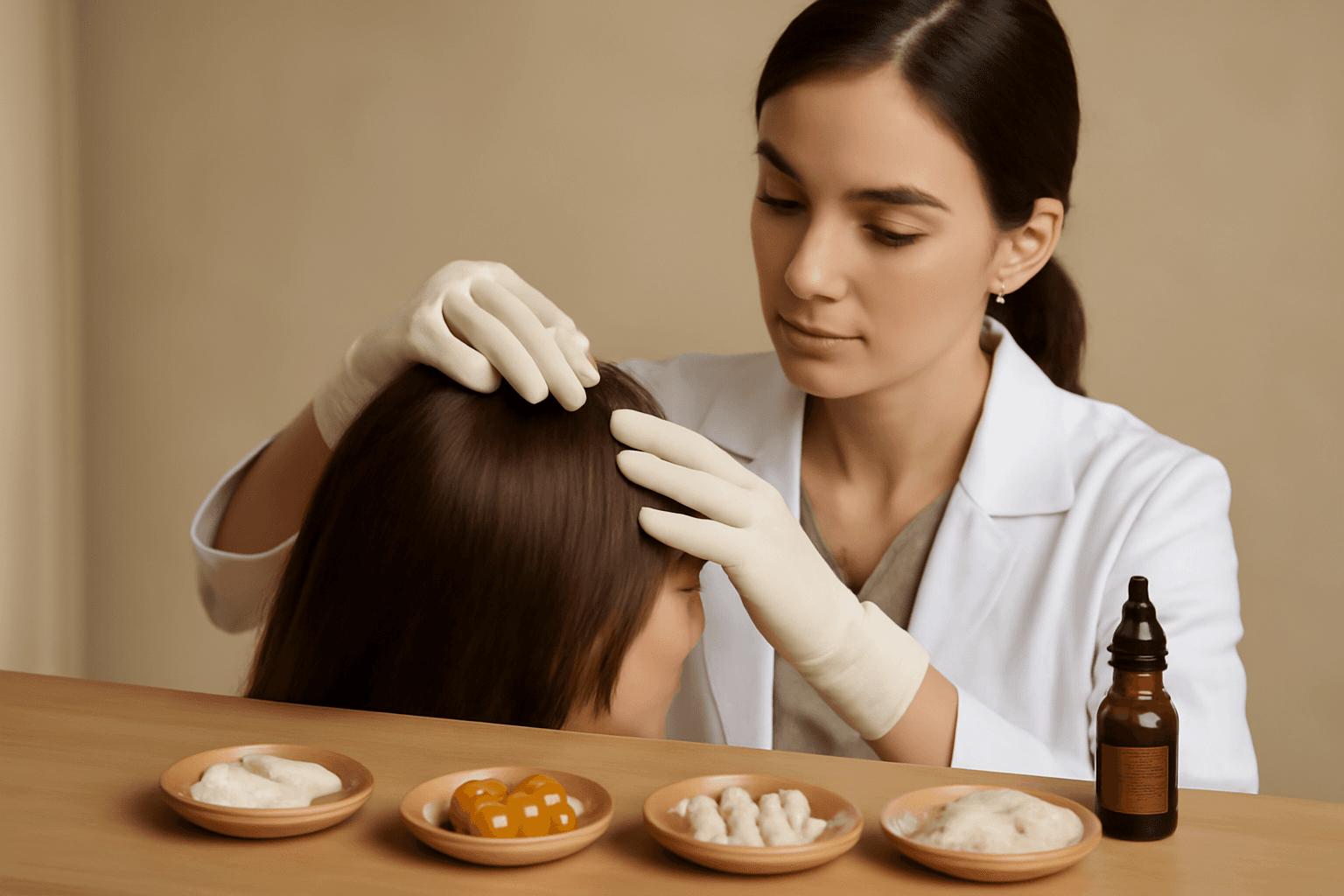
Dandruff, the white flakes that fall from the scalp, is a common scalp condition experienced by more than 50% of the global population. While the causes of dandruff are varied—including overgrowth of Malassezia yeast, dry scalp, and inflammatory responses—you don't need to rely solely on pharmacy shampoos or prescription medications. Natural treatments using plant-based ingredients are time-tested folk remedies that have also been proven effective by modern science. This post introduces methods for naturally eliminating dandruff through tea tree oil, coconut oil, various vitamin and mineral supplements, and proven home remedies.
What Is Dandruff?
Dandruff is excessive flaking of the scalp's outer layer and is medically considered a mild form of seborrheic dermatitis. While our scalp naturally renews its skin cells on a roughly 28-day cycle, people with dandruff experience this cycle accelerated to 2-7 days. When the Malassezia yeast breaks down sebum on the scalp, it produces oleic acid that irritates the scalp, triggering an immune response that accelerates cell shedding.
The main causes of dandruff include:
- Fungal infection: Overgrowth of Malassezia yeast
- Scalp dryness: Excessive shampooing or low humidity environments
- Inflammatory response: Sensitivity to scalp sebum breakdown products
- Weakened immunity: Stress, poor sleep, and nutritional deficiencies
- Hormonal imbalance: Often worsened during puberty and menopause
- Improper hair care: Using excessively hot water and overuse of chemical products
People with dandruff may experience itching, redness, and scalp tenderness, and in severe cases, it can progress to hair loss. Fortunately, lifestyle improvements and natural ingredients can provide significant relief.
The Best Natural Methods for Treating Dandruff
Natural treatments are effective because they restore the scalp's natural ecosystem. Strong chemical shampoos may temporarily relieve symptoms, but they can destroy the scalp's protective lipid layer, potentially worsening dandruff in the long term. In contrast, natural ingredients help calm scalp inflammation, provide antibacterial effects, and restore scalp moisture balance.
The core strategy for natural dandruff treatment involves three approaches:
- External treatment: Using oils and hair products with antibacterial and anti-inflammatory properties
- Internal nutrition: Taking vitamins and minerals that support scalp health
- Lifestyle habits: Managing stress, getting adequate sleep, and proper scalp cleansing
Research shows that consistent use of natural ingredients for 8-12 weeks produces improvements similar to over-the-counter treatments. A combined approach is most effective, so using multiple methods together is recommended.
Tea Tree Oil
Tea tree oil is an essential oil extracted from the Australian tea tree and is the most researched natural ingredient for dandruff treatment. In a 2002 Australian study, using 5% tea tree oil shampoo for four weeks showed a 41% improvement in symptoms compared to the placebo group. Tea tree oil's antibacterial effectiveness primarily comes from terpineol, a compound that inhibits Malassezia yeast growth.
How to use tea tree oil:
- Pure tea tree oil is very potent and should never be applied directly to the scalp undiluted
- Dilute it at a 1:10 ratio with a carrier oil such as coconut oil or apricot kernel oil
- Apply to the scalp with massage 2-3 times per week, leave on for 20-30 minutes, then rinse with shampoo
- You can also use a shampoo containing tea tree oil (2-5% concentration) daily
Precautions: Since tea tree oil is a strong ingredient, perform a patch test on the inner arm first if you have sensitive skin. Stop using it and consult a healthcare professional if you experience irritation, itching, or rash. Pregnant women, nursing mothers, and children should consult a doctor before use.
Herbs, Plants, and Minerals
Natural ingredients effective for dandruff treatment each work through unique mechanisms. Aloe vera is rich in antibacterial compounds, normalizes scalp pH, and has powerful moisturizing effects, making it especially effective for dry dandruff. You can massage fresh aloe gel directly onto the scalp or use aloe-based products.
Coconut oil consists of saturated fatty acids that strengthen the scalp's protective barrier, and its lauric acid provides antibacterial benefits. A 2015 study showed that a group using coconut oil for eight weeks experienced 68% greater improvement in dandruff symptoms compared to a mineral oil group. The most effective method is to apply pure coconut oil to the scalp in the evening and leave it overnight before shampooing in the morning.
Apple cider vinegar has acidic properties (pH 2.5-3.0) that restore the scalp's normal acidic environment and inhibit Malassezia growth. Mix it 1:1 with water, spray onto the scalp, leave for 15 minutes, then rinse. Use twice weekly.
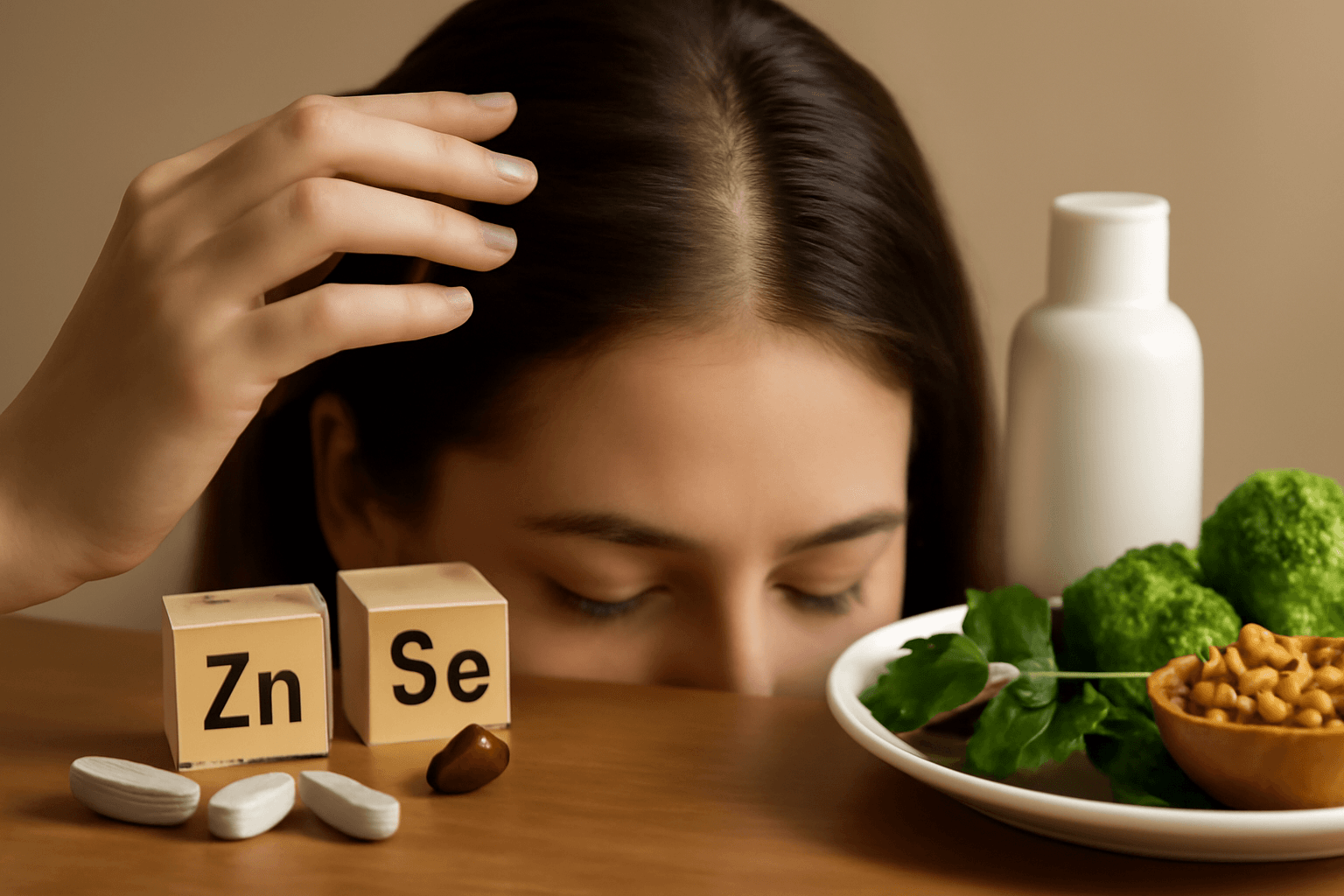
Zinc is an essential mineral for immune function and skin regeneration. Many dandruff patients with zinc deficiency experience symptom relief by taking 15-30mg of zinc supplements daily. You can also naturally obtain it through foods like oysters, pumpkin seeds, and beef.
Selenium is a key component of antioxidant enzymes, and deficiency can worsen dandruff and seborrheic dermatitis. Daily intake of 55-200mcg of selenium is recommended, and it's abundant in Brazil nuts, tuna, and eggs.
Home Remedies for Dandruff Treatment
Egg hair masks are rich in protein and vitamin B12, nourishing and moisturizing the scalp. Beat two eggs and apply evenly to the scalp, leave for 20 minutes, then rinse with lukewarm water. Use once weekly for best results.
Yogurt masks contain probiotics that increase beneficial bacteria on the scalp, and lactic acid acts as an exfoliant. Mix 200ml of unsweetened yogurt with one tablespoon of honey, apply to the scalp, and leave for 30 minutes. Use twice weekly.
Honey and olive oil masks provide powerful antibacterial and anti-inflammatory effects. Mix three tablespoons of olive oil with two tablespoons of raw honey, warm slightly, massage onto the scalp, wrap with a warm towel, and leave for 45 minutes. Use 1-2 times weekly.
Shower water temperature is also important. Hot water accelerates oil loss from the scalp, so use lukewarm water (around 37-40°C/99-104°F). Finish your final rinse with cool water to seal the cuticle and maintain moisture.
Shower frequency of 2-3 times per week is recommended. Daily showering can strip essential oils from the scalp and worsen dandruff.
Emerging Natural Remedies
Probiotic supplements strengthen gut health and the immune system, providing indirect benefits for dandruff treatment. Lactobacillus and Bifidobacterium strains are particularly effective, and taking 1-2 billion CFU or more daily can produce noticeable improvement within 8 weeks.
Omega-3 fatty acids reduce scalp inflammation and support hair follicle health. Taking 1000-2000mg of omega-3 supplements daily or consuming foods like salmon, flaxseeds, and walnuts produces improvement in over 50% of dandruff patients within 8 weeks.
B-complex vitamins promote scalp metabolism and prevent dandruff caused by stress. Deficiencies in vitamins B6, B12, and folate are known to worsen dandruff. Taking a daily B-complex supplement is effective.
Vitamin D deficiency is also linked to dandruff. For patients with insufficient sun exposure, 1000-2000 IU of vitamin D supplementation daily is helpful. Have a blood test to check your vitamin D level and consult with your doctor to determine the appropriate dosage.
Stress management is another natural remedy that shouldn't be overlooked. Chronic stress elevates cortisol levels, weakening immune function and worsening dandruff. Practicing stress management activities like meditation (10 minutes daily), yoga, and walking often results in 30-40% improvement in dandruff symptoms.
Summary
Because dandruff has multiple causes, a multifaceted approach is more effective than a single treatment. For external treatment, regular scalp masks using tea tree oil, coconut oil, and aloe vera help. For internal nutrition, supplementation or dietary intake of zinc, selenium, B vitamins, omega-3, and probiotics is important. For lifestyle improvements, lukewarm showers, appropriate cleansing frequency, and stress management are essential.
Important note: This information is for educational purposes. If you have severe seborrheic dermatitis, signs of infection, or dandruff that doesn't improve after four weeks or longer, consult a dermatologist. Pregnant women, nursing mothers, and people with certain conditions should obtain approval from a healthcare professional before using new supplements or oils.
Natural treatments focus on restoring the scalp's natural healthy state through consistent practice over 8-12 weeks rather than expecting immediate results. These methods also provide excellent benefits for preventing recurrence and maintaining long-term scalp health.