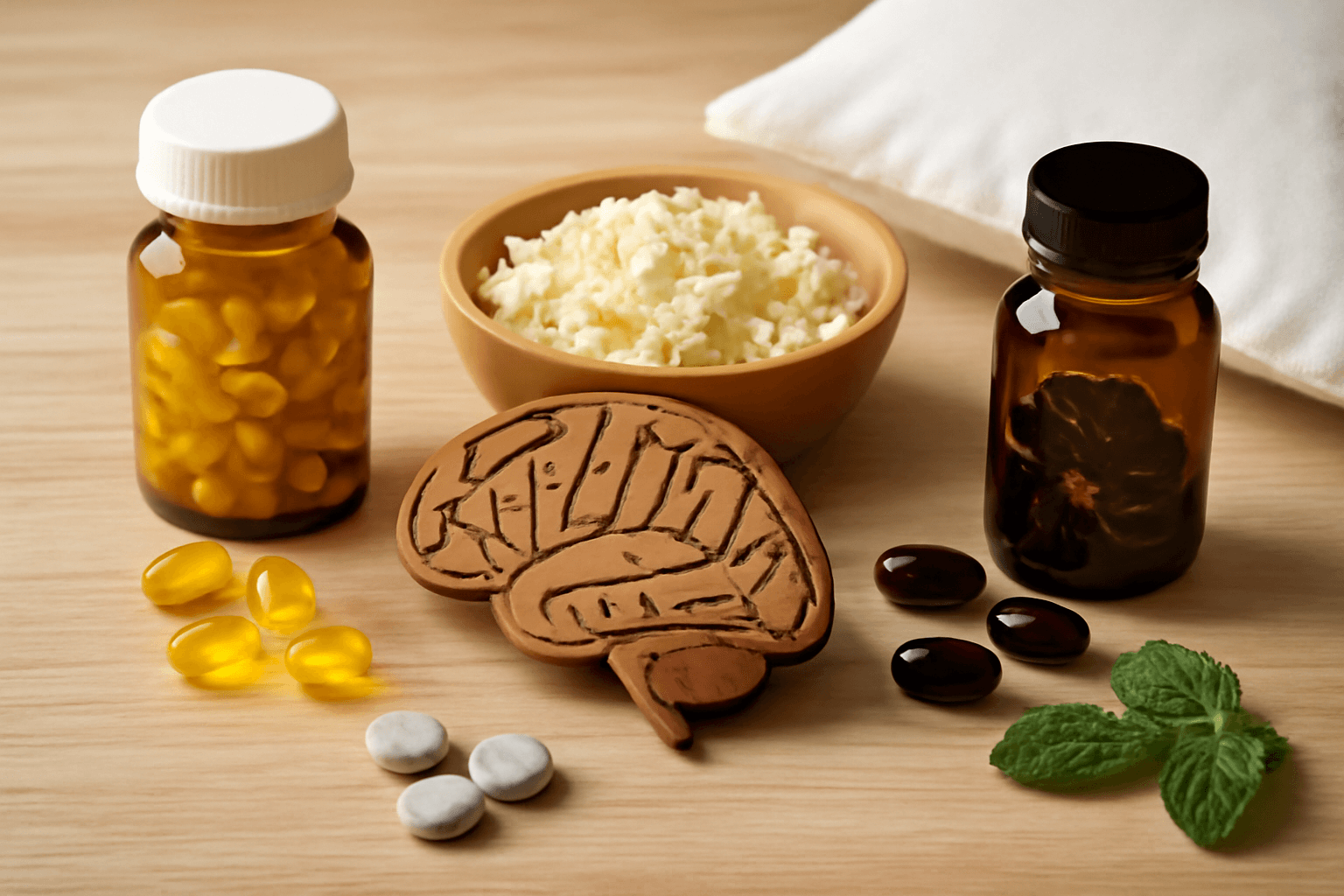
Parkinson's disease is a neurodegenerative disorder that develops as dopamine secretion in the brain decreases. Currently, medication therapy is the most effective medical treatment, but combining it with proper medication administration, exercise, improved eating habits, and appropriate supplement intake can greatly help manage symptoms and improve quality of life. This article will comprehensively examine both medication therapy and natural methods for effectively managing Parkinson's disease.
What is Parkinson's Disease?
Parkinson's disease is a common neurodegenerative disorder diagnosed in 1-2 people per 1,000 individuals aged 60 and older. This disease occurs as neurons that produce dopamine in the substantia nigra of the midbrain gradually deteriorate. Dopamine is a neurotransmitter essential for motor control, emotional regulation, and reward systems, and its reduction causes both motor and non-motor symptoms.
Major motor symptoms include resting tremor (trembling at rest), rigidity, bradykinesia (slowed movement), and postural instability. Non-motor symptoms include sleep disorders, cognitive decline, depression, digestive disorders, and loss of smell. While the cause of Parkinson's disease is not completely understood, the interaction between genetic and environmental factors plays an important role.
Why Medication is Essential in Parkinson's Disease Treatment
The foundation of Parkinson's disease treatment is medication therapy. The most effective medication is levodopa (L-dopa), which is converted to dopamine in the brain to replenish deficient dopamine. Since its introduction in the 1960s, levodopa has become the standard medication for treating Parkinson's disease for decades and is known to alleviate motor symptoms by 60-80%.
Other medications used include dopamine agonists, monoamine oxidase inhibitors (MAOI), and catechol-O-methyltransferase (COMT) inhibitors. Without medication therapy, symptoms gradually worsen and functional loss in daily life accelerates. Therefore, medication therapy is not optional but essential, and natural therapies play a complementary role to medication treatment.
Parkinson's disease medication therapy cannot stop neuronal damage, but manages symptoms by maximizing the function of remaining neurons.
Effective Medication Administration Methods
To maximize the effectiveness of levodopa, timing of administration and meal timing are very important. Levodopa is absorbed in the small intestine by competing with neutral amino acids, so absorption is hindered when taken with protein-rich meals. The optimal method is to eat 30 minutes after taking the medication or take the medication 1-2 hours after eating.
"Protein scheduling," which concentrates daily protein intake in the evening, is a strategy to enhance medication effectiveness during the day. For example, minimizing protein at breakfast and lunch (5-10% of daily needs) and consuming the remaining 90-95% at dinner. It is important to consult with a pharmacist or neurologist to determine an administration schedule tailored to the individual.
Additionally, avoid taking antacids or iron supplements simultaneously, as they interfere with medication absorption. A minimum interval of 2 hours should be maintained between doses, and maintaining precise time intervals is essential for maintaining stable medication blood levels.
The Core of Natural Management for Parkinson's Disease is Exercise
Exercise is the second most important element after medication in Parkinson's disease management. Recent research shows that regular exercise promotes neuroplasticity and increases the production of brain-derived neurotrophic factor (BDNF). Neural reorganization through exercise helps create new neural connections that bypass damaged neural pathways.
Particularly effective types of exercise include:
- Aerobic exercise: 150 minutes per week of moderate-intensity aerobic exercise (brisk walking, cycling, swimming) stimulates dopamine production and protects cognitive function
- Resistance exercise: 2-3 sessions per week of strength training prevents muscle loss and improves postural stability
- Complex exercise: Activities requiring coordination and cognitive focus such as table tennis, tennis, and dancing maximally stimulate neuroplasticity
- Stretching and balance exercise: Yoga and tai chi reduce fall risk and improve body awareness
The intensity of exercise is important; high-intensity exercise that raises heart rate to 70-80% of maximum heart rate has greater neuroprotective effects than low-intensity exercise. Ideal exercise frequency is 3-5 times per week for 30-60 minutes per day, and intensity should be increased gradually considering individual ability and safety.
Improved Eating Habits for Parkinson's Disease Management
Nutritional management for Parkinson's disease patients affects medication absorption, gut health, and brain health. Approximately 24-81% of Parkinson's disease patients experience digestive disorders, which interfere with medication absorption and worsen overall health.
Protein Management
Complete avoidance of protein is not necessary, but regulating protein intake by meal time is essential to optimize levodopa absorption. While maintaining daily protein needs (1.0-1.2g per kg of body weight), an effective approach is having low-protein meals at breakfast and lunch (centered on egg whites, vegetables, and fruits) and high-protein meals at dinner (fish, tofu, meat).
Dietary Fiber and Fluid Intake
50-61% of Parkinson's disease patients experience constipation. This occurs due to anticholinergic medications, lack of exercise, and insufficient fluid intake. Daily intake of 30-38g of dietary fiber (oats, lentils, broccoli, pears, blueberries) and 2-3 liters of fluid normalize bowel movements. At the same time, probiotics (kimchi, yogurt, miso) restore gut microbiota balance and improve digestive health.
Antioxidant and Anti-inflammatory Foods
Parkinson's disease is accelerated by oxidative stress and neuroinflammation. The following foods provide powerful antioxidant and anti-inflammatory effects:
- Berries: Blueberries, black beans, cherries (contain anthocyanins with neuroprotective effects)
- Cruciferous vegetables: Broccoli, cabbage, kale (contain sulforaphane for neuronal protection)
- Leafy greens: Spinach, kale (lutein and zeaxanthin protect cognitive function)
- Green tea: EGCG catechins reduce neurodegenerative changes
- Lean fish: Contain omega-3 fatty acids (see supplements section below)
The diet for Parkinson's disease patients should pursue a dual goal: maximizing medication effectiveness while simultaneously minimizing neural damage.
Supplements for Parkinson's Disease Management
While medication therapy, exercise, and improved eating habits are fundamental, certain supplements can provide additional neuroprotective effects. All supplements should be taken after consulting a doctor or pharmacist to confirm interactions with currently prescribed medications.
Omega-3 Fatty Acids
Omega-3 (EPA and DHA) are major components of neural cell membranes and reduce neuroinflammation while promoting the production of neuroprotective proteins. In studies of Parkinson's disease patients, daily intake of 1,000-2,000mg of omega-3 improved cognitive function and motor symptoms. Fish oil supplements (wild Alaskan salmon, sardines, mackerel) or algae-based DHA/EPA supplements can be used, and dose adjustment may be necessary if taking blood thinners.
Vitamin B Complex
Parkinson's disease patients often show vitamin B deficiency. In particular, vitamins B6, B12, and folate are essential for homocysteine metabolism, and elevated homocysteine levels are associated with neurotoxicity. B vitamins support dopamine and serotonin production:
- B6 (pyridoxine): Daily 25-100mg (medical consultation required for levodopa users)
- B12 (cobalamin): 1,000mcg intramuscular injection once monthly or daily 1,000-2,000mcg sublingual
- Folate: Daily 400-800mcg
In particular, methylated forms of B vitamins (methylcobalamin, methylfolate) have higher bioavailability.
Zinc
Zinc is an important mineral for neuroprotection, antioxidant effects, and immune function support. Approximately 40% of Parkinson's disease patients have zinc deficiency. Zinc deficiency worsens neuroinflammation and accelerates cognitive decline. Daily 15-30mg of zinc glycinate form has good absorption and should be taken at least 2 hours apart from levodopa or other medications. Excessive dosing can cause copper deficiency, so it is important not to exceed recommended amounts.
Creatine
Creatine supports cellular energy (ATP) production, enhancing the energy metabolism of neurons. In animal model research, creatine was shown to delay the progression of Parkinson's disease. Daily intake of 3-5g of creatine monohydrate provides neuroprotective effects and offers the additional benefit of improved strength. Medical consultation is essential if you have kidney disease.
Electrolyte Balance
Parkinson's disease patients, especially elderly patients, may experience electrolyte imbalances due to perspiration, medication side effects, and insufficient dietary intake. Adequate intake of sodium, potassium, and magnesium normalizes muscle function, neural signal transmission, and heart rate:
- Potassium: Daily 2,600-3,400mg (bananas, sweet potatoes, spinach, avocados)
- Magnesium: Daily 310-420mg (pumpkin seeds, almonds, dark chocolate, magnesium glycinate supplements)
- Sodium: Daily 1,500-2,300mg (avoid excessive salt while maintaining adequate intake)
Magnesium in particular has the effect of alleviating muscle rigidity and improving sleep quality.
Sleep Management Supplements
66-98% of Parkinson's disease patients experience sleep disorders. Sleep deprivation increases neuroinflammation and worsens cognitive function. Melatonin (daily 3-10mg), magnesium (see above), and L-theanine (daily 100-200mg) are natural supplements that improve sleep quality. Melatonin also acts as an antioxidant, providing neuroprotective effects. It is important to consult with a doctor to avoid interactions with sleep medications.
Summary
While Parkinson's disease cannot currently be cured, multilayered management can effectively control symptoms and greatly improve quality of life. Medication therapy is the foundation of Parkinson's disease management, and it is complemented by the following elements:
- Effective medication administration: Protein scheduling, precise time intervals, meal timing adjustment
- Regular exercise: 150+ minutes per week of moderate-intensity aerobic exercise + resistance exercise + neurocognitive exercise
- Optimized diet: Consuming antioxidant and anti-inflammatory foods, increasing dietary fiber and fluid, managing gut health
- Strategic supplements: Omega-3, B vitamins, zinc, creatine, electrolytes, melatonin
All of these strategies must be implemented in collaboration with a neurologist, nutritionist, and pharmacist, and should be individually tailored based on disease stage, comorbidities, and current medications. Since Parkinson's disease is a long-term condition, consistent implementation and regular medical monitoring are keys to success.
Medical Disclaimer: All suggestions in this article cannot replace medical professional diagnosis and prescription. Before starting new supplements, an exercise program, or dietary changes, be sure to consult with a neurologist and pharmacist.